Institute for Tumor Biology and Experimental Therapy, Georg-Speyer-Haus, 60596, Frankfurt, Germany.
International Centre for Genetic Engineering and Biotechnology and University of Cape Town and South African Medical Research Center external Unit, Anzio Road, Observatory, 7925, Cape Town, South Africa.
Oncogene. 2019 Mar;38(11):1787-1801. doi: 10.1038/s41388-018-0551-2. Epub 2018 Oct 23.
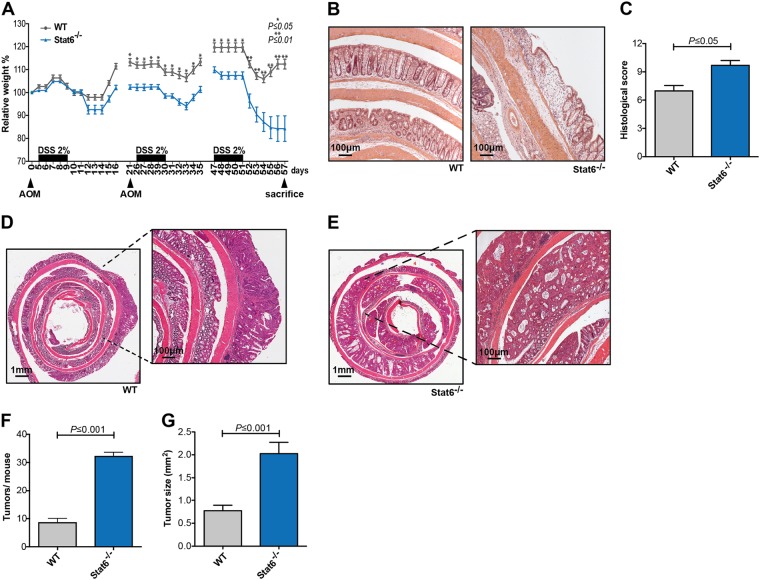
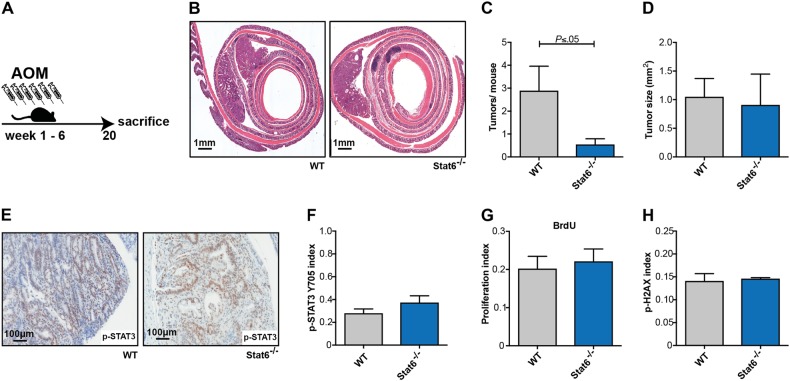
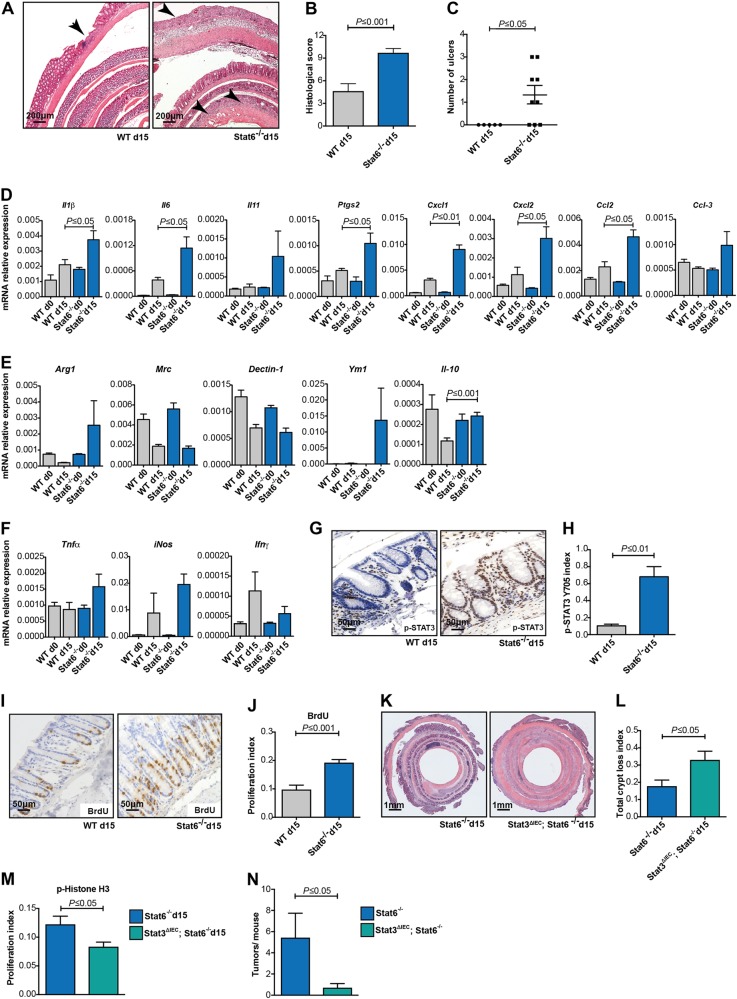
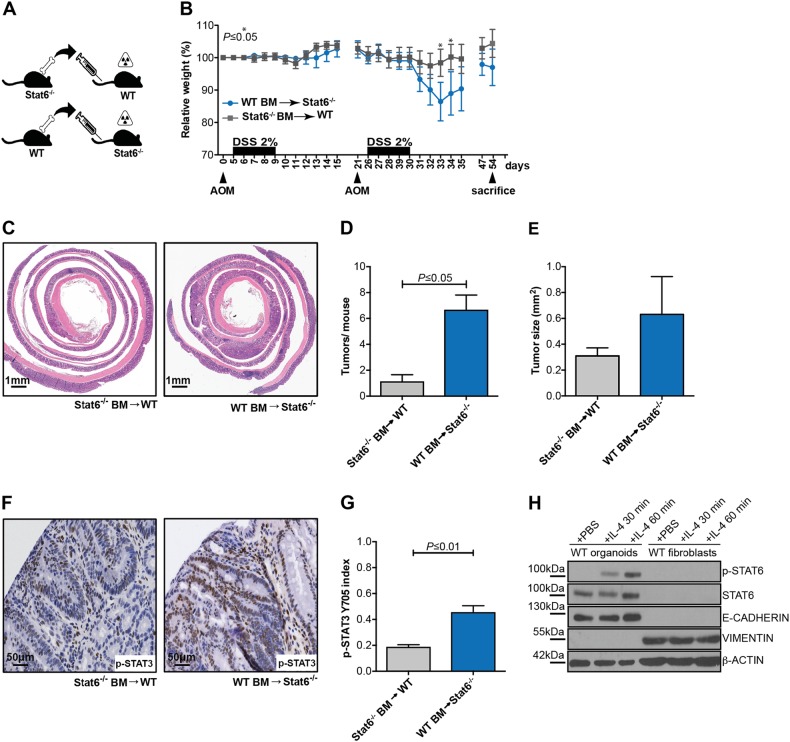
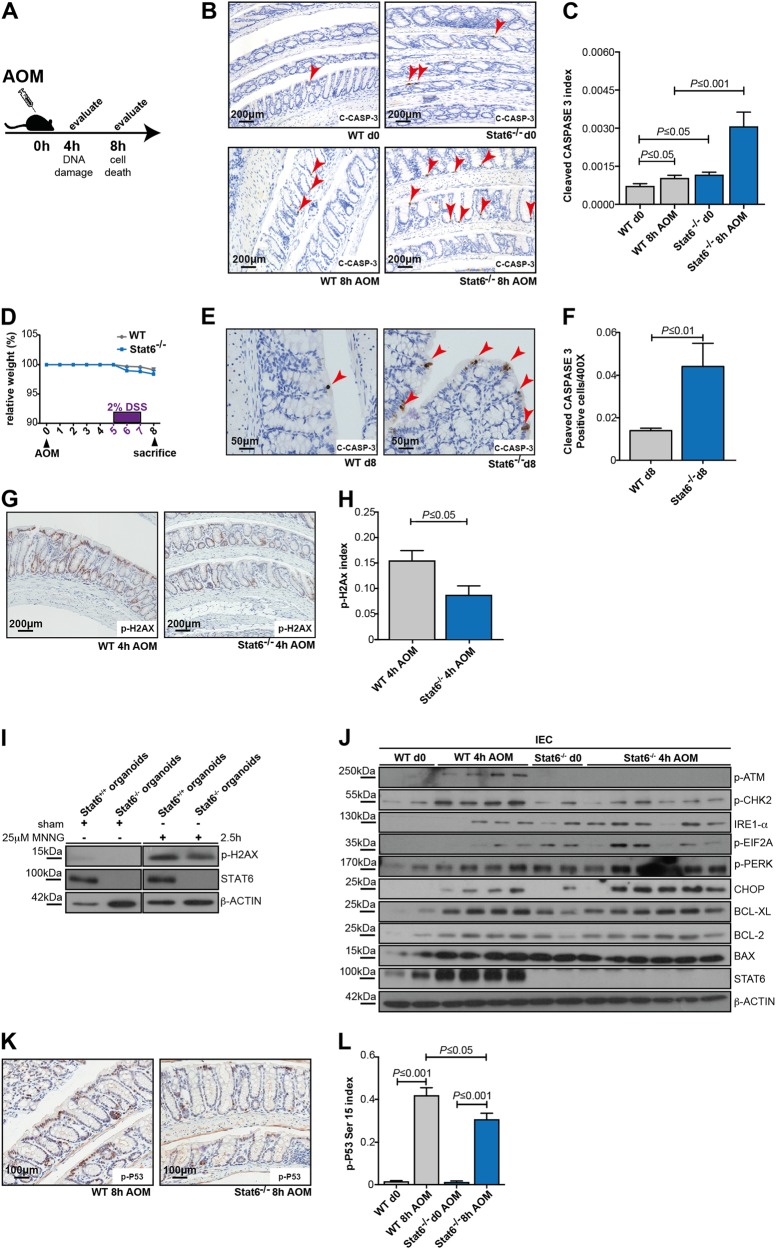
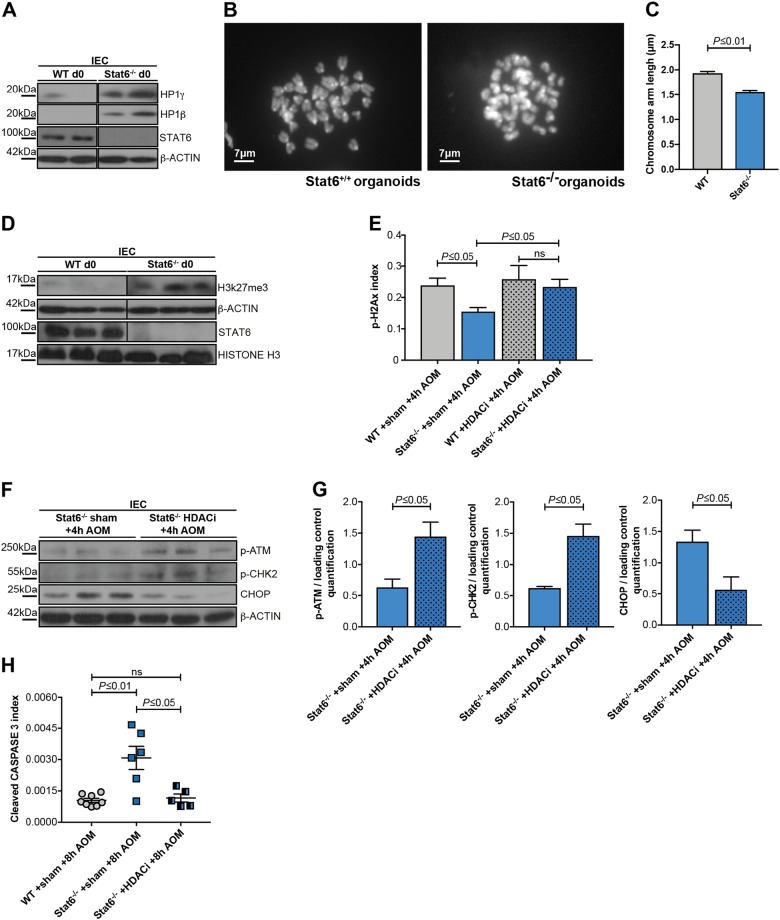
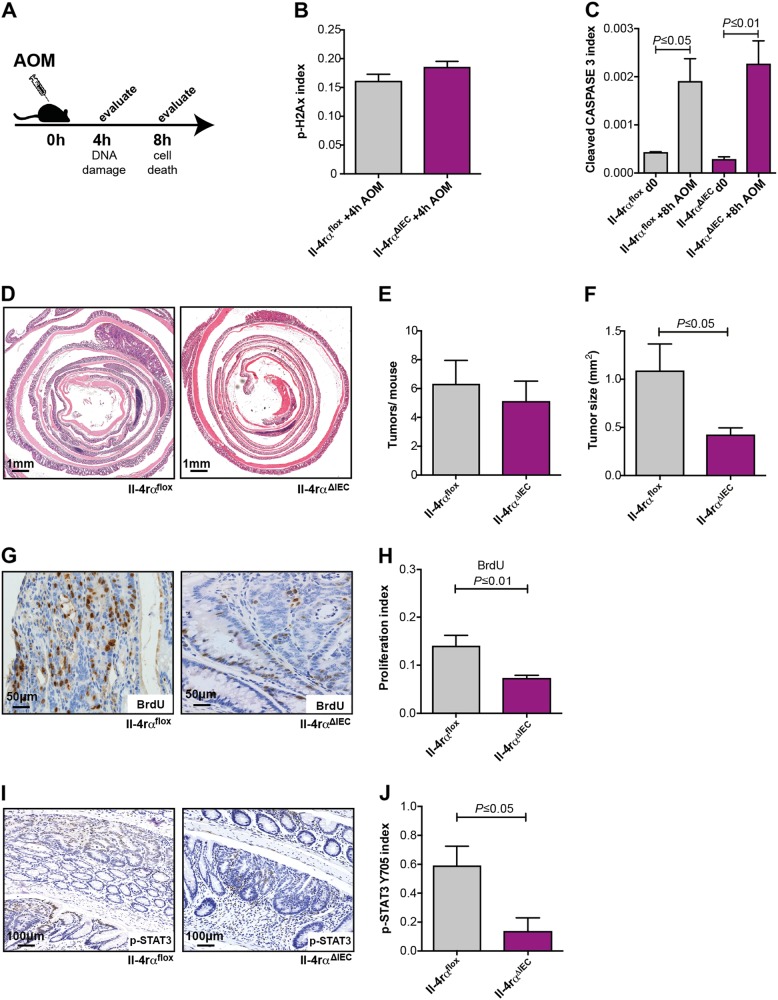
While great advances have been achieved regarding the genetic basis of colorectal cancer, the complex role of cell-cell communication and cytokine-induced signaling during its pathogenesis remains less understood. Signal transducer and activator of transcription 6 (Stat6) is the main transcription factor of interleukin-4 (IL-4) signaling and its participation in the development of various tumor types has been already reported. Here we aimed to examine the contribution of Stat6 in intestinal epithelial cells (IEC) in mouse models of intestinal carcinogenesis. Wild-type (WT), Stat6 knockout (Stat6), and intestinal epithelial cell-specific IL-4Rα knockout (Il-4rα) mice were subjected to colitis-associated (AOM/DSS) and colitis-independent (sporadic) carcinogenesis. IEC proliferation, apoptosis and RNA expression were evaluated by immunohistochemical, immunoblot, and RT-PCR analysis. We found that Stat6 mice developed more tumors in the colitis-associated carcinogenesis model. This was accompanied by a more pronounced inflammatory response during colitis and an elevated Stat3-dependent proliferation of IEC. Increased sensitivity to DSS-induced colitis was caused by elevated cell death in response to the initial carcinogen exposure as Stat6 deficiency led to increased chromatin compaction affecting DNA damage response in IEC upon treatment with alkylating agents independently of IL-4Rα engagement. Thus, loss of Stat6 caused more severe colitis and increased tumor load, however loss-of-initiated Stat6 IEC prevented tumor formation in the absence of overt inflammation. Our data unravel unexpected IL-4-independent functions of Stat6 in chromatin compaction in intestinal epithelial cells ultimately providing both tumor suppressive as well as tumor promoting effects in different models of intestinal tumorigenesis.
虽然在结直肠癌的遗传基础方面已经取得了很大进展,但细胞间通讯和细胞因子诱导的信号在其发病机制中的复杂作用仍知之甚少。信号转导子和转录激活子 6(Stat6)是白细胞介素 4(IL-4)信号的主要转录因子,其参与各种肿瘤类型的发展已经有报道。在这里,我们旨在研究 Stat6 在肠上皮细胞(IEC)中的作用在小鼠结直肠发生模型中的作用。野生型(WT)、Stat6 敲除(Stat6)和肠上皮细胞特异性 IL-4Rα 敲除(Il-4rα)小鼠分别接受结肠炎相关(AOM/DSS)和非结肠炎相关(散发性)致癌作用。通过免疫组织化学、免疫印迹和 RT-PCR 分析评估 IEC 的增殖、凋亡和 RNA 表达。我们发现 Stat6 小鼠在结肠炎相关致癌模型中发展出更多的肿瘤。这伴随着结肠炎期间更明显的炎症反应和 Stat3 依赖性 IEC 增殖增加。由于初始致癌剂暴露导致细胞死亡增加,Stat6 缺乏导致对烷化剂治疗的 DNA 损伤反应中染色质紧缩增加,这导致对 DSS 诱导的结肠炎的敏感性增加,而 IL-4Rα 参与则不增加。因此,Stat6 的缺失导致更严重的结肠炎和更高的肿瘤负荷,但在没有明显炎症的情况下,起始 Stat6 IEC 的缺失阻止了肿瘤的形成。我们的数据揭示了 Stat6 在肠上皮细胞染色质紧缩中的意想不到的 IL-4 非依赖性功能,最终在不同的结直肠肿瘤发生模型中提供了肿瘤抑制和促进作用。