International Cooperation Laboratory on Signal Transduction, Eastern Hepatobiliary Surgery Hospital, Second Military Medical University, Shanghai, China.
National Center for Liver Cancer, Shanghai, China.
Cell Res. 2019 Jan;29(1):8-22. doi: 10.1038/s41422-018-0103-x. Epub 2018 Oct 25.
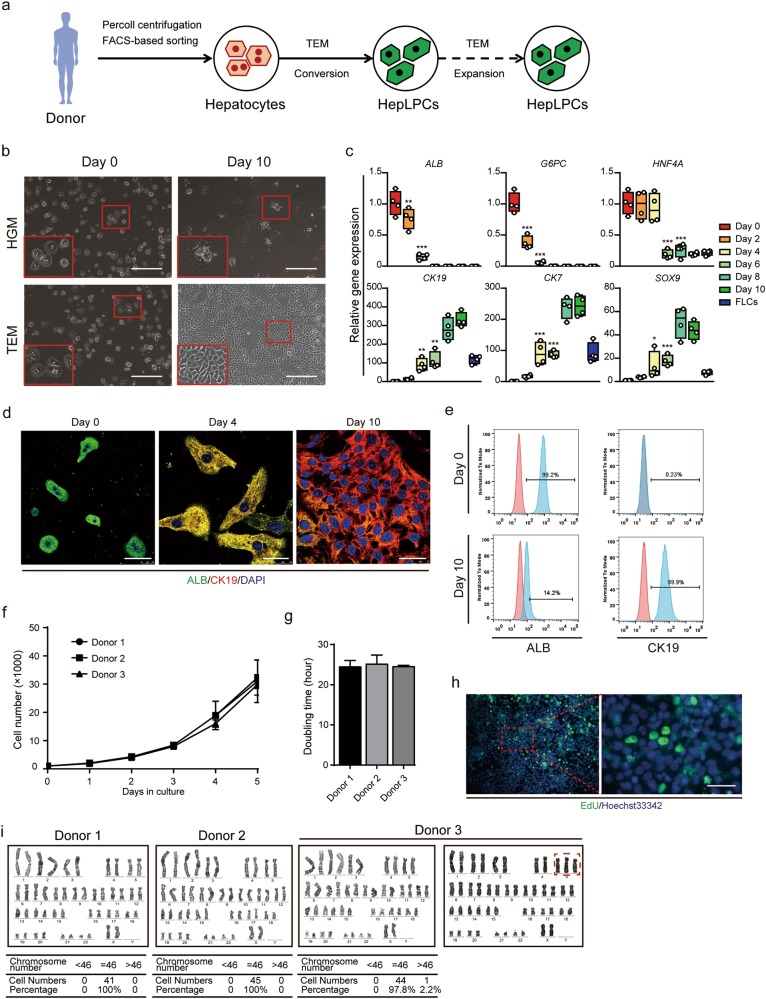
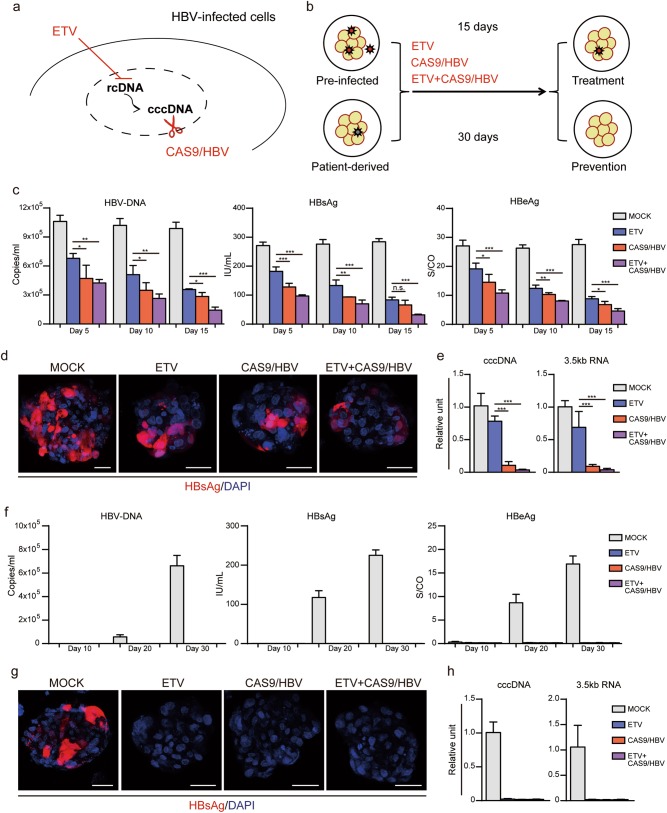
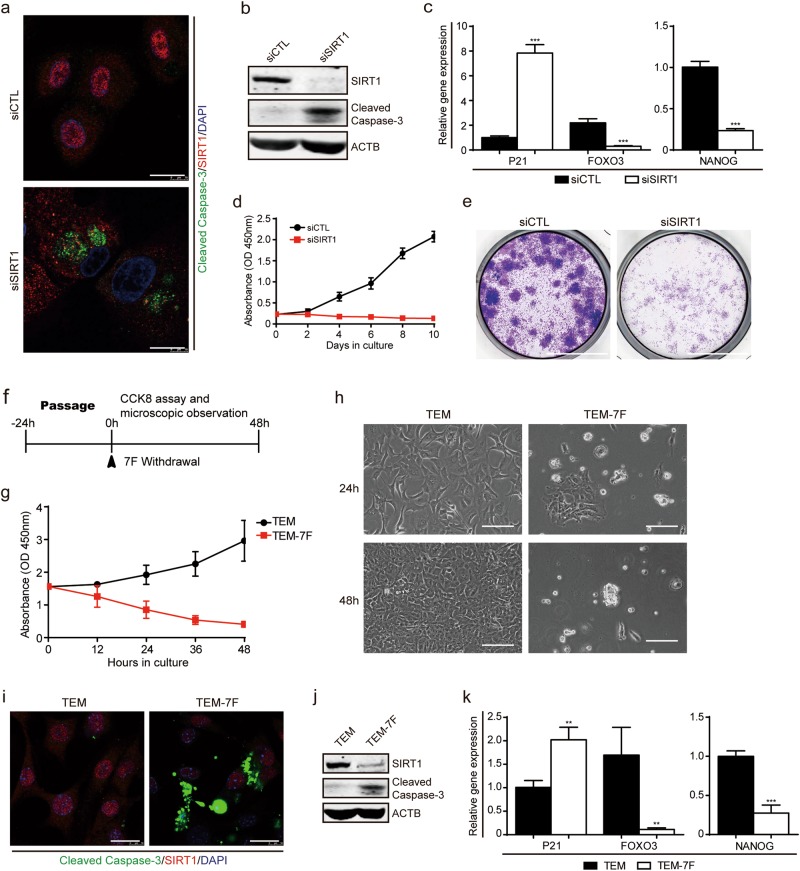
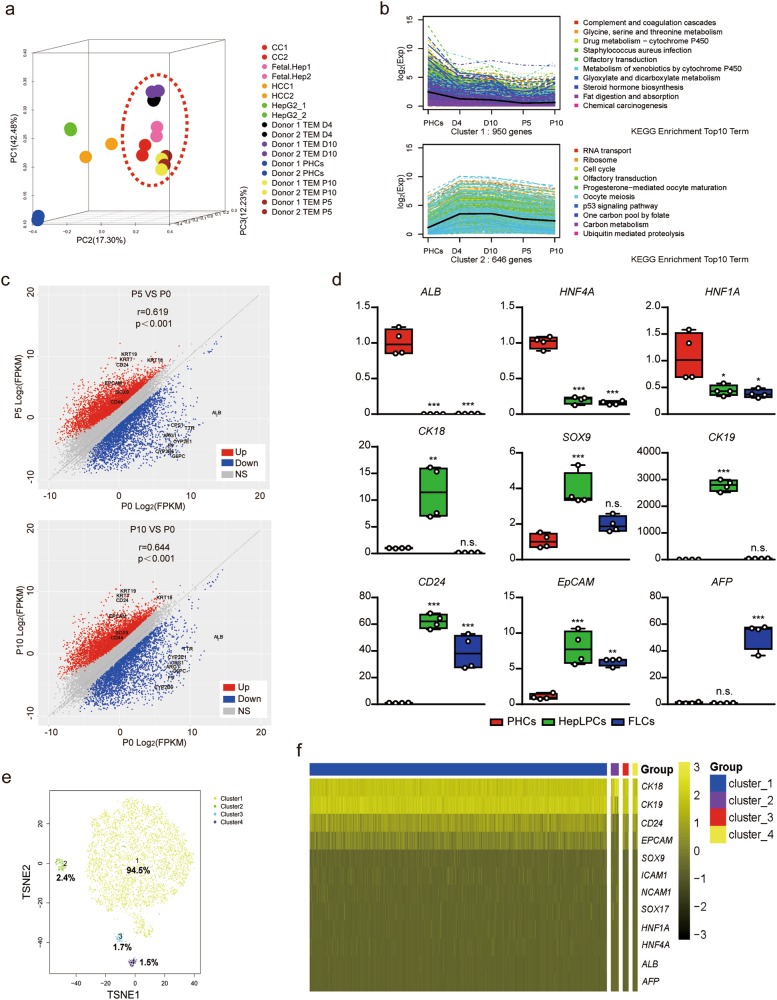
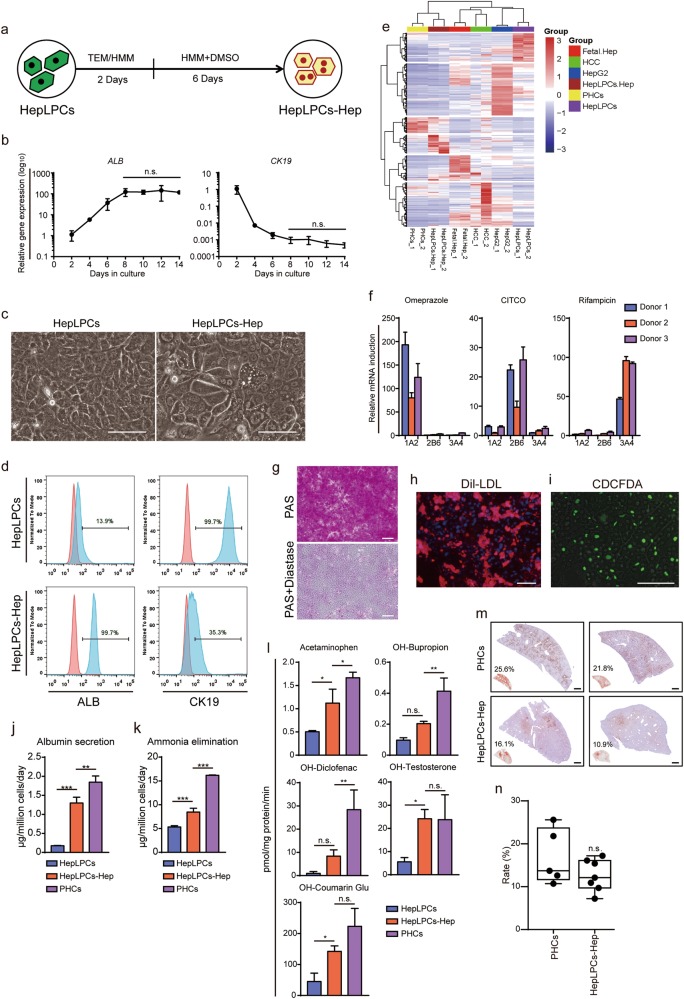
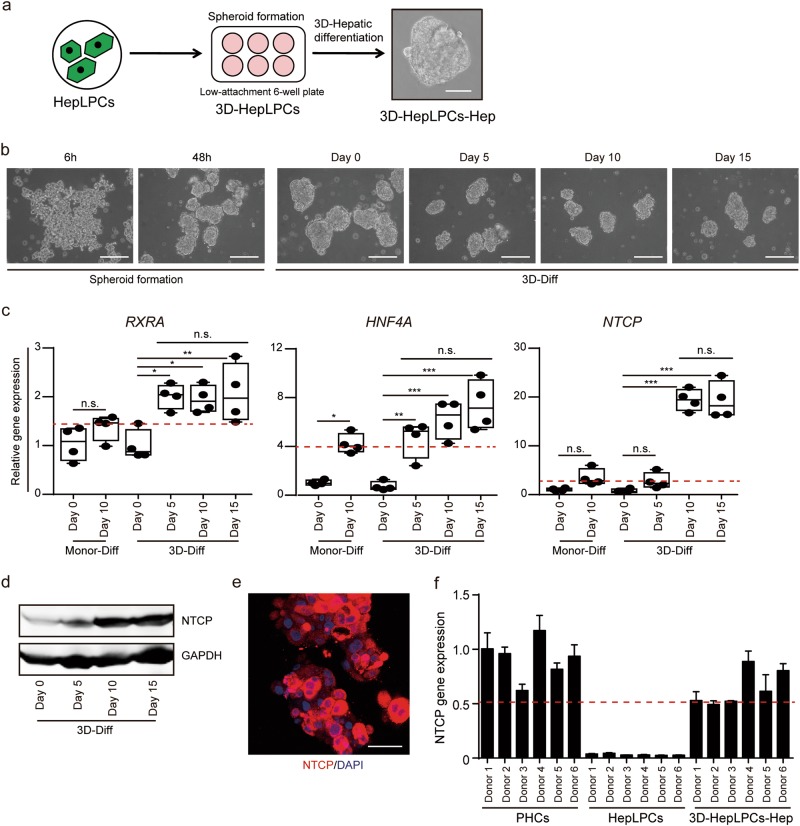
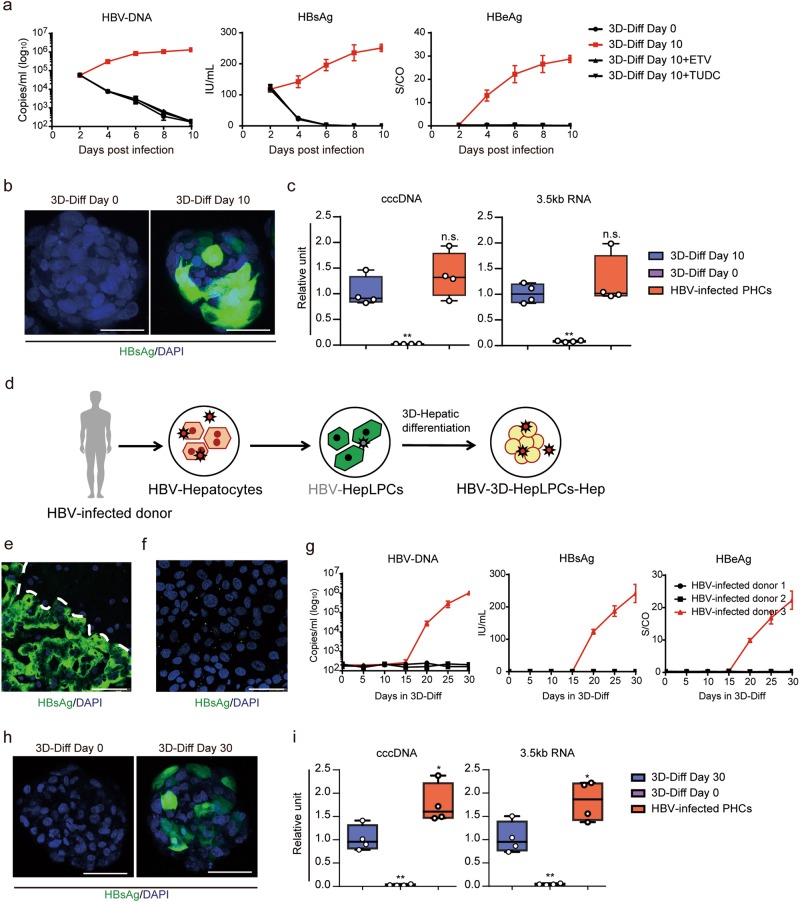
The study of pathophysiological mechanisms in human liver disease has been constrained by the inability to expand primary hepatocytes in vitro while maintaining proliferative capacity and metabolic function. We and others have previously shown that mouse mature hepatocytes can be converted to liver progenitor-like cells in vitro with defined chemical factors. Here we describe a protocol achieving efficient conversion of human primary hepatocytes into liver progenitor-like cells (HepLPCs) through delivery of developmentally relevant cues, including NAD -dependent deacetylase SIRT1 signaling. These HepLPCs could be expanded significantly during in vitro passage. The expanded cells can readily be converted back into metabolically functional hepatocytes in vitro and upon transplantation in vivo. Under three-dimensional culture conditions, differentiated cells generated from HepLPCs regained the ability to support infection or reactivation of hepatitis B virus (HBV). Our work demonstrates the utility of the conversion between hepatocyte and liver progenitor-like cells for studying HBV biology and antiviral therapies. These findings will facilitate the study of liver diseases and regenerative medicine.
人类肝脏疾病的病理生理机制研究一直受到限制,无法在体外扩增原代肝细胞,同时保持增殖能力和代谢功能。我们和其他人之前已经表明,通过使用特定的化学因子,成熟的小鼠肝细胞可以在体外转化为肝祖细胞样细胞。在这里,我们描述了一种通过传递发育相关信号,包括 NAD 依赖性去乙酰化酶 SIRT1 信号,高效将人原代肝细胞转化为肝祖细胞样细胞(HepLPCs)的方案。这些 HepLPCs 在体外传代过程中可以显著扩增。扩增的细胞可以很容易地在体外重新转化为代谢功能正常的肝细胞,并在体内移植后恢复功能。在三维培养条件下,从 HepLPCs 分化生成的细胞恢复了支持乙型肝炎病毒(HBV)感染或再激活的能力。我们的工作证明了肝细胞与肝祖细胞样细胞之间的转化在研究 HBV 生物学和抗病毒治疗中的应用价值。这些发现将有助于肝脏疾病和再生医学的研究。