Biomedical Research Center, Qatar University, Qatar.
College of Art and Science, Department of Biology, Qatar University, Qatar.
Biomed Res Int. 2018 Sep 27;2018:1642684. doi: 10.1155/2018/1642684. eCollection 2018.
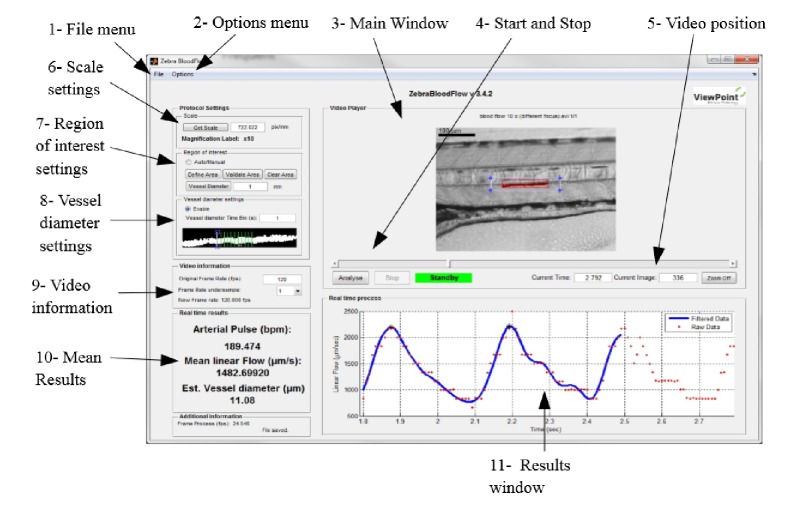
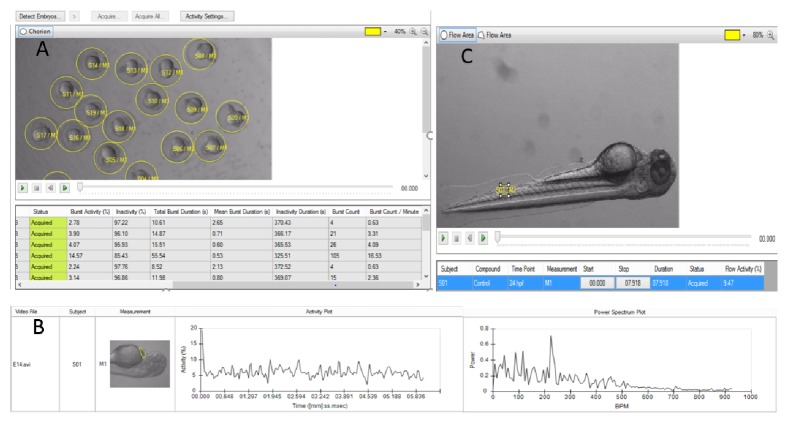
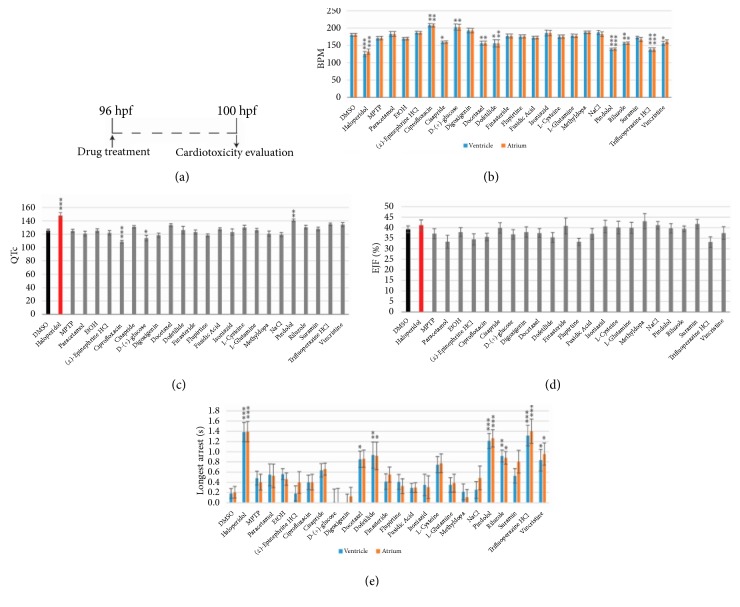
Over the last decade, the zebrafish () has emerged as a model organism for cardiovascular research. Zebrafish have several advantages over mammalian models. For instance, the experimental cost of using zebrafish is comparatively low; the embryos are transparent, develop externally, and have high fecundity making them suitable for large-scale genetic screening. More recently, zebrafish embryos have been used for the screening of a variety of toxic agents, particularly for cardiotoxicity testing. Zebrafish has been shown to exhibit physiological responses that are similar to mammals after exposure to medicinal drugs including xenobiotics, hormones, cancer drugs, and also environmental pollutants, including pesticides and heavy metals. In this review, we provided a summary for recent studies that have used zebrafish to investigate the molecular mechanisms of drug-induced cardiotoxicity. More specifically, we focused on the techniques that were exploited by us and others for cardiovascular toxicity assessment and described several microscopic imaging and analysis protocols that are being used for the estimation of a variety of cardiac hemodynamic parameters.
在过去的十年中,斑马鱼()已成为心血管研究的模式生物。斑马鱼相对于哺乳动物模型具有几个优势。例如,使用斑马鱼的实验成本相对较低;胚胎是透明的,在外部发育,并且具有高繁殖力,使其适合大规模的遗传筛选。最近,斑马鱼胚胎已被用于各种毒性剂的筛选,特别是用于心脏毒性测试。已经表明,斑马鱼在暴露于包括外源性化学物质、激素、癌症药物以及环境污染物(包括农药和重金属)在内的药物后,会表现出类似于哺乳动物的生理反应。在这篇综述中,我们总结了最近使用斑马鱼研究药物诱导的心脏毒性的分子机制的研究。更具体地说,我们专注于我们和其他人用于心血管毒性评估的技术,并描述了几种正在用于估计各种心脏血流动力学参数的显微镜成像和分析方案。