Department of Animal Sciences, Faculty of Biological Sciences, Quaid-i-Azam University, Islamabad, Pakistan.
Department of Community Health Sciences, College of Applied Medical Sciences, King Saud University, Riyadh, Saudi Arabia.
BMC Cancer. 2018 Oct 26;18(1):1043. doi: 10.1186/s12885-018-4959-4.
New approaches for the prevention of colon cancer perseveres an essential necessity. Though, resistance to existing chemo-preventive drugs is moderately predominant in colon carcinogenesis. Taxifolin (dihydroquercetin) is a flavononol, have shown virile biological activities against few cancers. The current study was designed to investigate and equate antitumor activity of Taxifolin (TAX) in colorectal cancer cell lines and in HCT116 xenograft model in a comprehensive approach.
Two human colorectal cancer cell lines HCT116 and HT29, were used. 3-(4, 5-dimethylthiazol-2-yl)-2, 5-diphenyl tetrazoliumbromide (MMT) protocol was performed to elucidate the impact of TAX and β- catenin inhibitor (FH535) on the viability of HCT116 and HT29 cell lines. Apoptosis /cell cycle assay was performed. Data interpretation was done with a FACScan (Becton Dickinson, NJ). About 1 × 10 cells per sample were harvested. Histograms of DNA were analyzed with ModiFitLT software (verity Software House, ME, USA). Western blotting and RT-PCR were performed for protein and gene expression respectively in in vitro and in vivo.
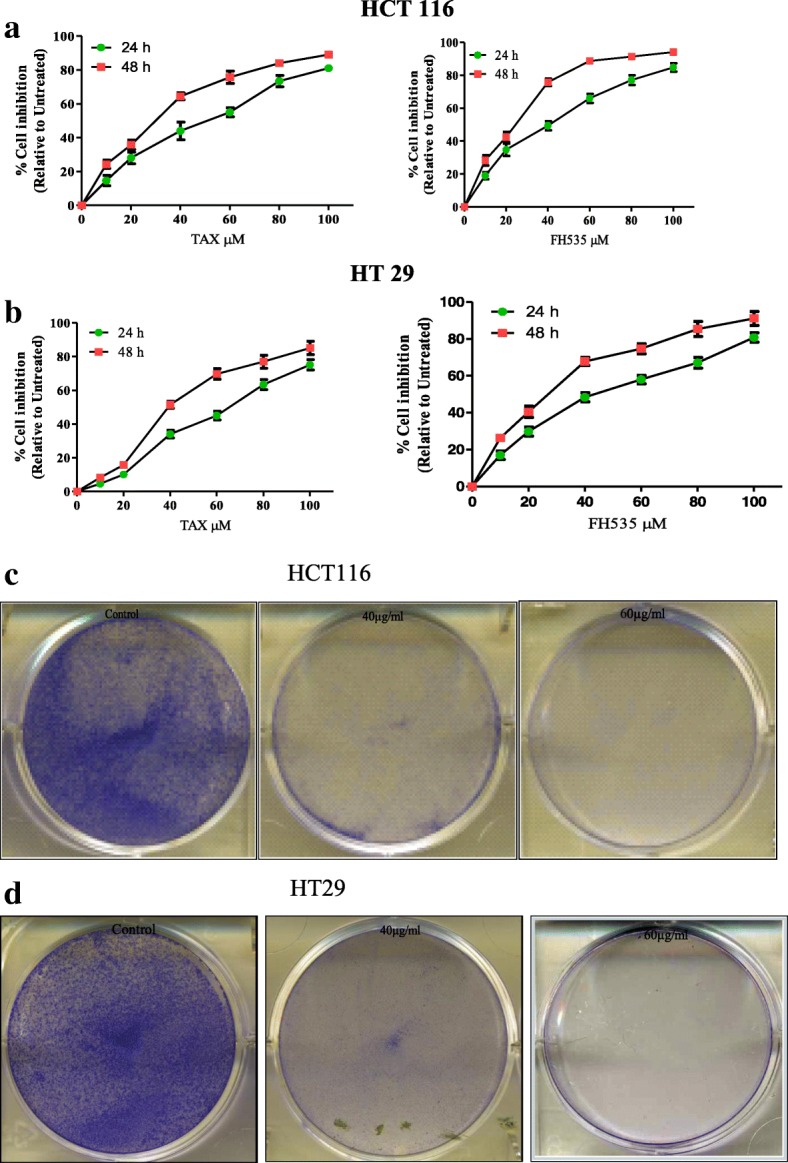
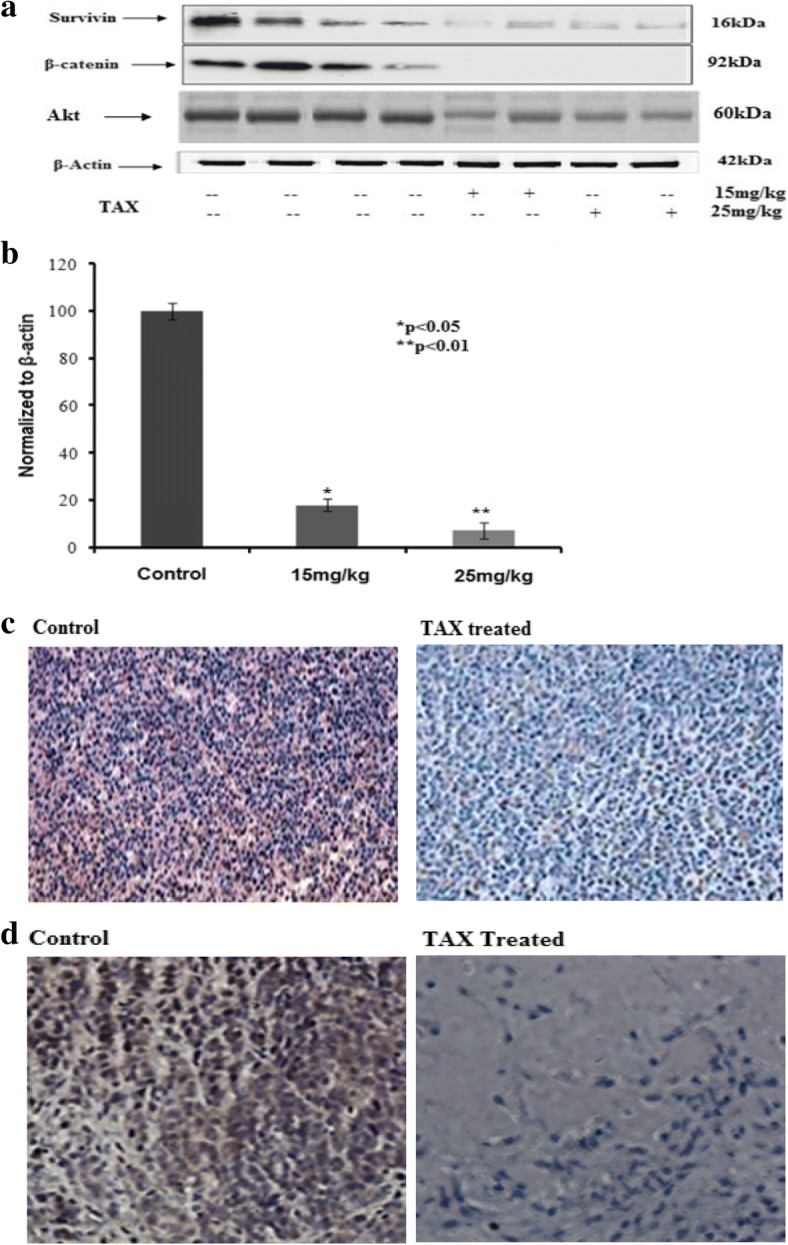
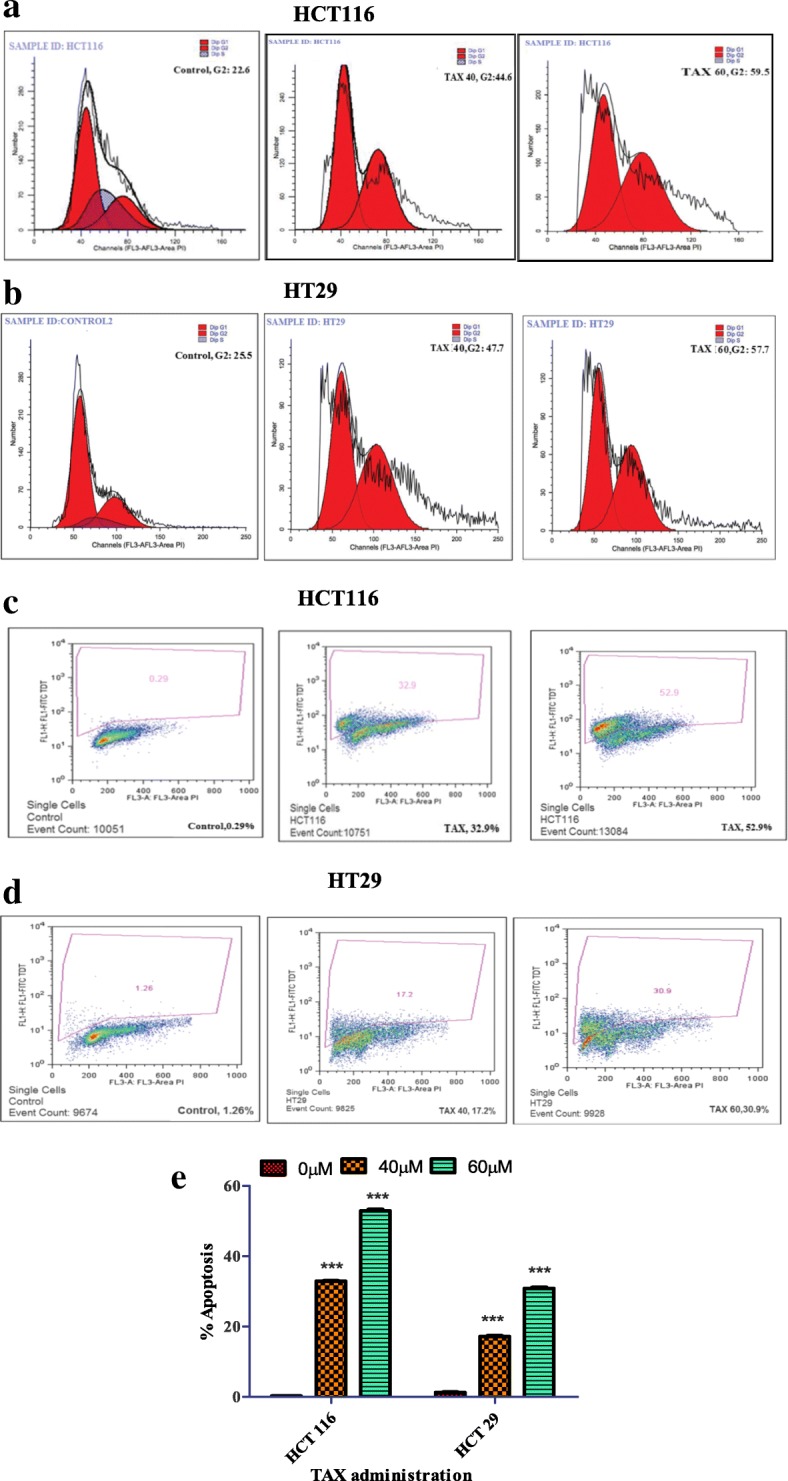
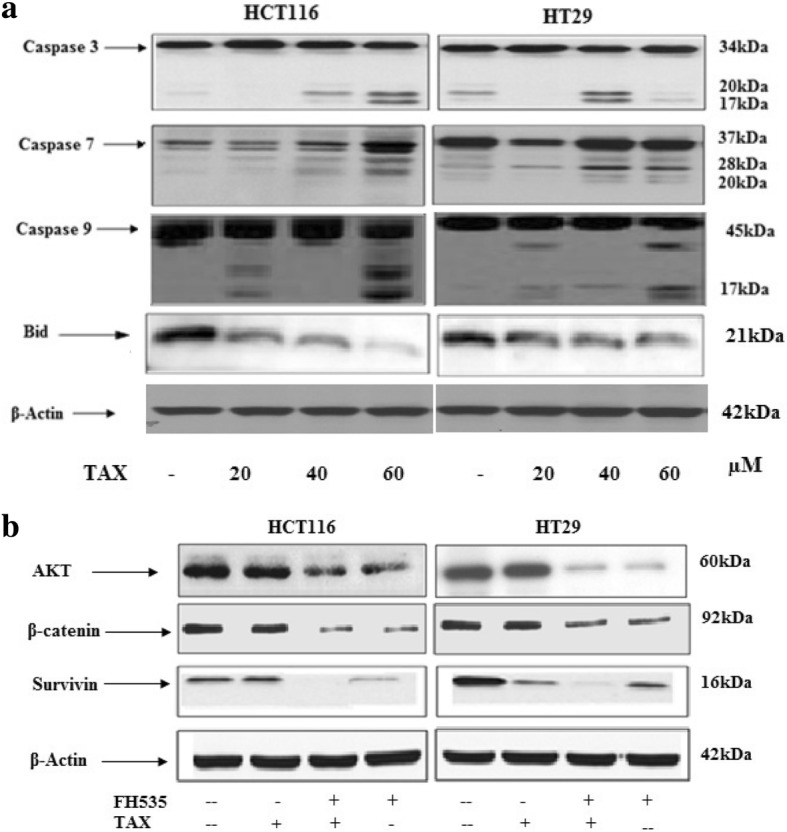
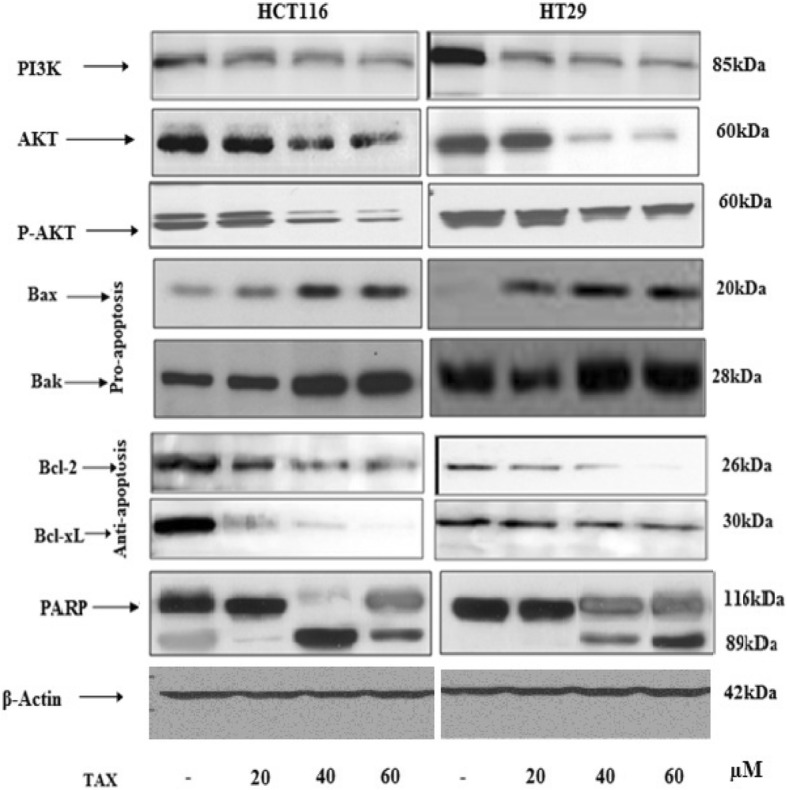
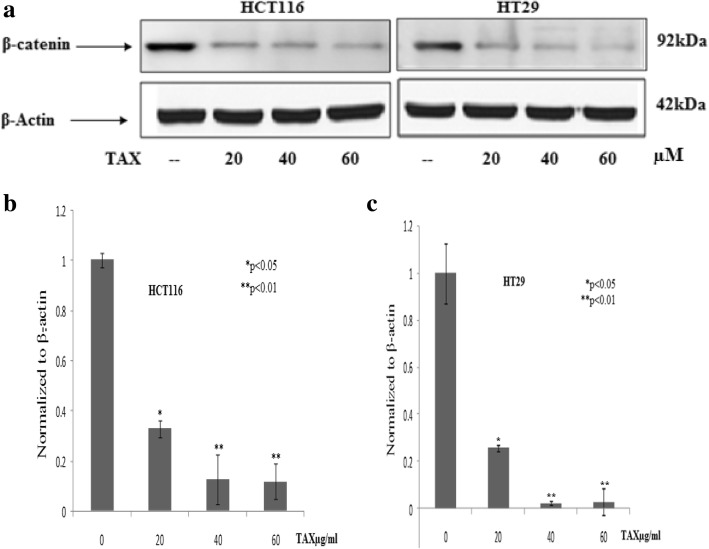
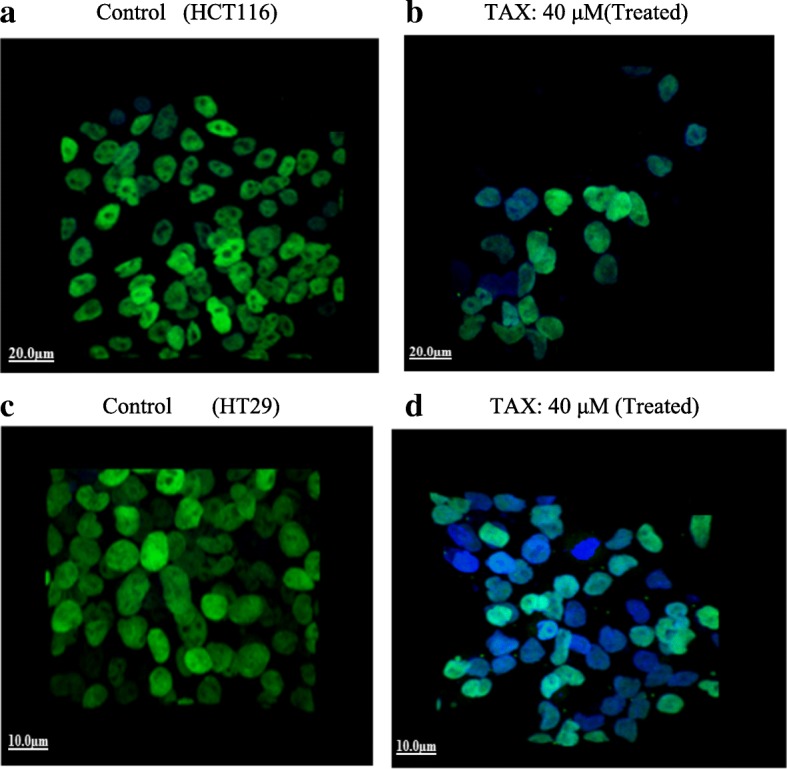
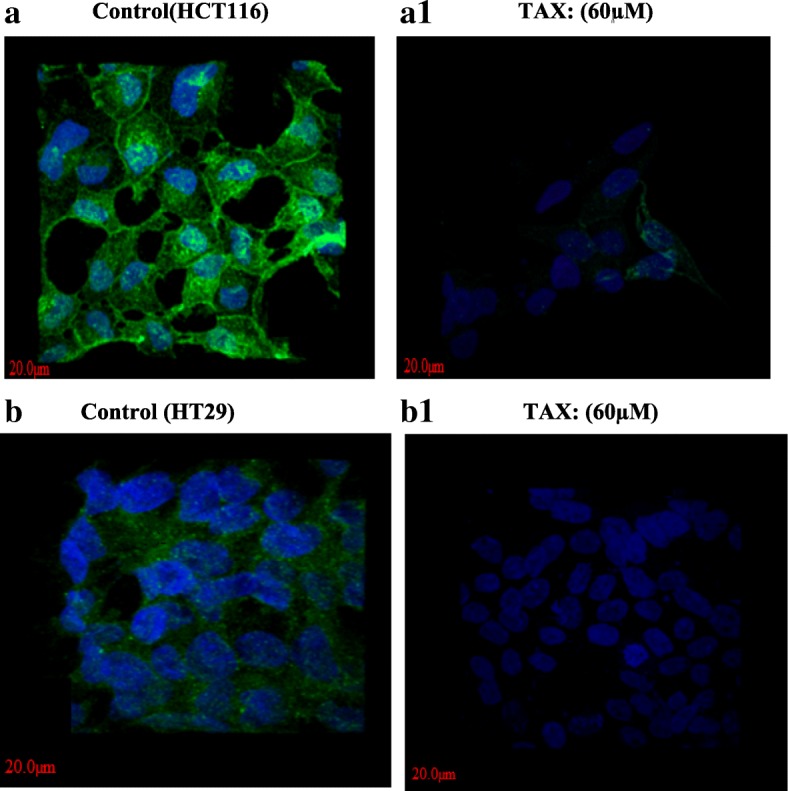
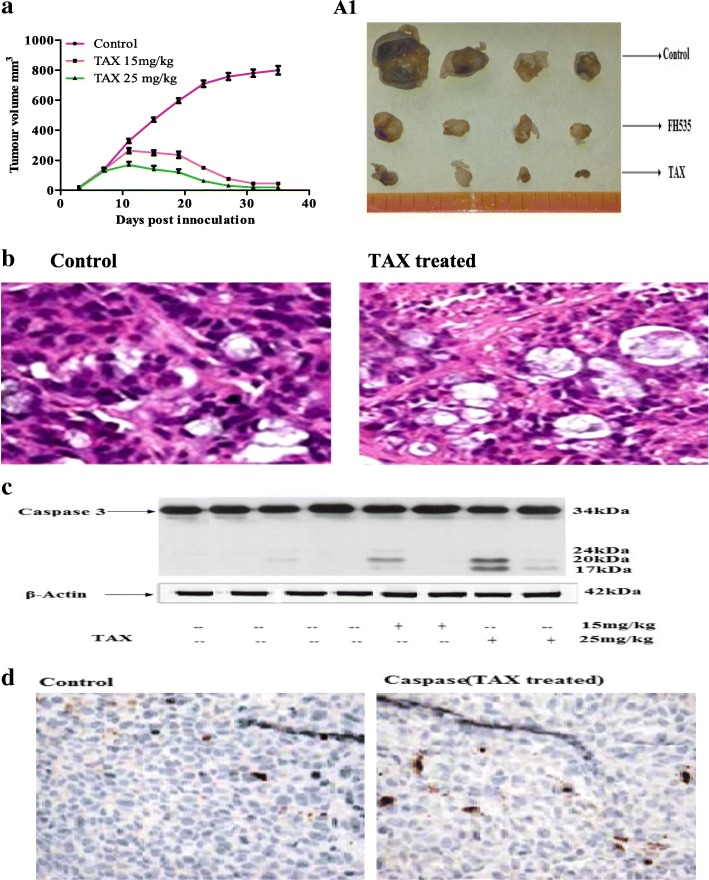
We found that TAX induced cytotoxicity in colorectal cells in a dose-dependent manner and time dependent approach. Further, our data validated that administration of TAX to human colorectal cancer HCT116 and HT29 cells resulted in cell growth arrest, variation in molecules controlling cell cycle operative in the G2 phase of the cell cycle and apoptosis in a concentration dependent approach. Further our results concluded that TAX administration decreases expression of β-catenin gene, AKT gene and Survivin gene and protein expression in in vitro and in vivo.
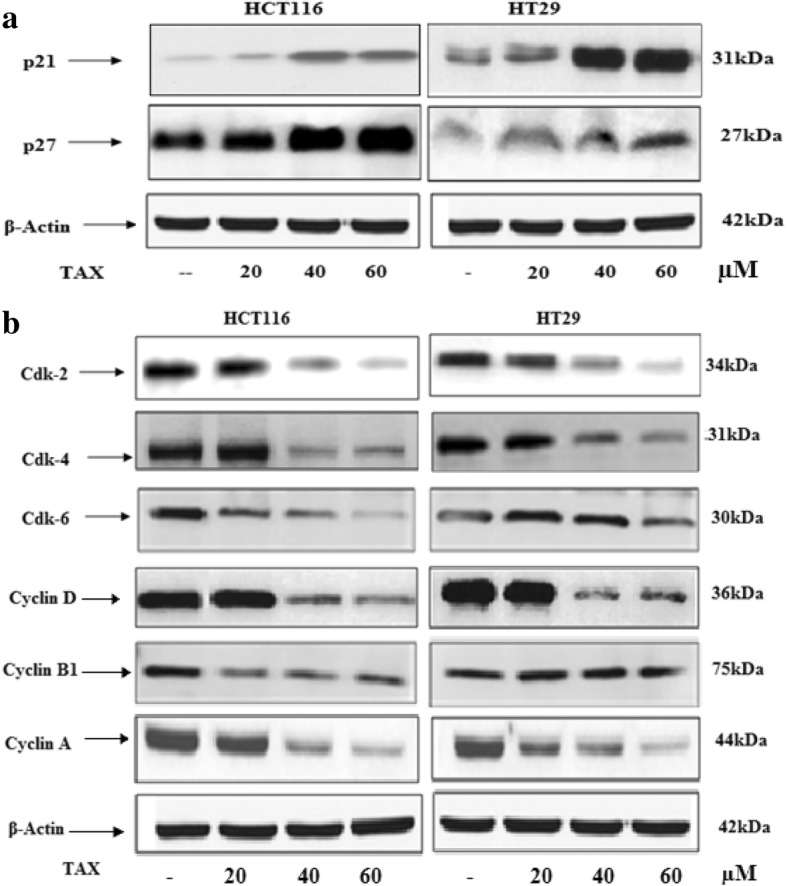
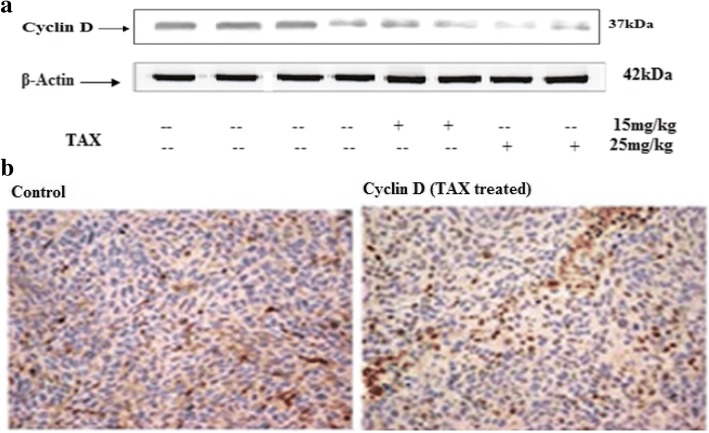
Our findings proposed that targeting β-catenin gene may encourage the alterations of cell cycle and cell cycle regulators. Wnt/β-catenin signaling pathway possibly takes part in the genesis and progression of colorectal cancer cells through regulating cell cycle and the expression of cell cycle regulators.
预防结肠癌的新方法仍然是必要的。然而,在结肠癌的发生过程中,对现有化学预防药物的耐药性是相当普遍的。山柰酚(二氢槲皮素)是一种类黄酮醇,对几种癌症具有强大的生物活性。本研究旨在通过综合方法研究和比较山柰酚(TAX)在结直肠癌细胞系和 HCT116 异种移植模型中的抗肿瘤活性。
使用两种人结肠癌细胞系 HCT116 和 HT29。通过 3-(4,5-二甲基噻唑-2-基)-2,5-二苯基四氮唑溴盐(MMT)方案阐明 TAX 和 β-连环蛋白抑制剂(FH535)对 HCT116 和 HT29 细胞系活力的影响。进行凋亡/细胞周期测定。使用 FACScan(Becton Dickinson,NJ)进行数据解释。每个样本采集约 1×10 个细胞。使用 ModifitLT 软件(verity Software House,ME,USA)分析 DNA 直方图。进行 Western blot 和 RT-PCR 分别用于体外和体内的蛋白和基因表达。
我们发现 TAX 以剂量依赖和时间依赖的方式诱导结肠癌细胞的细胞毒性。此外,我们的数据验证了 TAX 给药到人结肠癌细胞 HCT116 和 HT29 导致细胞生长停滞,控制细胞周期分子在细胞周期 G2 期发生变化,以及凋亡呈浓度依赖性。此外,我们的结果得出结论,TAX 给药可降低 β-连环蛋白基因、AKT 基因和 Survivin 基因和蛋白在体外和体内的表达。
我们的研究结果表明,靶向 β-连环蛋白基因可能会促使细胞周期和细胞周期调节剂发生变化。Wnt/β-连环蛋白信号通路可能通过调节细胞周期和细胞周期调节剂的表达参与结直肠癌细胞的发生和进展。