Razak Suhail, Afsar Tayyaba, Almajwal Ali, Alam Iftikhar, Jahan Sarwat
1Department of Animal Sciences, Faculty of Biological Sciences, Quaid-i-Azam University, Islamabad, Pakistan.
2Department of Community Health Sciences, College of Applied Medical Sciences, King Saud University, Riyadh, Kingdom of Saudi Arabia.
Cell Biosci. 2019 Feb 1;9:15. doi: 10.1186/s13578-019-0277-z. eCollection 2019.
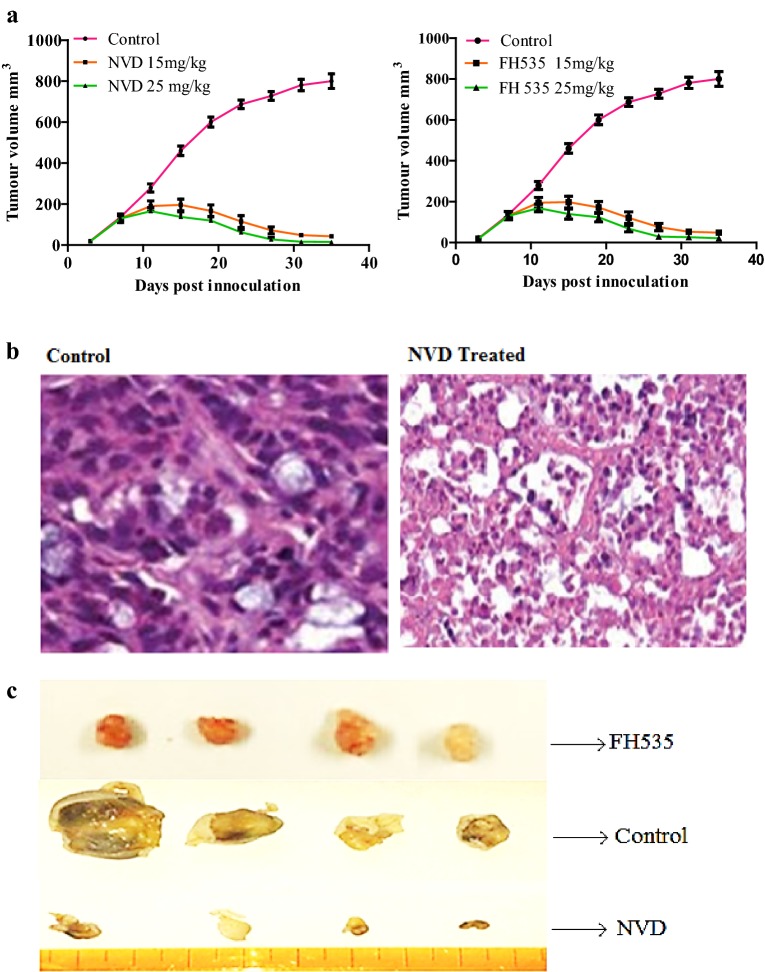
More than the two decades, the question of whether vitamin D has a role in cancer frequency, development, and death has been premeditated in detail. Colorectal, breast, and prostate cancers have been a scrupulous spot of center, altogether, these three malignancies report for approximately 35% of cancer cases and 20% of cancer demises in the United States, and as such are a chief public health apprehension. The aim was to evaluate antitumor activity of Vitamin D-Nanoemulsion (NVD) in colorectal cancer cell lines and HCT116 xenograft model in a comprehensive approach.
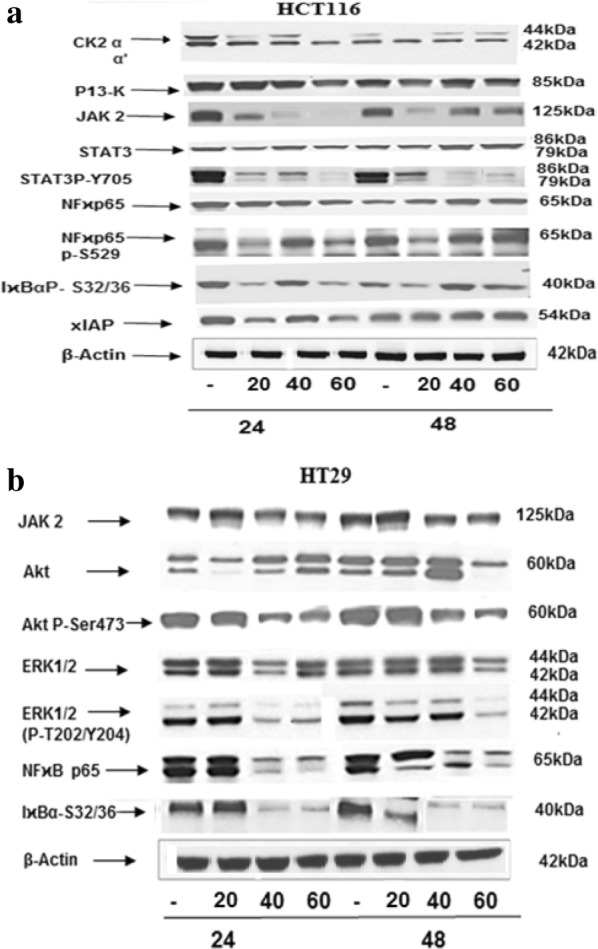
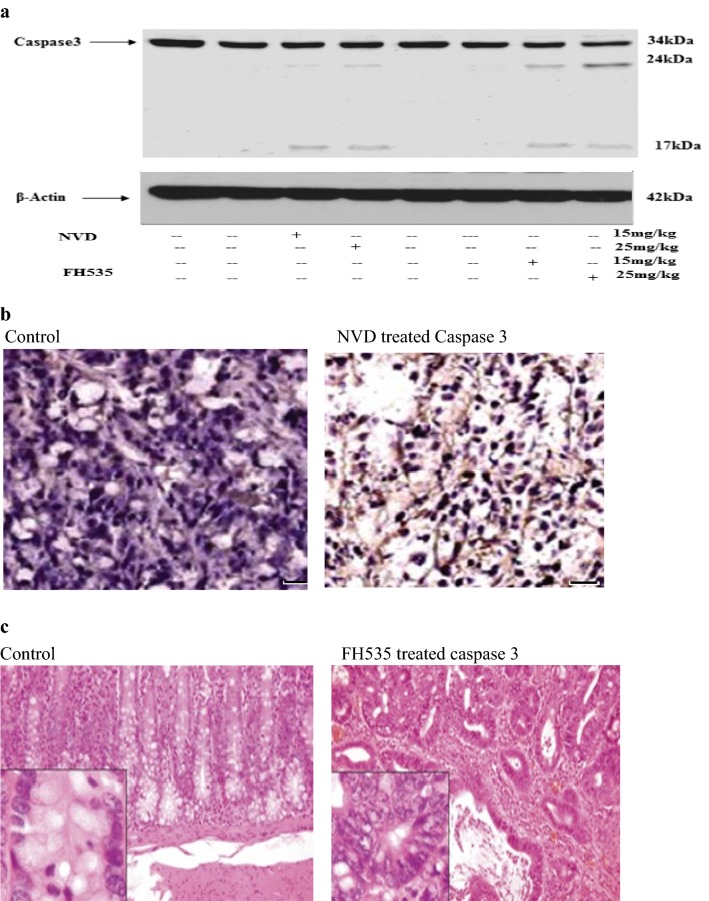
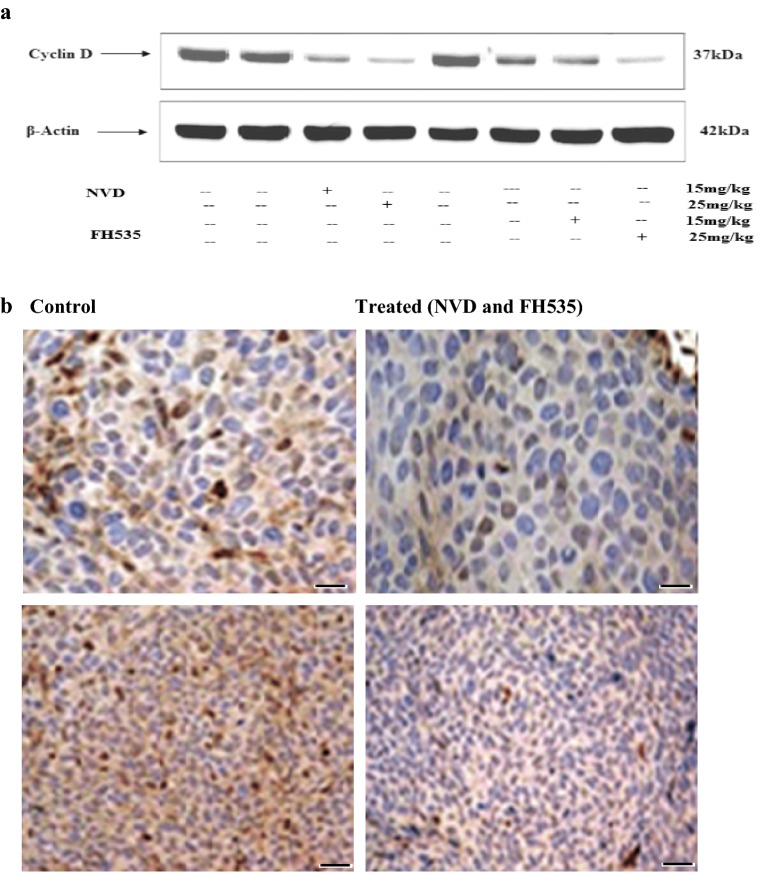
Two human colorectal cancer cell lines HCT116 and HT29 (gained from College of Pharmacy, King Saud University, KSA were grown. 3-(4, 5-dimethylthiazol-2-yl)-2, 5-diphenyl tetrazoliumbromide protocol were performed to show the impact of NVD and β-catenin inhibitor (FH535) on the viability of HCT116 and HT29 cell lines. Apoptosis/cell cycle assay was performed. Analysis was done with a FACScan (Becton-Dickinson, NJ). About 10,000 cells per sample were harvested and Histograms of DNA were analyzed with ModiFitLT software (verity Software House, ME, USA). Western blotting and RT-PCR were performed for protein and gene expression respectively in in vitro and in vivo.
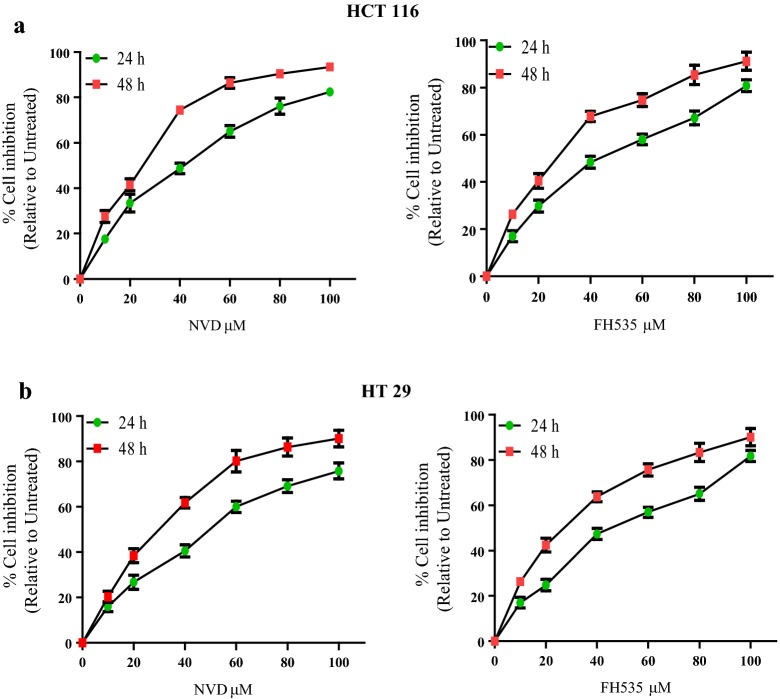
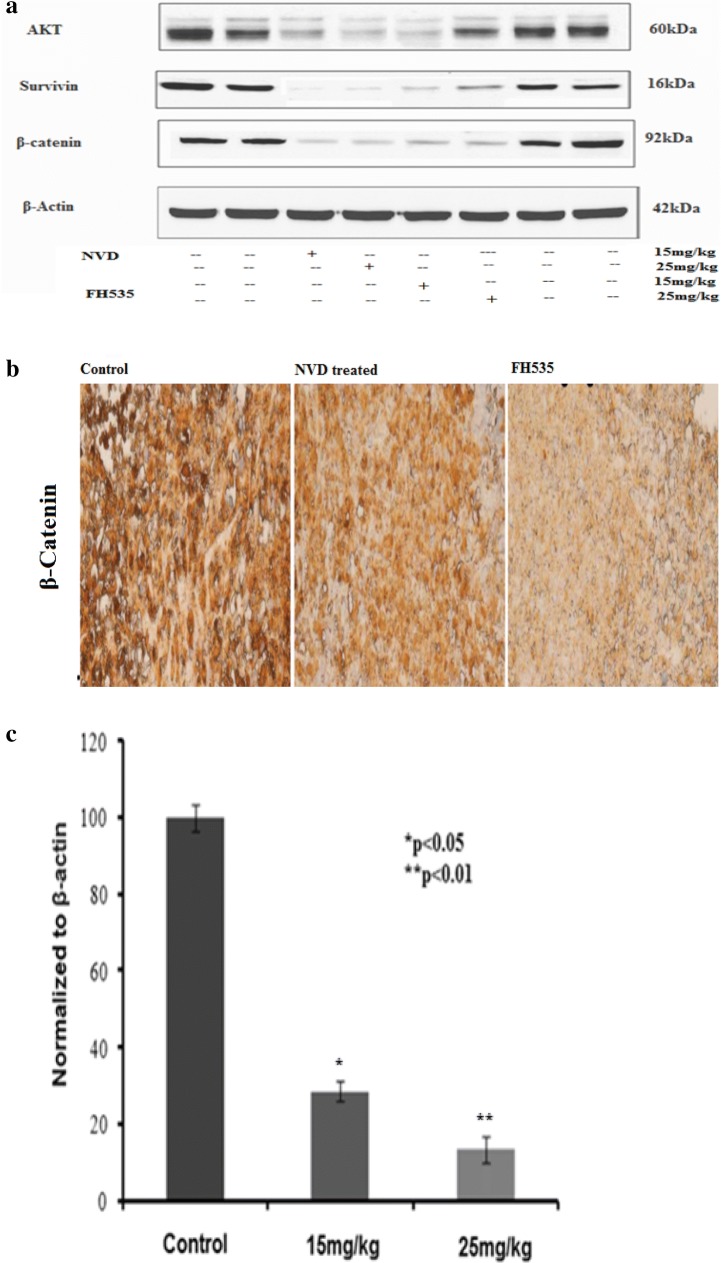
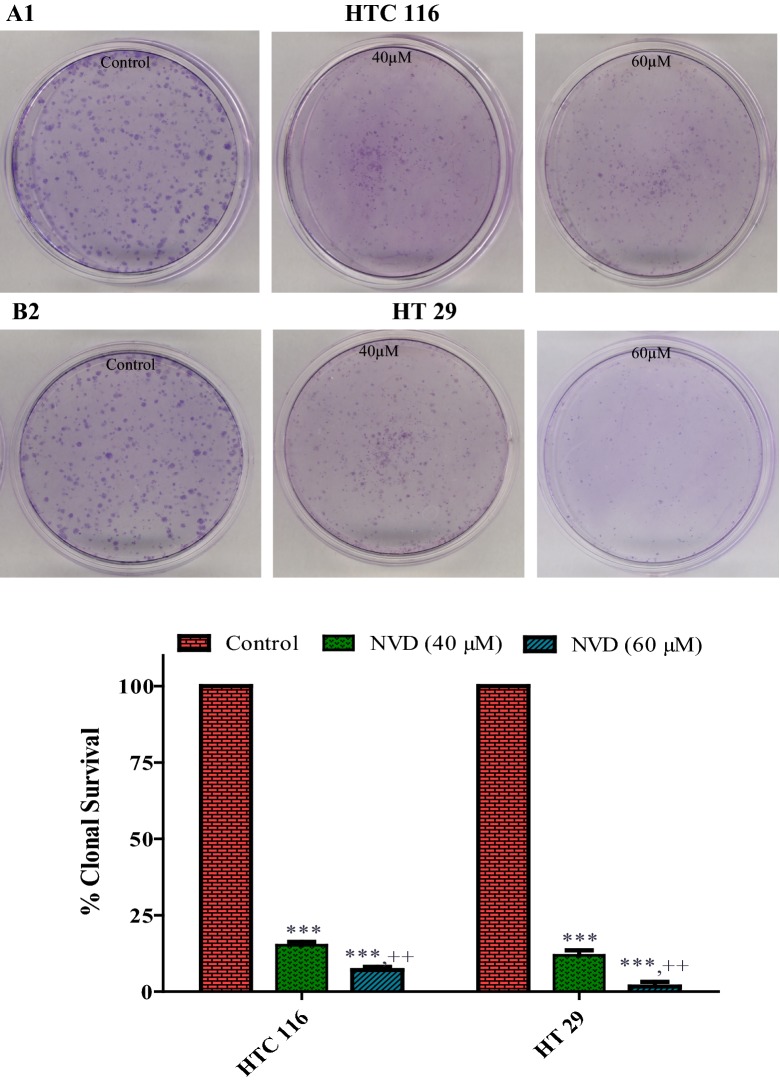
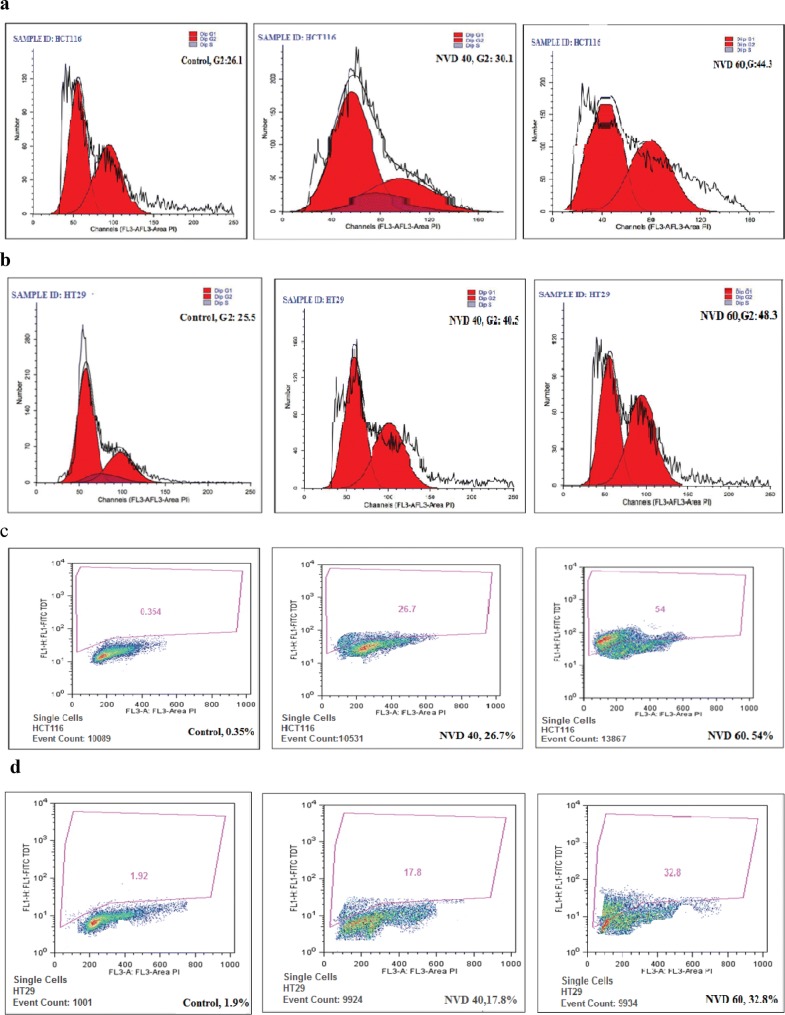
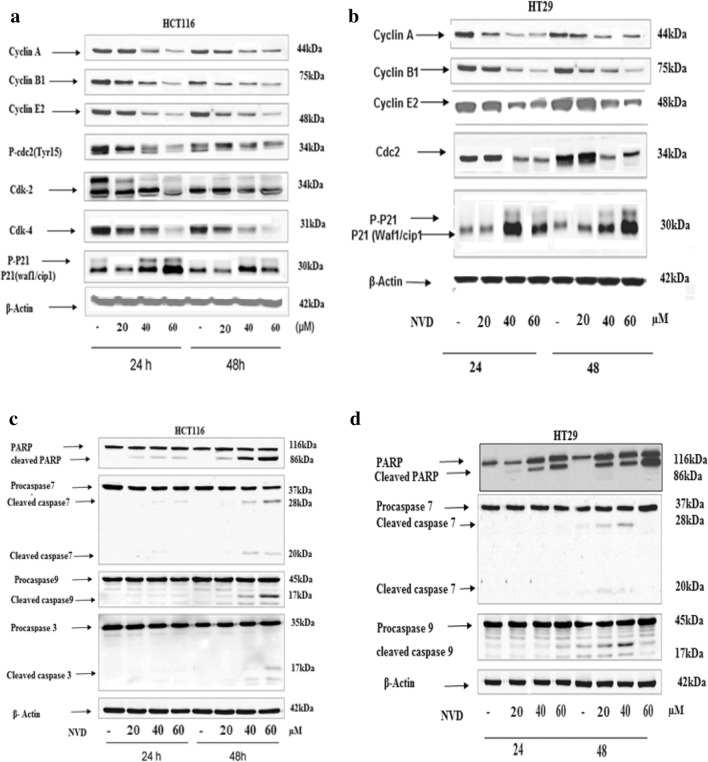
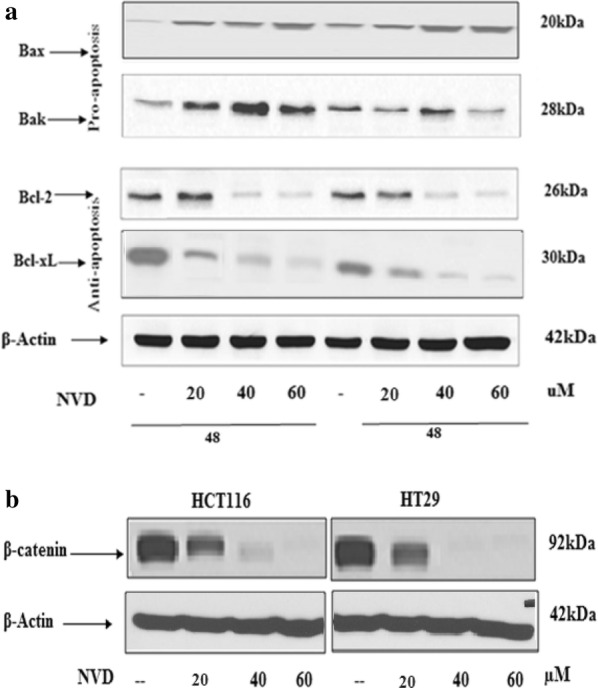
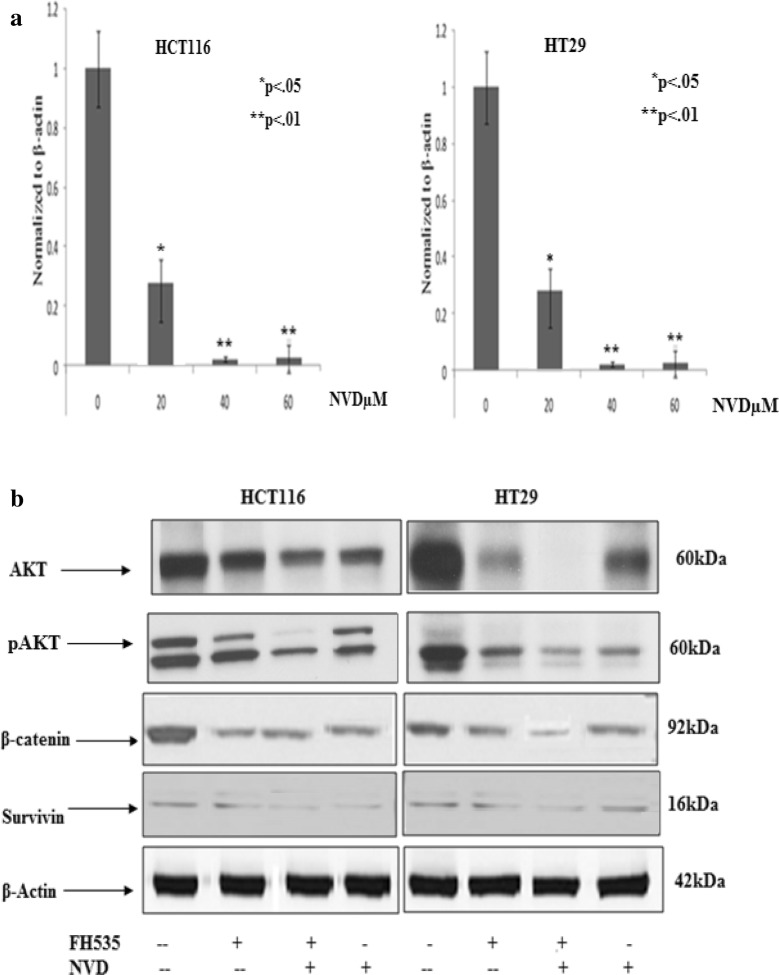
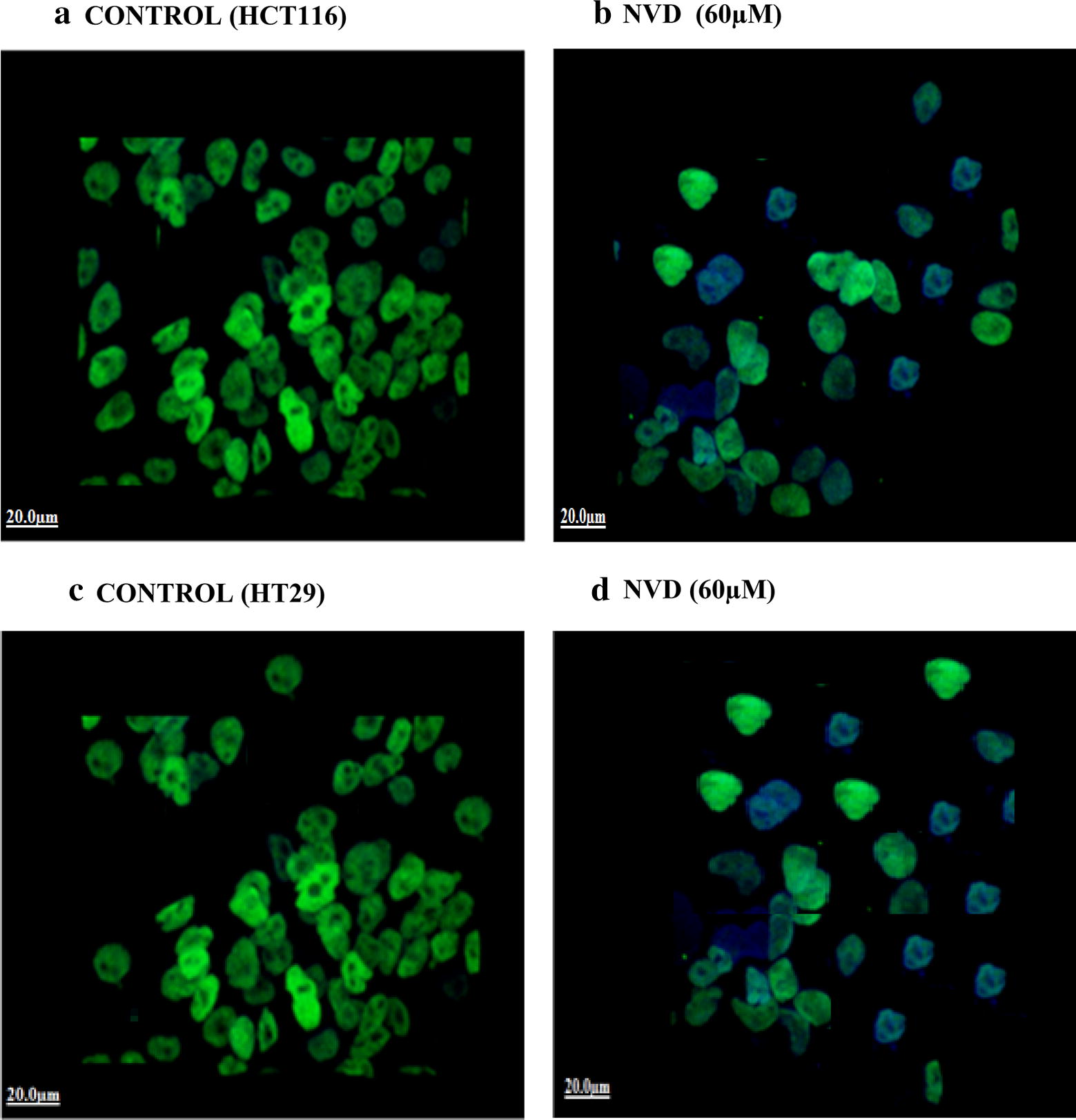
We found that NVD induced cytotoxicity in colorectal cells in a dose-dependent manner and time dependent approach. Further, our data validated that NVD administration of human colorectal cancer HCT116 and HT29 cells resulted in cell growth arrest, alteration in molecules regulating cell cycle operative in the G2 phase of the cell cycle and apoptosis in a dose dependent approach. Further our results concluded that NVD administration decreases expression of β- gene gene gene and protein expression in in vitro and in vivo.
Our findings suggest that targeting β-catenin gene may encourage the alterations of cell cycle and cell cycle regulators. Wnt/- signaling pathway possibly takes part in the genesis and progression of colorectal cancer cells through regulating cell cycle and the expression of cell cycle regulators.
二十多年来,维生素D在癌症发生率、发展及死亡方面是否起作用这一问题已得到详细考量。结直肠癌、乳腺癌和前列腺癌一直是重点关注对象,在美国,这三种恶性肿瘤约占癌症病例的35%以及癌症死亡病例的20%,因此是主要的公共卫生担忧问题。本研究旨在全面评估维生素D纳米乳剂(NVD)在结直肠癌细胞系和HCT116异种移植模型中的抗肿瘤活性。
培养两个人结直肠癌细胞系HCT116和HT29(源自沙特国王大学药学院)。采用3-(4,5-二甲基噻唑-2-基)-2,5-二苯基四氮唑溴盐法检测NVD和β-连环蛋白抑制剂(FH535)对HCT116和HT29细胞系活力的影响。进行凋亡/细胞周期检测。使用FACScan(Becton-Dickinson,新泽西州)进行分析。每个样本收集约10000个细胞,并用ModiFitLT软件(美国缅因州Verity Software House公司)分析DNA直方图。分别在体外和体内进行蛋白质印迹法和逆转录-聚合酶链反应检测蛋白质和基因表达。
我们发现NVD以剂量和时间依赖性方式诱导结直肠癌细胞产生细胞毒性。此外,我们的数据证实,对人结直肠癌HCT116和HT29细胞给予NVD会导致细胞生长停滞,调节细胞周期的分子在细胞周期G2期发生改变,并呈剂量依赖性诱导凋亡。此外,我们的结果表明,在体外和体内给予NVD会降低β-基因的基因和蛋白质表达。
我们的研究结果表明,靶向β-连环蛋白基因可能会促进细胞周期和细胞周期调节因子的改变。Wnt/β-连环蛋白信号通路可能通过调节细胞周期和细胞周期调节因子的表达参与结直肠癌细胞的发生和发展。