Jiangsu Key Laboratory of Brain Disease Bioinformation, Research Center for Biochemistry and Molecular Biology, Xuzhou Medical University, Xuzhou, 221004, Jiangsu, People's Republic of China.
Jiangsu Key Laboratory of Immunity and Metabolism, Department of Pathogen Biology and Immunology and Laboratory of Infection and Immunity, Xuzhou Medical University, Xuzhou, 221004, Jiangsu, People's Republic of China.
J Neuroinflammation. 2018 Oct 31;15(1):303. doi: 10.1186/s12974-018-1343-x.
HIV-associated neurocognitive disorder (HAND) is a neurodegenerative disease associated with persistent neuroinflammation and subsequent neuron damage. Pro-inflammatory factors and neurotoxins from activated astrocytes by HIV-1 itself and its encoded proteins, including the negative factor (Nef), are involved in the pathogenesis of HAND. This study was designed to find potential lncRNAs that regulate astrocyte functions and inflammation process.
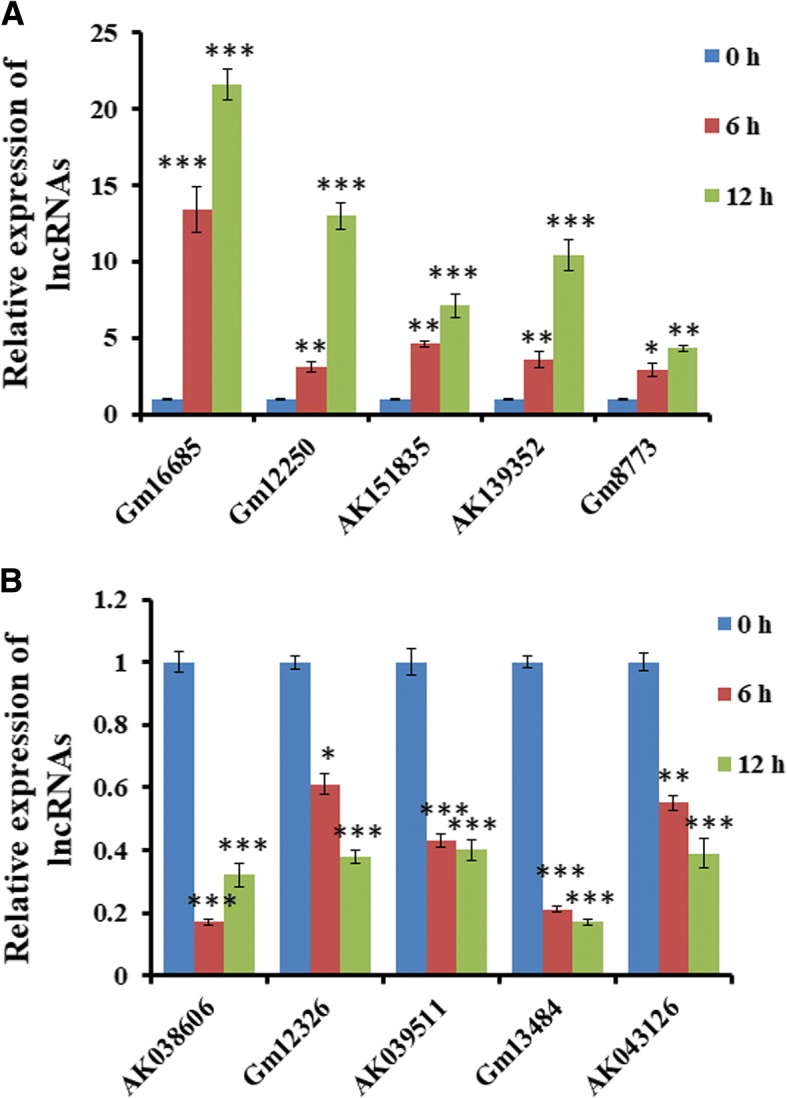
We performed microarray analysis of lncRNAs from primary mouse astrocytes treated with Nef protein. Top ten lncRNAs were validated through real-time PCR analysis. Gene ontology (GO) and KEGG pathway analysis were applied to explore the potential functions of lncRNAs. RIP and ChIP assays were performed to demonstrate the mechanism of lncRNA regulating gene expression.
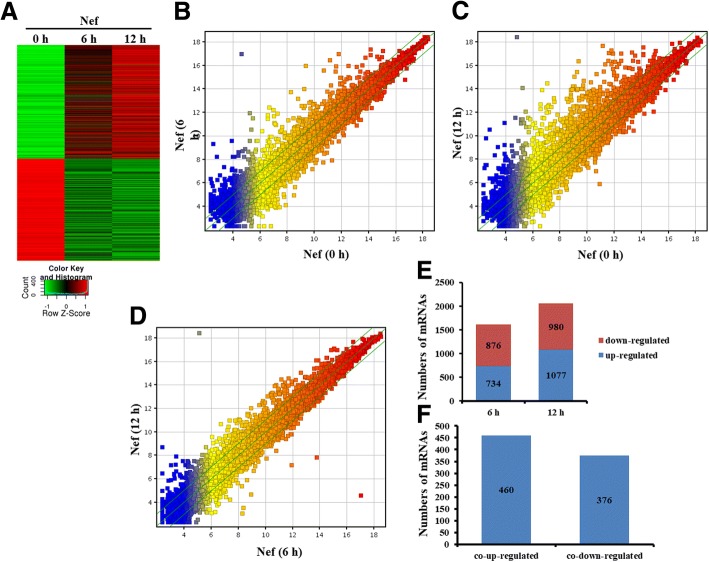
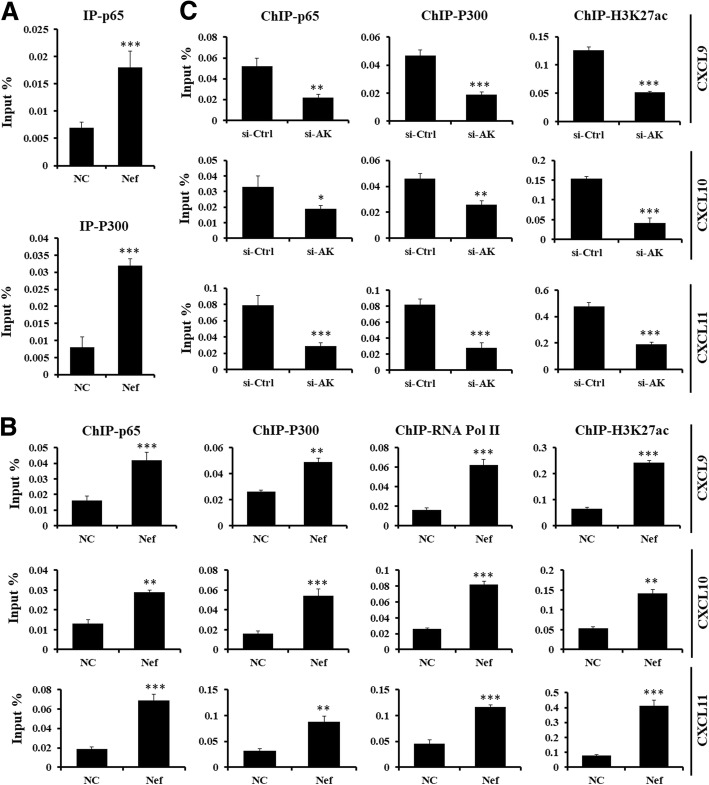
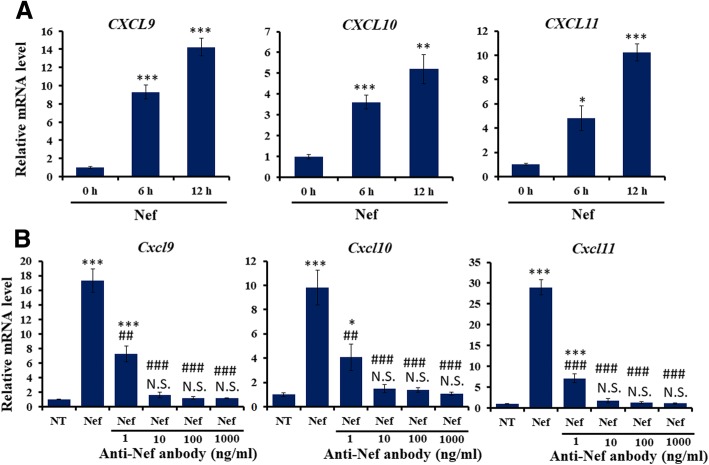
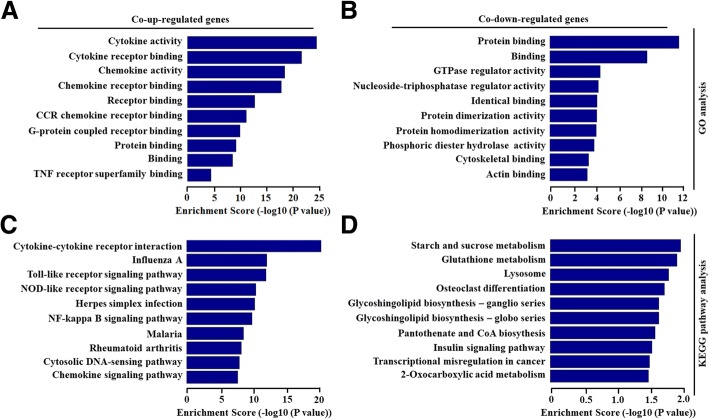
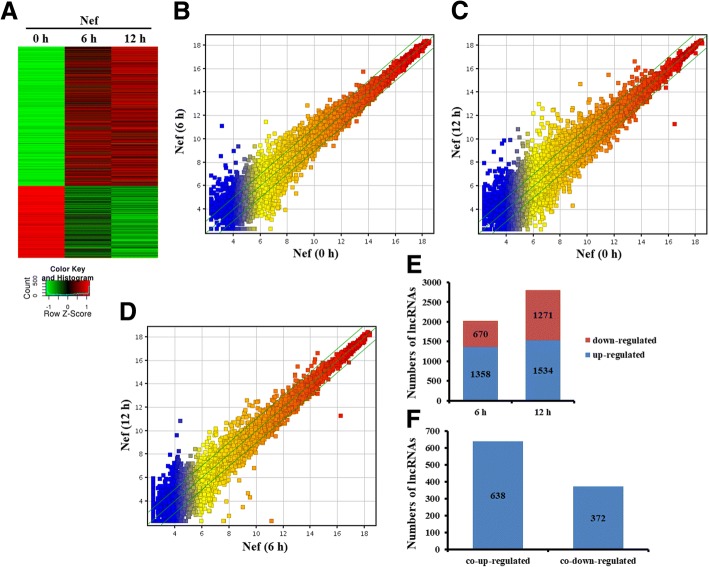
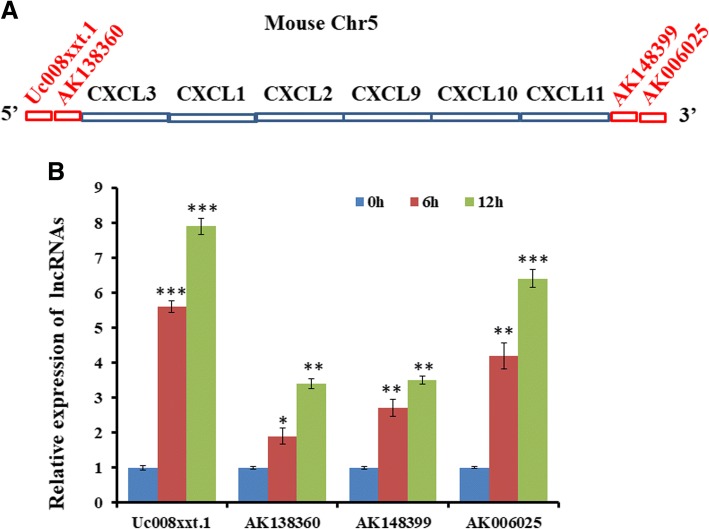
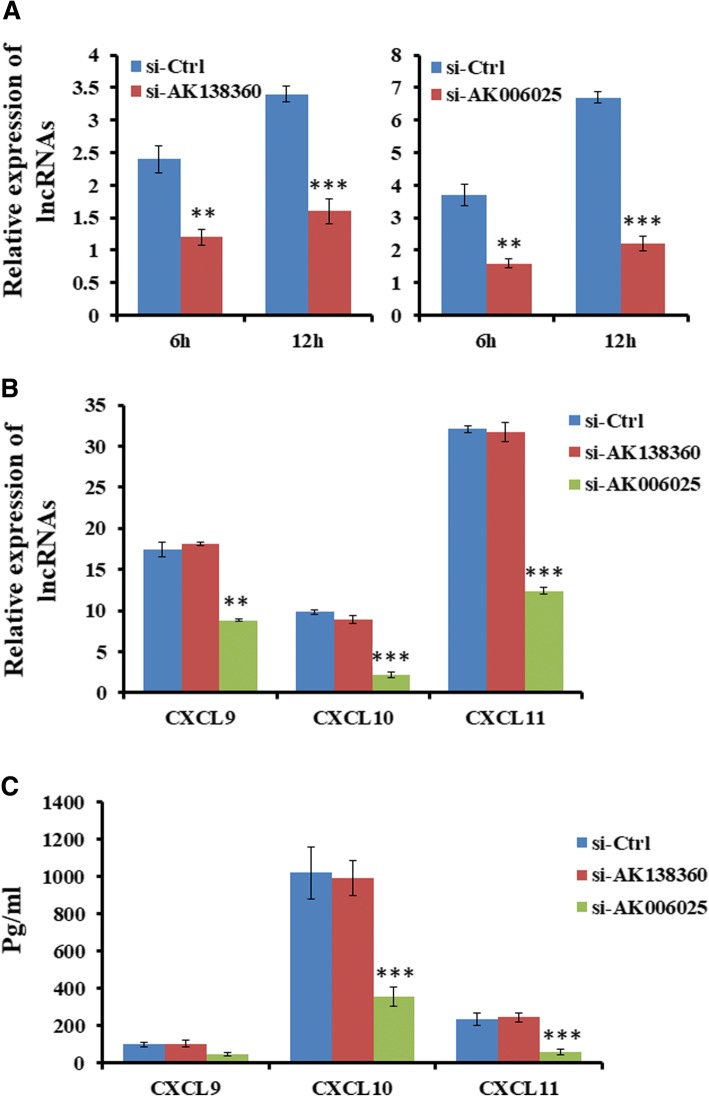
There were 638 co-upregulated lncRNAs and 372 co-downregulated lncRNAs in primary astrocytes treated with Nef protein for both 6 h and 12 h. GO and KEGG pathway analysis showed that the biological functions of top differential-expressed mRNAs were associated with inflammatory cytokines and chemokine. Knockdown of lncRNA AK006025, not AK138360, inhibited significantly CXCL9, CXCL10 (IP-10), and CXCL11 expression in astrocytes treated with Nef protein. Mechanism study showed that AK006025 associated with CBP/P300 was enriched in the promoter of CXCL9, CXCL10, and CXCL11 genes.
Our findings uncovered the expression profiles of lncRNAs and mRNAs in vitro, which might help to understand the pathways that regulate astrocyte activation during the process of HAND.
HIV 相关神经认知障碍(HAND)是一种与持续神经炎症和随后神经元损伤相关的神经退行性疾病。由 HIV-1 本身及其编码蛋白(包括负因子(Nef))激活的星形胶质细胞中的促炎因子和神经毒素参与 HAND 的发病机制。本研究旨在寻找潜在的 lncRNA,以调节星形胶质细胞功能和炎症过程。
我们对用 Nef 蛋白处理的原代小鼠星形胶质细胞中的 lncRNA 进行了微阵列分析。通过实时 PCR 分析验证了前 10 个 lncRNA。GO 和 KEGG 通路分析用于探索 lncRNA 的潜在功能。RIP 和 ChIP 测定用于证明 lncRNA 调节基因表达的机制。
用 Nef 蛋白处理原代星形胶质细胞 6 小时和 12 小时后,有 638 个共上调的 lncRNA 和 372 个共下调的 lncRNA。GO 和 KEGG 通路分析表明,差异表达 mRNA 的生物学功能与炎症细胞因子和趋化因子有关。用 Nef 蛋白处理星形胶质细胞时,lncRNA AK006025 的敲低而非 AK138360 的敲低显著抑制了 CXCL9、CXCL10(IP-10)和 CXCL11 的表达。机制研究表明,AK006025 与 CBP/P300 相关,在 CXCL9、CXCL10 和 CXCL11 基因的启动子中富集。
我们的研究结果揭示了体外 lncRNA 和 mRNA 的表达谱,这可能有助于理解调节 HAND 过程中星形胶质细胞激活的途径。