Genomics and Proteomics Core Laboratory, Department of Medical Research, Kaohsiung Chang Gung Memorial Hospital, 12th Floor, Children's Hospital, No.123, Dapi Rd, Niaosong District, Kaohsiung, 83301, Taiwan.
Department of Pediatrics, Kaohsiung Chang Gung Memorial Hospital and Chang Gung University College of Medicine, Kaohsiung, Taiwan.
Clin Epigenetics. 2018 Nov 1;10(1):135. doi: 10.1186/s13148-018-0557-1.
Kawasaki disease (KD) is a prevalent pediatric disease worldwide and can cause coronary artery aneurysm as a severe complication. Typically, DNA methylation is thought to repress the expression of nearby genes. However, the cases in which DNA methylation promotes gene expression have been reported. In addition, globally, to what extent DNA methylation affects gene expression and how it contributes to the pathogenesis of KD are not yet well understood.
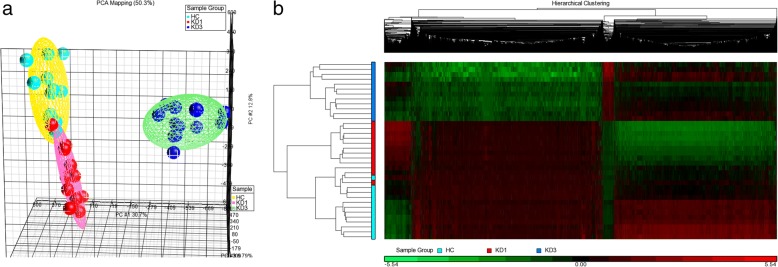
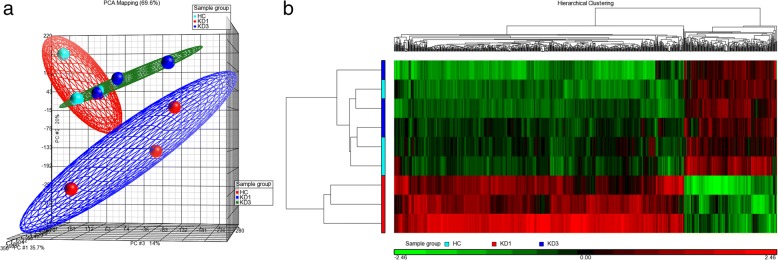
To address these important biological questions, we enrolled subjects, collected DNA and RNA samples from the subjects' total white blood cells, and performed DNA methylation (M450K) and gene expression (HTA 2.0) microarray assays.
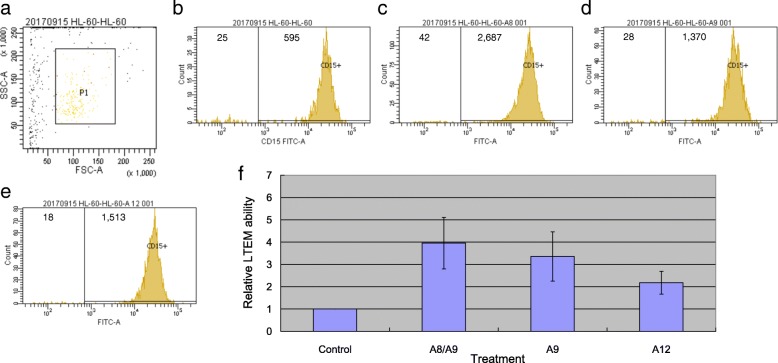
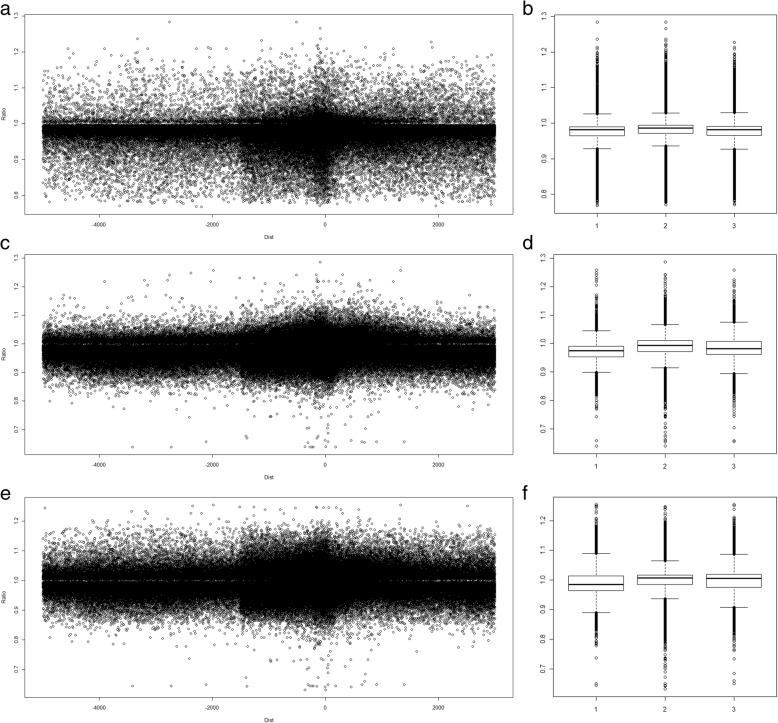
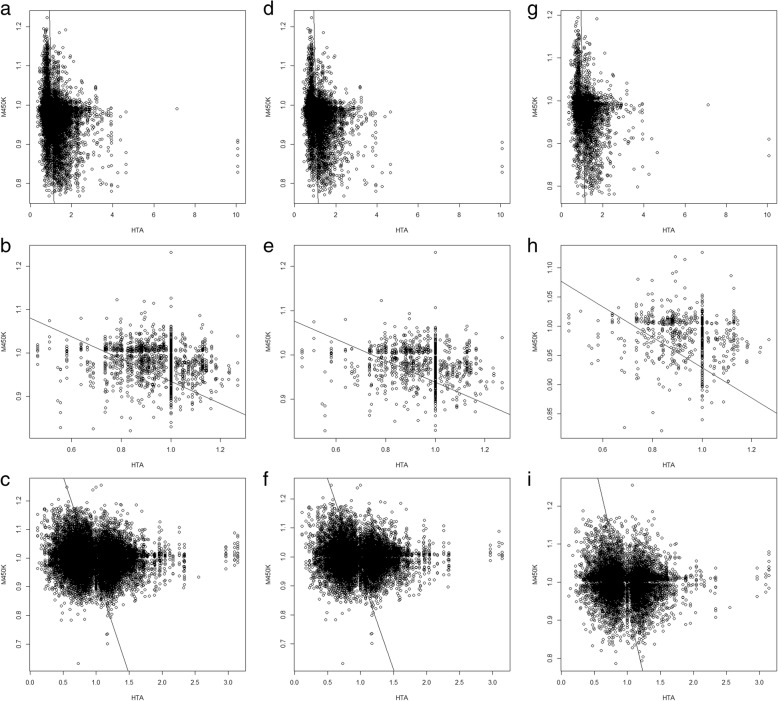
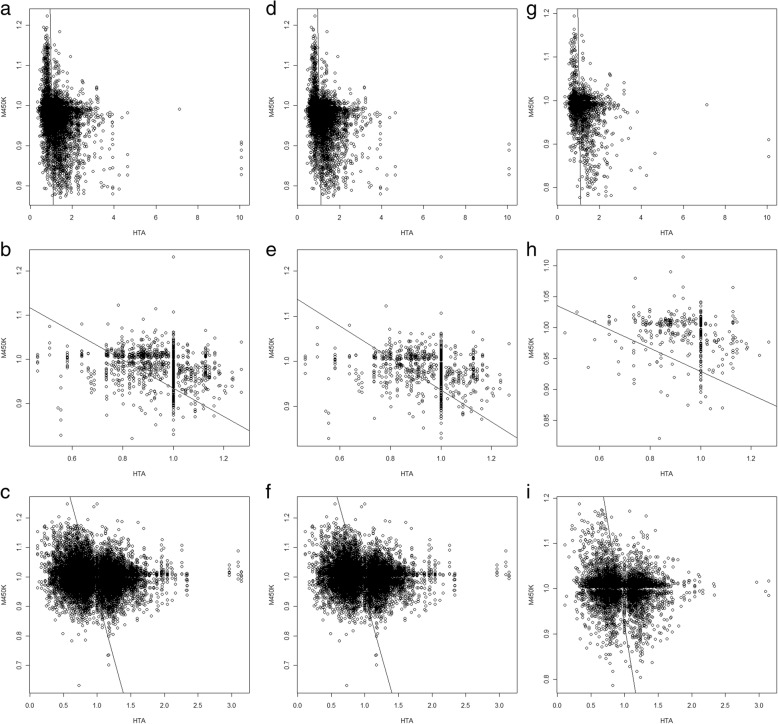
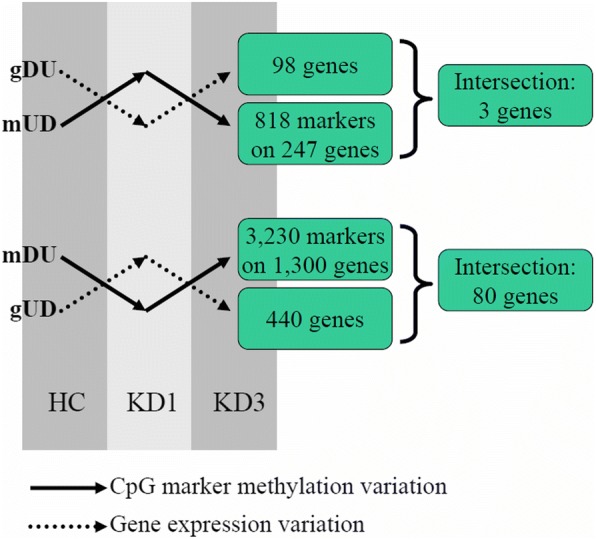
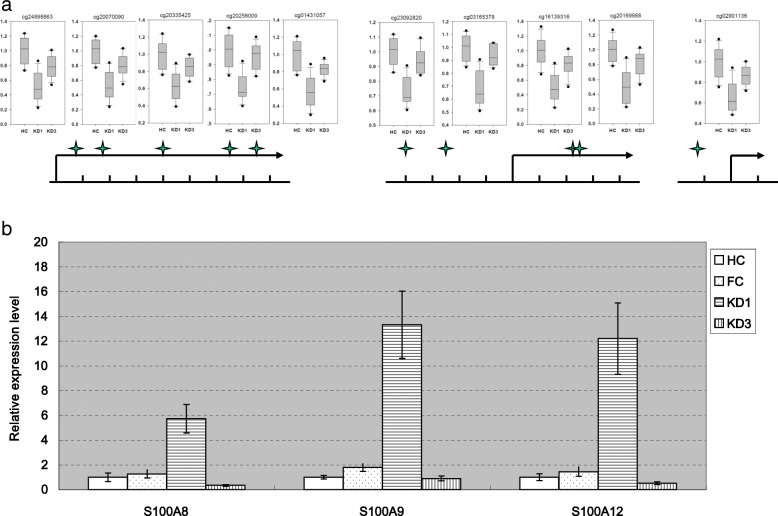
By analyzing the variation ratios of CpG beta values (methylation percentage) and gene expression intensities, we first concluded that the CpG markers close (- 1500 bp to + 500 bp) to the transcription start sites had higher variation ratios, reflecting significant regulation capacities. Next, we observed that, globally speaking, gene expression was modestly negatively correlated (correlation rho ≈ - 0.2) with the DNA methylation status of both upstream and downstream CpG markers in the promoter region. Third, we found that specific CpG markers were hypo-methylated in disease samples compared with healthy samples and hyper-methylated in convalescent samples compared with disease samples, promoting and repressing S100A genes' expressions, respectively. Finally, using an in vitro cell model, we demonstrated that S100A family proteins enhanced leukocyte transendothelial migration in KD.
This is the first study to integrate genome-wide DNA methylation with gene expression assays in KD and showed that the S100A family plays important roles in the pathogenesis of KD.
川崎病(KD)是一种全球流行的儿科疾病,可引起冠状动脉瘤等严重并发症。通常认为,DNA 甲基化抑制附近基因的表达。然而,已有报道称 DNA 甲基化可促进基因表达。此外,在全球范围内,DNA 甲基化对基因表达的影响程度以及其如何促成 KD 的发病机制尚不清楚。
为了解决这些重要的生物学问题,我们招募了研究对象,从研究对象的总白细胞中收集 DNA 和 RNA 样本,并进行 DNA 甲基化(M450K)和基因表达(HTA 2.0)微阵列检测。
通过分析 CpG β值(甲基化百分比)和基因表达强度的变异比,我们首先得出结论,靠近转录起始位点(-1500 bp 至+500 bp)的 CpG 标记具有更高的变异比,反映出其具有较强的调控能力。其次,我们发现,总体而言,基因表达与启动子区域上下游 CpG 标记的 DNA 甲基化状态呈适度负相关(相关 rho ≈-0.2)。第三,我们发现,与健康样本相比,疾病样本中的特定 CpG 标记呈低甲基化,而在恢复期样本中则呈高甲基化,分别促进和抑制 S100A 基因的表达。最后,我们通过体外细胞模型证实,S100A 家族蛋白增强了 KD 中的白细胞跨内皮迁移。
这是首次将全基因组 DNA 甲基化与 KD 中的基因表达检测相结合的研究,表明 S100A 家族在 KD 的发病机制中发挥重要作用。