Clemens Tom, Dibben Chris, Pearce Jamie, Shortt Niamh K
School of Geosciences, University of Edinburgh, Edinburgh, UK.
Tob Control. 2018 Nov 2;29(1):7-14. doi: 10.1136/tobaccocontrol-2018-054422.
Tobacco policy is increasingly focusing on the 'tobacco endgame' which commits to eradicating tobacco use (prevalence below 5%) within the next two decades. Strategies for achieving the endgame are likely to include addressing the supply of tobacco products, yet current evidence to support this approach is primarily cross-sectional.
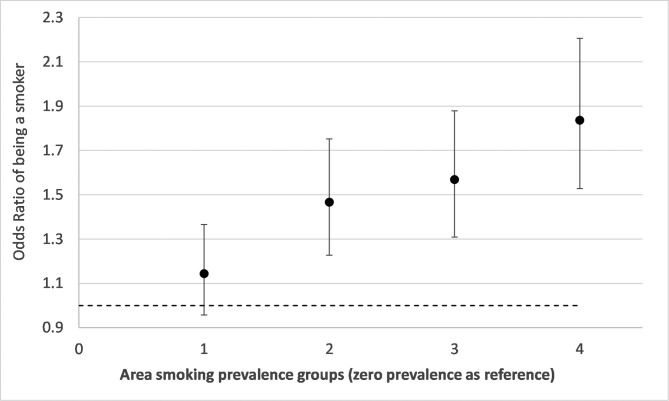
We use longitudinal smoking information from routine maternity records of all women who gave birth in Scotland between 2000 and 2015. We linked this data to the residential density of retailers selling tobacco products and the neighbourhood prevalence of smoking during pregnancy. In the analysis, individual mothers act as their own controls because we compare changes in their smoking behaviour between pregnancies to changes in exposure to tobacco retailing that arises from residential movement between pregnancies.
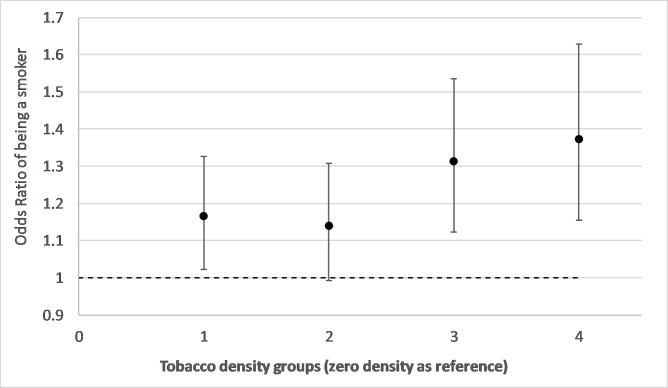
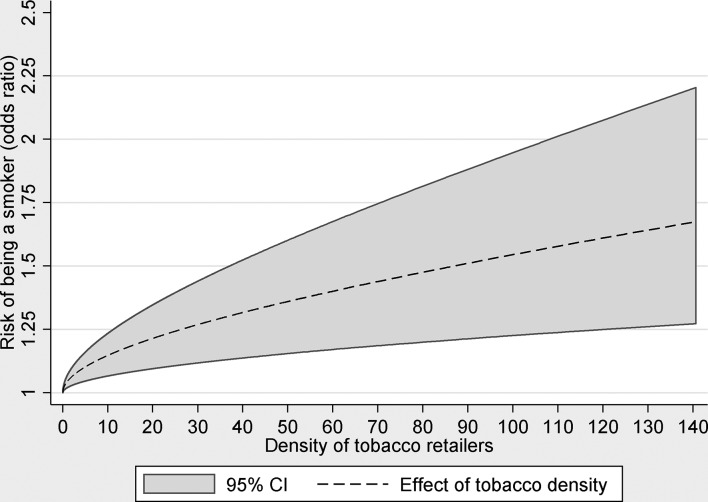
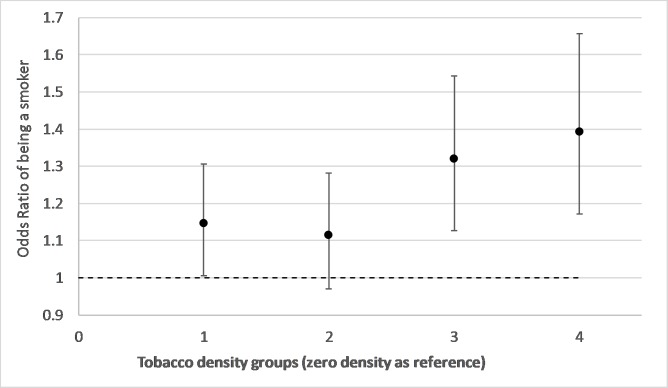
Adjusted ORs showed an increased risk of being a smoker associated with increases in exposure to retailer density (OR 1.67, 95% CI 1.27 to 2.20).
The results provide the strongest evidence to date of an association between the neighbourhood availability of tobacco and smoking, and the first to do so among pregnant women. These findings provide supportive evidence for interventions targeting the supply of tobacco products in achieving the endgame.
烟草政策日益聚焦于“烟草终局目标”,即致力于在未来二十年内根除烟草使用(患病率低于5%)。实现这一终局目标的策略可能包括解决烟草制品供应问题,但目前支持该方法的证据主要是横断面研究。
我们使用了2000年至2015年间在苏格兰分娩的所有女性常规产科记录中的纵向吸烟信息。我们将这些数据与销售烟草制品零售商的居住密度以及孕期邻里吸烟率相关联。在分析中,个体母亲作为自身对照,因为我们将她们孕期之间吸烟行为的变化与孕期居住迁移导致的烟草零售暴露变化进行比较。
调整后的比值比显示,与零售商密度暴露增加相关的吸烟风险增加(比值比1.67,95%置信区间1.27至2.20)。
这些结果提供了迄今为止关于邻里烟草供应与吸烟之间关联的最有力证据,并且是首次在孕妇中得出此类证据。这些发现为旨在通过控制烟草制品供应来实现终局目标的干预措施提供了支持性证据。