Institute of Biomolecular Chemistry, National Research Council of Italy, 80078 Pozzuoli, Italy.
Department of Biology and Evolution of Marine Organisms, Stazione Zoologica Anton Dohrn, 80121 Naples, Italy.
Mar Drugs. 2018 Nov 3;16(11):431. doi: 10.3390/md16110431.
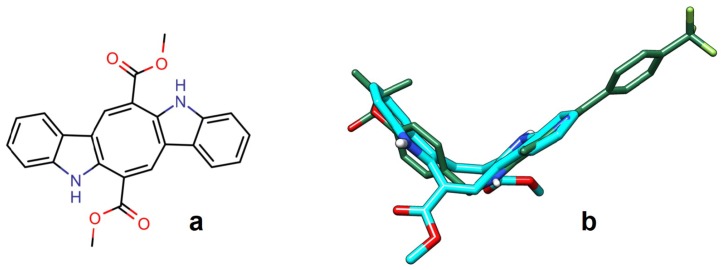
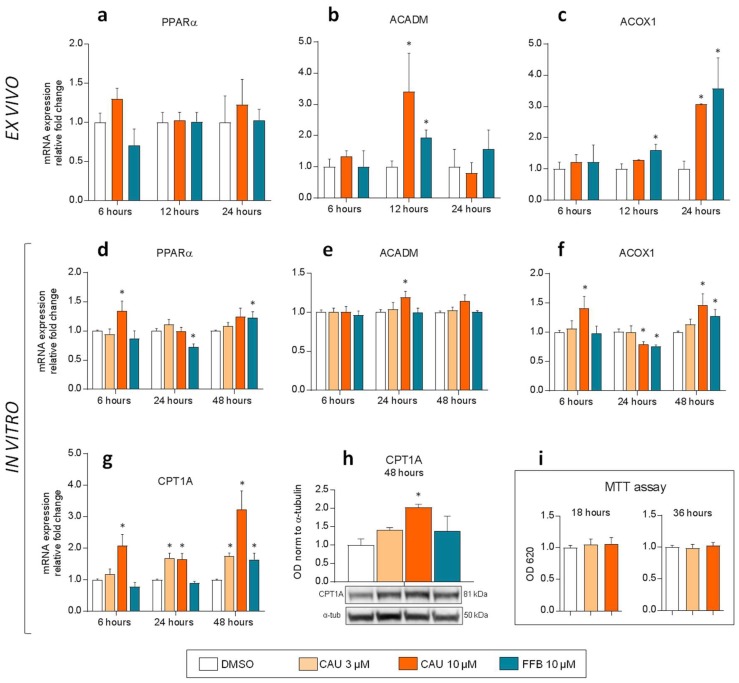
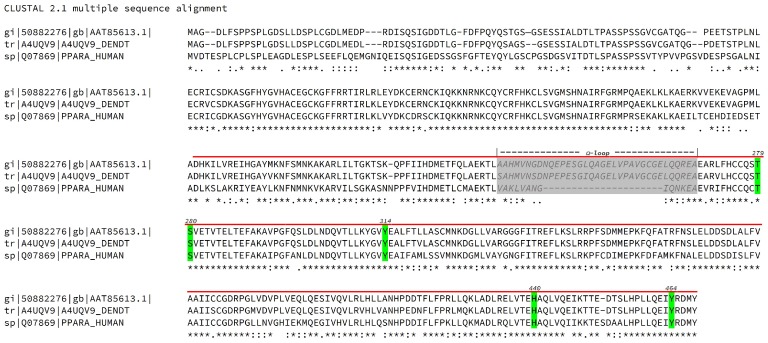
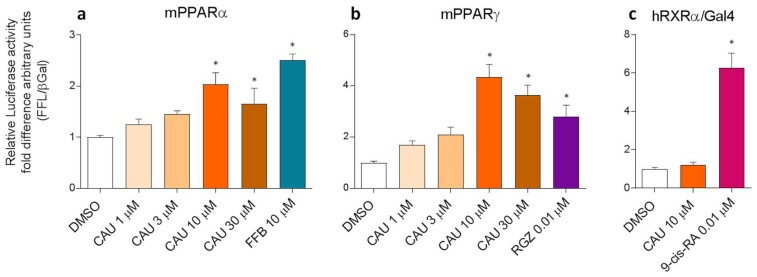
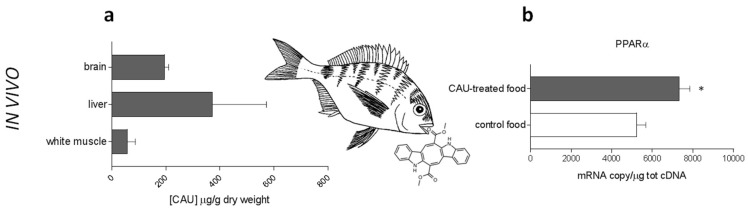
Although the chemical warfare between invasive and native species has become a central problem in invasion biology, the molecular mechanisms by which bioactive metabolites from invasive pests influence local communities remain poorly characterized. This study demonstrates that the alkaloid caulerpin (CAU)-a bioactive component of the green alga that has invaded the entire Mediterranean basin-is an agonist of peroxisome proliferator-activated receptors (PPARs). Our interdisciplinary study started with the in silico prediction of the ligand-protein interaction, which was then validated by in vivo, ex vivo and in vitro assays. On the basis of these results, we candidate CAU as a causal factor of the metabolic and behavioural disorders observed in , a native edible fish of high ecological and commercial relevance, feeding on . Moreover, given the considerable interest in PPAR activators for the treatment of relevant human diseases, our findings are also discussed in terms of a possible nutraceutical/pharmacological valorisation of the invasive algal biomasses, supporting an innovative strategy for conserving biodiversity as an alternative to unrealistic campaigns for the eradication of invasive pests.
尽管入侵物种与本地物种之间的化学生态战争已成为入侵生物学的核心问题,但生物活性代谢物对入侵害虫影响当地群落的分子机制仍知之甚少。本研究表明,生物碱海角藻素(CAU)——一种入侵整个地中海盆地的绿藻的生物活性成分——是过氧化物酶体增殖物激活受体(PPARs)的激动剂。我们的跨学科研究始于配体-蛋白相互作用的计算机预测,然后通过体内、离体和体外试验进行验证。基于这些结果,我们将 CAU 作为在 中观察到的代谢和行为障碍的原因, 是一种具有高生态和商业重要性的本地食用鱼类,以 为食。此外,鉴于人们对 PPAR 激活剂在治疗相关人类疾病方面的浓厚兴趣,我们的发现还从入侵藻类生物量的可能的营养/药理学利用方面进行了讨论,这为保护生物多样性提供了一种创新策略,作为消除入侵害虫不切实际的运动的替代方案。