Dipartimento di Scienze e Tecnologie Biologiche ed Ambientali, Università del Salento, CoNISMa, Lecce, Italy.
PLoS One. 2012;7(6):e38763. doi: 10.1371/journal.pone.0038763. Epub 2012 Jun 11.
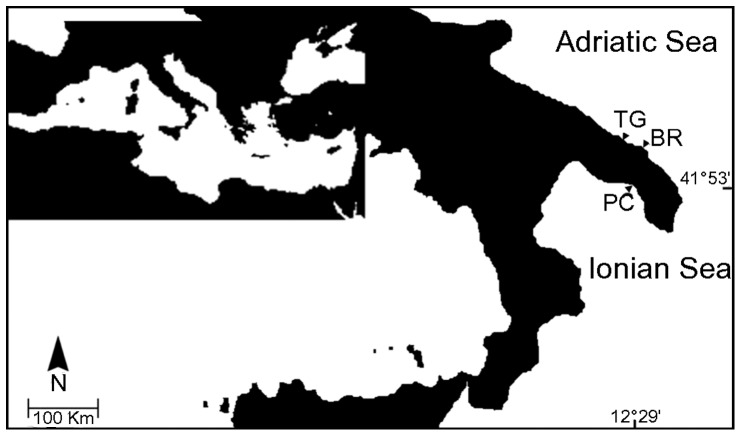
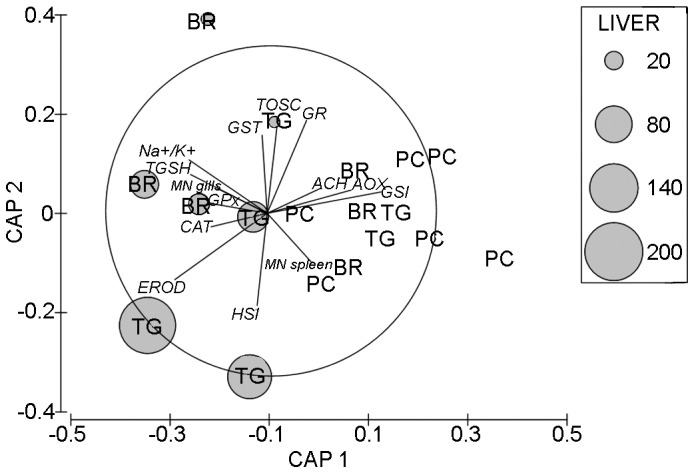
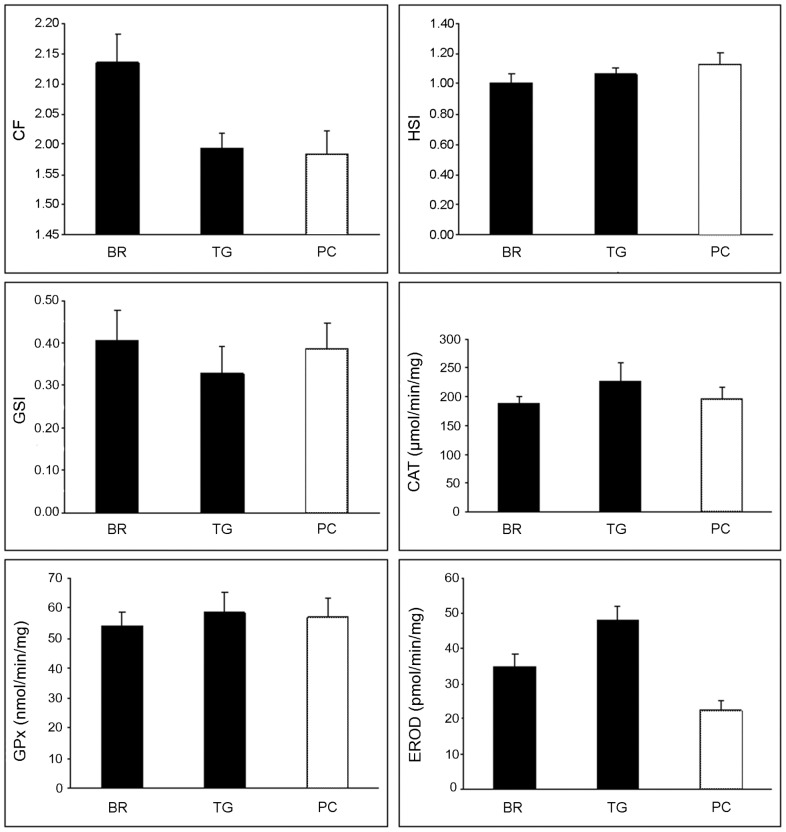
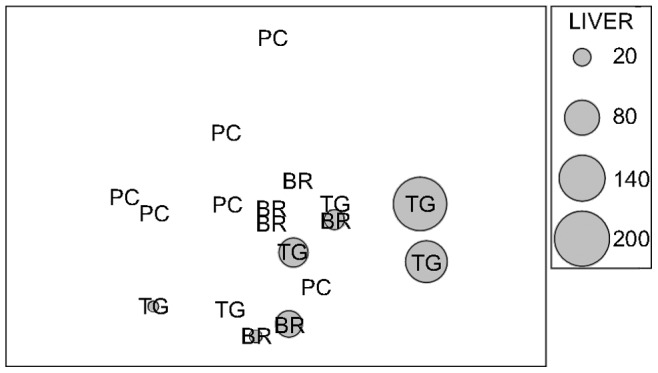
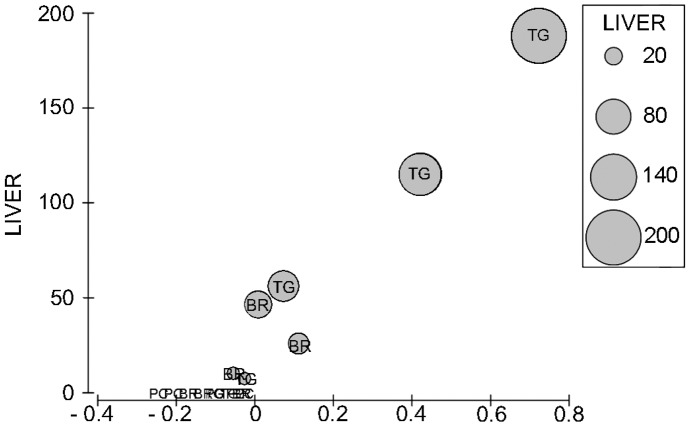
The green alga Caulerpa racemosa var. cylindracea has invaded Mediterranean seabed including marine reserves, modifying the structure of habitats and altering the distributional patterns of associated organisms. However, the understanding of how such invasion can potentially affect functional properties of Mediterranean subtidal systems is yet to be determined. In this study, we show that C. racemosa changes foraging habit of the native white seabream, Diplodus sargus. In invaded areas, we found a high frequency of occurrence of C. racemosa in the stomach contents of this omnivorous fish (72.7 and 85.7%), while the alga was not detected in fish from a control area. We also found a significant accumulation of caulerpin, one of the main secondary metabolites of C. racemosa, in fish tissues. The level of caulerpin in fish tissues was used here as an indicator of the trophic exposure to the invasive pest and related with observed cellular and physiological alterations. Such effects included activation of some enzymatic pathways (catalase, glutathione peroxidases, glutathione S-transferases, total glutathione and the total oxyradical scavenging capacity, 7-ethoxy resorufin O-deethylase), the inhibition of others (acetylcholinesterase and acylCoA oxidase), an increase of hepatosomatic index and decrease of gonadosomatic index. The observed alterations might lead to a detrimental health status and altered behaviours, potentially preventing the reproductive success of fish populations. Results of this study revealed that the entering of alien species in subtidal systems can alter trophic webs and can represent an important, indirect mechanism which might contribute to influence fluctuations of fish stocks and, also, the effectiveness of protection regimes.
绿藻 Caulerpa racemosa var. cylindracea 已入侵地中海海底,包括海洋保护区,改变了生境的结构,并改变了相关生物的分布模式。然而,对于这种入侵如何可能影响地中海潮间带系统的功能特性,我们还需要进一步研究。在这项研究中,我们发现 C. racemosa 改变了本地白鲷(Diplodus sargus)的觅食习惯。在入侵地区,我们发现这种杂食性鱼类的胃内容物中 C. racemosa 的出现频率很高(72.7%和 85.7%),而在对照区的鱼类中则未检测到该藻类。我们还发现,C. racemosa 的一种主要次生代谢物——海角藻素在鱼类组织中的积累量显著增加。在这里,我们将鱼类组织中的海角藻素水平用作衡量其对入侵害虫的摄食暴露的指标,并与观察到的细胞和生理变化相关联。这些影响包括一些酶途径的激活(过氧化氢酶、谷胱甘肽过氧化物酶、谷胱甘肽 S-转移酶、总谷胱甘肽和总氧自由基清除能力、7-乙氧基 RESO 荧光素 O-脱乙基酶),其他酶途径的抑制(乙酰胆碱酯酶和酰基辅酶 A 氧化酶),肝体比的增加和性腺体比的降低。观察到的这些变化可能导致鱼类健康状况恶化和行为改变,从而可能阻碍鱼类种群的繁殖成功。本研究的结果表明,外来物种进入潮间带系统会改变营养网络,这可能是一个重要的间接机制,有助于影响鱼类种群的波动,以及保护制度的有效性。