School of Biological Sciences and Petit Institute for Bioengineering and Bioscience, Georgia Institute of Technology, 315 Ferst Drive, Atlanta, GA, 30332, USA.
Integrated Cancer Research Center, Georgia Institute of Technology, 315 Ferst Drive, Atlanta, GA, 30332, USA.
Sci Rep. 2018 Nov 6;8(1):16444. doi: 10.1038/s41598-018-34753-5.
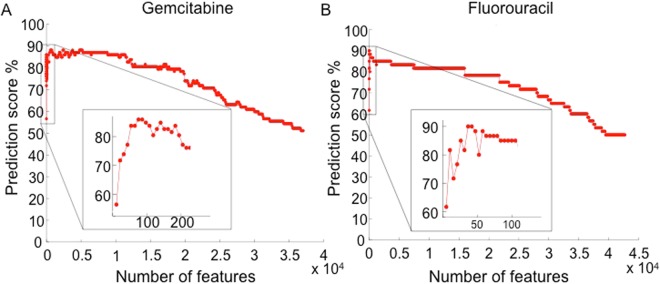
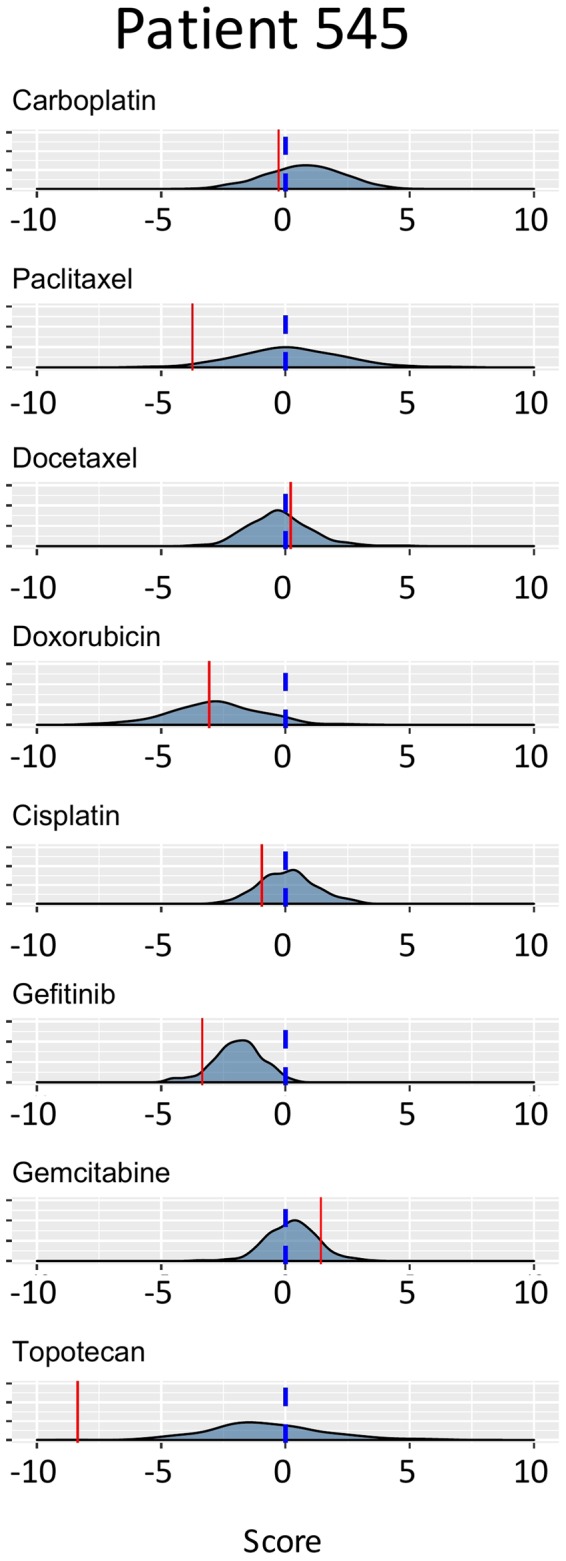
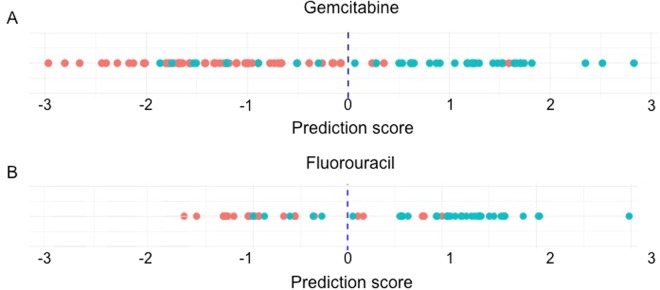
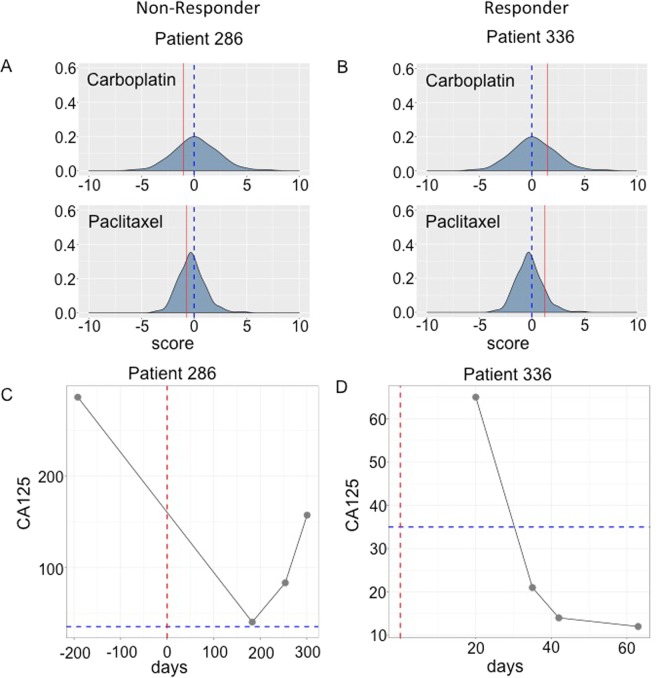
Precision or personalized cancer medicine is a clinical approach that strives to customize therapies based upon the genomic profiles of individual patient tumors. Machine learning (ML) is a computational method particularly suited to the establishment of predictive models of drug response based on genomic profiles of targeted cells. We report here on the application of our previously established open-source support vector machine (SVM)-based algorithm to predict the responses of 175 individual cancer patients to a variety of standard-of-care chemotherapeutic drugs from the gene-expression profiles (RNA-seq or microarray) of individual patient tumors. The models were found to predict patient responses with >80% accuracy. The high PPV of our algorithms across multiple drugs suggests a potential clinical utility of our approach, particularly with respect to the identification of promising second-line treatments for patients failing standard-of-care first-line therapies.
精准医学或个性化癌症医学是一种临床方法,旨在根据个体患者肿瘤的基因组特征来定制治疗方法。机器学习 (ML) 是一种计算方法,特别适合根据靶向细胞的基因组特征建立药物反应的预测模型。我们在此报告应用我们之前建立的开源支持向量机 (SVM) 算法来预测 175 名个体癌症患者对各种标准治疗化疗药物的反应,这些模型是基于个体患者肿瘤的基因表达谱(RNA-seq 或微阵列)。发现这些模型能够以超过 80%的准确率预测患者的反应。我们的算法在多种药物中的高阳性预测值表明了我们方法的潜在临床应用价值,特别是在确定标准治疗一线治疗失败的患者有希望的二线治疗方法方面。