Ito Keitaro, Sakuma Shinya, Kimura Masaki, Takebe Takanori, Kaneko Makoto, Arai Fumihito
Department of Micro-Nano Systems Engineering, Nagoya University, Nagoya 464-8603, Aichi, Japan.
Division of Gastroenterology, Hepatology and Nutrition, Cincinnati Children's Hospital Medical Center, Cincinnati, OH 45229-3039, USA.
Micromachines (Basel). 2016 Dec 5;7(12):221. doi: 10.3390/mi7120221.
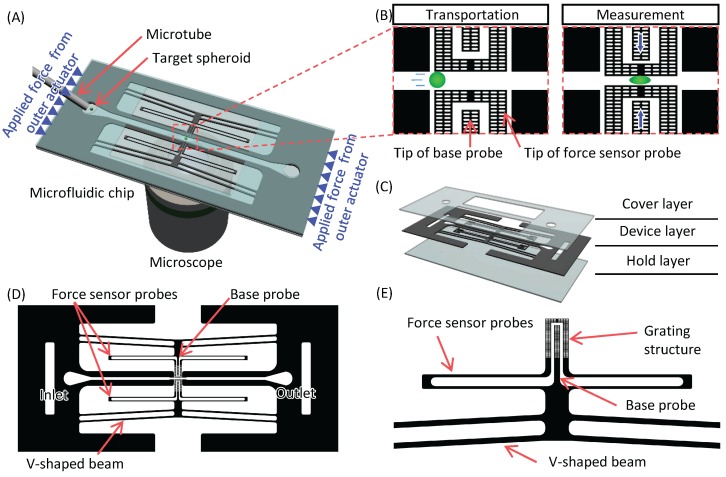
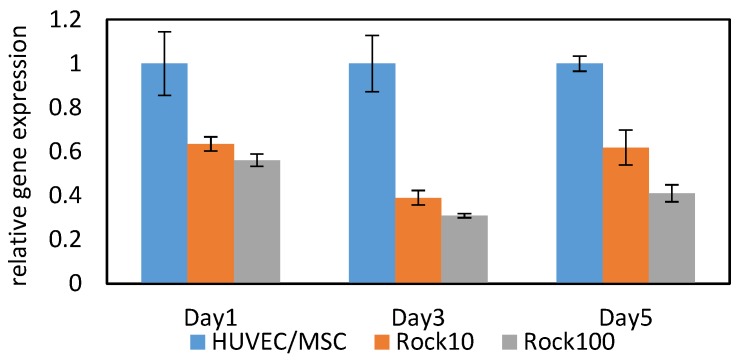
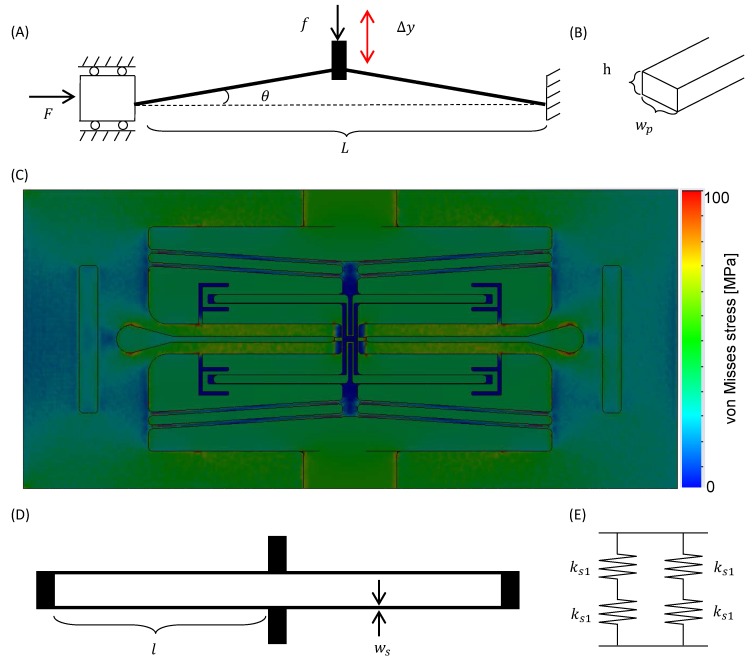
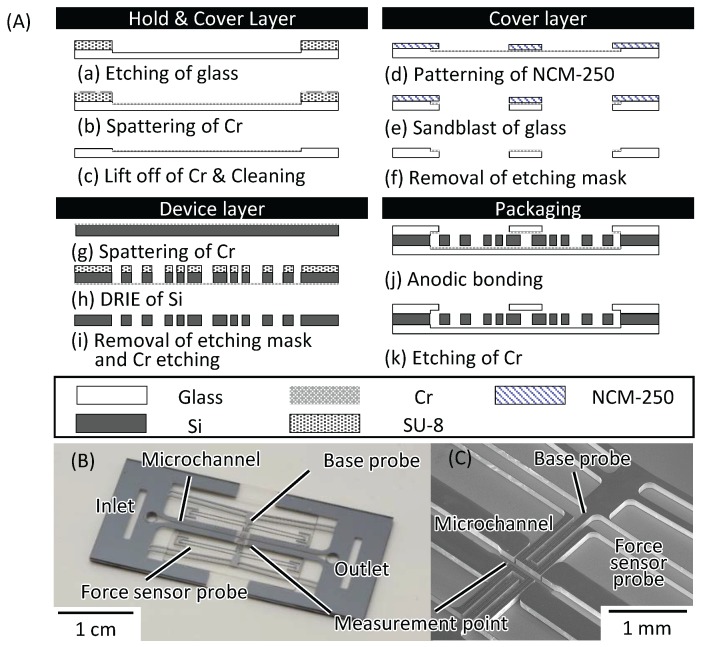
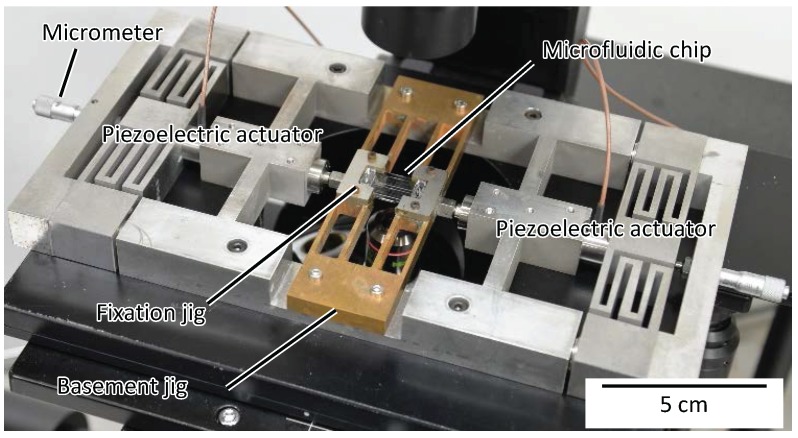
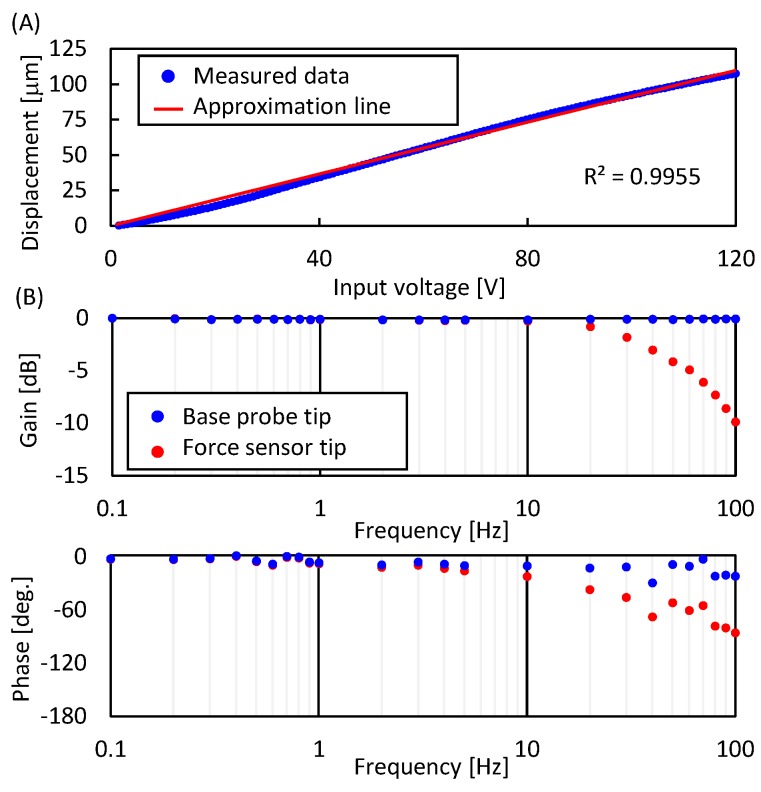
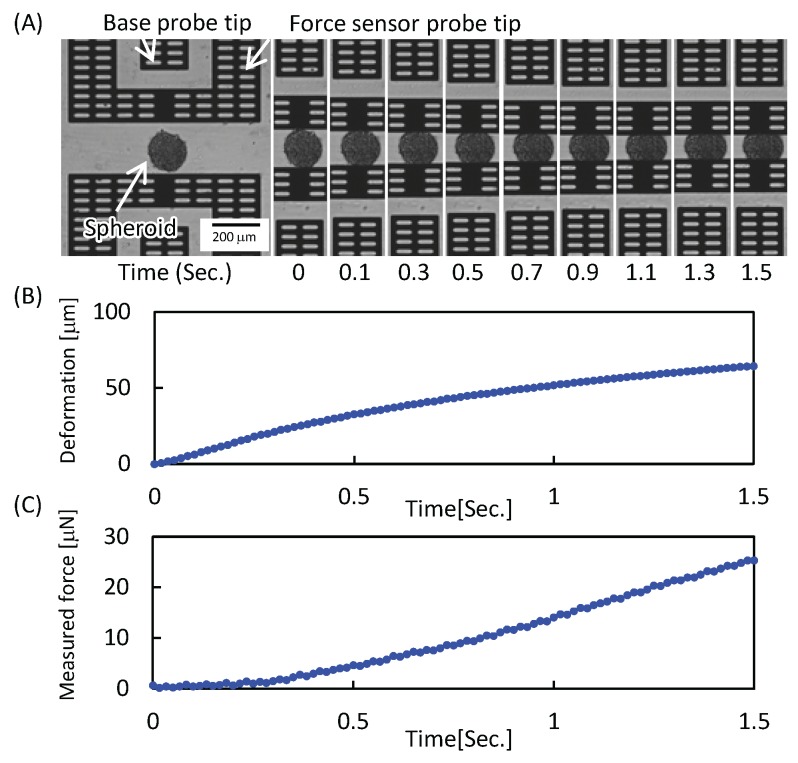
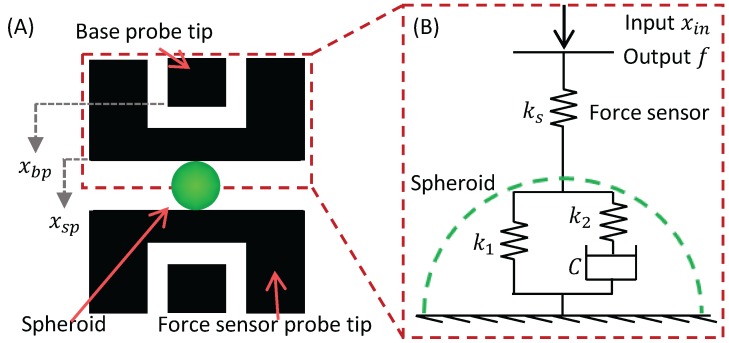
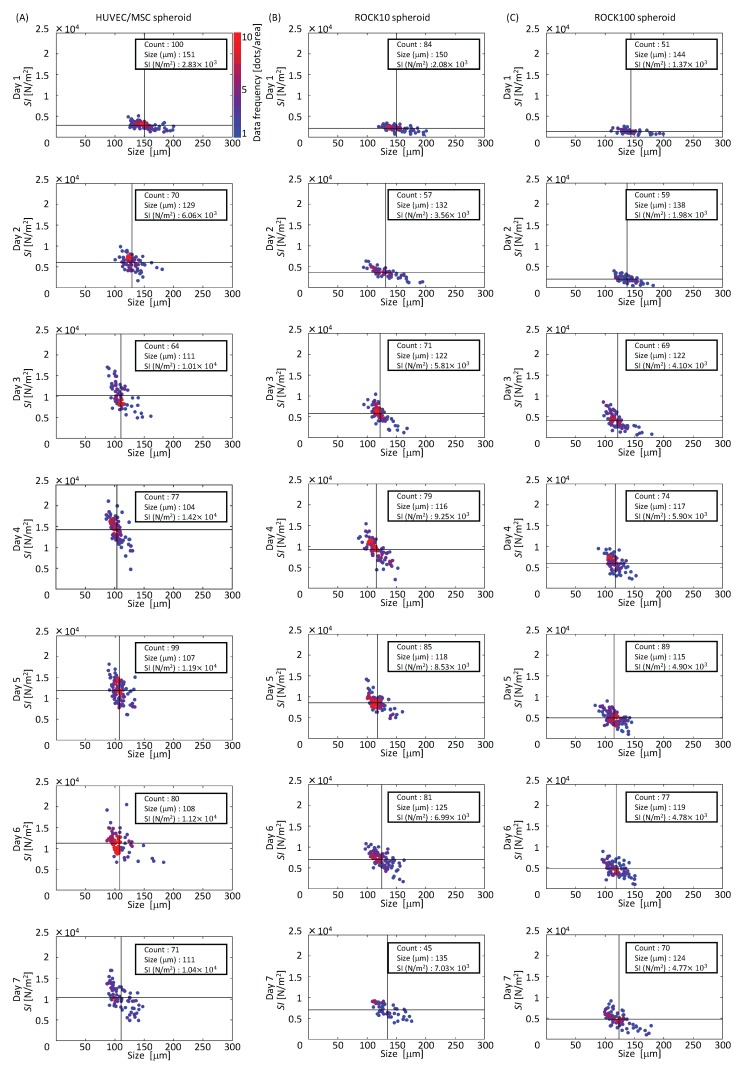
In this paper, we focus on the mechanical characterization of co-cultured spheroids of human umbilical vein endothelial cells (HUVECs) and mesenchymal stem cells (MSC) (HUVEC/MSC spheroids). HUVEC/MSC spheroids aggregate during culture, thereby decreasing in size. Since this size decrease can be caused by the contractility generated by the actomyosin of MSCs, which are intracellular frames, we can expect that there is a temporal transition for the mechanical characteristics, such as stiffness, during culture. To measure the mechanical characteristics, we use a microfluidic chip that is integrated with force sensor probes. We show the details of the measurement configuration and the results of mechanical characterization of the HUVEC/MSC spheroids. To evaluate the stiffness of the spheroids, we introduce the stiffness index, which essentially shows a spring constant per unit size of the spheroid at a certain time during measurement. From the measurement results, we confirmed that the stiffness index firstly increased during the days of culture, although after four days of culture, the stiffness index decreased. We confirmed that the proposed system can measure the stiffness of HUVEC/MSC spheroids.
在本文中,我们聚焦于人类脐静脉内皮细胞(HUVECs)与间充质干细胞(MSC)共培养球体(HUVEC/MSC球体)的力学特性。HUVEC/MSC球体在培养过程中会聚集,从而尺寸减小。由于这种尺寸减小可能是由作为细胞内构架的间充质干细胞的肌动球蛋白产生的收缩性所导致,我们可以预期在培养过程中,诸如硬度等力学特性会存在一个时间上的转变。为了测量力学特性,我们使用了一种集成有力传感器探针的微流控芯片。我们展示了测量配置的细节以及HUVEC/MSC球体力学特性的结果。为了评估球体的硬度,我们引入了硬度指数,其本质上表示在测量过程中某一时刻球体单位尺寸的弹簧常数。从测量结果来看,我们证实硬度指数在培养的最初几天首先增加,不过在培养四天后,硬度指数下降。我们证实所提出的系统能够测量HUVEC/MSC球体的硬度。