Hu Qian, Li Lingli, Zou Xin, Xu Lijun, Yi Ping
Institute of Integrated Traditional Chinese and Western Medicine, Tongji Hospital, Tongji Medical College, Huazhong University of Science and Technology, Wuhan, China.
Department of Integrated Traditional Chinese and Western Medicine, Tongji Hospital, Tongji Medical College, Huazhong University of Science and Technology, Wuhan, China.
Front Pharmacol. 2018 Oct 19;9:1150. doi: 10.3389/fphar.2018.01150. eCollection 2018.
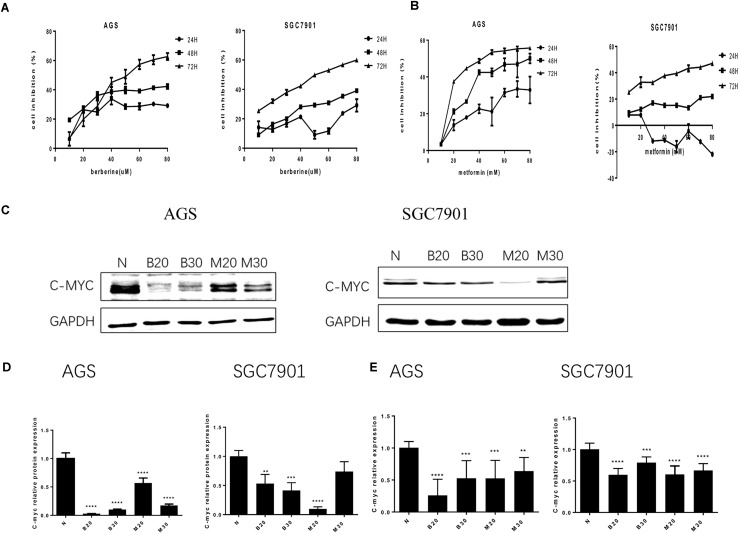
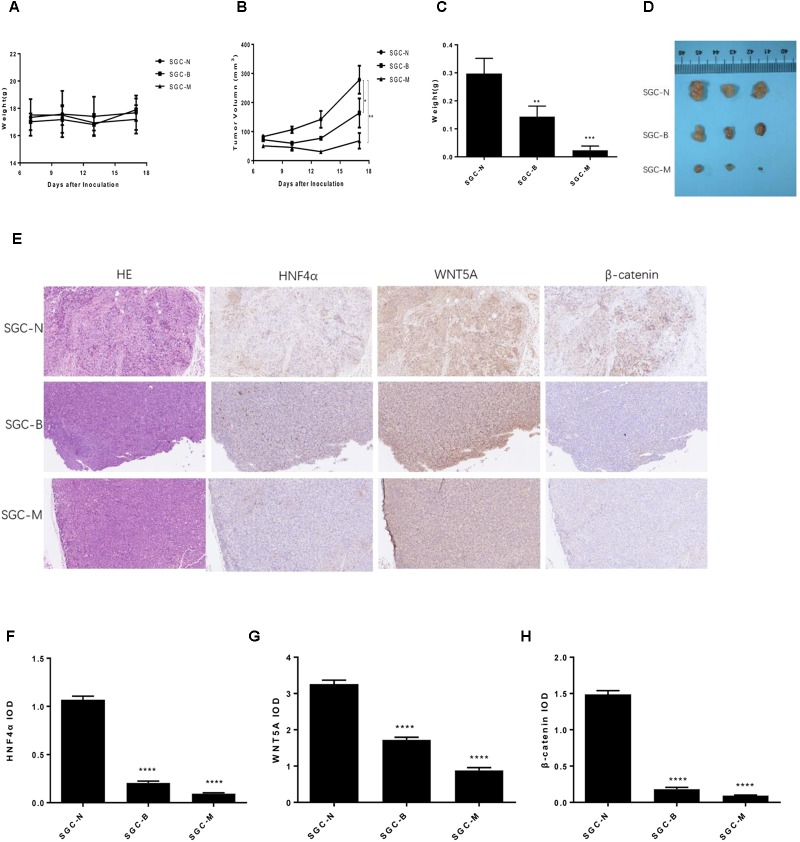
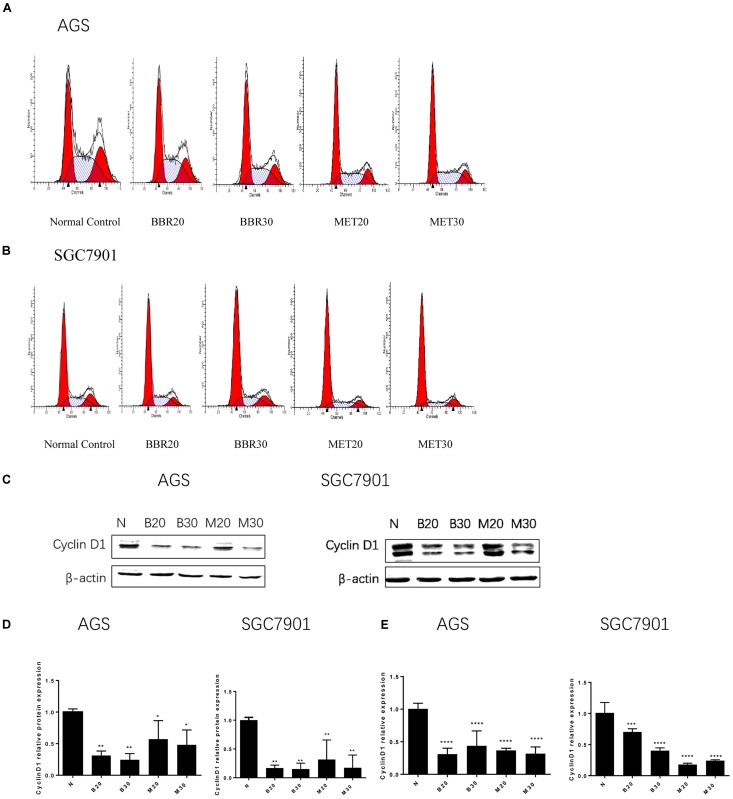
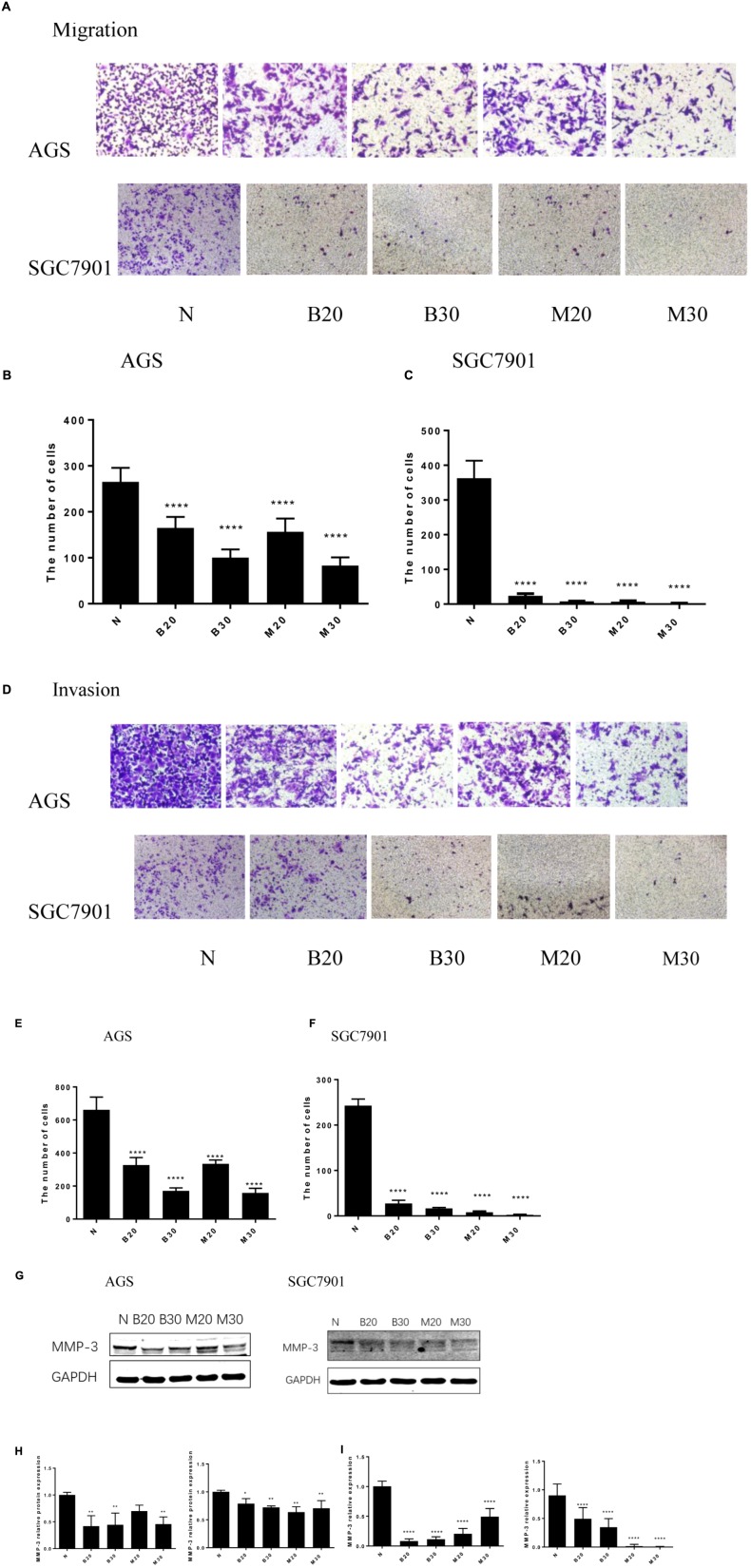
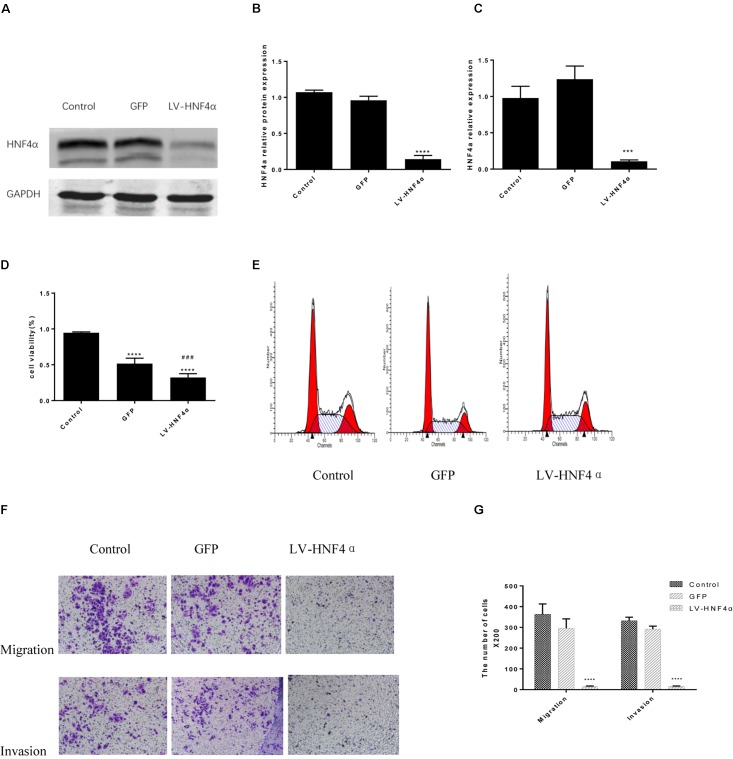
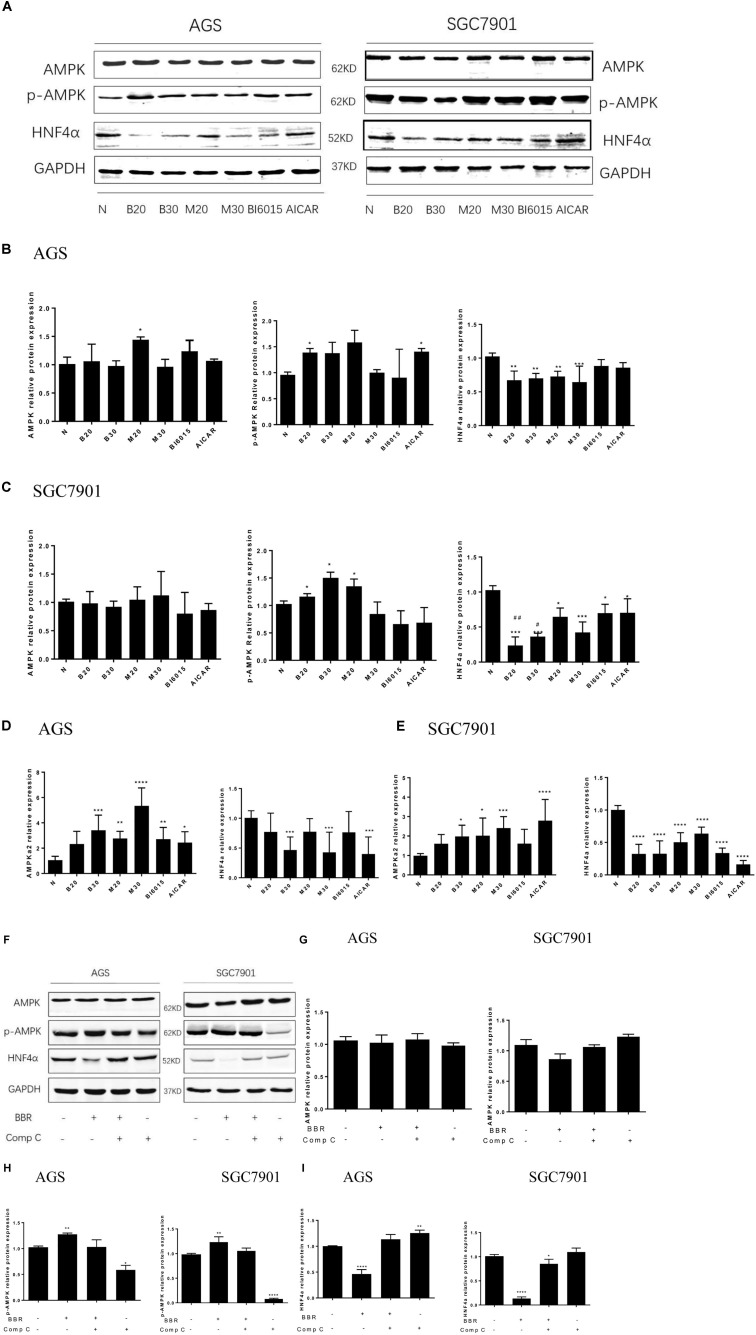
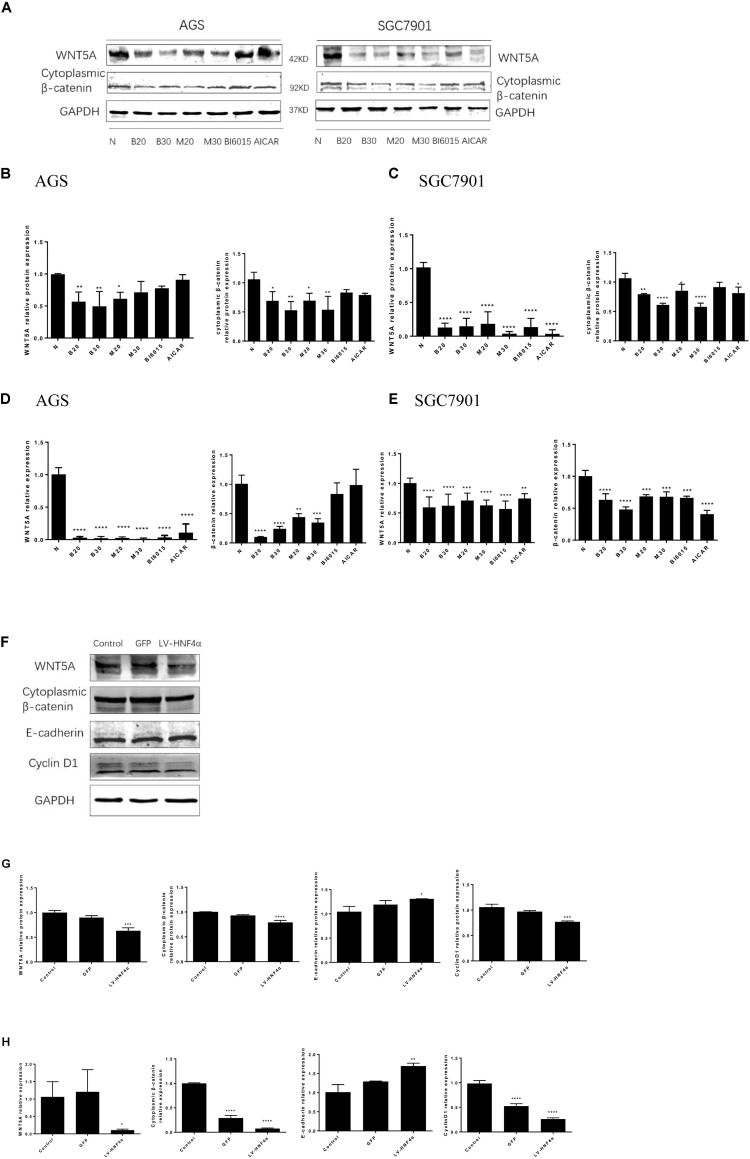
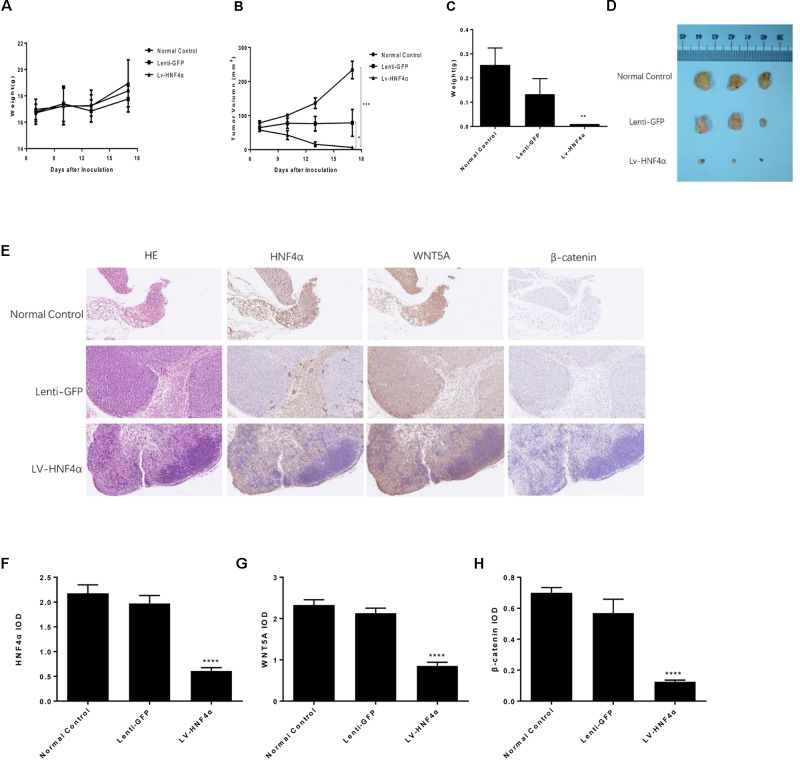
Recent epidemiologic studies have found that patients with diabetes have a higher risk of gastric cancer (GC), and the long-term use of metformin is associated with a lower risk of gastric cancer. It is believed that blocking tumor energy metabolic alterations is now emerging as a new therapeutic approach of cancer. Berberine, a natural isoquinoline alkaloid, could modulate lipid metabolism and glucose homeostasis by regulating the expression of HNF4α in many metabolic diseases. Here, we investigated the effect of Berberine on GC and its possible molecular mechanism through targeting HNF4α. (1) AGS and SGC7901 gastric cancer cells were treated with Berberine (BBR). We found that in AGS and SGC7901 cell, BBR inhibited cell proliferation in a time- and dose-dependent manner through downregulating BBR also induced G-G phase arrest with the decreased expression of cyclin D1. Moreover, BBR attenuated the migration and invasion by downregulating MMP-3. (2) The lentivirus infection was used to silence the expression of HNF4α in SGC7901 cell. The results demonstrated that the knockdown of HNF4α in SGC7901 slowed cells proliferation, induced S phase arrest and dramatically attenuated gastric cancer cells' metastasis and invasion. (3) We performed GC cells perturbation experiments through BI6015 (an HNF4α antagonist), AICAR (an AMPK activator), Compound C (AMPK-kinase inhibitor), metformin and BBR. Our findings indicated that BBR downregulated HNF4α while upregulating p-AMPK. Moreover, the inhibition of HNF4α by BBR was AMPK dependent. (4) Then the LV-HNF4α-RNAi SGC7901 cell model was used to detect the downstream of HNF4α . The results showed that the knockdown of HNF4α significantly decreased WNT5A and cytoplasmic β-catenin, but increased E-cadherin . Berberine also downregulated WNT5A and cytoplasmic β-catenin, the same as LV-HNF4α-RNAi and BI6015 in GC cells. (5) Finally, the SGC7901 and LV-HNF4α-RNAi SGC7901 mouse-xenograft model to evaluate the effect of BBR and HNF4α gene on GC tumor growth. The result illustrated that BBR and knockdown of HNF4α suppressed tumor growth , and BBR decreased HNF4α, WNT5A and cytoplasmic β-catenin levels, the same effect as HNF4α knockout . BBR not only had proliferation inhibition effect, attenuated the invasion and migration on GC cell lines, but also suppressed the GC tumor growth . The anti-gastric cancer mechanism of BBR might be involved in AMPK-HNF4α-WNT5A signaling pathway. HNF4α antagonists, such as BBR, could be a promising anti-gastric cancer treatment supplement.
近期的流行病学研究发现,糖尿病患者患胃癌(GC)的风险更高,而长期使用二甲双胍与较低的胃癌风险相关。人们认为,阻断肿瘤能量代谢改变正成为一种新的癌症治疗方法。小檗碱是一种天然异喹啉生物碱,可通过调节许多代谢疾病中肝细胞核因子4α(HNF4α)的表达来调节脂质代谢和葡萄糖稳态。在此,我们研究了小檗碱对胃癌的影响及其通过靶向HNF4α可能的分子机制。(1)用小檗碱(BBR)处理AGS和SGC7901胃癌细胞。我们发现,在AGS和SGC7901细胞中,BBR通过下调以时间和剂量依赖的方式抑制细胞增殖。BBR还通过降低细胞周期蛋白D1的表达诱导G1-S期阻滞。此外,BBR通过下调基质金属蛋白酶-3(MMP-3)减弱迁移和侵袭。(2)使用慢病毒感染来沉默SGC7901细胞中HNF4α的表达。结果表明,SGC7901细胞中HNF4α的敲低减缓细胞增殖,诱导S期阻滞并显著减弱胃癌细胞的转移和侵袭。(3)我们通过BI6015(一种HNF4α拮抗剂)、AICAR(一种腺苷酸活化蛋白激酶(AMPK)激活剂)、化合物C(AMPK激酶抑制剂)、二甲双胍和BBR进行胃癌细胞扰动实验。我们的研究结果表明,BBR下调HNF4α,同时上调磷酸化AMPK。此外,BBR对HNF4α的抑制是AMPK依赖性的。(4)然后使用LV-HNF4α-RNAi SGC7901细胞模型检测HNF4α的下游。结果表明,HNF4α的敲低显著降低WNT5A和细胞质β-连环蛋白,但增加E-钙黏蛋白。小檗碱在胃癌细胞中也下调WNT5A和细胞质β-连环蛋白,与LV-HNF4α-RNAi和BI6015相同。(5)最后,使用SGC7901和LV-HNF4α-RNAi SGC7901小鼠异种移植模型评估BBR和HNF4α基因对胃癌肿瘤生长的影响。结果表明,BBR和HNF4α的敲低抑制肿瘤生长,并且BBR降低HNF4α、WNT5A和细胞质β-连环蛋白水平,与HNF4α敲除具有相同效果。BBR不仅对胃癌细胞系具有增殖抑制作用,减弱侵袭和迁移,还抑制胃癌肿瘤生长。BBR的抗胃癌机制可能涉及AMPK-HNF4α-WNT5A信号通路。HNF4α拮抗剂,如BBR,可能是一种有前景的抗胃癌治疗补充剂。