Division of Endocrinology and Metabolism, Huashan Hospital, Fudan University, 12 Wulumuqi Road, Shanghai 200040, China.
Institute of Endocrinology and Diabetology, Fudan University, 12 Wulumuqi Road, Shanghai 200040, China.
J Diabetes Res. 2018 Oct 14;2018:9232065. doi: 10.1155/2018/9232065. eCollection 2018.
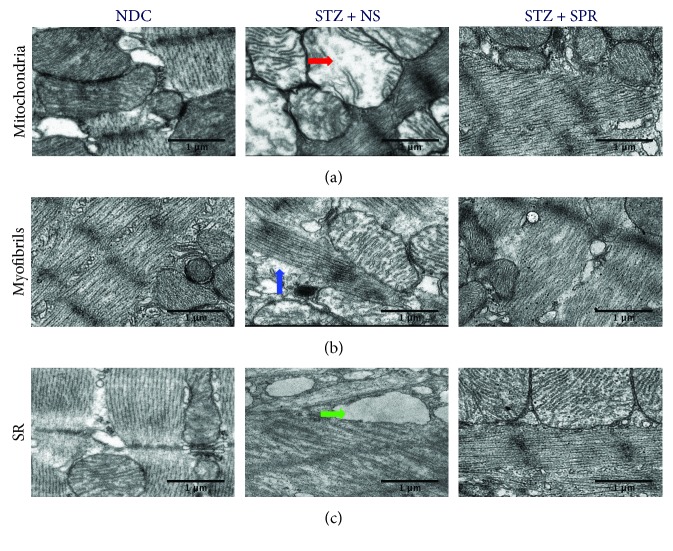
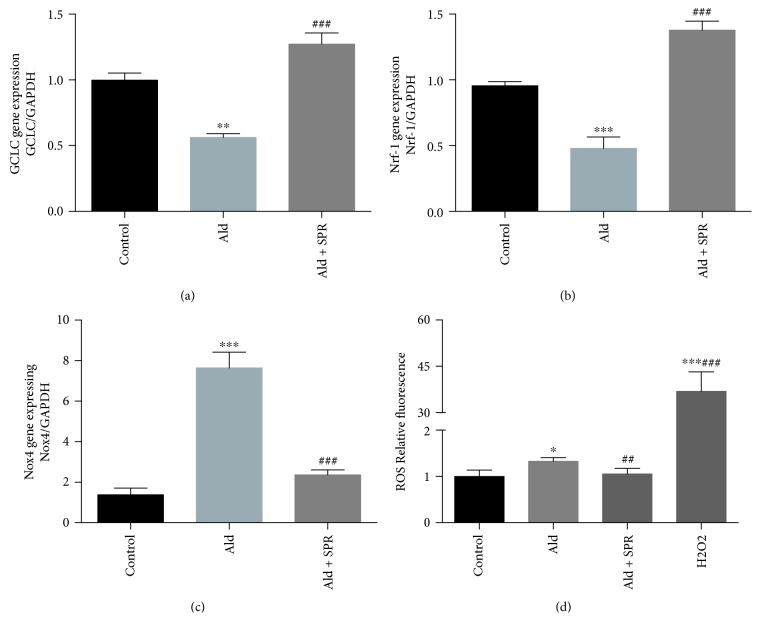
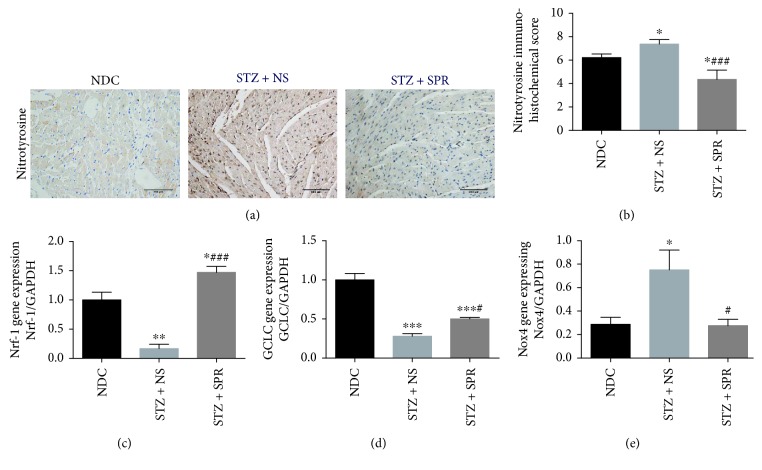
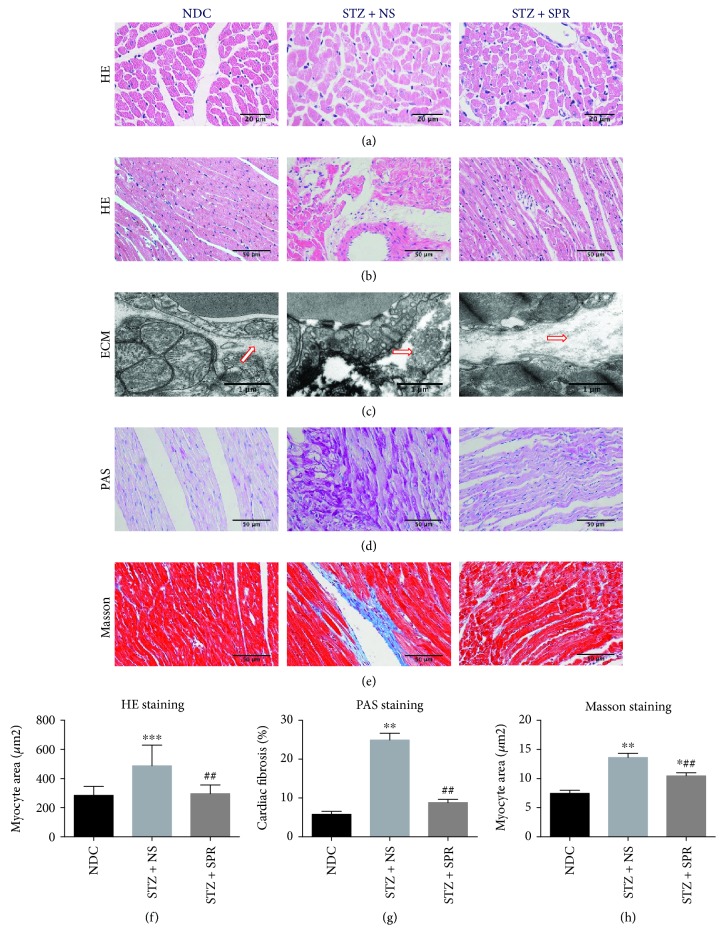
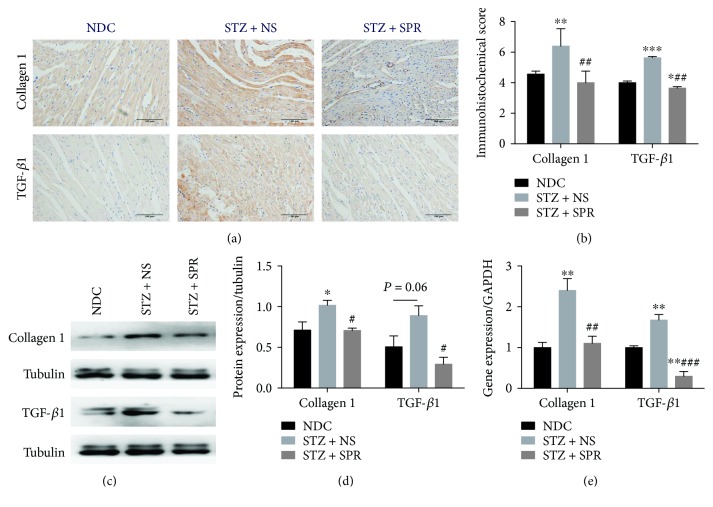
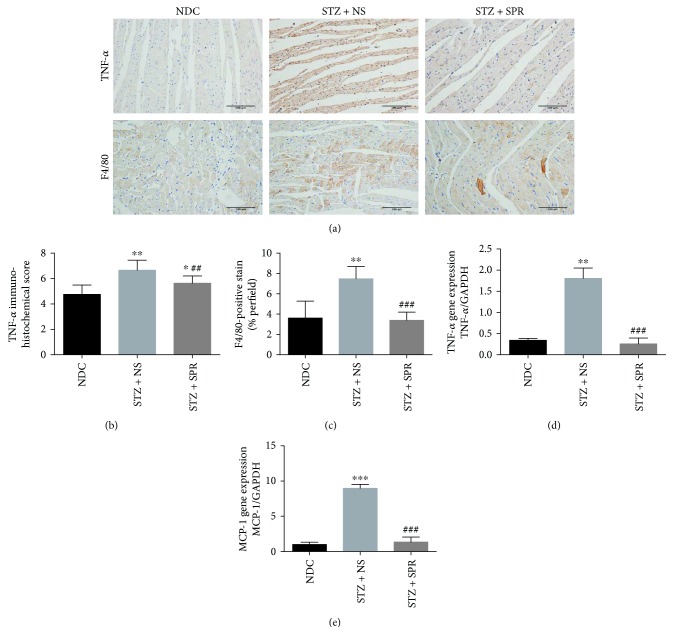
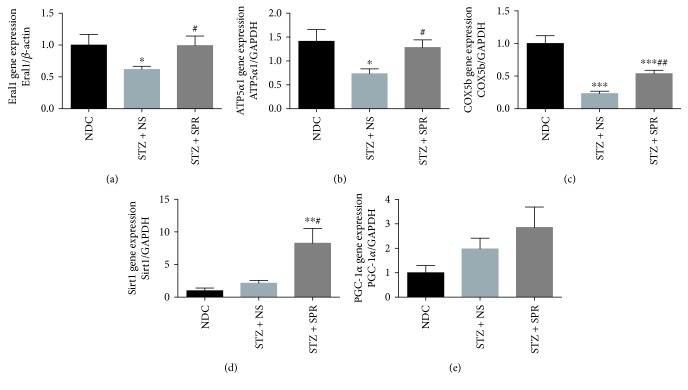
Spironolactone (SPR) has been shown to protect diabetic cardiomyopathy (DCM), but the specific mechanisms are not fully understood. Here, we determined the cardioprotective role of SPR in diabetic mice and further explored the potential mechanisms in both and models. Streptozotocin- (STZ-) induced diabetic rats were used as the in vivo model. After the onset of diabetes, rats were treated with either SPR (STZ + SPR) or saline (STZ + NS) for 12 weeks; nondiabetic rats were used as controls (NDCs). In vitro, H9C2 cells were exposed to aldosterone, with or without SPR. Cardiac structure was investigated with transmission electron microscopy and pathological examination; immunohistochemistry was performed to detect nitrotyrosine, collagen-1, TGF-1, TNF-, and F4/80 expression; and gene expression of markers for oxidative stress, inflammation, fibrosis, and energy metabolism was detected. Our results suggested that SPR attenuated mitochondrial morphological abnormalities and sarcoplasmic reticulum enlargement in diabetic rats. Compared to the STZ + NS group, cardiac oxidative stress, fibrosis, inflammation, and mitochondrial dysfunction were improved by SPR treatment. Our study showed that SPR had cardioprotective effects in diabetic rats by ameliorating mitochondrial dysfunction and reducing fibrosis, oxidative stress, and inflammation. This study, for the first time, indicates that SPR might be a potential treatment for DCM.
螺内酯(SPR)已被证明可保护糖尿病心肌病(DCM),但其具体机制尚不完全清楚。在这里,我们确定了 SPR 在糖尿病小鼠中的心脏保护作用,并进一步在 和 模型中探索了其潜在机制。链脲佐菌素(STZ)诱导的糖尿病大鼠被用作体内模型。糖尿病发作后,大鼠用 SPR(STZ+SPR)或生理盐水(STZ+NS)处理 12 周;非糖尿病大鼠用作对照(NDCs)。在体外,H9C2 细胞暴露于醛固酮,有或没有 SPR。用透射电子显微镜和病理检查研究心脏结构;用免疫组织化学检测硝基酪氨酸、胶原-1、TGF-1、TNF-和 F4/80 的表达;并检测氧化应激、炎症、纤维化和能量代谢标志物的基因表达。我们的结果表明,SPR 减轻了糖尿病大鼠的线粒体形态异常和肌浆网扩张。与 STZ+NS 组相比,SPR 治疗改善了心脏的氧化应激、纤维化、炎症和线粒体功能障碍。本研究表明,SPR 通过改善线粒体功能障碍和减少纤维化、氧化应激和炎症,对糖尿病大鼠具有心脏保护作用。这项研究首次表明,SPR 可能是 DCM 的一种潜在治疗方法。