Center for Nanosicence and Engineering, IISc Bangalore, Bangalore, India.
Robert Bosch Center for Cyber-Physical Systems and Department of Electrical Communications Engineering, IISc Bangalore, Bangalore, India.
Sci Rep. 2018 Nov 8;8(1):16568. doi: 10.1038/s41598-018-34634-x.
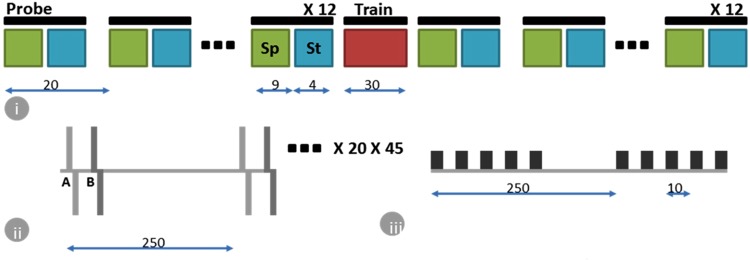
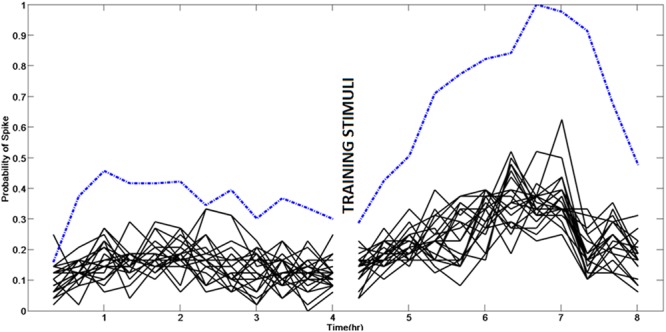
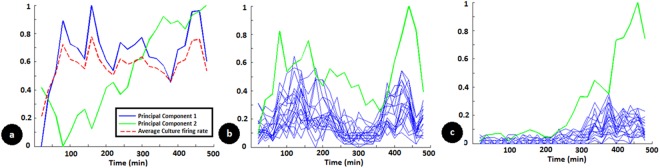
Learning in neuronal networks based on Hebbian principle has been shown to lead to destabilizing effects. Mechanisms have been identified that maintain homeostasis in such networks. However, the way in which these two opposing forces operate to support learning while maintaining stability is an active area of research. In this study, using neuronal networks grown on multi electrode arrays, we show that theta burst stimuli lead to persistent changes in functional connectivity along specific paths while the network maintains a global homeostasis. Simultaneous observations of spontaneous activity and stimulus evoked responses over several hours with theta burst training stimuli shows that global activity of the network quantified from spontaneous activity, which is disturbed due to theta burst stimuli is restored by homeostatic mechanisms while stimulus evoked changes in specific connectivity paths retain a memory trace of the training.
基于赫布原理的神经网络学习已被证明会导致失稳效应。已经确定了维持这种网络内动态平衡的机制。然而,这两种相反的力量如何在支持学习的同时保持稳定性,是一个活跃的研究领域。在这项研究中,我们使用在多电极阵列上生长的神经元网络,表明θ爆发刺激会导致特定路径上功能连接的持续变化,而网络保持全局内稳态。在经过θ爆发训练刺激的几个小时内,对自发活动和刺激诱发反应进行同步观察,表明从自发活动中量化的网络全局活动受到θ爆发刺激的干扰,而由内稳态机制恢复,同时特定连接路径上的刺激诱发变化保留了训练的记忆痕迹。