Vaeteewoottacharn Kulthida, Kariya Ryusho, Pothipan Phattarin, Fujikawa Sawako, Pairojkul Chawalit, Waraasawapati Sakda, Kuwahara Kazuhiko, Wongkham Chaisiri, Wongkham Sopit, Okada Seiji
Division of Hematopoiesis, Center for AIDS research and Graduate School of Medical Sciences, Kumamoto University, Kumamoto, Japan; Department of Biochemistry, Faculty of Medicine, Khon Kaen University, Khon Kaen, Thailand; Cholangiocarcinoma Research Institute, Khon Kaen University, Khon Kaen, Thailand.
Division of Hematopoiesis, Center for AIDS research and Graduate School of Medical Sciences, Kumamoto University, Kumamoto, Japan.
Transl Oncol. 2019 Feb;12(2):217-225. doi: 10.1016/j.tranon.2018.10.007. Epub 2018 Nov 9.
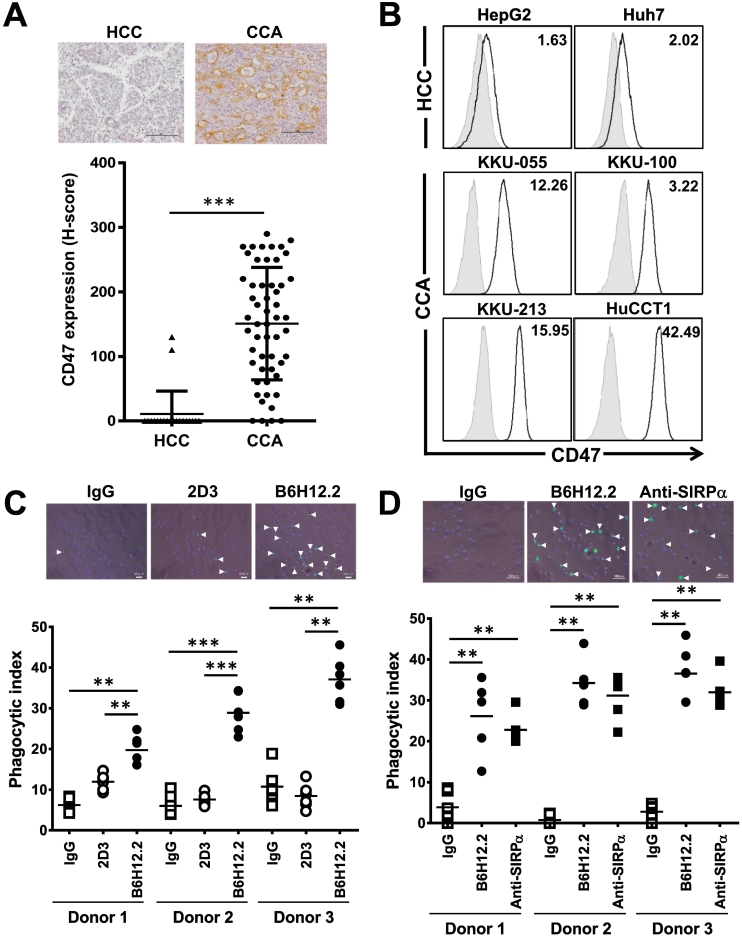
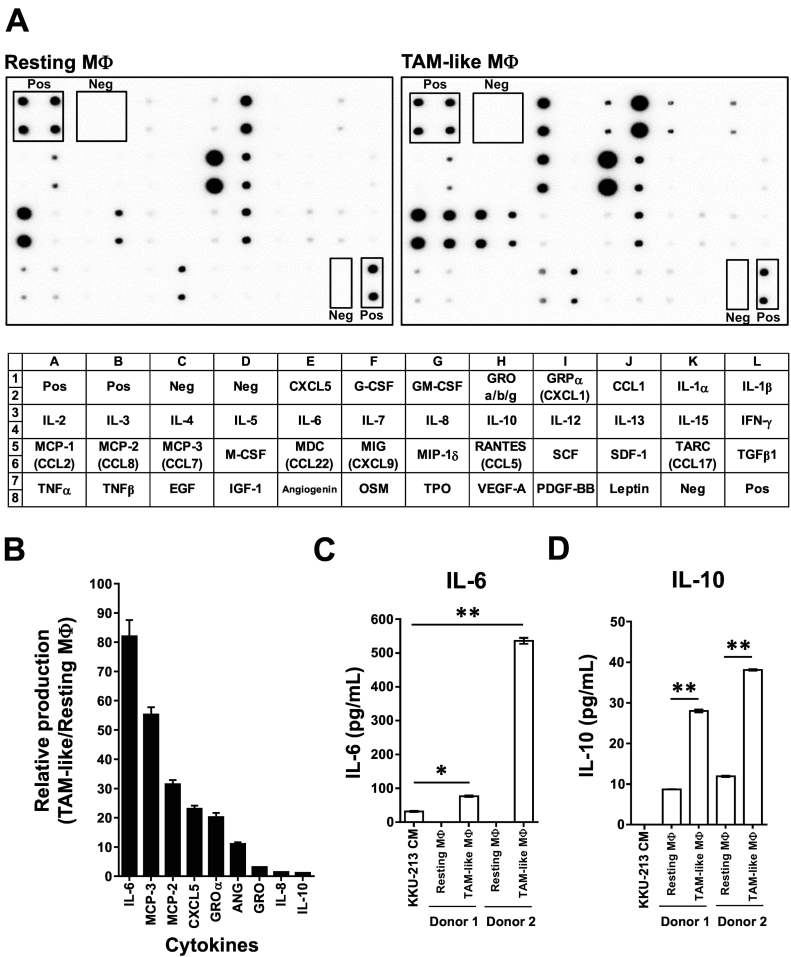
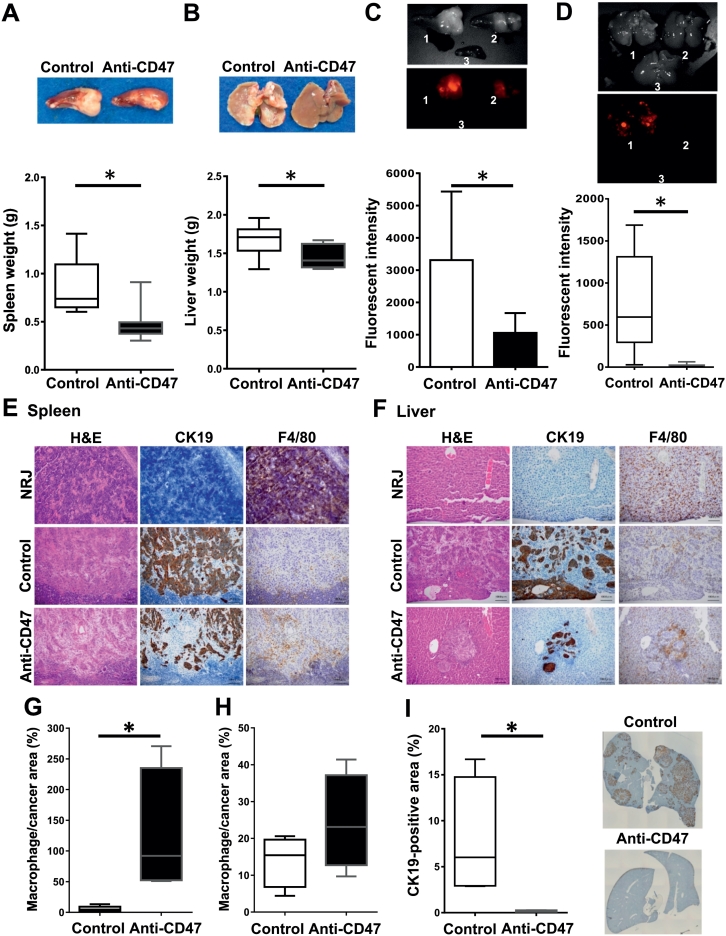
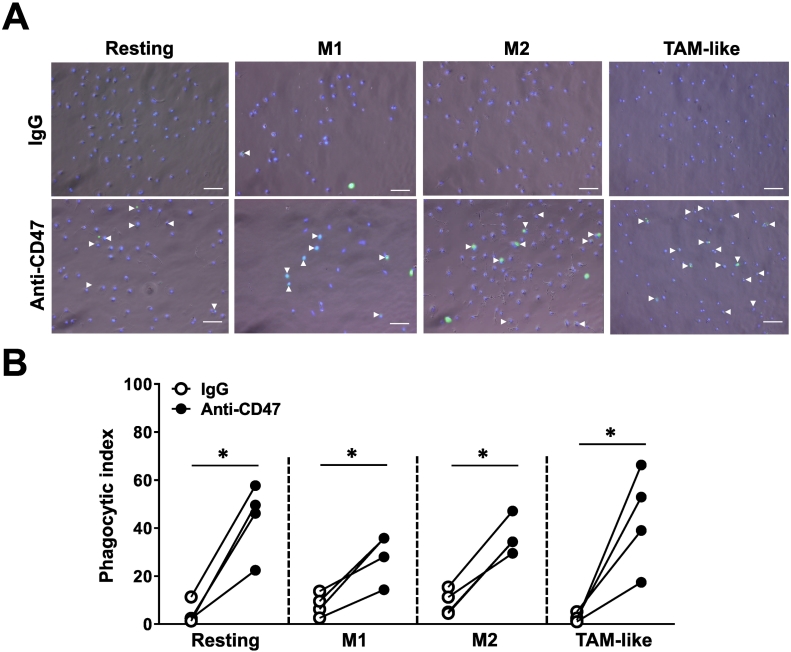
The involvement of chronic inflammation in cholangiocarcinoma (CCA) progression is well established. Cluster of differentiation 47 (CD47) is mutually expressed in various cancers and serves as a protective signal for phagocytic elimination. CD47 signaling blockage is a recent treatment strategy; however, little is known regarding CD47 in CCA. Therefore, the potential use of CD47 targeting in CCA was focused. CD47 was highly expressed in CCA compared to hepatocellular carcinoma (HCC). Disturbance of CD47-signal regulatory protein-α (SIRPα) interaction by blocking antibodies promoted the macrophage phagocytosis. The therapeutic potential of anti-CD47 therapy was demonstrated in liver metastatic model; alleviation of cancer colonization together with dense macrophage infiltrations was observed. The usefulness of anti-CD47 was emphasized by its universal facilitating macrophage activities. Moreover, increased production of inflammatory cytokines, such as IL-6 and IL-10, in macrophage exposed to CCA-conditioned media suggested that CCA alters macrophages toward cancer promotion. Taken together, interfering of CD47-SIRPα interaction promotes macrophage phagocytosis in all macrophage subtypes and consequently suppresses CCA growth and metastasis. The unique overexpression of CD47 in CCA but not HCC offers an exceptional opportunity for a targeted therapy. CD47 is therefore a novel target for CCA treatment.
慢性炎症参与胆管癌(CCA)进展已得到充分证实。分化簇47(CD47)在多种癌症中共同表达,并作为吞噬清除的保护信号。CD47信号阻断是一种新的治疗策略;然而,关于CCA中CD47的情况知之甚少。因此,重点研究了靶向CD47在CCA中的潜在应用。与肝细胞癌(HCC)相比,CD47在CCA中高表达。通过阻断抗体干扰CD47-信号调节蛋白-α(SIRPα)的相互作用可促进巨噬细胞吞噬作用。在肝转移模型中证明了抗CD47治疗的潜在疗效;观察到癌症定植减轻以及巨噬细胞密集浸润。抗CD47通过普遍促进巨噬细胞活性而显示出其有效性。此外,暴露于CCA条件培养基的巨噬细胞中炎性细胞因子如IL-6和IL-10的产生增加,提示CCA使巨噬细胞向促进癌症的方向转变。综上所述,干扰CD47-SIRPα相互作用可促进所有巨噬细胞亚型的巨噬细胞吞噬作用,从而抑制CCA的生长和转移。CD47在CCA而非HCC中的独特过表达为靶向治疗提供了一个特殊机会。因此,CD47是CCA治疗的一个新靶点。