Division of Hematology, University of Colorado Denver, Anschutz Medical Campus, 12700 East 19(th) Avenue, Aurora, CO 80045, USA.
Division of Hematology, University of Colorado Denver, Anschutz Medical Campus, 12700 East 19(th) Avenue, Aurora, CO 80045, USA; Department of Biochemistry and Molecular Genetics, University of Colorado Denver, Aurora, CO 80045, USA.
Cancer Cell. 2018 Nov 12;34(5):724-740.e4. doi: 10.1016/j.ccell.2018.10.005.
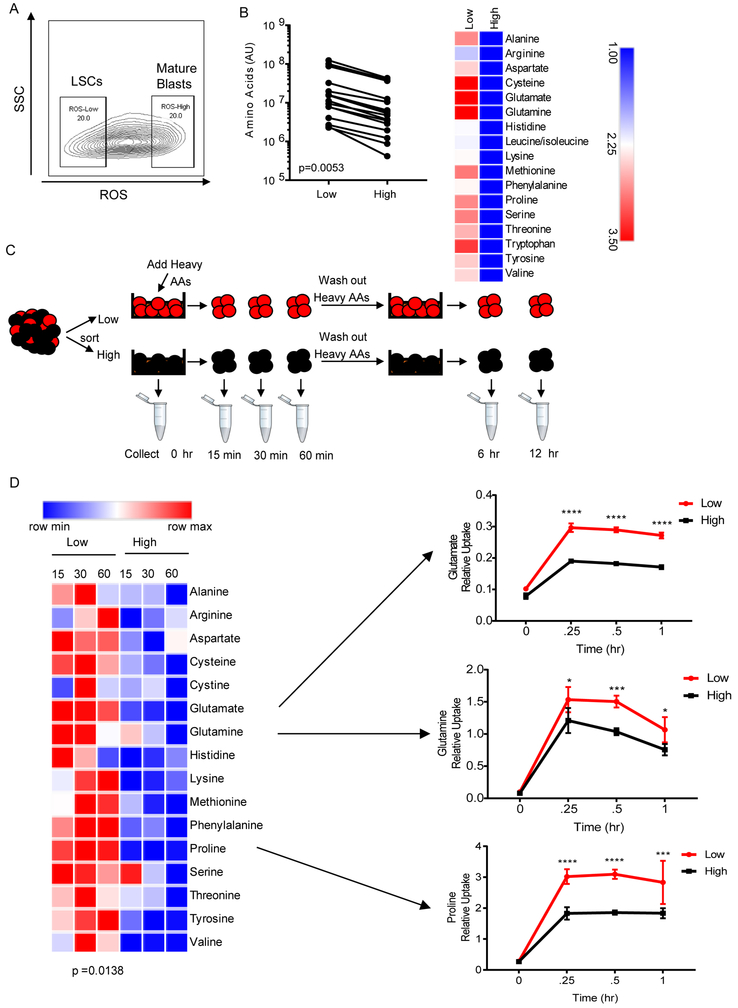
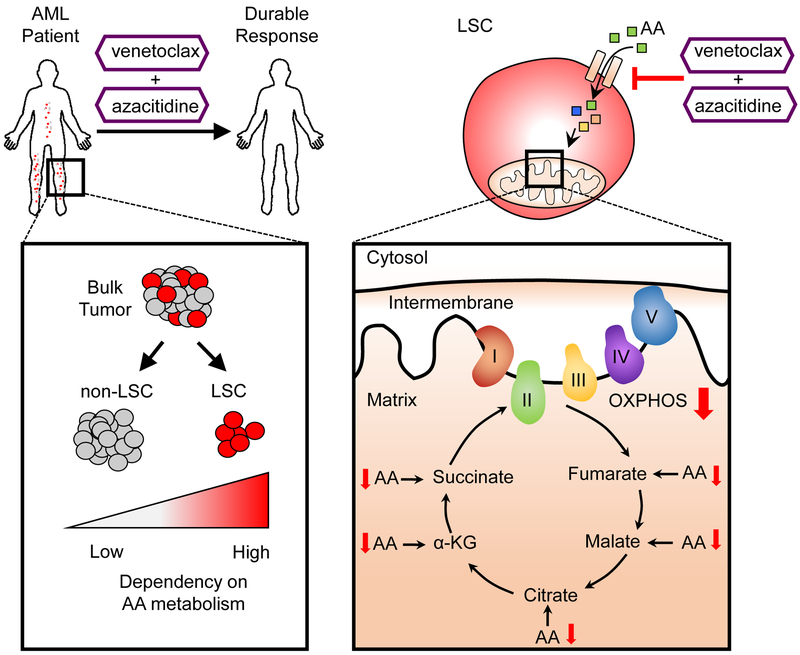
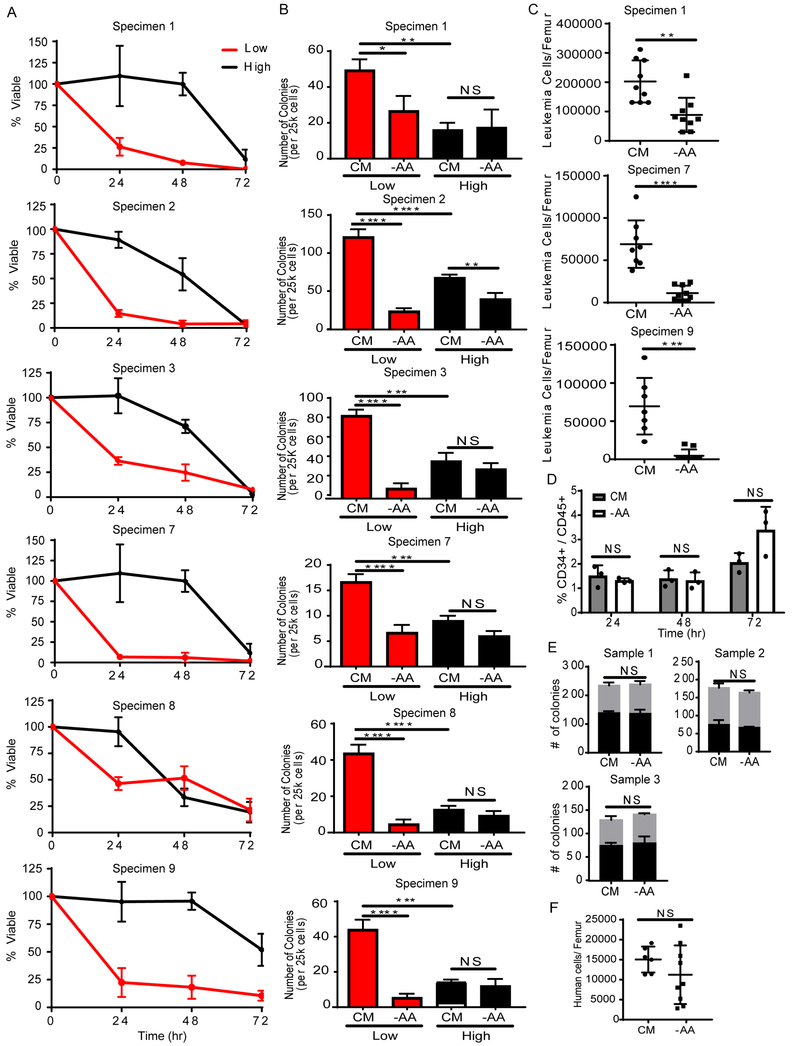
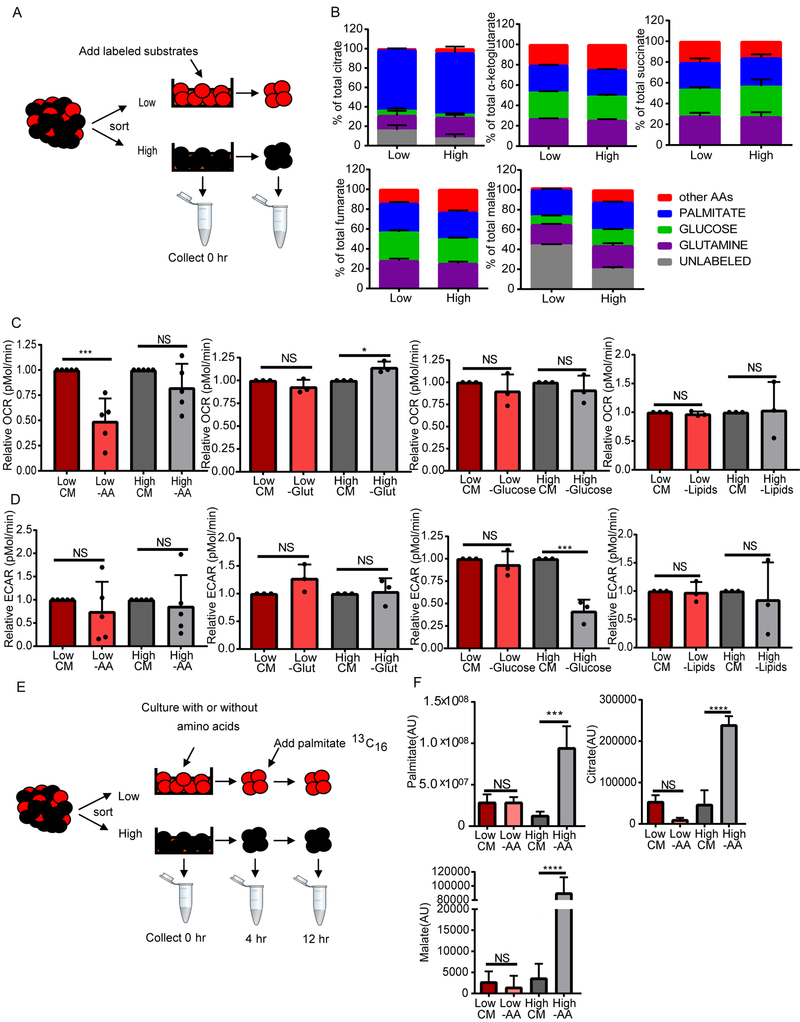
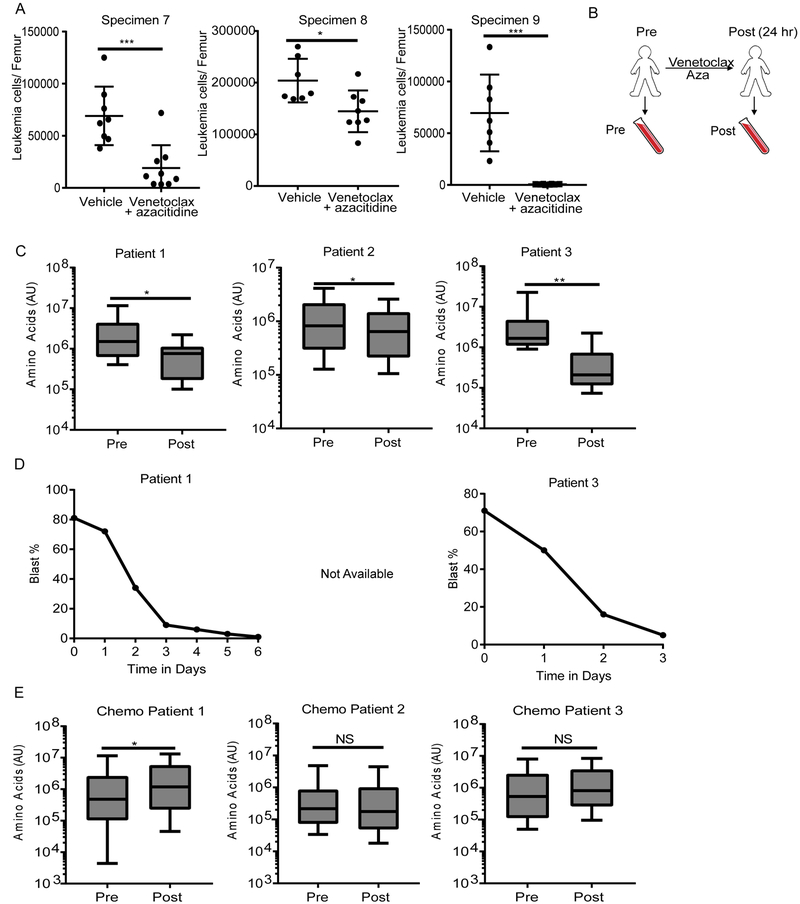
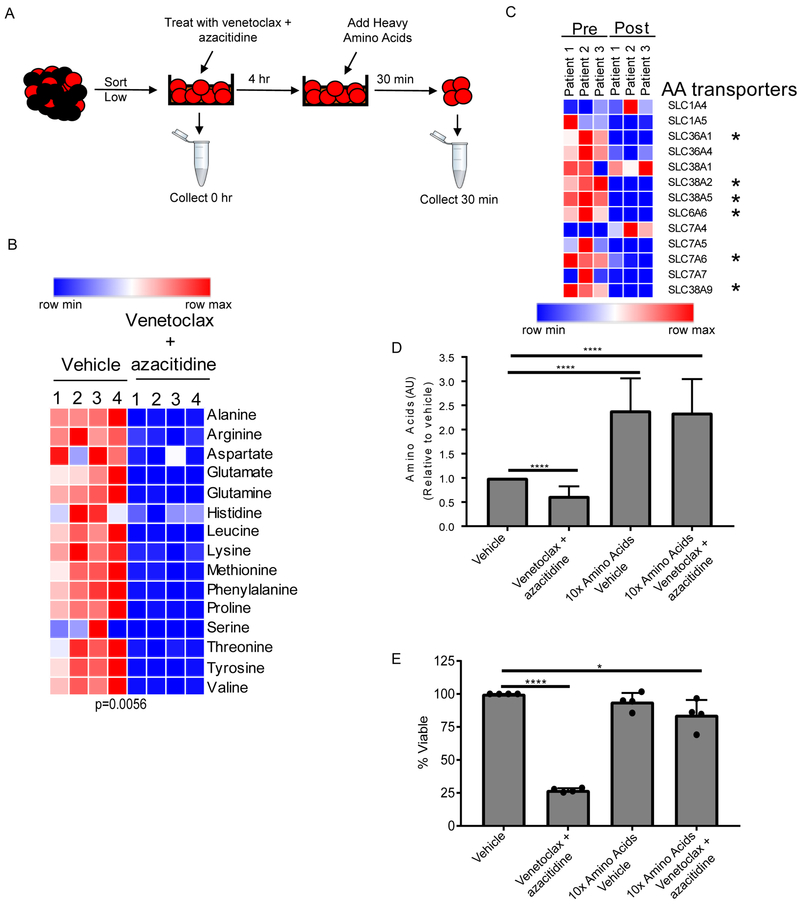
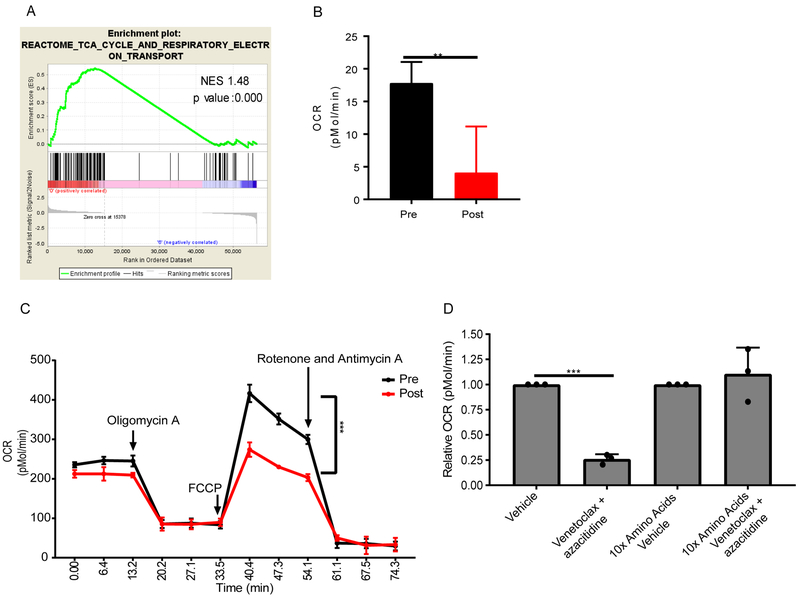
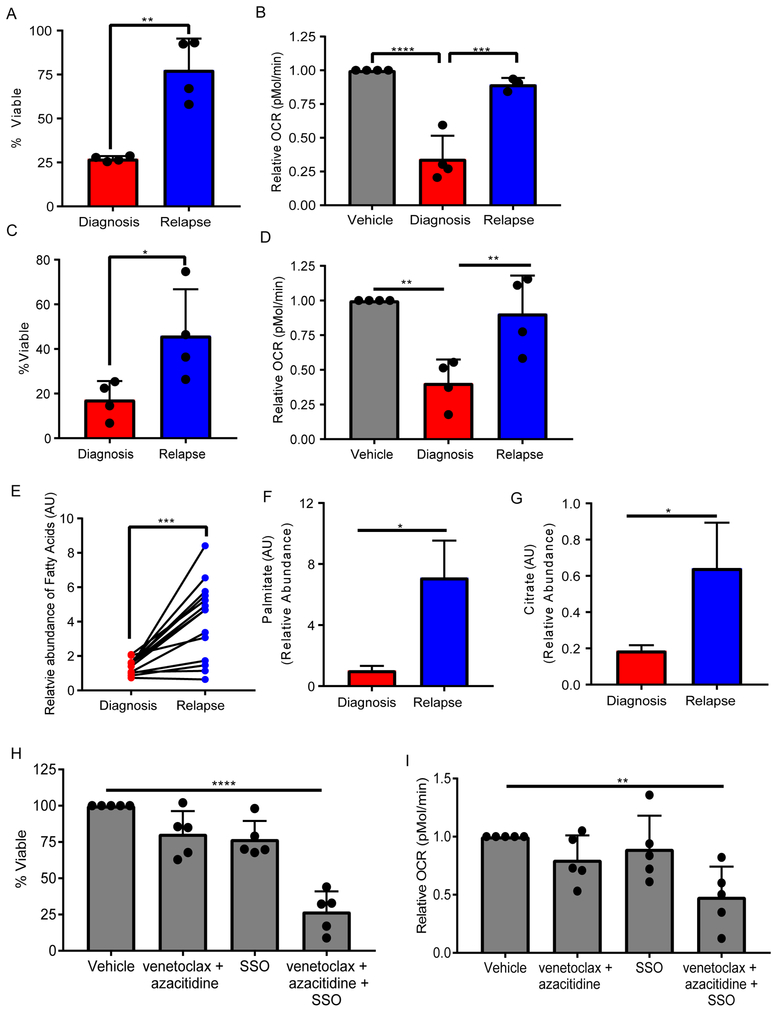
In this study we interrogated the metabolome of human acute myeloid leukemia (AML) stem cells to elucidate properties relevant to therapeutic intervention. We demonstrate that amino acid uptake, steady-state levels, and catabolism are all elevated in the leukemia stem cell (LSC) population. Furthermore, LSCs isolated from de novo AML patients are uniquely reliant on amino acid metabolism for oxidative phosphorylation and survival. Pharmacological inhibition of amino acid metabolism reduces oxidative phosphorylation and induces cell death. In contrast, LSCs obtained from relapsed AML patients are not reliant on amino acid metabolism due to their ability to compensate through increased fatty acid metabolism. These findings indicate that clinically relevant eradication of LSCs can be achieved with drugs that target LSC metabolic vulnerabilities.
在这项研究中,我们探究了人类急性髓系白血病(AML)干细胞的代谢组,以阐明与治疗干预相关的特性。我们证明,在白血病干细胞(LSC)群体中,氨基酸摄取、稳态水平和分解代谢都升高了。此外,从初发 AML 患者中分离出的 LSCs 独特地依赖于氨基酸代谢进行氧化磷酸化和存活。氨基酸代谢的药理学抑制降低了氧化磷酸化并诱导细胞死亡。相比之下,由于能够通过增加脂肪酸代谢来代偿,来自复发 AML 患者的 LSCs 不依赖于氨基酸代谢。这些发现表明,通过靶向 LSC 代谢脆弱性的药物可以实现对 LSC 的临床相关根除。