Qin Fen, Wang Quan, Zhang Chunlian, Fang Caiyun, Zhang Liping, Chen Hailin, Zhang Mi, Cheng Fei
Department of Obstetrics and Gynecology, Taihe Hospital, Hubei University of Medicine, Shiyan, Hubei, China.
Department of Stomatology, Taihe Hospital, Hubei University of Medicine, Shiyan, Hubei, China.
Infect Drug Resist. 2018 Oct 17;11:1893-1901. doi: 10.2147/IDR.S175588. eCollection 2018.
Antifungal drugs are used frequently in the treatment of vulvovaginal candidiasis (VVC), but have shown controversial results. In this study, we aimed to evaluate the effectiveness of different antifungal drugs in the treatment of VVC and to provide an evidence-based reference for clinical use.
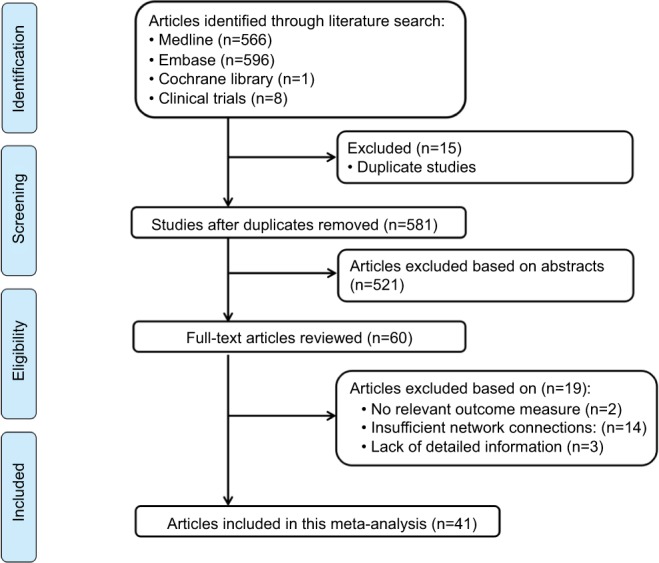
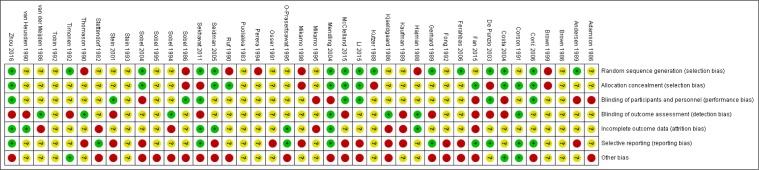
The published studies on the effectiveness of antifungal drugs in the treatment of VVC (up to April 2018) were retrieved from PubMed, Embase, the Cochrane Library, and Clini-calTrials.gov. We sifted through the literature according to Patients, Interventions, Comparisons and Outcomes principle, extracted data on the basic characteristics of the study, and evaluated the quality of included studies. We used R software for statistical analysis.
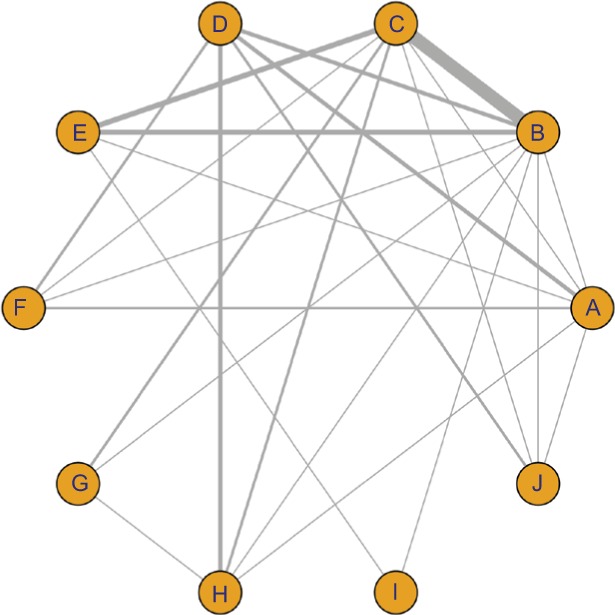
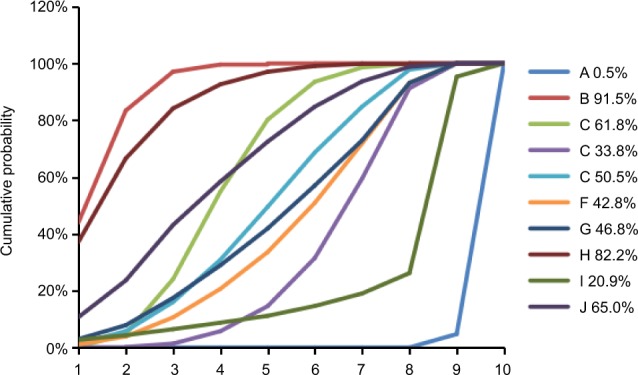
In total, 41 randomized controlled trials were included in this meta-analysis. The relative risk of VVC associated with ten drugs, including placebo, fluconazole, clotrimazole, miconazole, itraconazole, ketoconazole, econazole, butoconazole, terbinafine, and terconazole, was analyzed. The following drugs appeared to show more efficacy than placebo in the treated patients: fluconazole (OR =6.45, 95% CrI 4.42-9.41), clotrimazole (OR =2.99, 95% CrI 1.61-5.55), miconazole (OR =5.96, 95% CrI 3.17-11.2), itraconazole (OR =2.29, 95% CrI 1.21-4.33), ketoconazole (OR =2.40, 95% CrI 1.55-3.71), butoconazole (OR =1.18, 95% CrI 1.06-1.31), and terconazole (OR =5.60, 95% CrI 2.78-11.3). The value of surface under the cumulative ranking curve of each drug was as follows: placebo (0.5%), fluconazole (91.5%), clotrimazole (61.8%), miconazole (33.8%), itraconazole (50.5%), ketoconazole (42.8%), econazole (46.8%), butoconazole (82.2%), terbinafine (20.9%), and terconazole (65.0%).
Antifungal drugs are effective in the treatment of VVC. Fluconazole appeared to be the best drug for the treatment of VVC according to our analysis.
抗真菌药物常用于治疗外阴阴道念珠菌病(VVC),但其疗效存在争议。本研究旨在评估不同抗真菌药物治疗VVC的有效性,为临床用药提供循证参考。
从PubMed、Embase、Cochrane图书馆和ClinicalTrials.gov检索截至2018年4月发表的关于抗真菌药物治疗VVC有效性的研究。我们根据患者、干预措施、对照和结局原则筛选文献,提取研究的基本特征数据,并评估纳入研究的质量。我们使用R软件进行统计分析。
本荟萃分析共纳入41项随机对照试验。分析了与10种药物(包括安慰剂、氟康唑、克霉唑、咪康唑、伊曲康唑、酮康唑、益康唑、布康唑、特比萘芬和特康唑)相关的VVC相对风险。以下药物在治疗患者中似乎比安慰剂更有效:氟康唑(OR =6.45,95% CrI 4.42 - 9.41)、克霉唑(OR =2.99,95% CrI 1.61 - 5.55)、咪康唑(OR =5.96,95% CrI 3.17 - 11.2)、伊曲康唑(OR =2.29,95% CrI 1.21 - 4.33)、酮康唑(OR =2.40,95% CrI 1.55 - 3.71)、布康唑(OR =1.18,95% CrI 1.06 - 1.31)和特康唑(OR =5.60,95% CrI 2.78 - 11.3)。每种药物累积排序曲线下面积的值如下:安慰剂(0.5%)、氟康唑(91.5%)、克霉唑(61.8%)、咪康唑(33.8%)、伊曲康唑(50.5%)、酮康唑(42.8%)、益康唑(46.8%)、布康唑(82.2%)、特比萘芬(20.9%)和特康唑(65.0%)。
抗真菌药物对治疗VVC有效。根据我们的分析,氟康唑似乎是治疗VVC的最佳药物。