Pires Hérica Ribeiro Almeida, Franco Augusto Cesar, Piedade Maria Teresa Fernandez, Scudeller Veridiana Vizoni, Kruijt Bart, Ferreira Cristiane Silva
Department of Botany, University of Brasilia, Brasilia, DF, Brazil.
National Institute for Amazonian Research (INPA), INPA/Max-Planck Project, Manaus, AM, Brazil.
AoB Plants. 2018 Oct 12;10(6):ply065. doi: 10.1093/aobpla/ply065. eCollection 2018 Dec.
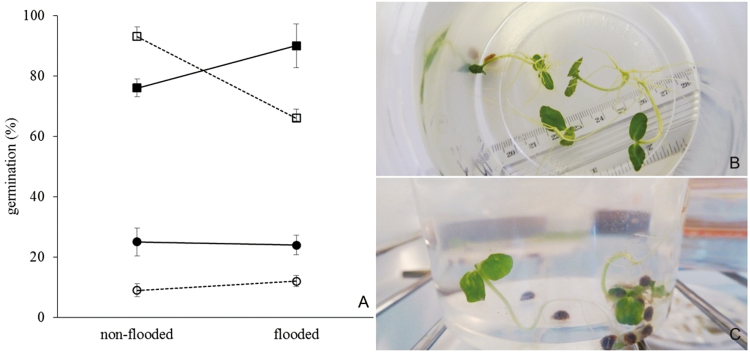
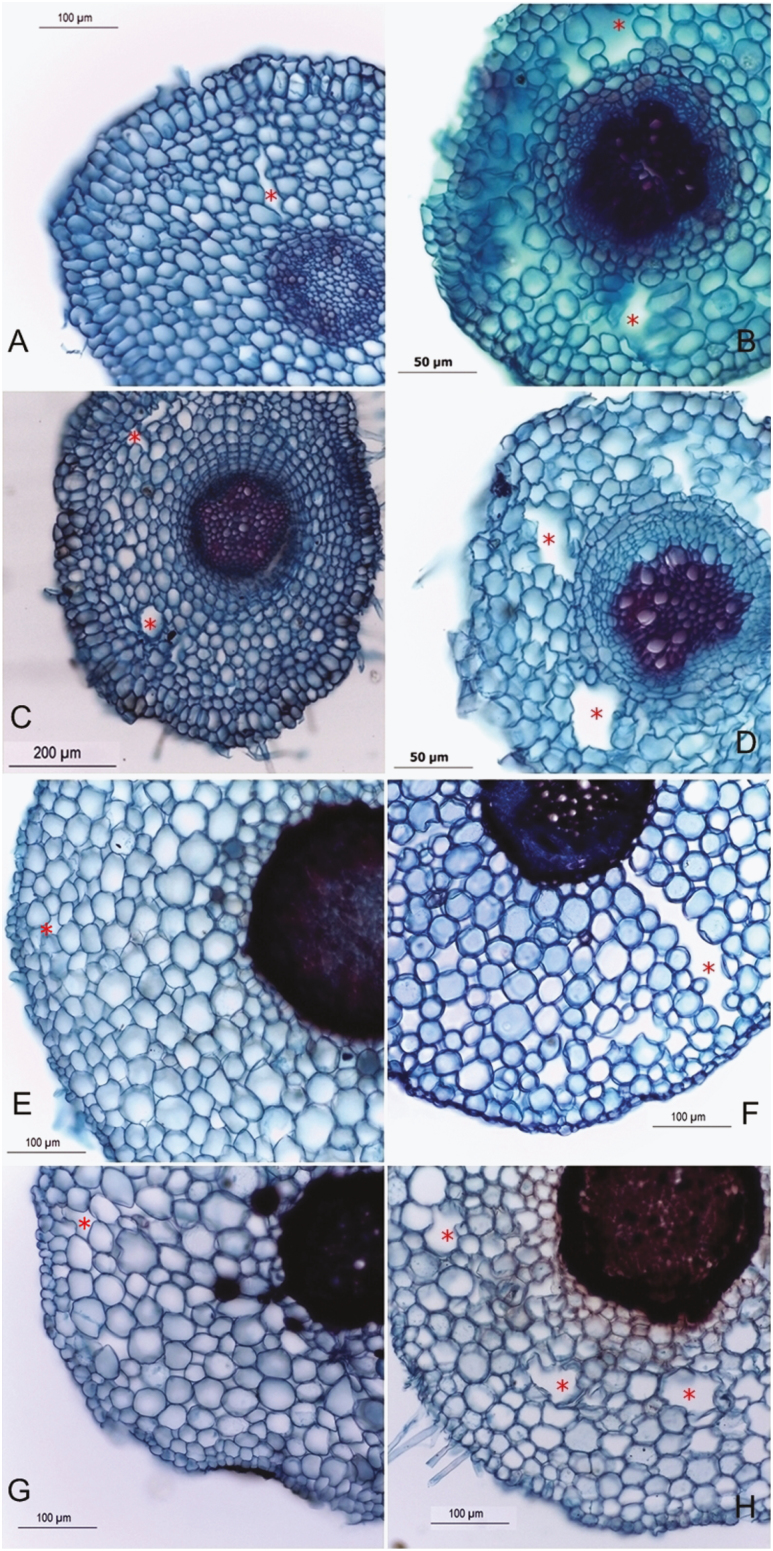
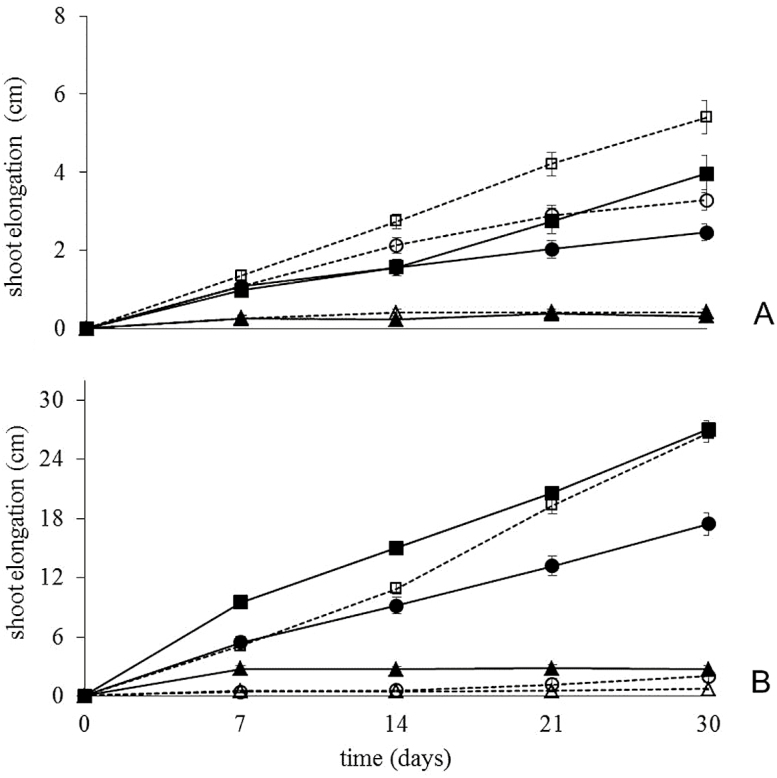
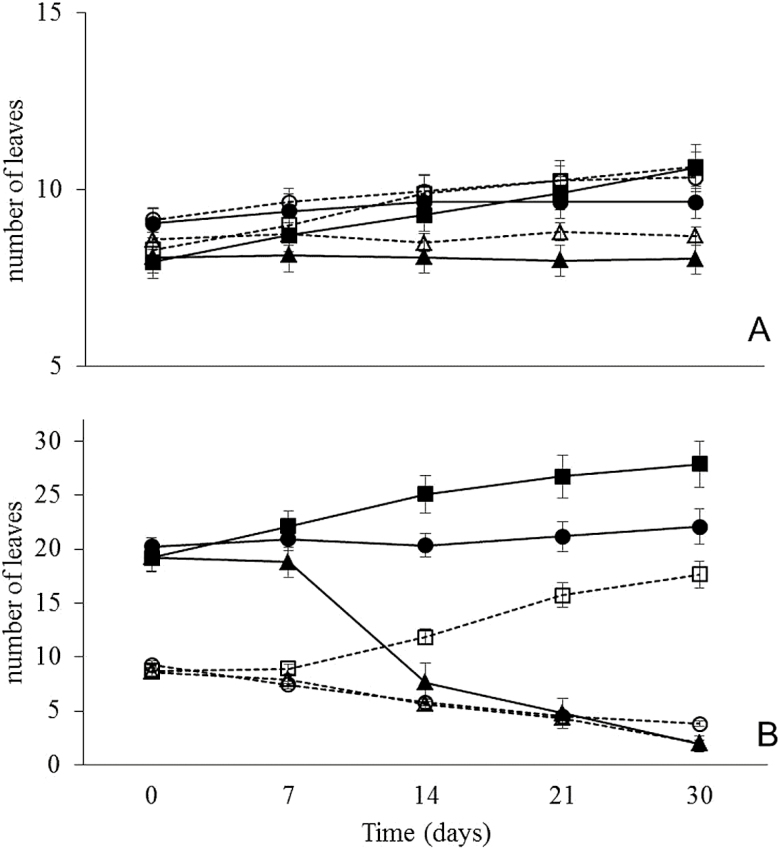
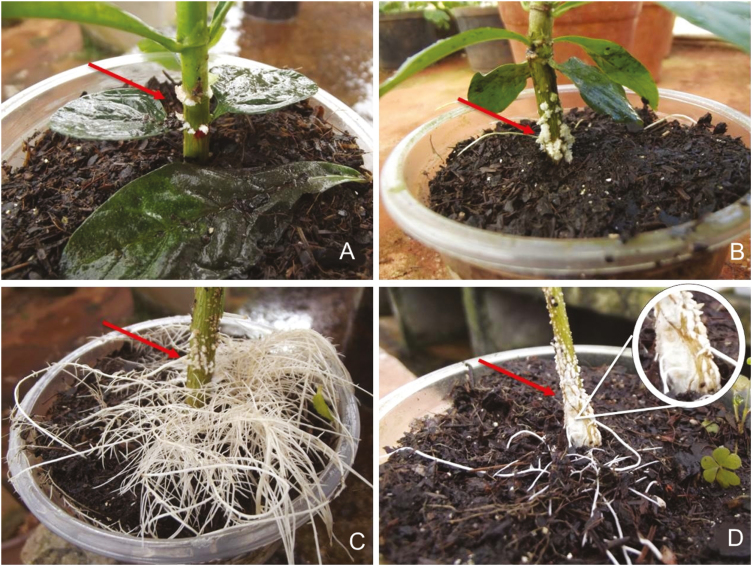
Comparing plants of the same species thriving in flooded and non-flooded ecosystems helps to clarify the interplay between natural selection, phenotypic plasticity and stress adaptation. We focussed on responses of seeds and seedlings of and to substrate waterlogging or total submergence. Both species are commonly found in floodplain forests of Central Amazonia and in seasonally dry savannas of Central Brazil (Cerrado). Although seeds of Amazonian and Cerrado were similar in size, the germination percentage of Cerrado seeds was decreased by submergence (3 cm water) and increased in Amazonian seeds. The seeds of Amazonian were heavier than Cerrado seeds, but germination of both types was unaffected by submergence. Three-month-old Amazonian and Cerrado seedlings of both species survived 30 days of waterlogging or submersion despite suffering significant inhibition in biomass especially if submerged. Shoot elongation was also arrested. Submersion triggered chlorosis and leaf abscission in Amazonian and Cerrado while waterlogging did so only in Cerrado seedlings. During 30 days of re-exposure to non-flooded conditions, plants that lost their leaves produced a replacement flush. However, they attained only half the plant dry mass of non-flooded plants. Both submerged and waterlogged retained their leaves. Consequently, plant dry mass after 30 days recovery was less depressed by these stresses than in . Small amounts of cortical aerenchyma were found in roots 2 cm from the tip of well-drained plants. The amount was increased by flooding. Waterlogging but not submergence promoted hypertrophy of lenticels at the stem base of both species and adventitious rooting in . Despite some loss of performance in dryland plants, flood tolerance traits were present in wetland and dryland populations of both species. They are part of an overall stress-response potential that permits flexible acclimation to locally flooded conditions.
比较生长在水淹和非水淹生态系统中的同一物种的植物,有助于阐明自然选择、表型可塑性和应激适应之间的相互作用。我们重点研究了[两种植物名称未给出]种子和幼苗对基质渍水或完全淹没的反应。这两个物种常见于亚马孙中部的河漫滩森林和巴西中部季节性干燥的稀树草原(塞拉多)。虽然亚马孙和塞拉多[植物名称未给出]的种子大小相似,但塞拉多种子的发芽率因淹没(3厘米水深)而降低,而亚马孙种子的发芽率则增加。亚马孙[植物名称未给出]的种子比塞拉多种子重,但两种类型的种子发芽均不受淹没影响。两个物种三个月大的亚马孙和塞拉多幼苗在渍水或淹没30天后均存活下来,尽管生物量受到显著抑制,尤其是在被淹没的情况下。茎的伸长也停止了。淹没导致亚马孙和塞拉多[植物名称未给出]出现黄化和叶片脱落,而渍水仅导致塞拉多幼苗出现这种情况。在重新暴露于非水淹条件的30天内,失去叶子的[植物名称未给出]植株长出了新叶。然而,它们的植株干重仅达到未受水淹植株的一半。淹没和渍水的[植物名称未给出]均保留了叶子。因此,在30天恢复后,这些胁迫对[植物名称未给出]植株干重的影响比对[另一种植物名称未给出]的影响小。在排水良好的植株根尖2厘米处的根中发现少量皮层通气组织。水淹会增加其数量。渍水而非淹没促进了两个物种茎基部皮孔的肥大以及[植物名称未给出]的不定根形成。尽管旱地植物的一些性能有所损失,但两个物种的湿地和旱地种群都具有耐淹特性。它们是整体应激反应潜能的一部分,允许灵活适应局部水淹条件。