Gilbert F, Schneemann C, Scholz C J, Kickuth R, Meffert R H, Wildenauer R, Lorenz U, Kellersmann R, Busch A
Department of Orthopaedic Trauma, Hand, Plastic and Reconstructive Surgery, University Hospital Würzburg, Würzburg, Germany.
Department of Trauma Hand Plastic and Reconstructive Surgery, University Munich Germany, Julius-Maximilians-University of Würzburg Oberdürrbacherstr, 6 D-, 97080, Würzburg, Germany.
BMC Musculoskelet Disord. 2018 Nov 20;19(1):404. doi: 10.1186/s12891-018-2333-y.
Vascular damage in polytrauma patients is associated with high mortality and morbidity. Therefore, specific clinical implications of vascular damage with fractures in major trauma patients are reassessed.
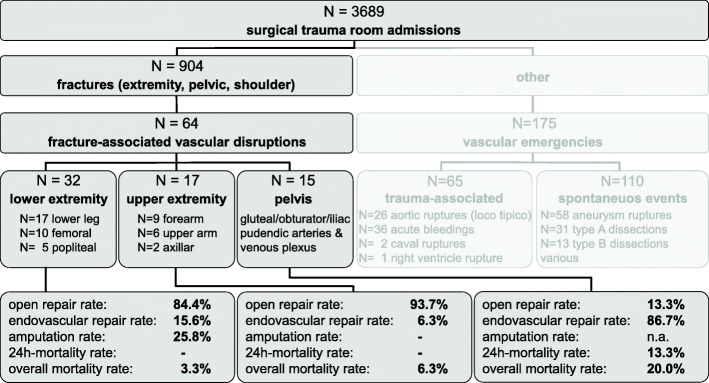
This comprehensive nine-year retrospective single center cohort study analyzed demography, laboratory, treatment and outcome data from 3689 patients, 64 patients with fracture-associated vascular injuries were identified and were compared to a control group.
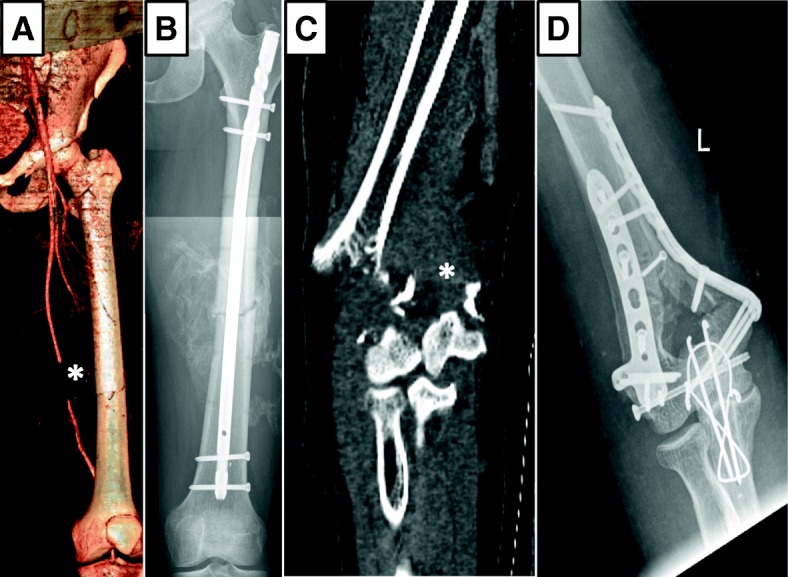
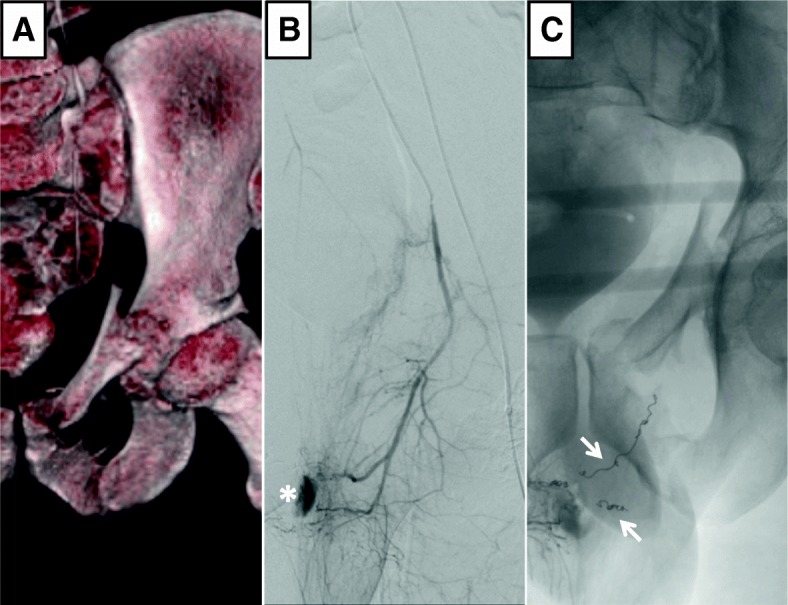
Vascular damage occurred in 7% of patients with upper and lower limb and pelvic fractures admitted to the trauma room. Overall survival was 80% in pelvic fracture and 97% in extremity fracture patients and comparable to non-vascular trauma patients. Additional arterial damage required substantial fluid administration and was visible as significantly anemia and disturbed coagulation tests upon admission. Open procedures were done in over 80% of peripheral extremity vascular damage. Endovascular procedures were predominant (87%) in pelvic injury.
Vascular damage is associated with high mortality rates especially in combination with pelvic fractures. Initial anemia, disturbed coagulation tests and the need for extensive pre-clinical fluid substitution were observed in the cohort with vascular damage. Therefore, fast diagnosis and early interventional and surgical procedures are necessary to optimize patient-specific outcome.
多发伤患者的血管损伤与高死亡率和高发病率相关。因此,对主要创伤患者中血管损伤合并骨折的具体临床意义进行了重新评估。
这项为期九年的综合性单中心回顾性队列研究分析了3689例患者的人口统计学、实验室检查、治疗及预后数据,确定了64例骨折相关血管损伤患者,并与对照组进行比较。
创伤病房收治的上下肢及骨盆骨折患者中,7%发生血管损伤。骨盆骨折患者的总体生存率为80%,四肢骨折患者为97%,与非血管创伤患者相当。额外的动脉损伤需要大量补液,入院时表现为明显贫血和凝血检查异常。超过80%的外周肢体血管损伤采用开放手术治疗。骨盆损伤中血管内治疗占主导(87%)。
血管损伤尤其是合并骨盆骨折时与高死亡率相关。该血管损伤队列中观察到初始贫血、凝血检查异常以及需要大量临床前液体替代。因此,快速诊断以及早期介入和外科手术对于优化患者个体预后是必要的。