Mandonnet Emmanuel, Sarubbo Silvio, Petit Laurent
Department of Neurosurgery, Lariboisière Hospital, Paris, France.
Division of Neurosurgery, Structural and Functional Connectivity Lab, Azienda Provinciale per i Servizi Sanitari (APSS), Trento, Italy.
Front Neuroanat. 2018 Nov 6;12:94. doi: 10.3389/fnana.2018.00094. eCollection 2018.
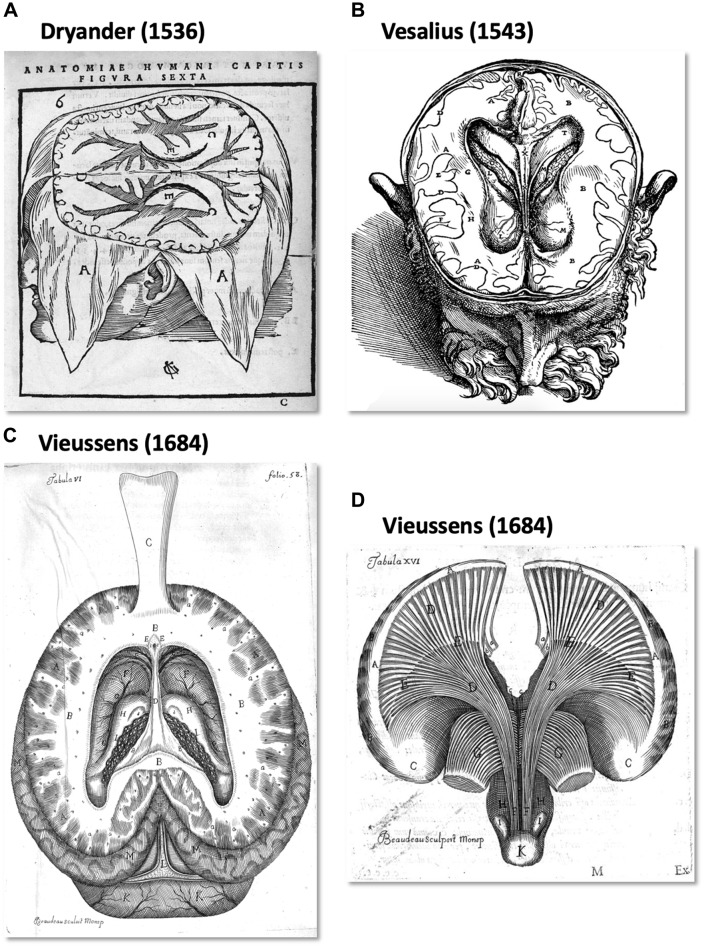
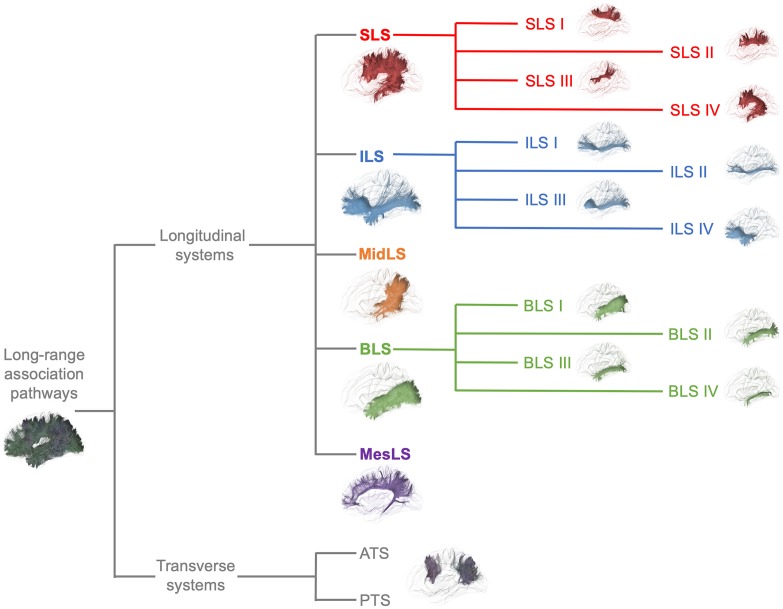
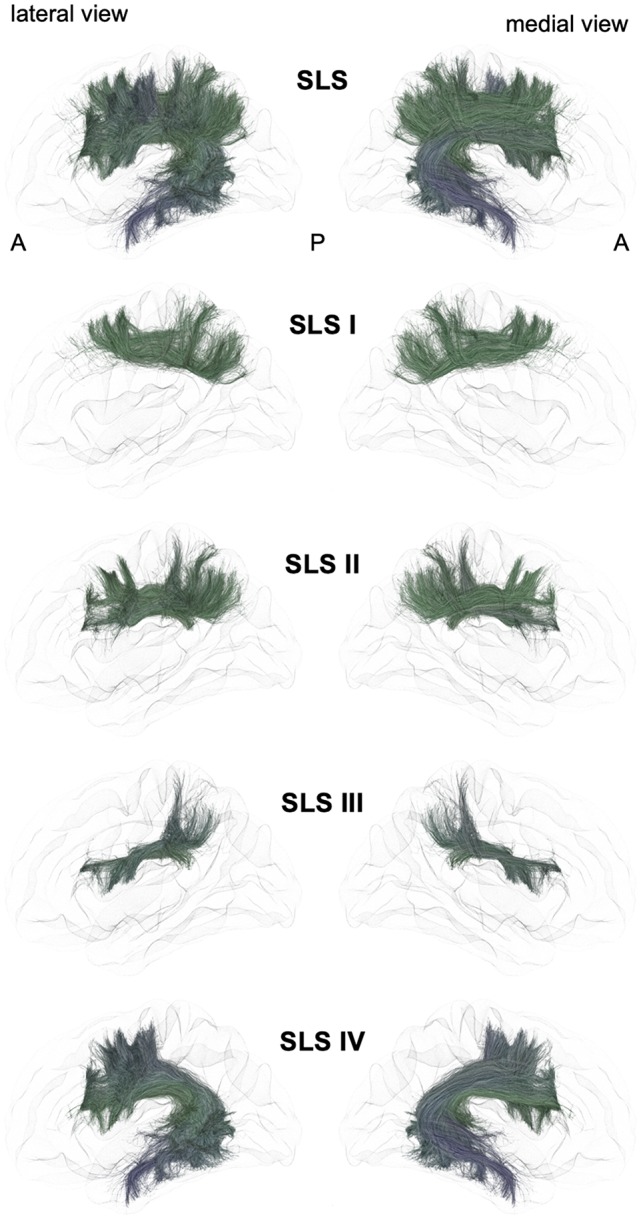
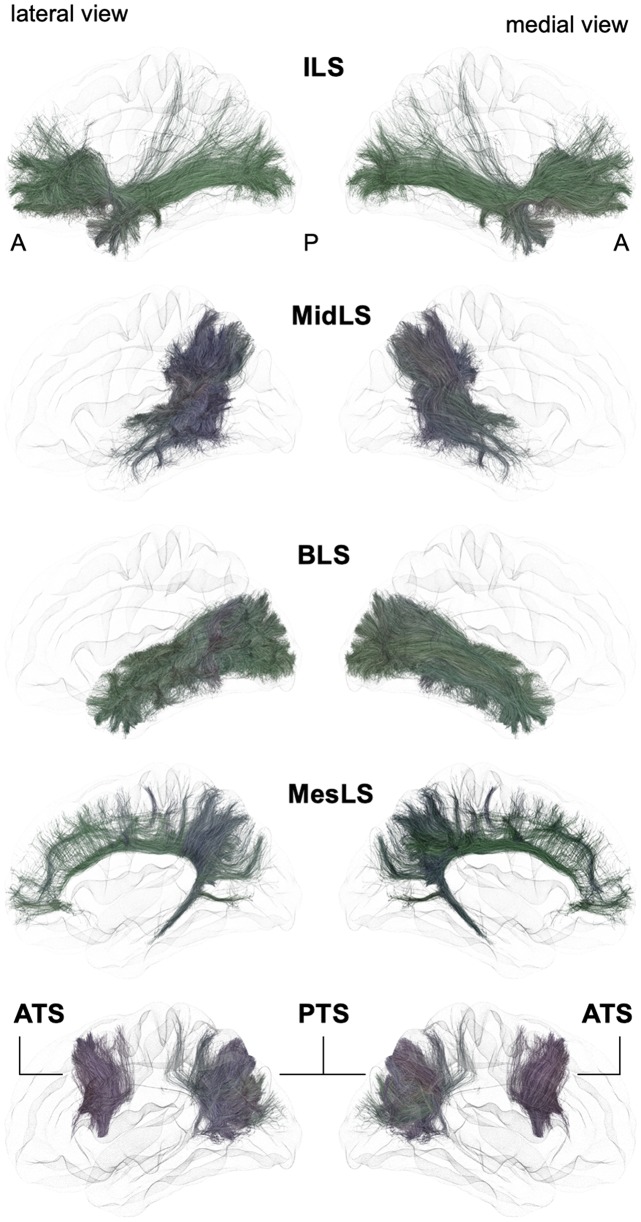
The heterogeneity and complexity of white matter (WM) pathways of the human brain were discretely described by pioneers such as Willis, Stenon, Malpighi, Vieussens and Vicq d'Azyr up to the beginning of the 19th century. Subsequently, novel approaches to the gross dissection of brain internal structures have led to a new understanding of WM organization, notably due to the works of Reil, Gall and Burdach highlighting the fascicular organization of WM. Meynert then proposed a definitive tripartite organization in association, commissural and projection WM pathways. The enduring anatomical work of Dejerine at the turn of the 20th century describing WM pathways in detail has been the paramount authority on this topic (including its terminology) for over a century, enriched sporadically by studies based on blunt Klingler dissection. Currently, diffusion-weighted magnetic resonance imaging (DWI) is used to reveal the WM fiber tracts of the human brain by measuring the diffusion of water molecules, especially along axons. It is then possible by tractography to reconstitute the WM pathways of the human brain step by step at an unprecedented level of precision in large cohorts. However, tractography algorithms, although powerful, still face the complexity of the organization of WM pathways, and there is a crucial need to benefit from the exact definitions of the trajectories and endings of all WM fascicles. Beyond such definitions, the emergence of DWI-based tractography has mostly revealed strong heterogeneity in naming the different bundles, especially the long-range association pathways. This review addresses the various terminologies known for the WM association bundles, aiming to describe the rules of arrangements followed by these bundles and to propose a new nomenclature based on the structural wiring diagram of the human brain.
直到19世纪初,诸如威利斯、斯泰农、马尔皮基、维厄桑斯和维克·德阿齐尔等先驱者对人类大脑白质(WM)通路的异质性和复杂性进行了详尽描述。随后,大脑内部结构大体解剖的新方法带来了对WM组织的新认识,这尤其归功于赖尔、加尔和布尔达赫的研究,他们强调了WM的束状组织。迈内特随后提出了联合、连合和投射WM通路的明确三方组织。20世纪之交,德热里纳进行了持久的解剖学研究,详细描述了WM通路,一个多世纪以来,这一直是该主题(包括其术语)的最高权威,偶尔也有基于钝性克林格勒解剖的研究对其进行补充。目前,扩散加权磁共振成像(DWI)通过测量水分子的扩散,尤其是沿轴突的扩散,来揭示人类大脑的WM纤维束。然后,通过纤维束成像可以以前所未有的精度在大型队列中逐步重建人类大脑的WM通路。然而,尽管纤维束成像算法功能强大,但仍面临WM通路组织的复杂性,迫切需要受益于所有WM束轨迹和终点的确切定义。除了这些定义之外,基于DWI的纤维束成像的出现大多揭示了在命名不同束时存在的强烈异质性,尤其是远程联合通路。本综述探讨了WM联合束的各种已知术语,旨在描述这些束遵循的排列规则,并基于人类大脑的结构布线图提出一种新的命名法。