Guo Peng-Da, Sun Zhong-Wen, Lai Hui-Jun, Yang Jie, Wu Ping-Ping, Guo Yun-Di, Sun Jing
Institute of Medical Technology, Suzhou Vocational Health College, Suzhou, Jiangsu 215009, China,
Department of Ultrasound, Suzhou Traditional Chinese Medicine, Suzhou, Jiangsu 215007, China.
Onco Targets Ther. 2018 Nov 1;11:7635-7642. doi: 10.2147/OTT.S177329. eCollection 2018.
(PD-L2), a ligand of programmed cell death protein 1 (PD-1), is an inhibitory receptor of T cells and activated B cells. Many studies have focused on PD-L1, another ligand of PD-1, and the prognostic significance of PD-L1 has been reported in many tumors. However, the expression of PD-L2 in relation to clinical outcomes has not been fully investigated in cancer patients.
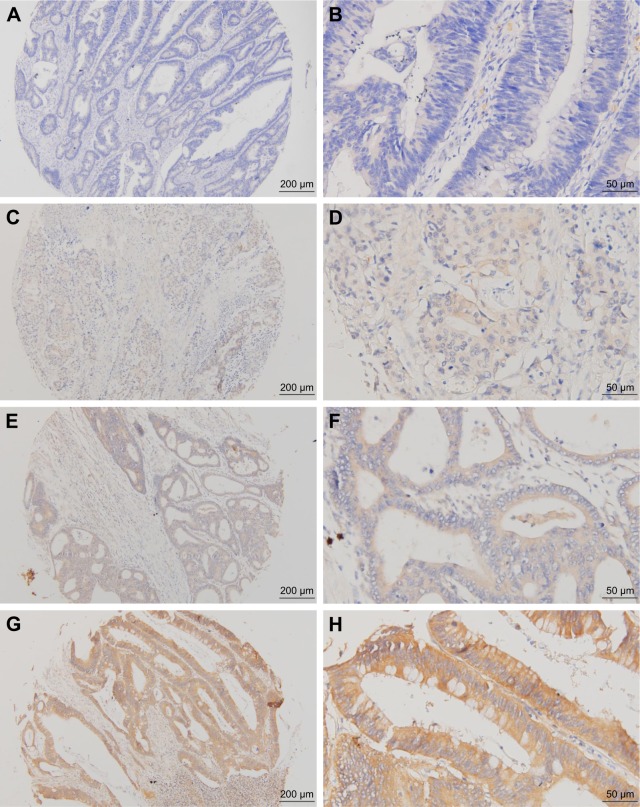
In this study, we investigated the expression of PD-L2 via immunohistochemistry (IHC) in the pathological specimens of 348 patients treated for colorectal cancer (CRC).
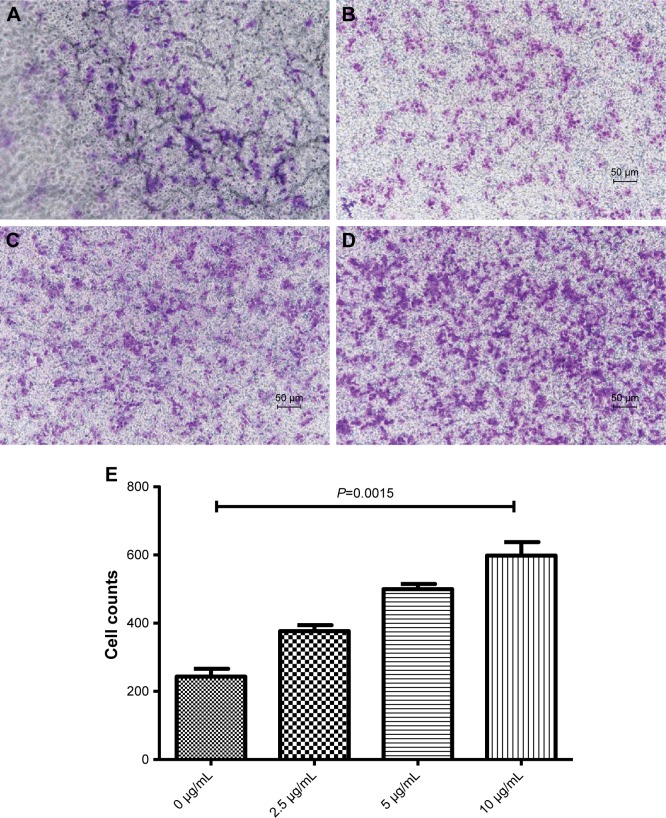
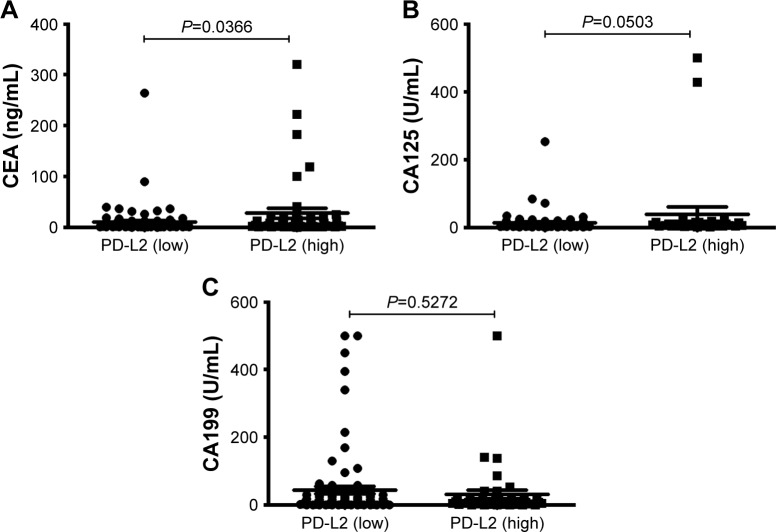
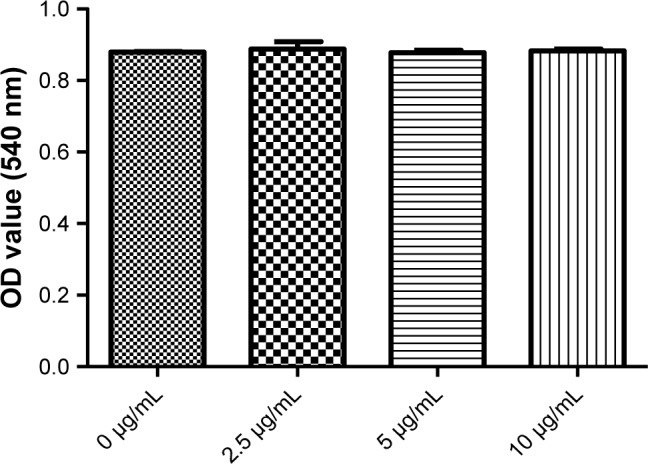
Strong PD-L2 expression was found in the cancer tissues from 41% of the CRC patients who also had a high TNM stage and carcinoembryonic antigen (CEA) concentration. We also carried out functional studies in vitro, which showed that PD-L2 did not influence the growth of the CRC cell line HCT116, but increased cell invasion.
Collectively, these findings suggest that PD-L2 may be a potential therapeutic target for CRC.
程序性死亡蛋白1(PD-1)的配体之一程序性死亡配体2(PD-L2)是T细胞和活化B细胞的抑制性受体。许多研究聚焦于PD-1的另一种配体程序性死亡配体1(PD-L1),且在许多肿瘤中已报道了PD-L1的预后意义。然而,癌症患者中PD-L2表达与临床结局的关系尚未得到充分研究。
在本研究中,我们通过免疫组织化学(IHC)检测了348例接受结直肠癌(CRC)治疗患者的病理标本中PD-L2的表达。
在41%的CRC患者的癌组织中发现了强PD-L2表达,这些患者还具有高TNM分期和癌胚抗原(CEA)浓度。我们还进行了体外功能研究,结果表明PD-L2不影响CRC细胞系HCT116的生长,但增加细胞侵袭。
总体而言,这些发现提示PD-L2可能是CRC的一个潜在治疗靶点。