Department of Genomic Medicine, University of Texas MD Anderson Cancer Center, 1901 East Rd. South Campus Research Building 4, Houston, TX, 77054, USA.
Skin Cancer Unit, German Cancer Research Center (DKFZ), Heidelberg, Germany.
Clin Epigenetics. 2018 Nov 22;10(1):145. doi: 10.1186/s13148-018-0583-z.
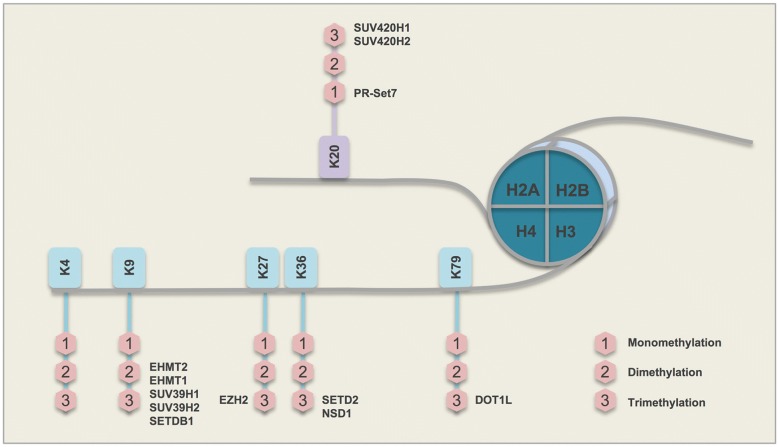
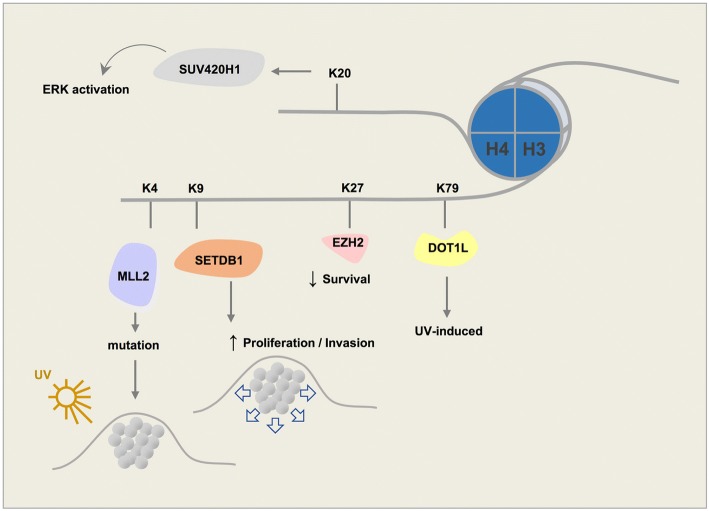
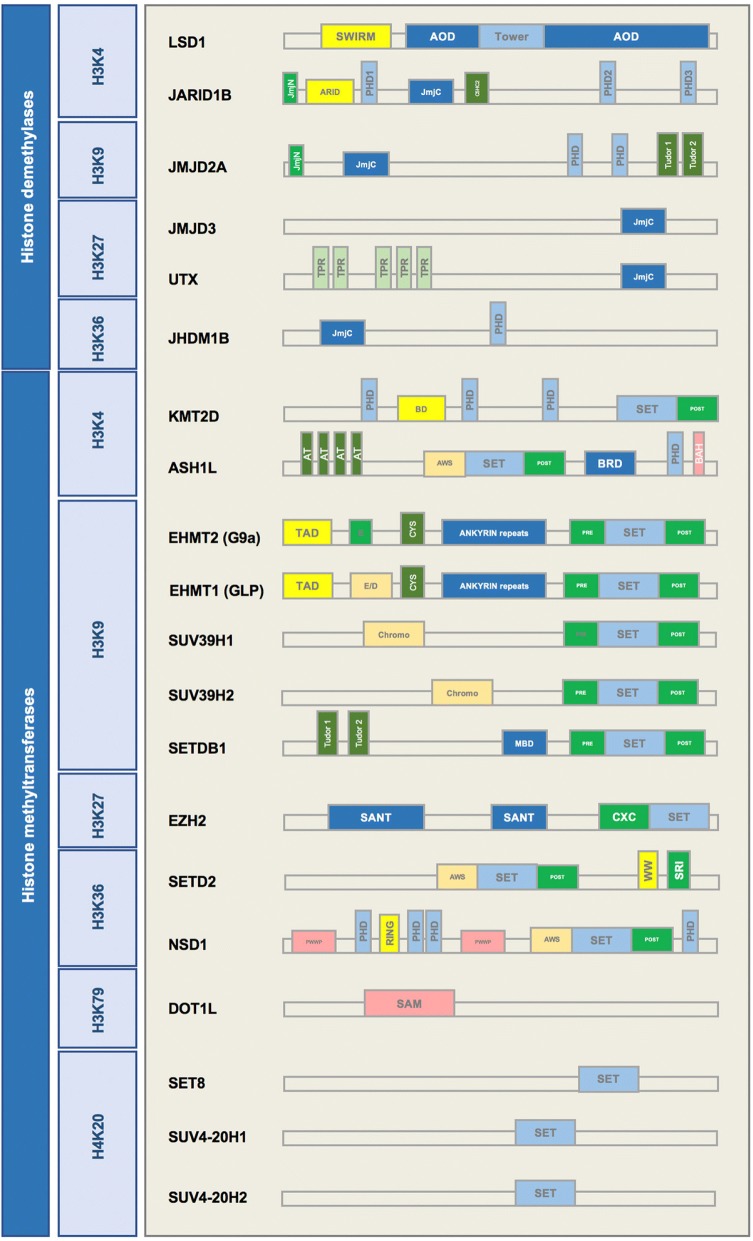
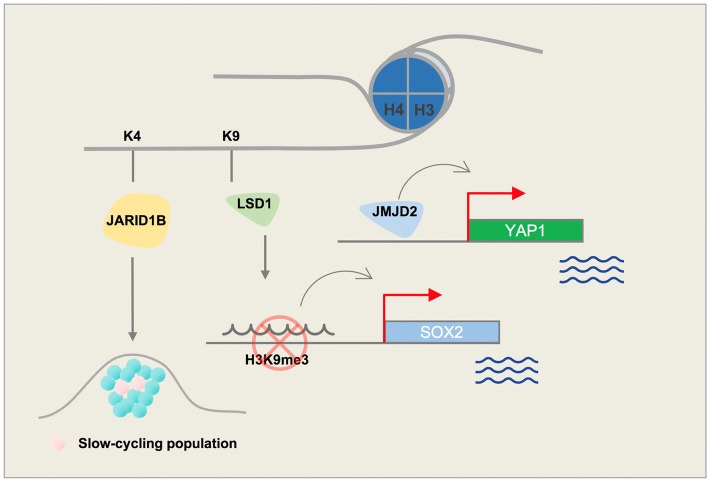
Post-translational histone modifications such as acetylation and methylation can affect gene expression. Histone acetylation is commonly associated with activation of gene expression whereas histone methylation is linked to either activation or repression of gene expression. Depending on the site of histone modification, several histone marks can be present throughout the genome. A combination of these histone marks can shape global chromatin architecture, and changes in patterns of marks can affect the transcriptomic landscape. Alterations in several histone marks are associated with different types of cancers, and these alterations are distinct from marks found in original normal tissues. Therefore, it is hypothesized that patterns of histone marks can change during the process of tumorigenesis.This review focuses on histone methylation changes (both removal and addition of methyl groups) in malignant melanoma, a deadly skin cancer, and the implications of specific inhibitors of these modifications as a combinatorial therapeutic approach.
翻译后组蛋白修饰,如乙酰化和甲基化,会影响基因表达。组蛋白乙酰化通常与基因表达的激活相关,而组蛋白甲基化则与基因表达的激活或抑制有关。根据组蛋白修饰的位点,整个基因组中可能存在多种组蛋白标记。这些组蛋白标记的组合可以塑造整体染色质结构,标记模式的变化会影响转录组景观。几种组蛋白标记的改变与不同类型的癌症相关,且这些改变与原始正常组织中的标记不同。因此,据推测组蛋白标记模式在肿瘤发生过程中会发生变化。本综述聚焦于恶性黑色素瘤(一种致命的皮肤癌)中的组蛋白甲基化变化(甲基基团的去除和添加),以及这些修饰的特异性抑制剂作为联合治疗方法的意义。