The Key Laboratory of Carcinogenesis of the Chinese Ministry of Health, Hunan Cancer Hospital and The Affiliated Cancer Hospital of Xiangya School of Medicine, Central South University, Changsha, 410013, Hunan, China.
The Key Laboratory of Carcinogenesis and Cancer Invasion of the Chinese Ministry of Education, Cancer Research Institute and School of Basic Medical Science, Xiangya School of Medicine, Central South University, Changsha, 410078, China.
Mol Cancer. 2018 Nov 26;17(1):168. doi: 10.1186/s12943-018-0913-y.
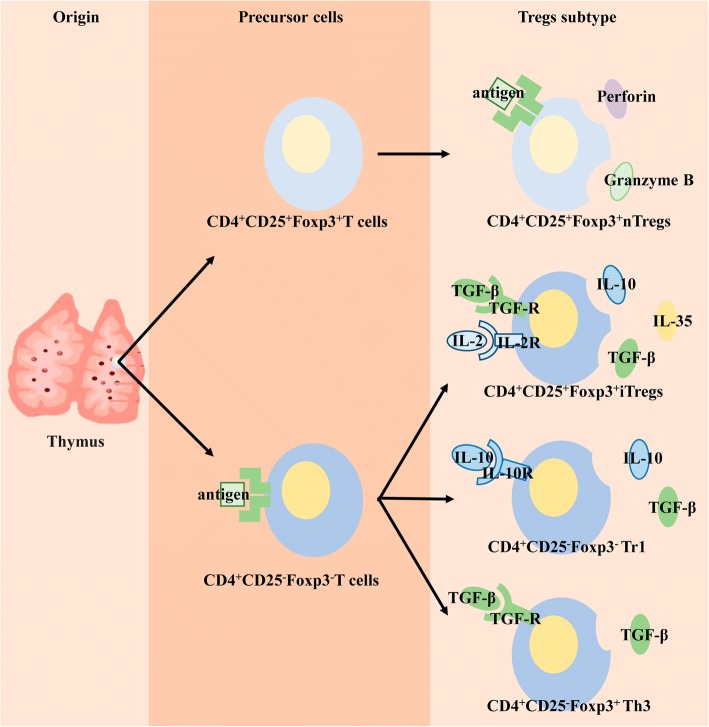
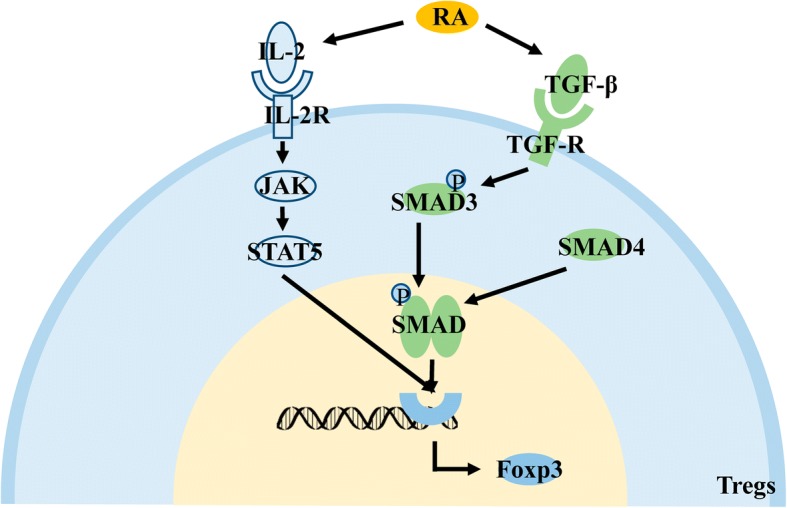
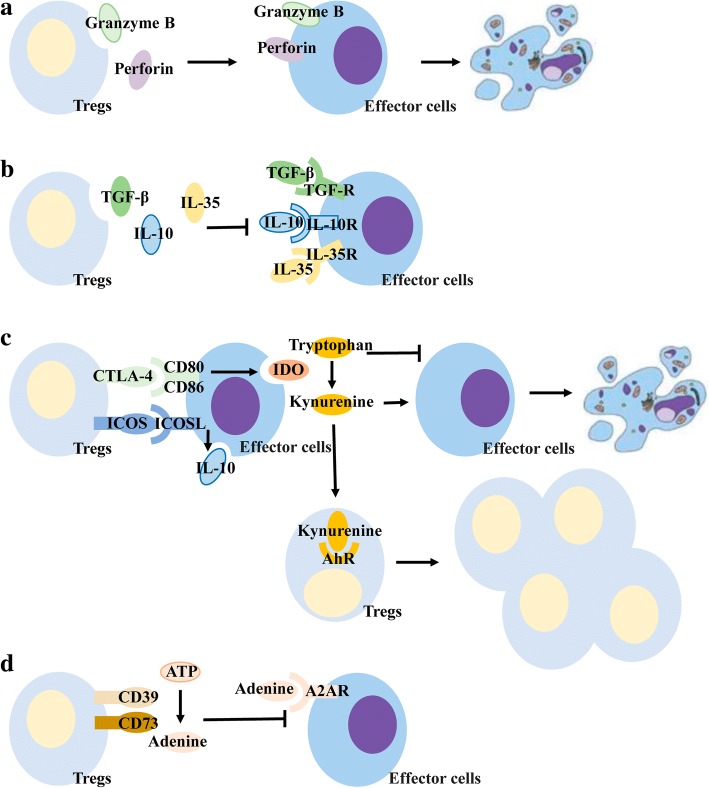
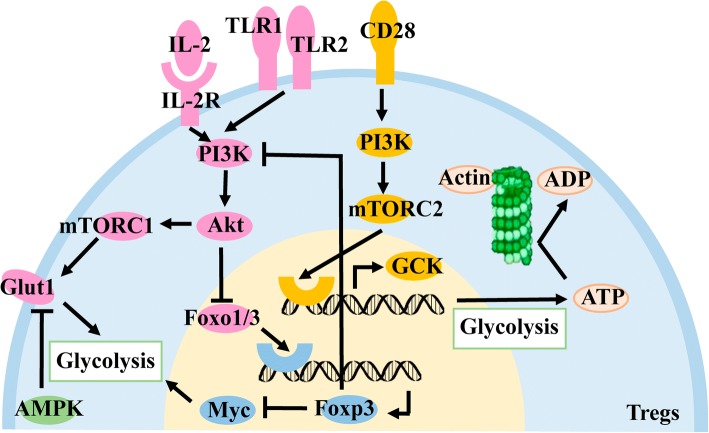
Recent studies have shown that on one hand, tumors need to obtain a sufficient energy supply, and on the other hand they must evade the body's immune surveillance. Because of their metabolic reprogramming characteristics, tumors can modify the physicochemical properties of the microenvironment, which in turn affects the biological characteristics of the cells infiltrating them. Regulatory T cells (Tregs) are a subset of T cells that regulate immune responses in the body. They exist in large quantities in the tumor microenvironment and exert immunosuppressive effects. The main effect of tumor microenvironment on Tregs is to promote their differentiation, proliferation, secretion of immunosuppressive factors, and chemotactic recruitment to play a role in immunosuppression in tumor tissues. This review focuses on cell metabolism reprogramming and the most significant features of the tumor microenvironment relative to the functional effects on Tregs, highlighting our understanding of the mechanisms of tumor immune evasion and providing new directions for tumor immunotherapy.
最近的研究表明,一方面,肿瘤需要获得足够的能量供应,另一方面,它们必须逃避机体的免疫监视。由于其代谢重编程的特点,肿瘤可以改变微环境的理化性质,进而影响浸润它们的细胞的生物学特性。调节性 T 细胞(Tregs)是 T 细胞的一个亚群,它们在体内调节免疫反应。它们在肿瘤微环境中大量存在,并发挥免疫抑制作用。肿瘤微环境对 Tregs 的主要作用是促进其分化、增殖、分泌免疫抑制因子以及趋化募集,从而在肿瘤组织中发挥免疫抑制作用。本综述重点关注细胞代谢重编程以及肿瘤微环境的最显著特征相对于 Tregs 的功能效应,突出了我们对肿瘤免疫逃逸机制的理解,并为肿瘤免疫治疗提供了新的方向。