School of Power and Mechanical Engineering, Wuhan University, Wuhan, China.
The Institute of Technology Sciences, Wuhan University, Wuhan, China.
Sci Rep. 2018 Nov 26;8(1):17382. doi: 10.1038/s41598-018-35693-w.
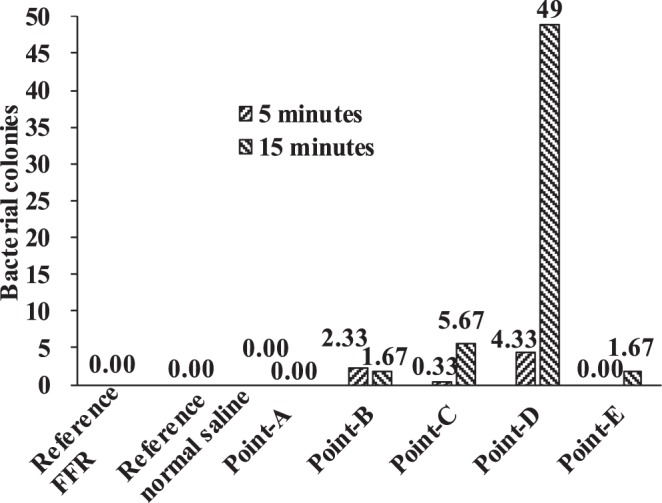
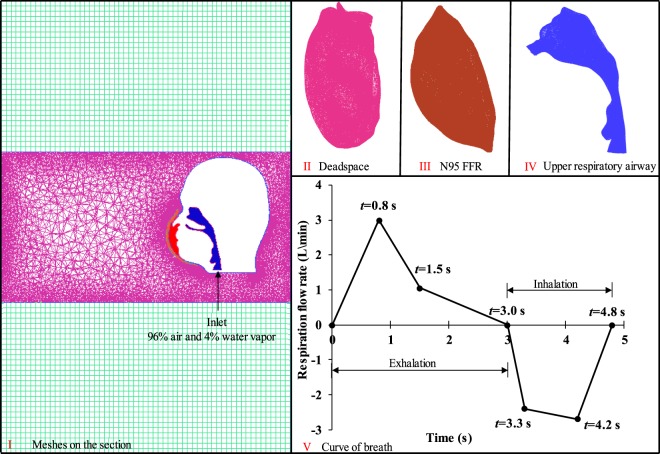
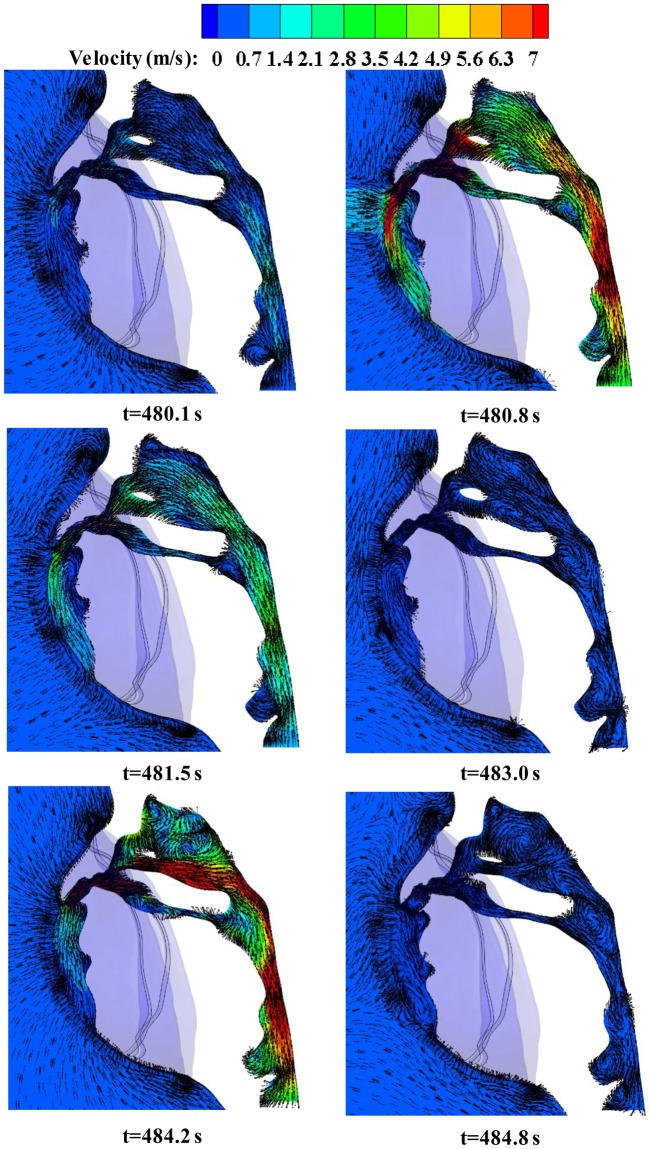
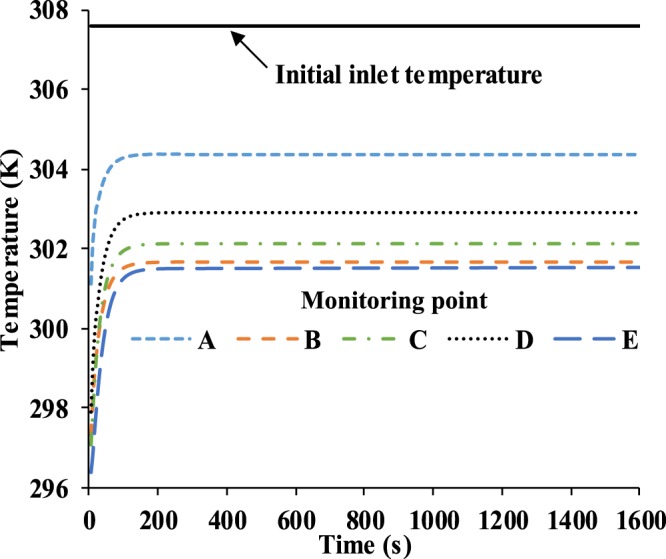
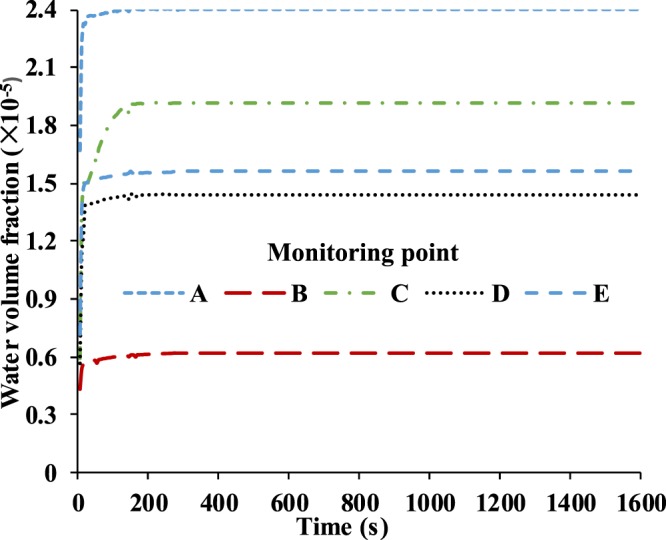
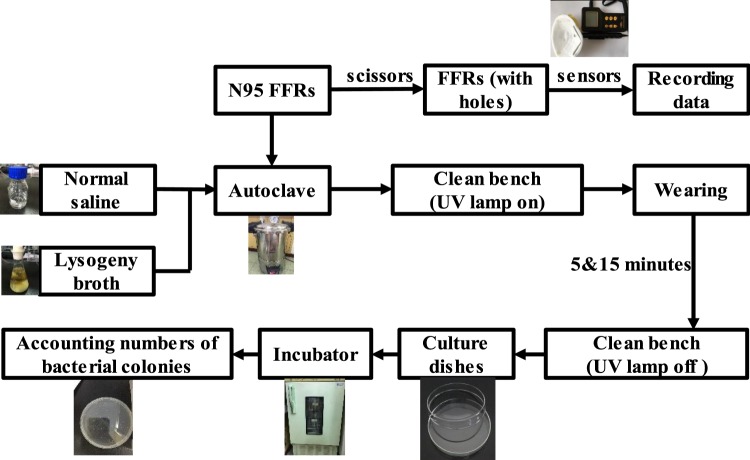
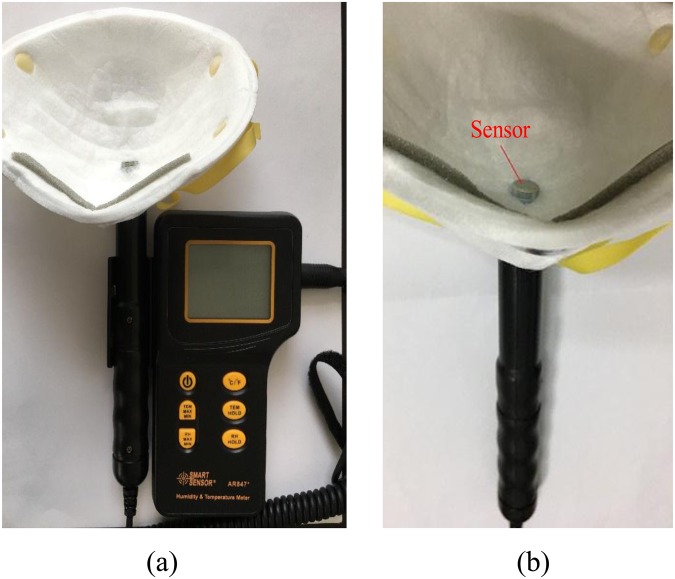
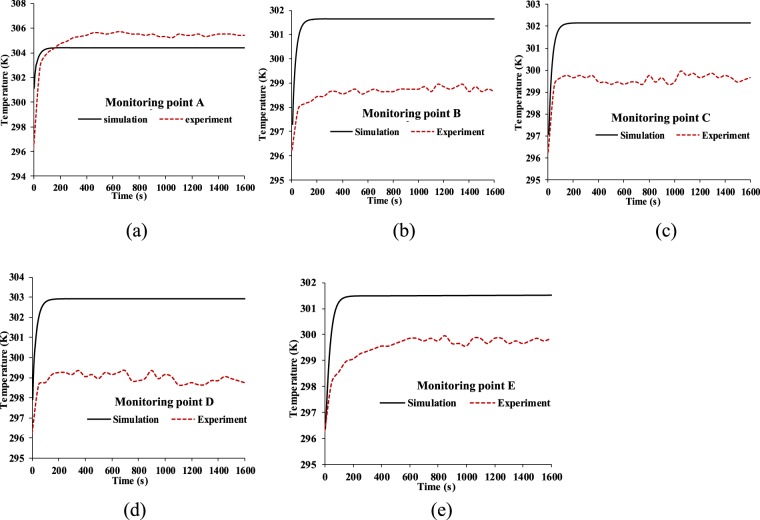
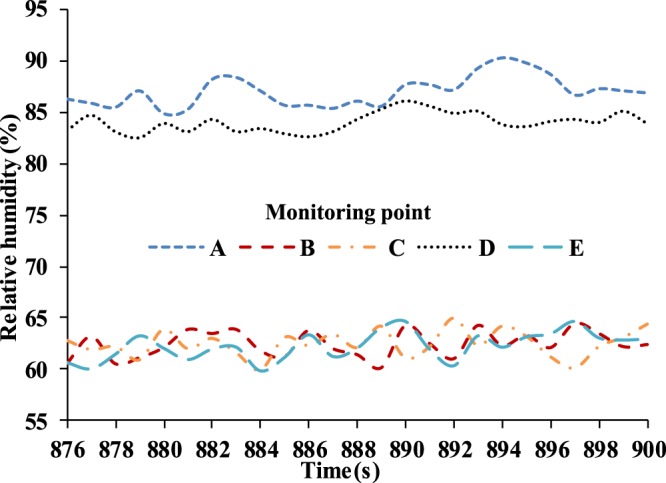
It is common for people to use N95 filtering facepiece respirators (FFRs) in daily life, especially in locations where particulate matter (PM) concentration is rising. Wearing N95 FFRs is helpful to reduce inhalation of PM. Although N95 FFRs block at least 95% of particles from the atmosphere, the deadspace of N95 FFRs could be a warm, wet environment that may be a perfect breeding ground for bacterial growth. This work studies the micro-climate features including the temperature distribution and water vapor condensation in the deadspace of an N95 FFR using the computational fluid dynamics (CFD) method. Then, the temperature and relative humidity inside the same type of N95 FFR are experimentally measured. There is a good agreement between the simulation and experimental results. Moreover, an experiment is conducted to study the distribution of bacteria sampled from the inner surface of an N95 FFR after donning.
人们在日常生活中常使用 N95 过滤式呼吸防护器(FFR),尤其是在颗粒物(PM)浓度上升的地方。佩戴 N95 FFR 有助于减少 PM 的吸入。尽管 N95 FFR 可阻挡至少 95%的大气颗粒物,但 N95 FFR 的死腔可能是一个温暖、潮湿的环境,这可能是细菌生长的理想温床。本工作使用计算流体动力学(CFD)方法研究了 N95 FFR 死腔中的微气候特征,包括温度分布和水蒸气凝结。然后,对同类型的 N95 FFR 内的温度和相对湿度进行了实验测量。模拟结果与实验结果吻合良好。此外,还进行了一项实验,研究了佩戴 N95 FFR 后从其内表面采集的细菌的分布。