Hubei Key Laboratory of Genetic Regulation and Integrative Biology, School of Life Sciences, Central China Normal University, Wuhan, 430079, China.
BMC Plant Biol. 2018 Nov 27;18(1):304. doi: 10.1186/s12870-018-1523-y.
Basic helix-loop-helix/helix-loop-helix (bHLH/HLH) transcription factors play important roles in plant development. Many reports have suggested that bHLH/HLH proteins participate in brassinosteroid (BR) hormone signaling pathways to promote cell elongation. Cotton fibers are single-cells and derived from seed surface. To explore the roles of bHLH/HLH proteins in cotton fiber development progress by modulating BR signaling pathway, we performed a systematic analysis of the bHLH/HLH gene family in upland cotton (Gossypium hirsutum) genome.
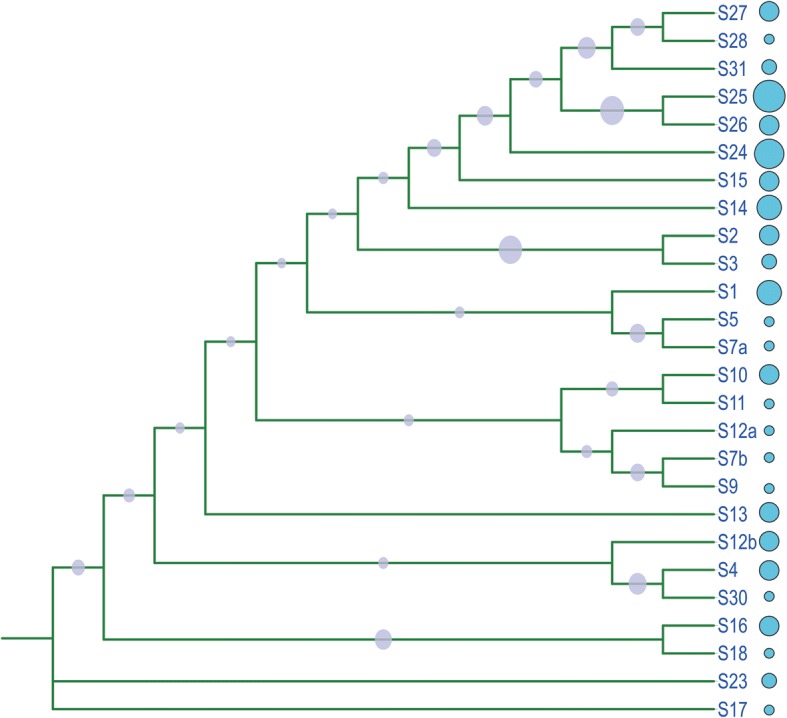
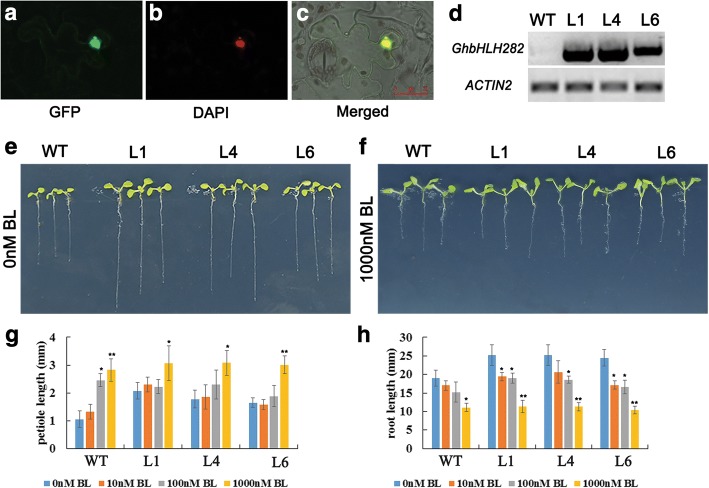
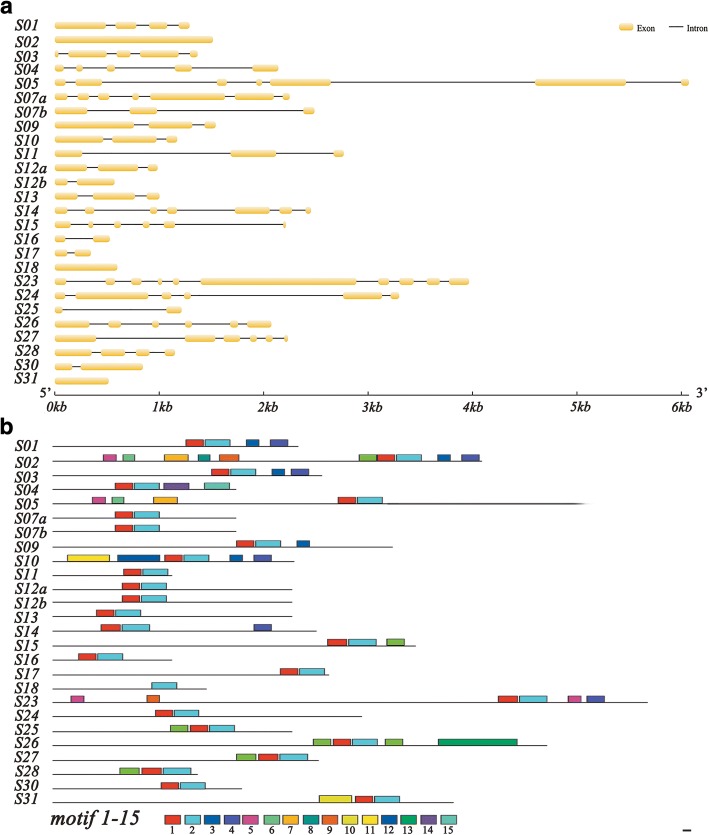
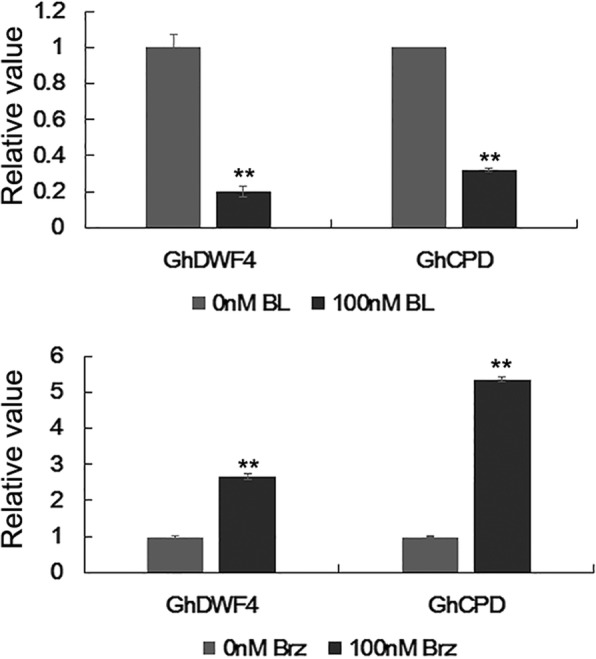
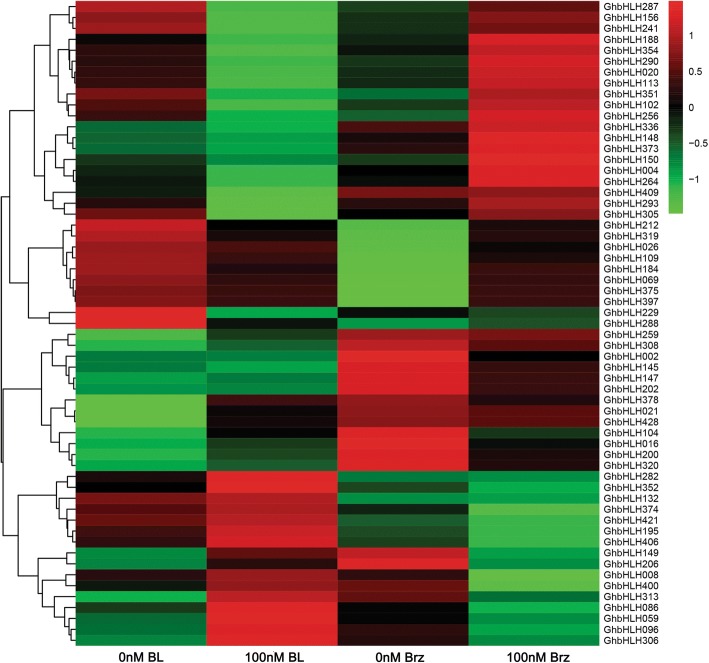
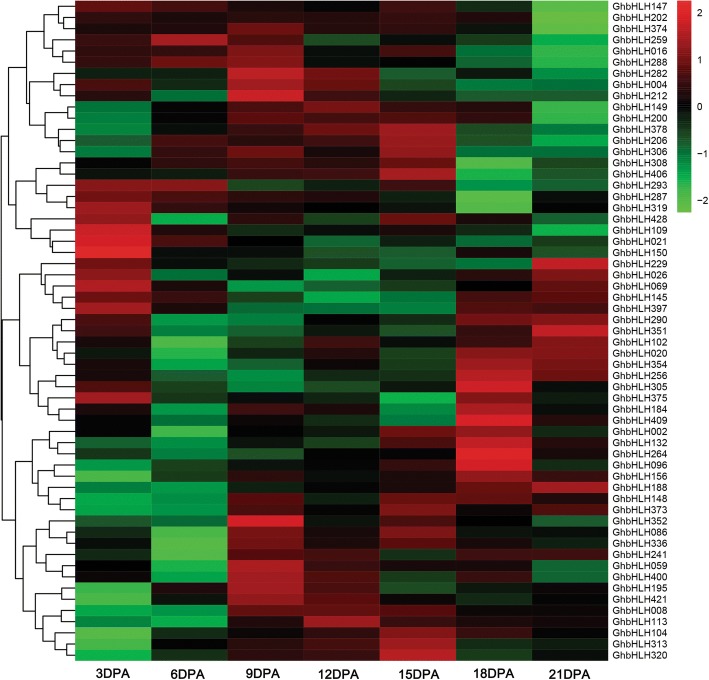
In this study, we identified 437 bHLH/HLH genes in upland cotton (G. hirsutum) genome. Phylogenetic analysis revealed that GhbHLH/HLH proteins were split into twenty six clades in the tree. These GhbHLH/HLH genes are distributed unevenly in different chromosomes of cotton genome. Segmental duplication is the predominant gene duplication event and the major contributor for amplification of GhbHLH/HLH gene family. The GhbHLH/HLHs within the same group have conserved exon/intron pattern and their encoding proteins show conserved motif composition. Based on transcriptome data, we identified 77 GhbHLH/HLH candidates that are expressed at relatively high levels in cotton fibers. As adding exogenous BR (brassinolide, BL) or brassinazole (Brz, a BR biosynthesis inhibitor), expressions of these GhbHLH/HLH genes were up-regulated or down-regulated in cotton fibers. Furthermore, overexpression of GhbHLH282 (one of the BR-response genes) in Arabidopsis not only promoted the plant growth, but also changed plant response to BR signaling.
Collectively, these data suggested that these GhbHLH/HLH genes may participate in BR signaling transduction during cotton fiber development. Thus, our results may provide a valuable reference data as the basis for further studying the roles of these bHLH/HLH genes in cotton fiber development.
碱性螺旋-环-螺旋/螺旋-环-螺旋(bHLH/HLH)转录因子在植物发育中发挥重要作用。许多报道表明,bHLH/HLH 蛋白参与油菜素内酯(BR)激素信号通路,以促进细胞伸长。棉纤维是单细胞,来源于种子表面。为了通过调节 BR 信号通路来探索 bHLH/HLH 蛋白在棉花纤维发育过程中的作用,我们对陆地棉(Gossypium hirsutum)基因组中的 bHLH/HLH 基因家族进行了系统分析。
在这项研究中,我们在陆地棉(G. hirsutum)基因组中鉴定了 437 个 bHLH/HLH 基因。系统发育分析表明,Gh bHLH/HLH 蛋白在树中分为 26 个分支。这些 Gh bHLH/HLH 基因在棉花基因组的不同染色体上不均匀分布。片段复制是主要的基因复制事件,是 Gh bHLH/HLH 基因家族扩增的主要原因。同一组内的 Gh bHLH/HLH 具有保守的外显子/内含子模式,其编码蛋白具有保守的基序组成。基于转录组数据,我们鉴定了 77 个在棉花纤维中表达水平较高的 Gh bHLH/HLH 候选基因。添加外源 BR(油菜素内酯,BL)或油菜素唑(Brz,BR 生物合成抑制剂)后,这些 Gh bHLH/HLH 基因在棉花纤维中的表达上调或下调。此外,在拟南芥中过表达 Gh bHLH282(BR 响应基因之一)不仅促进了植物的生长,还改变了植物对 BR 信号的响应。
综上所述,这些数据表明,这些 Gh bHLH/HLH 基因可能参与棉花纤维发育过程中的 BR 信号转导。因此,我们的结果可能为进一步研究这些 bHLH/HLH 基因在棉花纤维发育中的作用提供有价值的参考数据。