Department of Medical Biology, Faculty of Medicine, Dokuz Eylul University, Izmir 35340, Turkey.
Mol Med Rep. 2019 Jan;19(1):345-361. doi: 10.3892/mmr.2018.9686. Epub 2018 Nov 22.
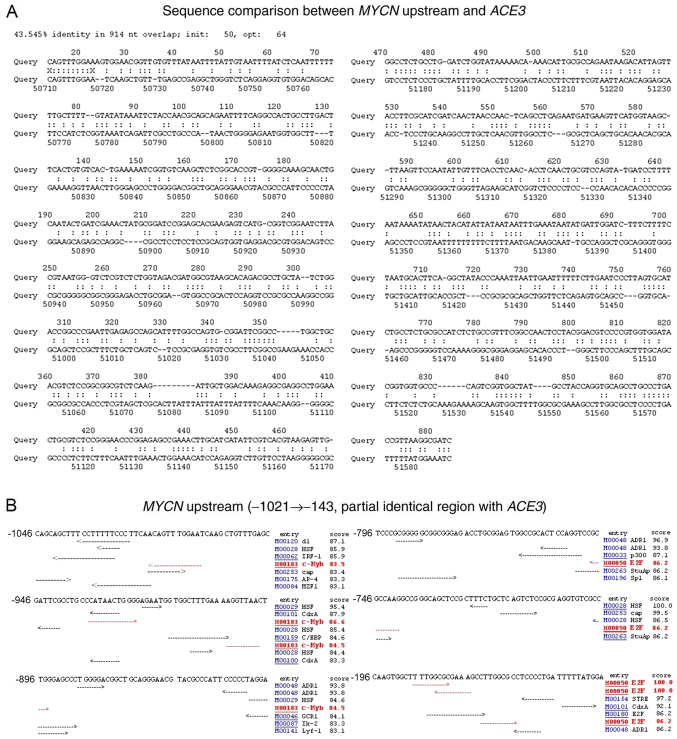
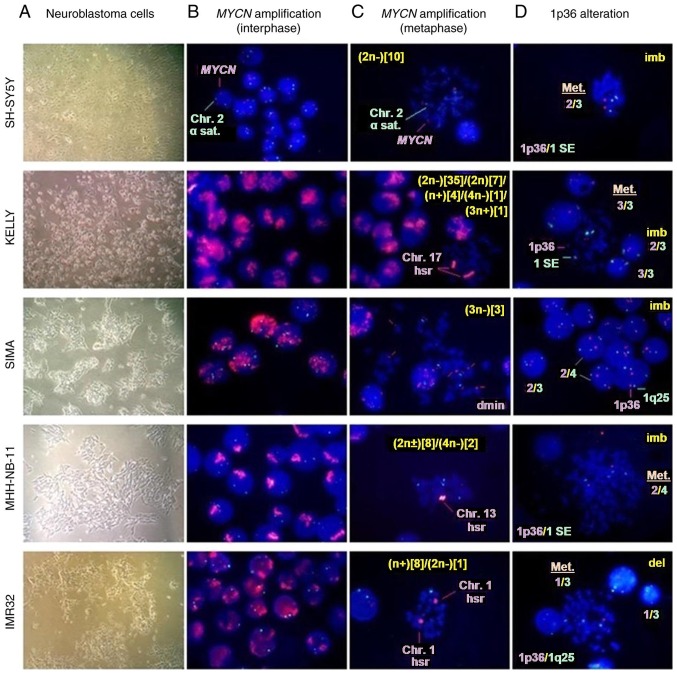
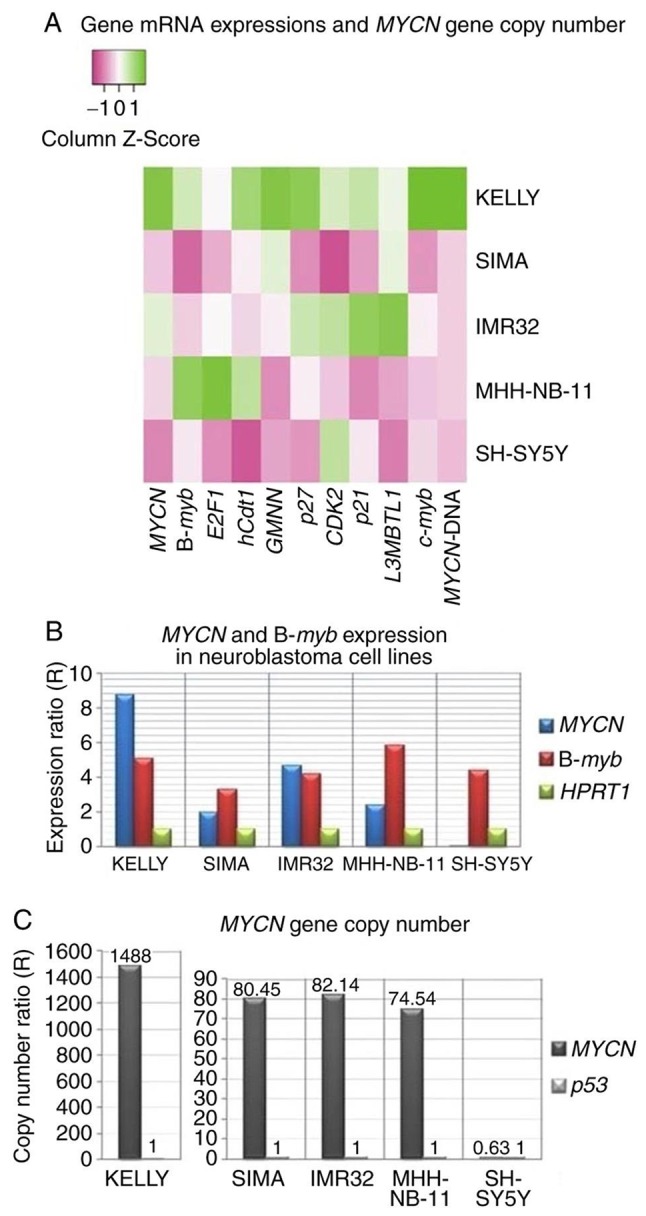
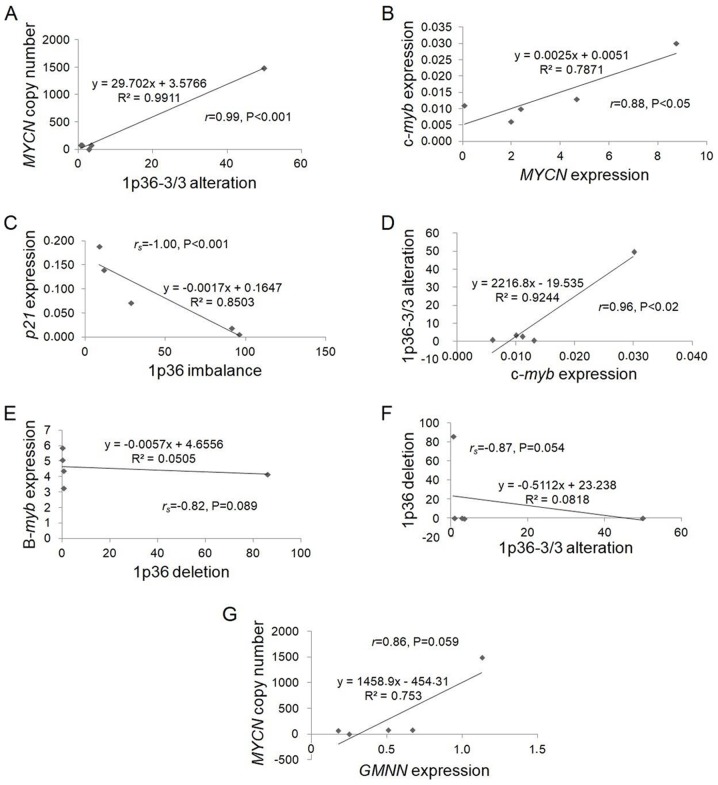
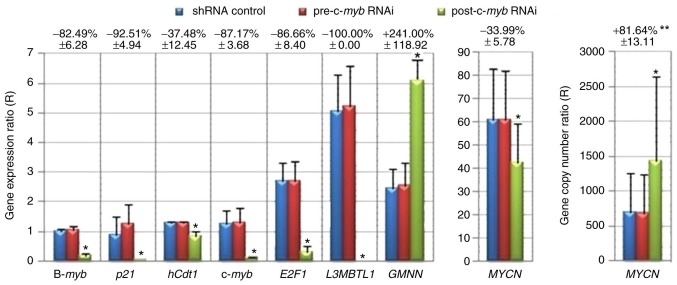
Neuroblastoma derived from primitive sympathetic neural precursors is a common type of solid tumor in infants. MYCN proto‑oncogene bHLH transcription factor (MYCN) amplification and 1p36 deletion are important factors associated with the poor prognosis of neuroblastoma. Expression levels of MYCN and c‑MYB proto‑oncogene transcription factor (c‑myb) decline during the differentiation of neuroblastoma cells; E2F transcription factor 1 (E2F1) activates the MYCN promoter. However, the underlying mechanism of MYCN overexpression and amplification requires further investigation. In the present study, potential c‑Myb target genes, and the effect of c‑myb RNA interference (RNAi) on MYCN expression and amplification were investigated in MYCN‑amplified neuroblastoma cell lines. The mRNA expression levels and MYCN gene copy number in five neuroblastoma cell lines were determined by quantitative polymerase chain reaction. In addition, variations in potential target gene expression and MYCN gene copy number between pre‑ and post‑c‑myb RNAi treatment groups in MYCN‑amplified Kelly, IMR32, SIMA and MHH‑NB‑11 cell lines, normalized to those of non‑MYCN‑amplified SH‑SY5Y, were examined. To determine the associations between gene expression levels and chromosomal aberrations, MYCN amplification and 1p36 alterations in interphases/metaphases were analyzed using fluorescence in situ hybridization. Statistical analyses revealed correlations between 1p36 alterations and the expression of c‑myb, MYB proto‑oncogene like 2 (B‑myb) and cyclin dependent kinase inhibitor 1A (p21). Additionally, the results of the present study also demonstrated that c‑myb may be associated with E2F1 and L3MBTL1 histone methyl‑lysine binding protein (L3MBTL1) expression, and that E2F1 may contribute to MYCN, B‑myb, p21 and chromatin licensing and DNA replication factor 1 (hCdt1) expression, but to the repression of geminin (GMNN). On c‑myb RNAi treatment, L3MBTL1 expression was silenced, while GMNN was upregulated, indicating G2/M arrest. In addition, MYCN gene copy number increased following treatment with c‑myb RNAi. Notably, the present study also reported a 43.545% sequence identity between upstream of MYCN and Drosophila melanogaster amplification control element 3, suggesting that expression and/or amplification mechanisms of developmentally‑regulated genes may be evolutionarily conserved. In conclusion, c‑myb may be associated with regulating MYCN expression and amplification. c‑myb, B‑myb and p21 may also serve a role against chromosome 1p aberrations. Together, it was concluded that MYCN gene is amplified during S phase, potentially via a replication‑based mechanism.
神经母细胞瘤来源于原始交感神经前体细胞,是婴儿常见的实体肿瘤类型。原癌基因 MYCN bHLH 转录因子(MYCN)扩增和 1p36 缺失是与神经母细胞瘤预后不良相关的重要因素。在神经母细胞瘤细胞的分化过程中,MYCN 和 c-MYB 原癌基因转录因子(c-myb)的表达水平下降;E2F 转录因子 1(E2F1)激活 MYCN 启动子。然而,MYCN 过表达和扩增的潜在机制仍需要进一步研究。本研究旨在探讨 MYCN 扩增神经母细胞瘤细胞系中潜在的 c-Myb 靶基因,以及 c-myb RNA 干扰(RNAi)对 MYCN 表达和扩增的影响。通过实时定量聚合酶链反应(qPCR)检测五种神经母细胞瘤细胞系的 mRNA 表达水平和 MYCN 基因拷贝数。此外,还检测了 MYCN 扩增的 Kelly、IMR32、SIMA 和 MHH-NB-11 细胞系中 c-myb RNAi 处理前后潜在靶基因表达和 MYCN 基因拷贝数的变化,并与非 MYCN 扩增的 SH-SY5Y 细胞系进行了归一化比较。为了确定基因表达水平与染色体畸变之间的相关性,使用荧光原位杂交(FISH)分析了间期/中期的 MYCN 扩增和 1p36 改变。统计分析显示,1p36 改变与 c-myb、MYB 原癌基因样 2(B-myb)和细胞周期蛋白依赖性激酶抑制剂 1A(p21)的表达相关。此外,本研究结果还表明,c-myb 可能与 E2F1 和 L3MBTL1 组蛋白甲基化赖氨酸结合蛋白(L3MBTL1)的表达相关,E2F1 可能与 MYCN、B-myb、p21 和染色质许可和 DNA 复制因子 1(hCdt1)的表达相关,但与 geminin(GMNN)的表达受抑制相关。在 c-myb RNAi 处理后,L3MBTL1 的表达被沉默,而 GMNN 的表达上调,表明 G2/M 期阻滞。此外,MYCN 基因拷贝数在 c-myb RNAi 处理后增加。值得注意的是,本研究还报道了 MYCN 上游与果蝇扩增控制元件 3 之间存在 43.545%的序列同一性,这表明发育调控基因的表达和/或扩增机制可能在进化上是保守的。综上所述,c-myb 可能与调节 MYCN 的表达和扩增有关。c-myb、B-myb 和 p21 也可能在对抗 1p 染色体异常方面发挥作用。综上所述,MYCN 基因可能在 S 期通过复制为基础的机制扩增。