IrsiCaixa AIDS Research Institute-HIVACAT, Hospital Universitari Germans Trias i Pujol, Badalona, Spain.
Universitat Autònoma de Barcelona, Barcelona, Spain.
J Virol. 2019 Feb 5;93(4). doi: 10.1128/JVI.01436-18. Print 2019 Feb 15.
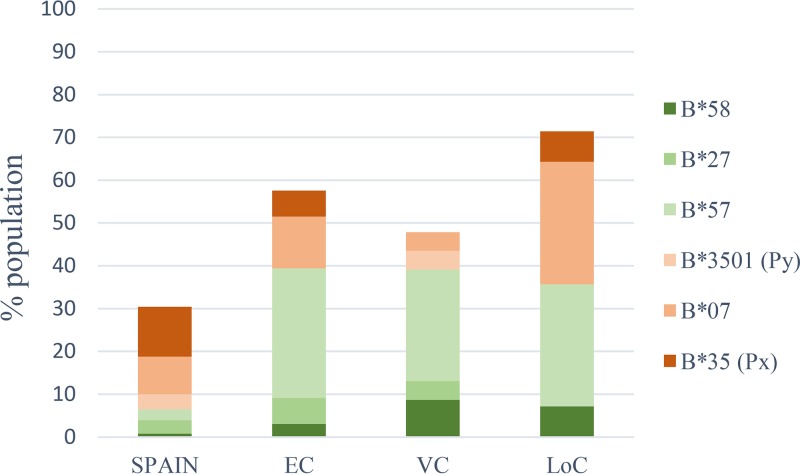
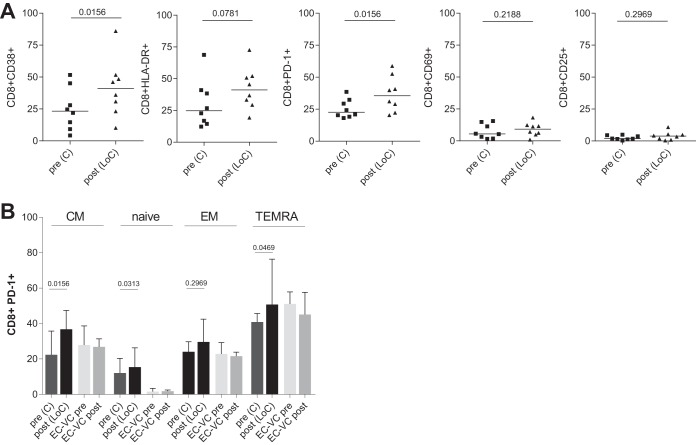
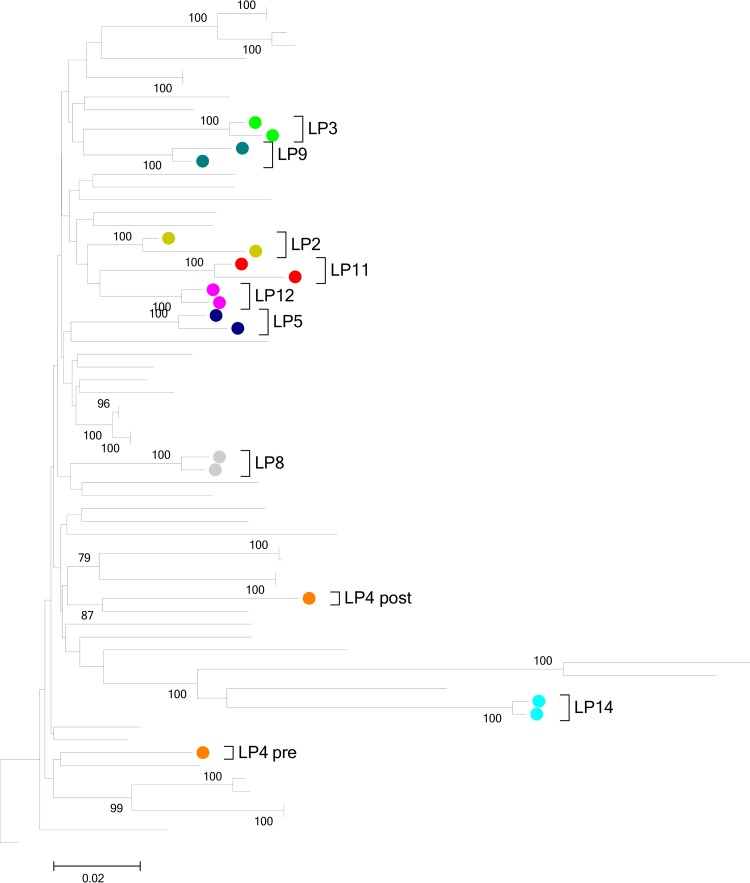
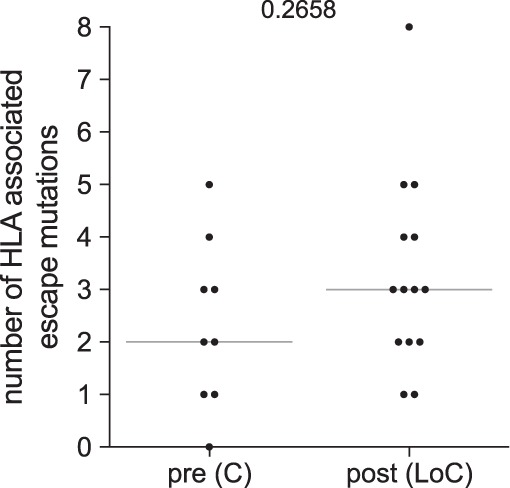
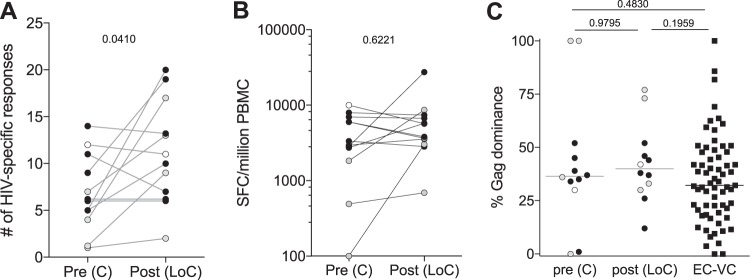
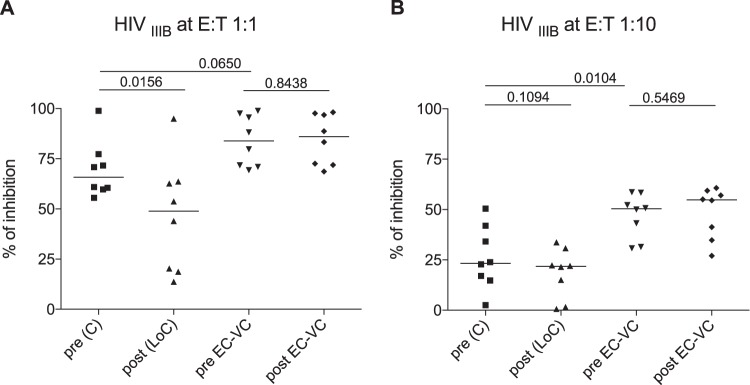
Elite and viremic HIV controllers are able to control their HIV infection and maintain undetectable or low-level viremia in the absence of antiretroviral treatment. Despite extensive studies, the immune factors responsible for such exclusive control remain poorly defined. We identified a cohort of 14 HIV controllers that suffered an abrupt loss of HIV control (LoC) to investigate possible mechanisms and virological and immunological events related to the sudden loss of control. The in-depth analysis of these subjects involved the study of cell tropism of circulating virus, evidence for HIV superinfection, cellular immune responses to HIV, as well as an examination of viral adaptation to host immunity by Gag sequencing. Our data demonstrate that a poor capacity of T cells to mediate viral suppression, even in the context of protective HLA alleles, predicts a loss of viral control. In addition, the data suggest that inefficient viral control may be explained by an increase of CD8 T-cell activation and exhaustion before LoC. Furthermore, we detected a switch from C5- to X4-tropic viruses in 4 individuals after loss of control, suggesting that tropism shift might also contribute to disease progression in HIV controllers. The significantly reduced inhibition of viral replication and increased expression of activation and exhaustion markers preceding the abrupt loss of viral control may help identify untreated HIV controllers that are at risk of losing control and may offer a useful tool for monitoring individuals during treatment interruption phases in therapeutic vaccine trials. A few individuals can control HIV infection without the need for antiretroviral treatment and are referred to as HIV controllers. We have studied HIV controllers who suddenly lose this ability and present with high viral replication and decays in their CD4 T-cell counts to identify potential immune and virological factors that were responsible for initial virus control. We identify -determined reductions in the ability of CD8 T cells to suppress viral control and the presence of PD-1-expressing CD8 T cells with a naive immune phenotype as potential predictors of loss of virus control. The findings could be important for the clinical management of HIV controller individuals, and it may offer an important tool to anticipate viral rebound in individuals in clinical studies that include combination antiretroviral therapy (cART) treatment interruptions and which, if not treated quickly, could pose a significant risk to the trial participants.
精英和病毒血症 HIV 控制器能够在没有抗逆转录病毒治疗的情况下控制他们的 HIV 感染并维持无法检测或低水平的病毒血症。尽管进行了广泛的研究,但负责这种独特控制的免疫因素仍未得到明确界定。我们确定了一组 14 名 HIV 控制器,他们突然失去了 HIV 控制(LoC),以研究可能与突然失去控制相关的机制以及病毒学和免疫学事件。对这些受试者的深入分析涉及循环病毒细胞嗜性的研究、HIV 超感染的证据、对 HIV 的细胞免疫反应,以及通过 Gag 测序研究病毒对宿主免疫的适应性。我们的数据表明,T 细胞介导病毒抑制的能力较差,即使在保护性 HLA 等位基因的情况下,也预示着病毒控制的丧失。此外,数据表明,在 LoC 之前,CD8 T 细胞的激活和衰竭增加可能导致病毒控制效率低下。此外,我们在 4 名个体 LoC 后检测到从 C5 到 X4 嗜性病毒的转变,这表明趋化性转变也可能导致 HIV 控制器的疾病进展。在突然失去病毒控制之前,病毒复制的抑制明显减少,激活和衰竭标志物的表达增加,这可能有助于识别未接受治疗的 HIV 控制器,这些控制器有失去控制的风险,并为在治疗中断阶段监测个体提供有用的工具治疗疫苗试验。少数人可以在没有抗逆转录病毒治疗的情况下控制 HIV 感染,被称为 HIV 控制器。我们研究了突然失去这种能力并表现出高病毒复制和 CD4 T 细胞计数下降的 HIV 控制器,以确定负责初始病毒控制的潜在免疫和病毒学因素。我们确定 CD8 T 细胞抑制病毒控制的能力降低以及具有幼稚免疫表型的表达 PD-1 的 CD8 T 细胞的存在是病毒控制丧失的潜在预测指标。这些发现对于 HIV 控制器个体的临床管理可能很重要,并且它可能为预测包括联合抗逆转录病毒治疗 (cART) 治疗中断在内的临床研究中个体的病毒反弹提供重要工具,如果不及时治疗,这可能对试验参与者构成重大风险。