Department of Medical Microbiology and Immunology, University of California Davis, Davis, CA, United States of America.
Department of Pathobiology, St. George's University, School of Veterinary Medicine, True Blue, St. George, Grenada, West Indies.
PLoS Pathog. 2018 Nov 29;14(11):e1007418. doi: 10.1371/journal.ppat.1007418. eCollection 2018 Nov.
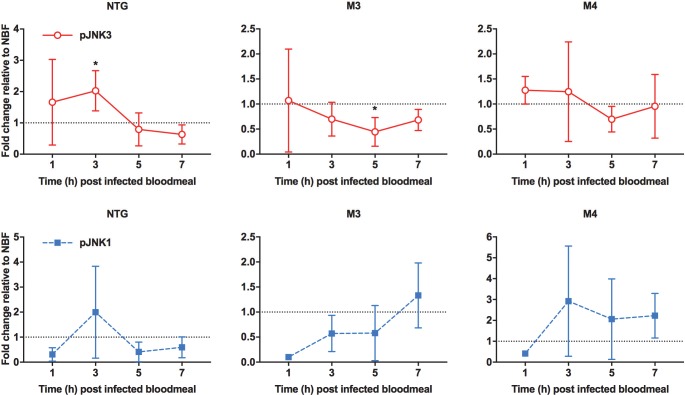
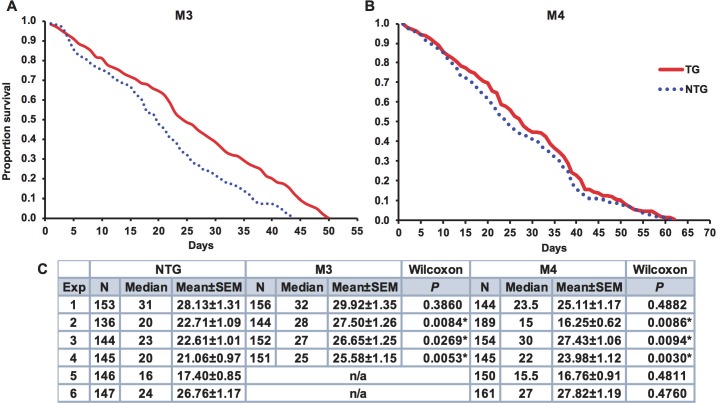
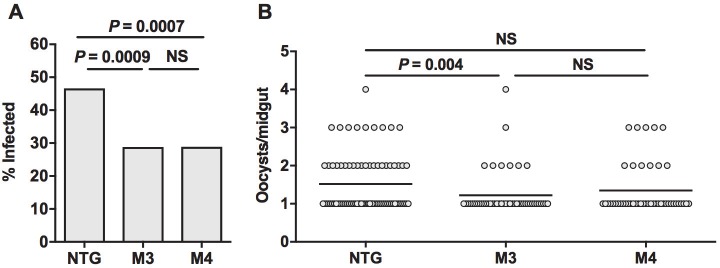
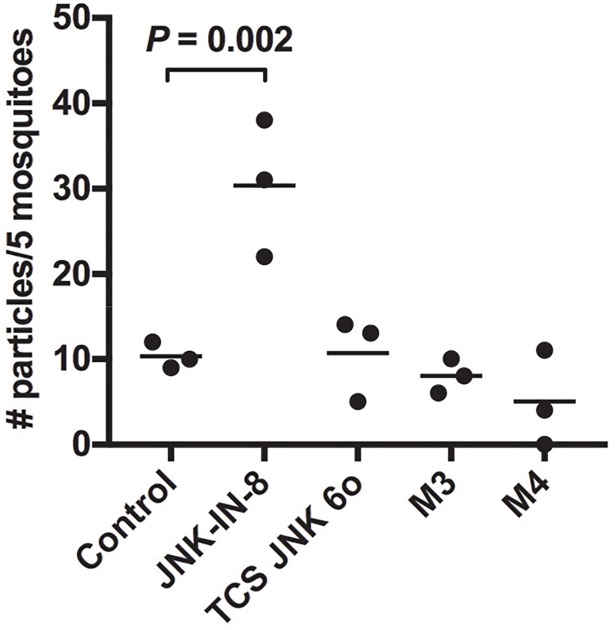
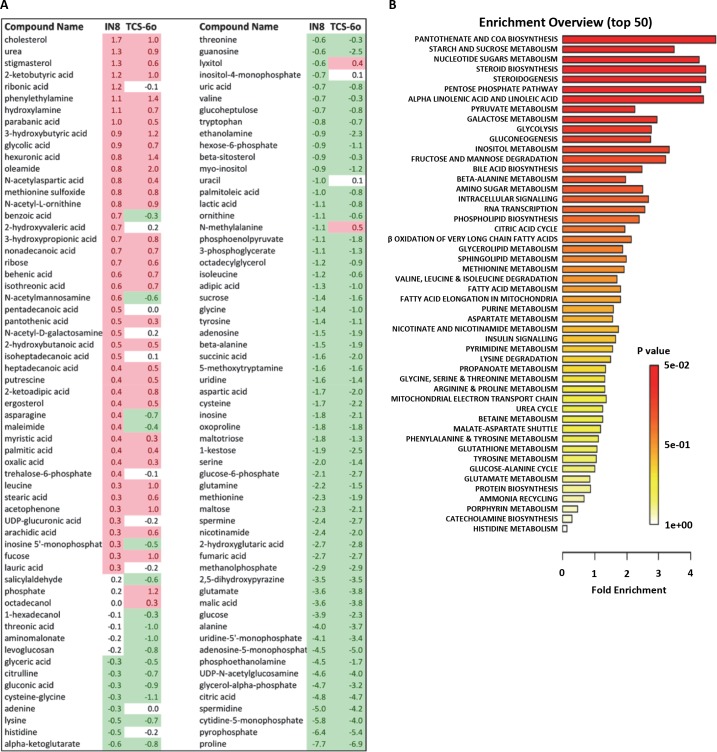
Malaria is a global health concern caused by infection with Plasmodium parasites. With rising insecticide and drug resistance, there is a critical need to develop novel control strategies, including strategies to block parasite sporogony in key mosquito vector species. MAPK signaling pathways regulated by extracellular signal-regulated kinases (ERKs) and the stress-activated protein kinases (SAPKs) c-Jun N-terminal kinases (JNKs) and p38 MAPKs are highly conserved across eukaryotes, including mosquito vectors of the human malaria parasite Plasmodium falciparum. Some of these pathways in mosquitoes have been investigated in detail, but the mechanisms of integration of parasite development and mosquito fitness by JNK signaling have not been elucidated. To this end, we engineered midgut-specific overexpression of MAPK phosphatase 4 (MKP4), which targets the SAPKs, and used two potent and specific JNK small molecule inhibitors (SMIs) to assess the effects of JNK signaling manipulations on Anopheles stephensi fecundity, lifespan, intermediary metabolism, and P. falciparum development. MKP4 overexpression and SMI treatment reduced the proportion of P. falciparum-infected mosquitoes and decreased oocyst loads relative to controls. SMI-treated mosquitoes exhibited no difference in lifespan compared to controls, whereas genetically manipulated mosquitoes exhibited extended longevity. Metabolomics analyses of SMI-treated mosquitoes revealed insights into putative resistance mechanisms and the physiology behind lifespan extension, suggesting for the first time that P. falciparum-induced JNK signaling reduces mosquito longevity and increases susceptibility to infection, in contrast to previously published reports, likely via a critical interplay between the invertebrate host and parasite for nutrients that play essential roles during sporogonic development.
疟疾是一种由疟原虫感染引起的全球健康问题。随着杀虫剂和药物耐药性的上升,迫切需要开发新的控制策略,包括阻断疟原虫在关键蚊媒物种中的孢子发生的策略。细胞外信号调节激酶(ERK)和应激激活蛋白激酶(SAPK)c-Jun N 末端激酶(JNK)和 p38 MAPK 调节的 MAPK 信号通路在真核生物中高度保守,包括人类疟原虫 Plasmodium falciparum 的蚊媒。已经详细研究了这些蚊子中的一些通路,但 JNK 信号整合寄生虫发育和蚊子适应性的机制尚未阐明。为此,我们设计了中肠特异性过表达丝裂原活化蛋白激酶磷酸酶 4(MKP4),其靶向 SAPK,并使用两种有效的和特异性的 JNK 小分子抑制剂(SMI)来评估 JNK 信号操纵对按蚊繁殖力、寿命、中间代谢和疟原虫发育的影响。MKP4 过表达和 SMI 处理降低了感染疟原虫的蚊子的比例,并降低了卵囊负荷与对照相比。与对照相比,SMI 处理的蚊子在寿命上没有差异,而遗传操作的蚊子则表现出延长的寿命。SMI 处理的蚊子的代谢组学分析提供了对潜在抗性机制和寿命延长背后生理学的见解,这表明疟原虫诱导的 JNK 信号降低了蚊子的寿命并增加了感染的易感性,与之前发表的报告相反,这可能是由于无脊椎宿主和寄生虫之间对营养物质的关键相互作用,这些营养物质在孢子发生发育中起着至关重要的作用。