Hack Carolin C, Antoniadis Sophia, Beckmann Matthias W, Brandl Anna Lisa, Fasching Peter A, Hackl Janina, Langemann Hanna, Katja Stock, Weber Natalie, Theuser Anna-Katharin
Department of Gynecology and Obstetrics, Erlangen University Hospital, Comprehensive Cancer Center Erlangen - European Metropolitan Area Nuremberg (CCC ER-EMN), Friedrich Alexander University of Erlangen-Nuremberg, Erlangen, Germany.
Department of Pharmacy, Erlangen University Hospital, Erlangen, Germany.
Geburtshilfe Frauenheilkd. 2018 Nov;78(11):1129-1137. doi: 10.1055/a-0754-2923. Epub 2018 Nov 26.
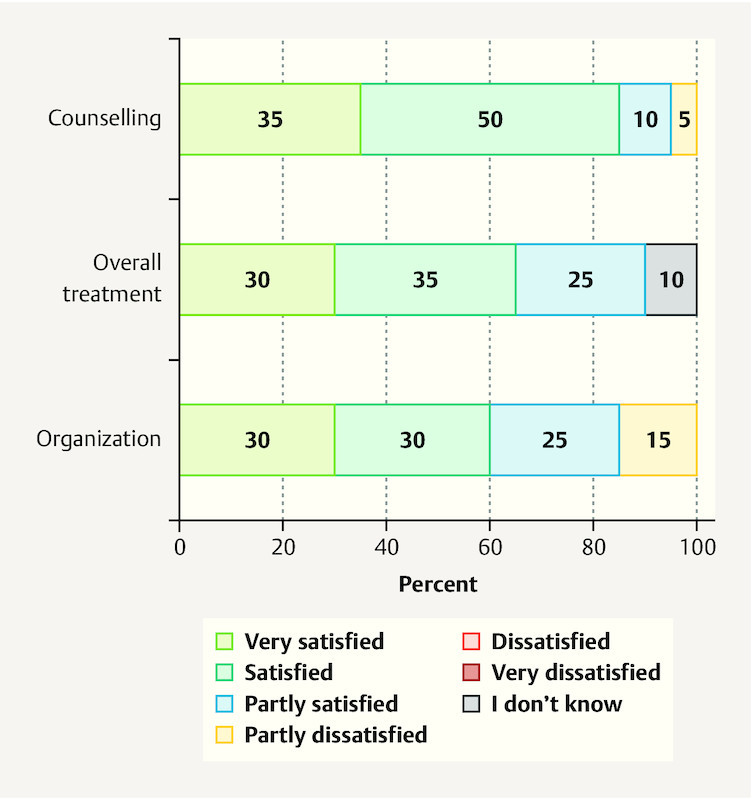
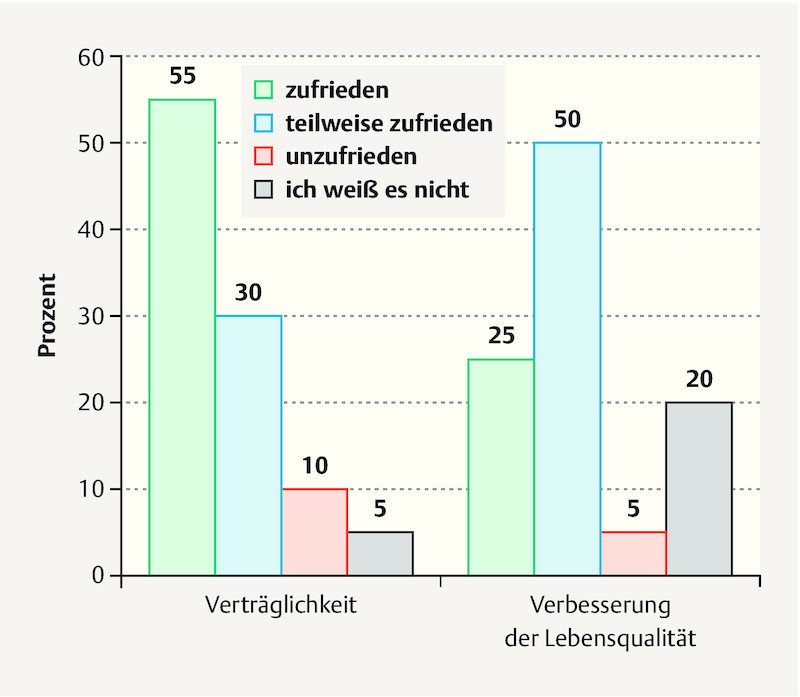
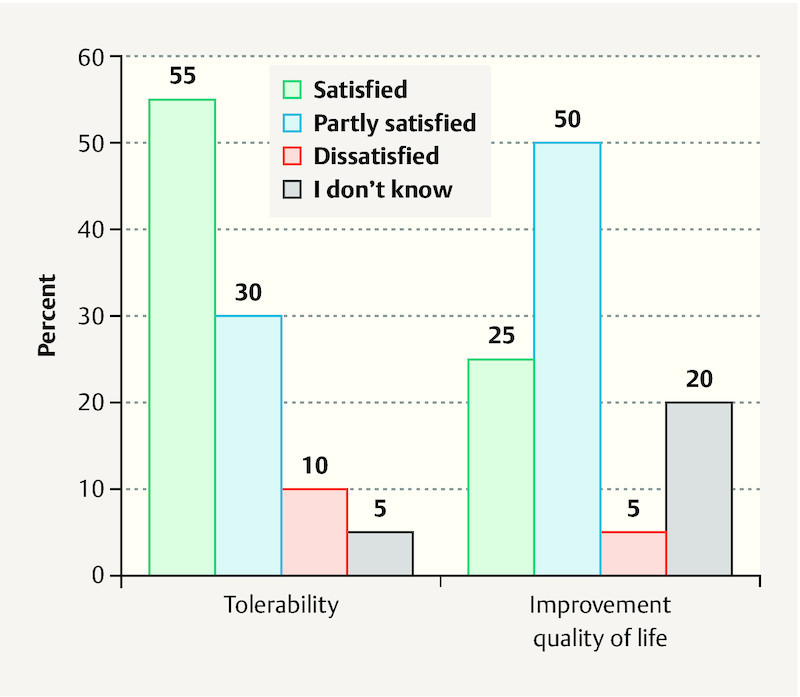
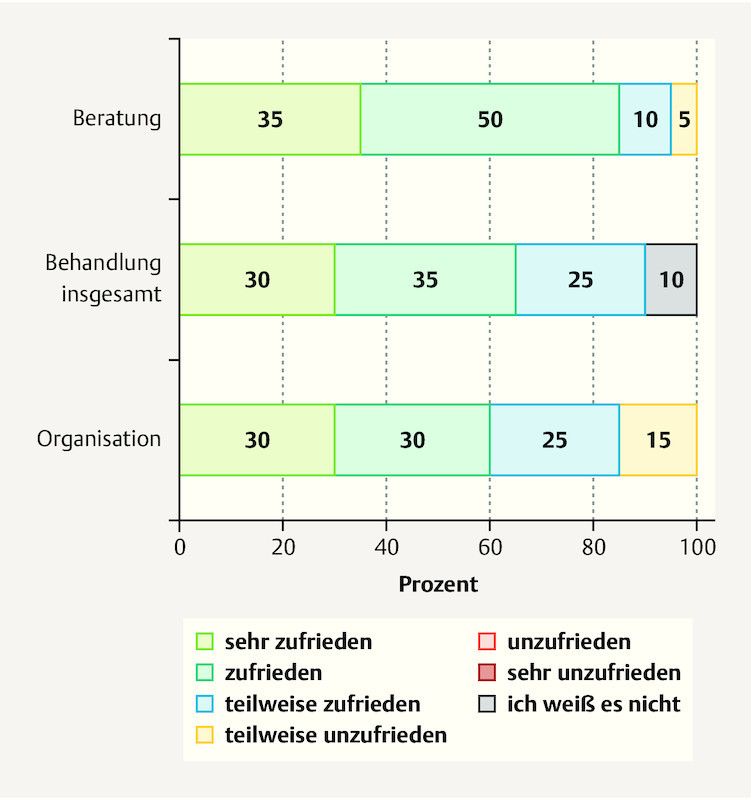
During cancer therapy, many patients suffer from malnutrition or vitamin deficiency. Treatment for nutrition-related deficiencies should therefore include nutritional therapy and possibly oral or intravenous substitution of micronutrients. Little information exists on multinutrient infusion therapies. The aim of this study was to develop standardized infusion protocols for integrative medicine infusions with micronutrients (IMed infusions) and to report on side effects of the treatment and patients' satisfaction with it. For the IMed consultancy service, four special formulas for intravenous use were developed in cooperation with the pharmacy at Erlangen University Hospital. A retrospective cross-sectional study was conducted between October 2015 and January 2018 in which 45 patients with gynecological or breast cancer (BC) and IMed infusion therapy were included. Follow-up data were obtained from 20 patients using a standardized questionnaire on IMed infusions. A total of 280 IMed infusions were administered in the study period. The majority of the patients received an IMed regeneration infusion (78%). The majority of the patients had BC and were receiving chemotherapy. Most patients reported a high or very high level of satisfaction with the organization (60%), general treatment (65%) and counseling (85%). Subjective improvement in their disease-related and therapy-induced symptoms, such as fatigue, polyneuropathy and physical efficiency, was reported by 70% of the patients, while 75% reported a subjective increase in quality of life. Side effects were rare and minor. Therapy with IMed infusions in women with BC or gynecological cancer requires the same standards set for drug therapy. Although vitamins represent dietary supplements, appropriate assessment of the patient's medical history is needed and patients must receive appropriate information. For this purpose, standardized processes, as in the context of an IMed consultancy service, are helpful.
在癌症治疗期间,许多患者会出现营养不良或维生素缺乏的情况。因此,针对营养相关缺乏症的治疗应包括营养疗法,可能还需口服或静脉补充微量营养素。关于多种营养素输注疗法的信息较少。本研究的目的是制定用于整合医学微量营养素输注(IMed输注)的标准化输注方案,并报告治疗的副作用及患者对其的满意度。 对于IMed咨询服务,与埃尔朗根大学医院药房合作开发了四种静脉使用的特殊配方。2015年10月至2018年1月进行了一项回顾性横断面研究,纳入了45例接受IMed输注治疗的妇科或乳腺癌(BC)患者。通过一份关于IMed输注的标准化问卷从20例患者中获取随访数据。 在研究期间共进行了280次IMed输注。大多数患者接受了IMed再生输注(78%)。大多数患者患有乳腺癌且正在接受化疗。大多数患者对组织(60%)、总体治疗(65%)和咨询(85%)表示高度或非常高度满意。70%的患者报告其与疾病相关和治疗引起的症状,如疲劳、多发性神经病和身体效能有主观改善,而75%的患者报告生活质量有主观提高。副作用很少且轻微。 对患有乳腺癌或妇科癌症的女性进行IMed输注治疗需要遵循与药物治疗相同的标准。尽管维生素属于膳食补充剂,但仍需要对患者病史进行适当评估,且患者必须获得适当信息。为此,如在IMed咨询服务背景下的标准化流程会有所帮助。