School of Biological Sciences, Nanyang Technological University, Singapore, Singapore.
NTU Institute of Structural Biology, Nanyang Technological University, Singapore, Singapore.
Elife. 2018 Nov 30;7:e41301. doi: 10.7554/eLife.41301.
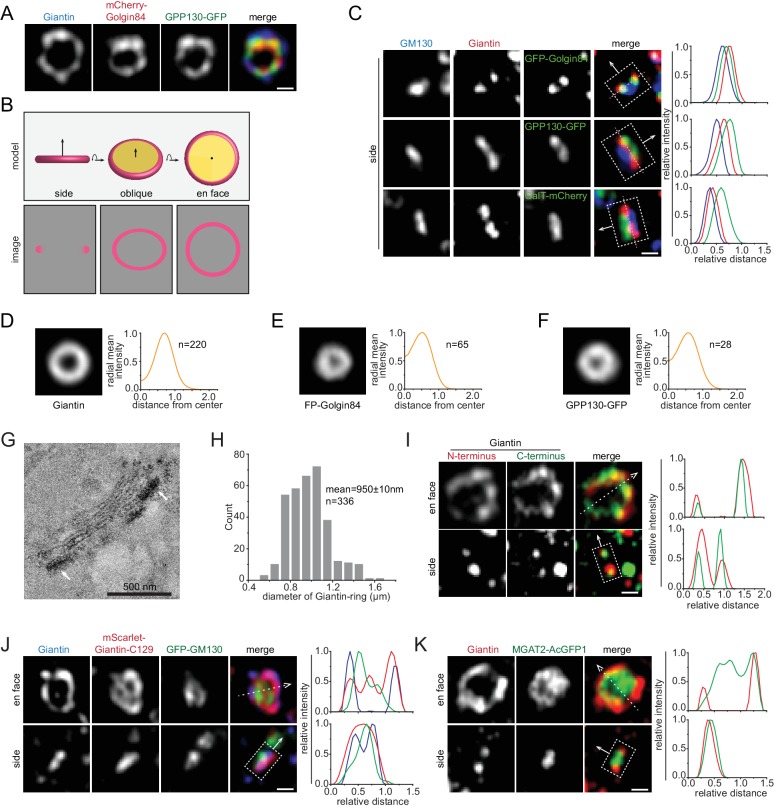
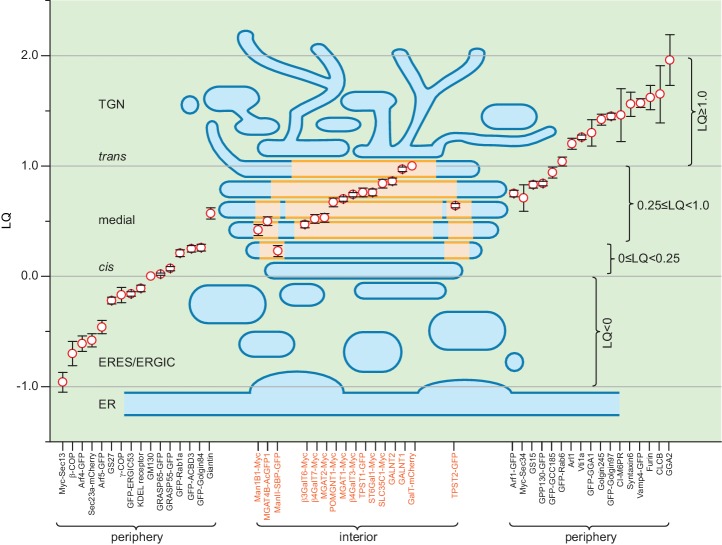
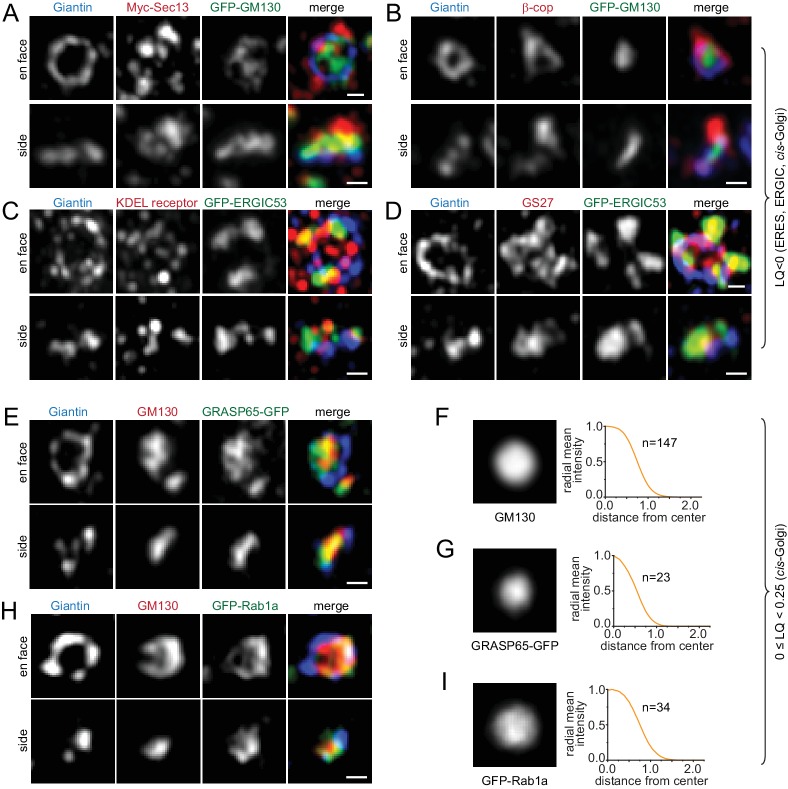
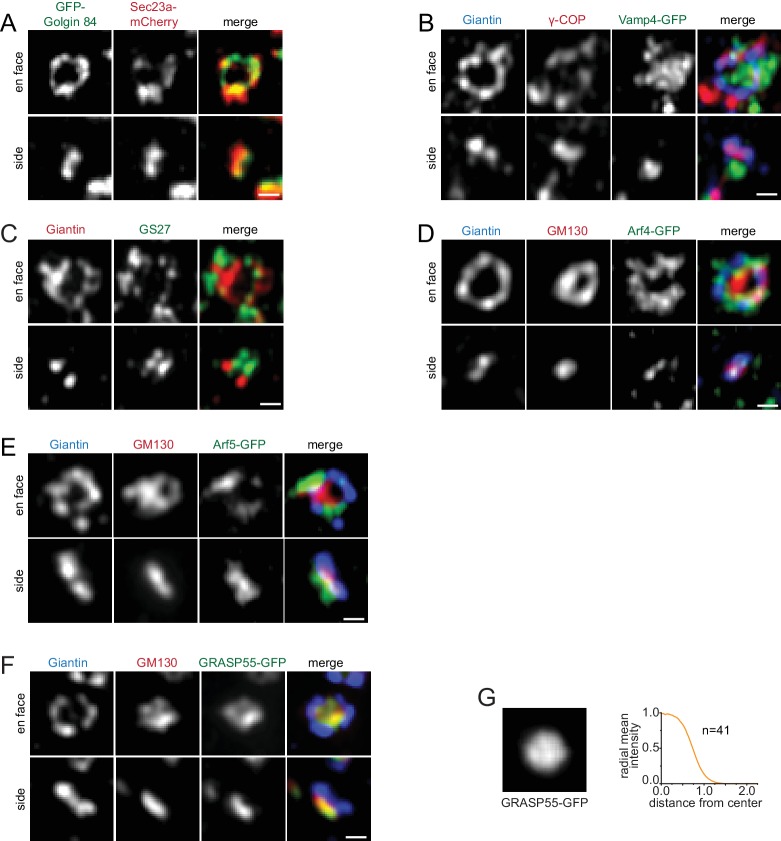
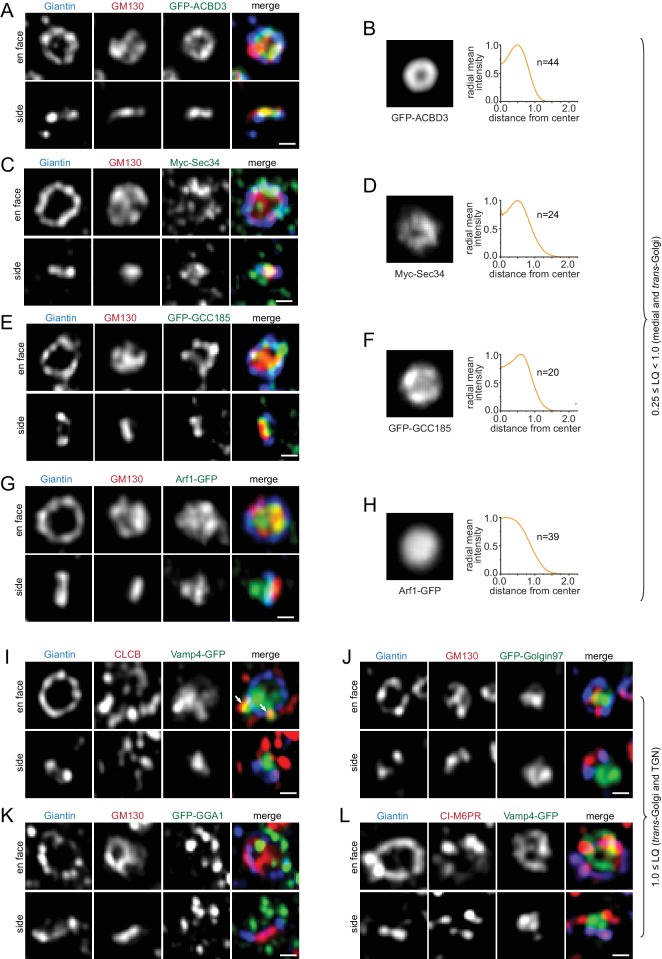
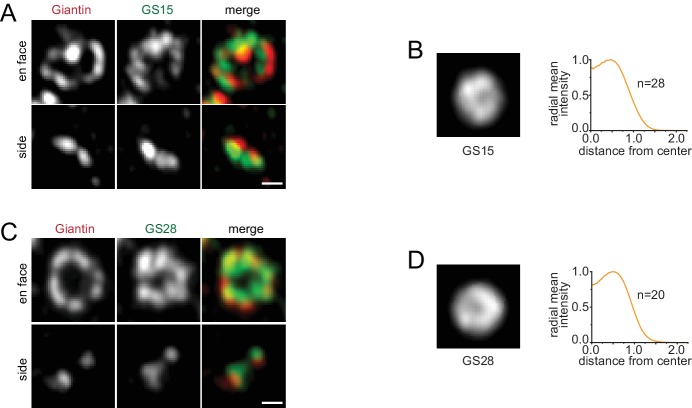
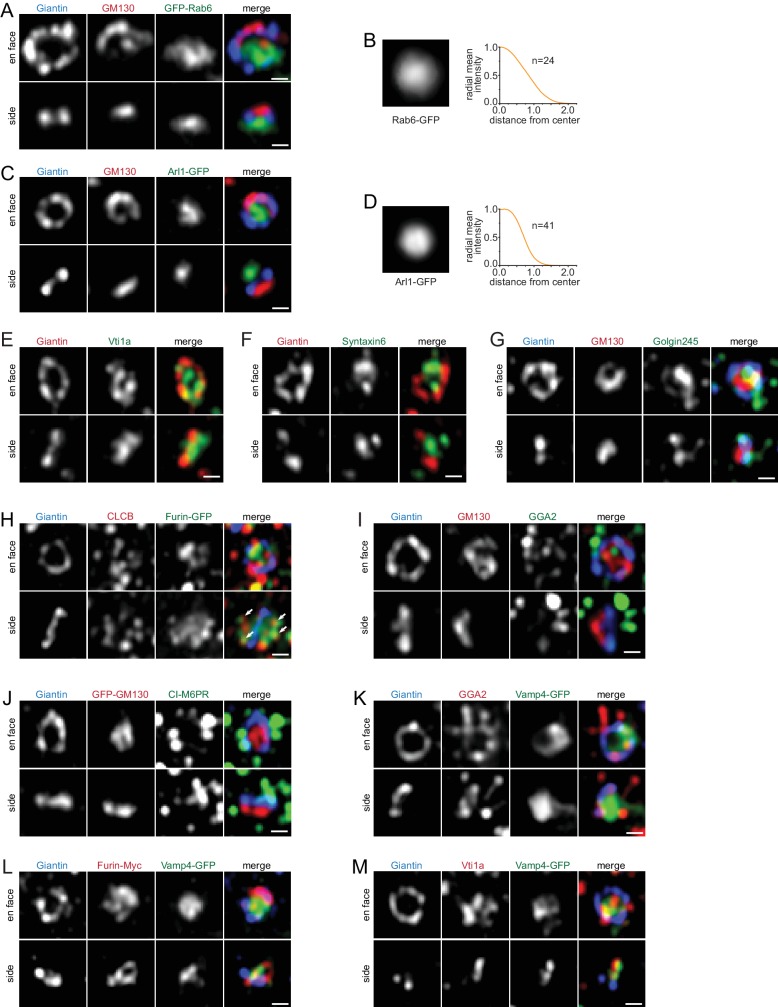
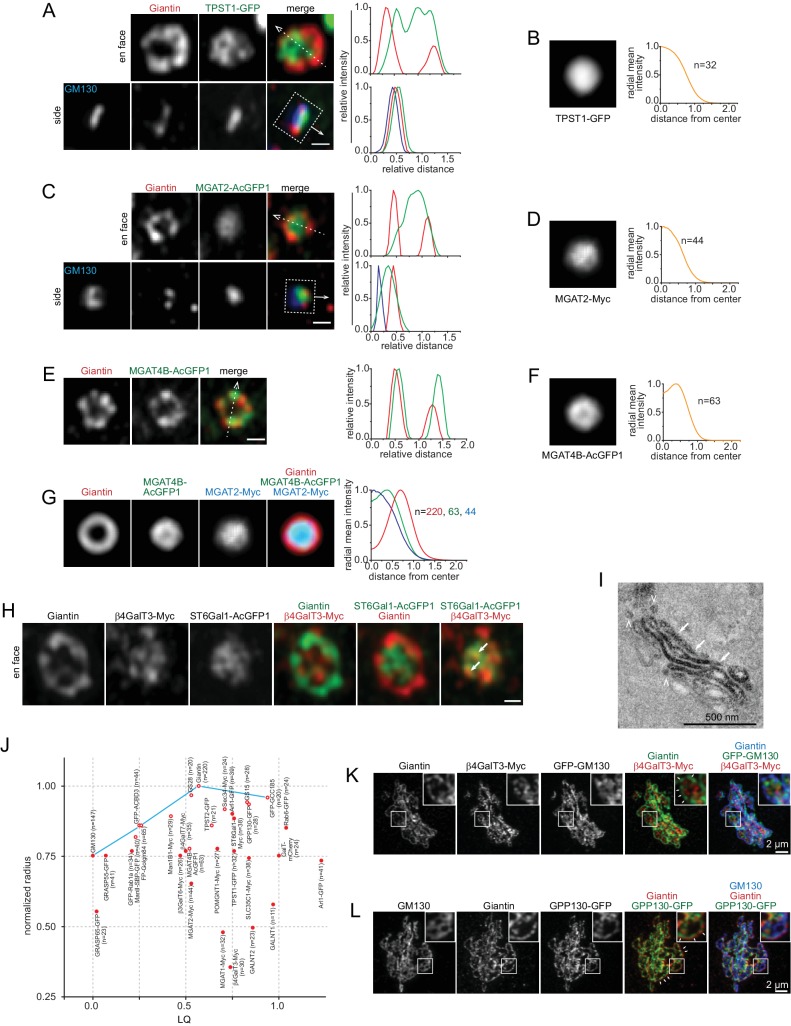
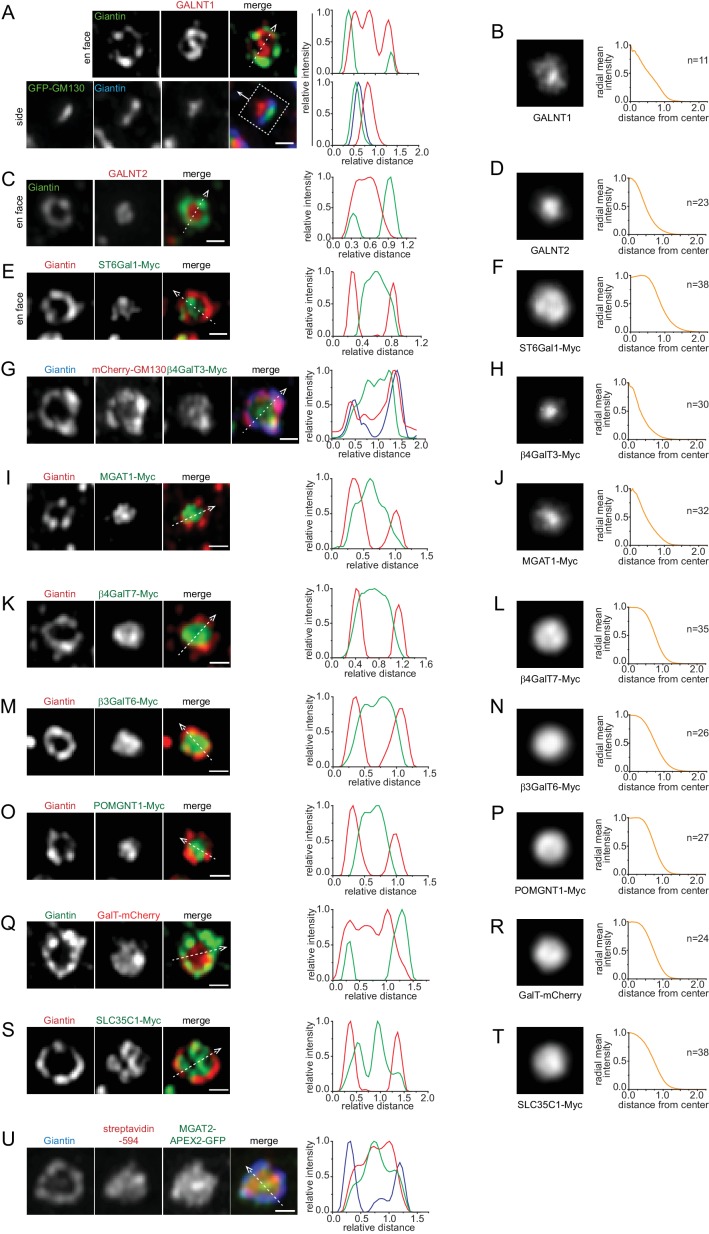
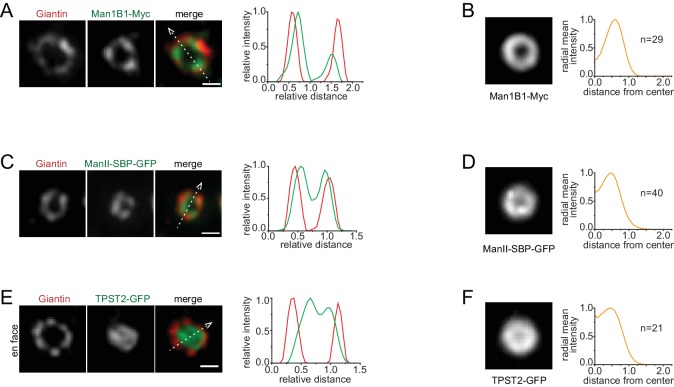
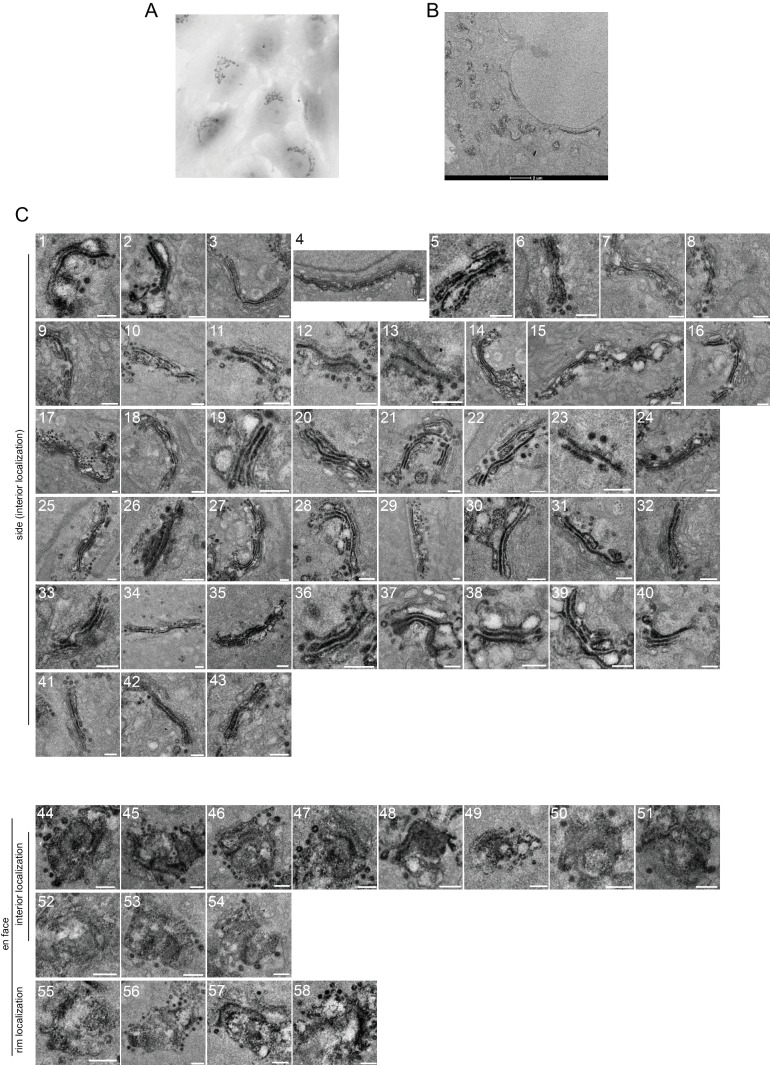
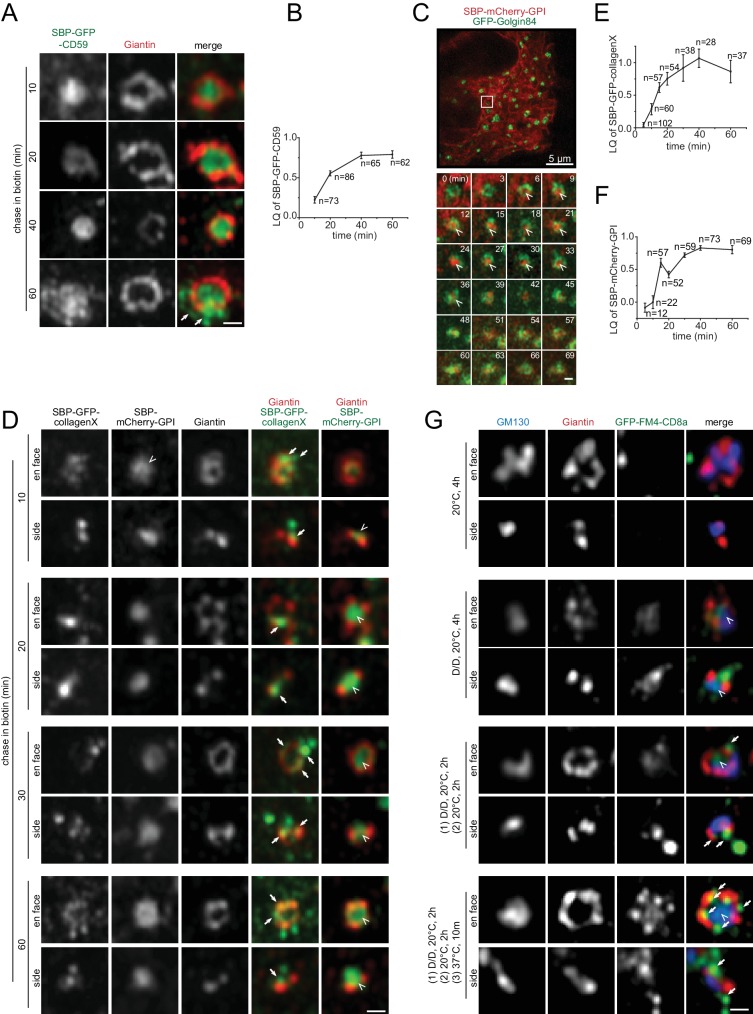
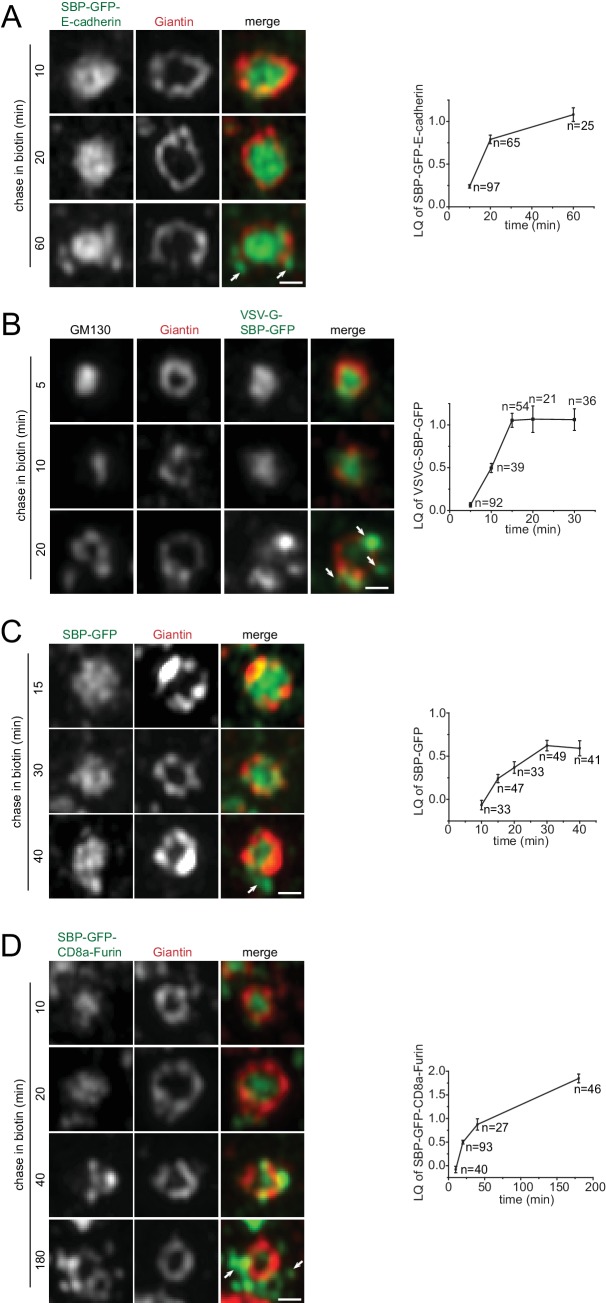
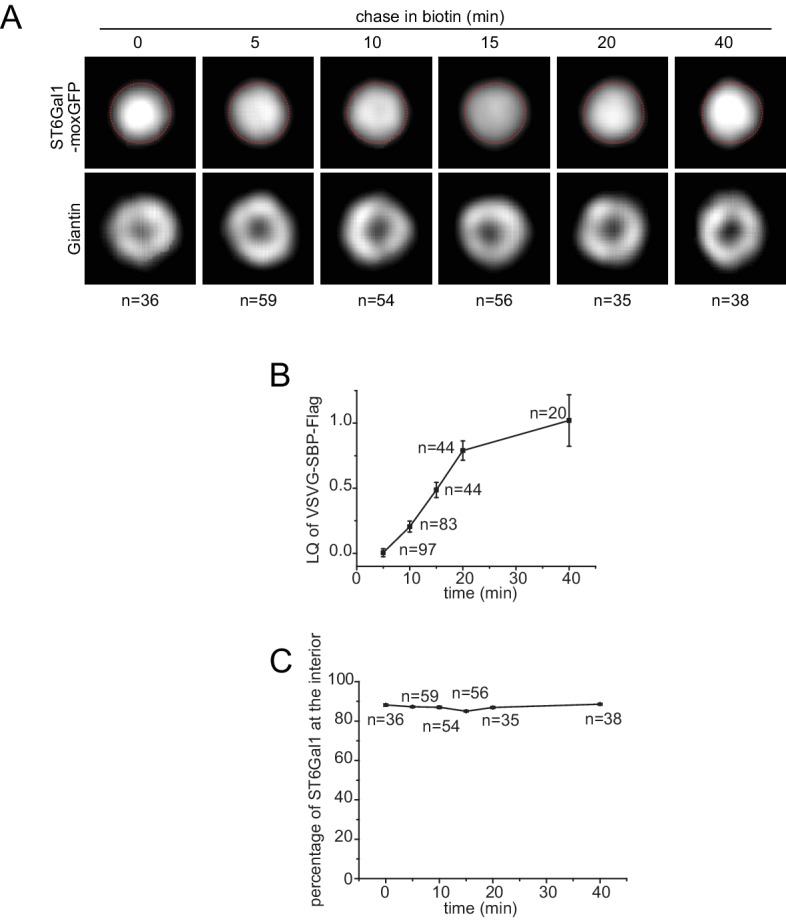
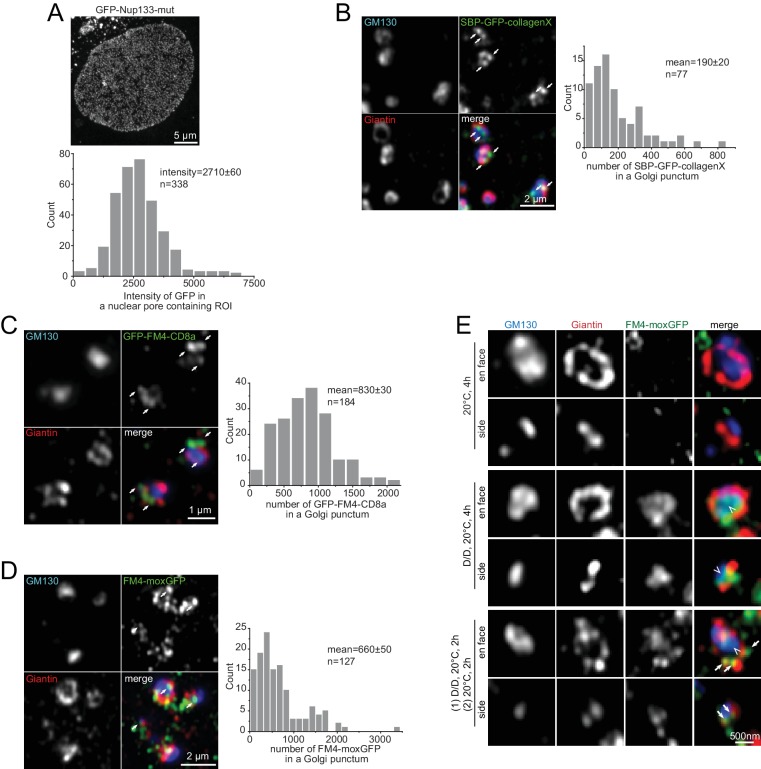
It is unclear how the two principal functions of the Golgi complex, processing and transport, are spatially organized. Studying such spatial organization by optical imaging is challenging, partially due to the dense packing of stochastically oriented Golgi stacks. Using super-resolution microscopy and markers such as Giantin, we developed a method to identify en face and side views of individual nocodazole-induced Golgi mini-stacks. Our imaging uncovered that Golgi enzymes preferentially localize to the cisternal interior, appearing as a central disk or inner-ring, whereas components of the trafficking machinery reside at the periphery of the stack, including the cisternal rim. Interestingly, conventional secretory cargos appeared at the cisternal interior during their intra-Golgi trafficking and transiently localized to the cisternal rim before exiting the Golgi. In contrast, bulky cargos were found only at the rim. Our study therefore directly demonstrates the spatial separation of processing and transport functions within the Golgi complex.
目前尚不清楚高尔基体的两个主要功能(加工和运输)在空间上是如何组织的。通过光学成像研究这种空间组织具有挑战性,部分原因是随机定向的高尔基体堆叠密集包装。使用超分辨率显微镜和巨蛋白(Giantin)等标记物,我们开发了一种方法来识别单个长春花碱诱导的高尔基体小型堆栈的正面和侧面视图。我们的成像揭示了高尔基体酶优先定位于腔内腔内,呈现为中央盘或内环,而运输机制的成分位于堆栈的外围,包括腔边缘。有趣的是,传统的分泌性货物在高尔基体内部运输期间出现在腔内腔内,并在离开高尔基体之前短暂定位于腔边缘。相比之下,大体积货物仅在边缘处发现。因此,我们的研究直接证明了高尔基体复合体中加工和运输功能的空间分离。