Pedersen Jeppe N, Bombar Deniz, Paerl Ryan W, Riemann Lasse
Marine Biological Section, Department of Biology, University of Copenhagen, Helsingør, Denmark.
Front Microbiol. 2018 Nov 16;9:2759. doi: 10.3389/fmicb.2018.02759. eCollection 2018.
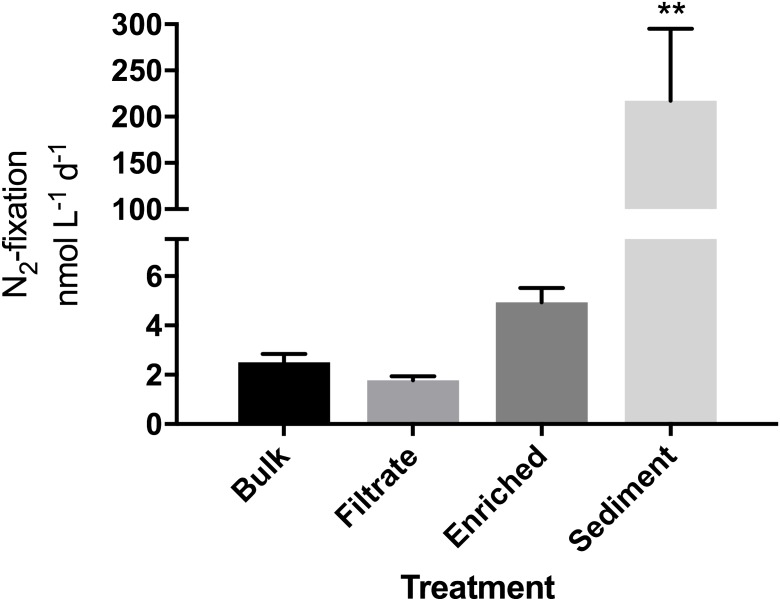
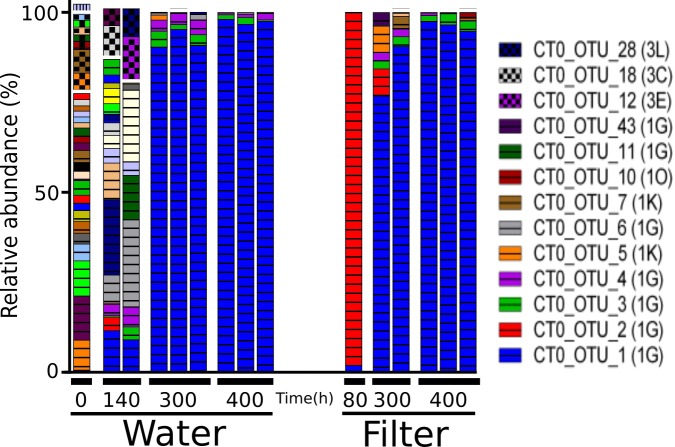
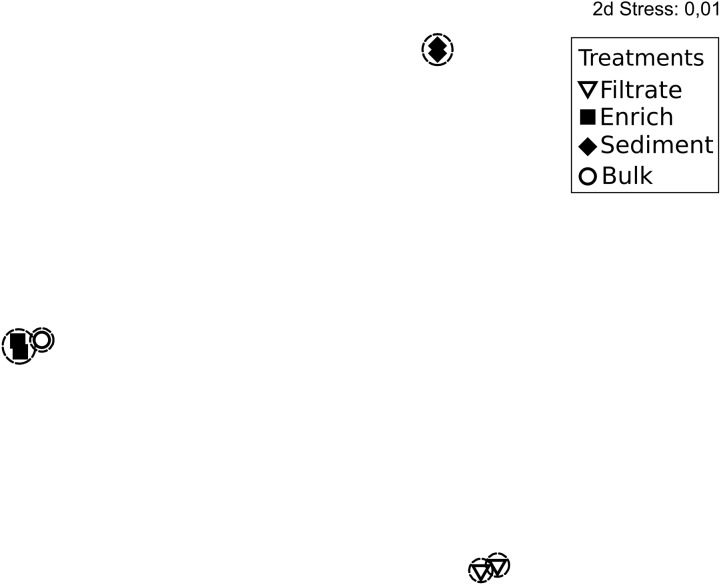
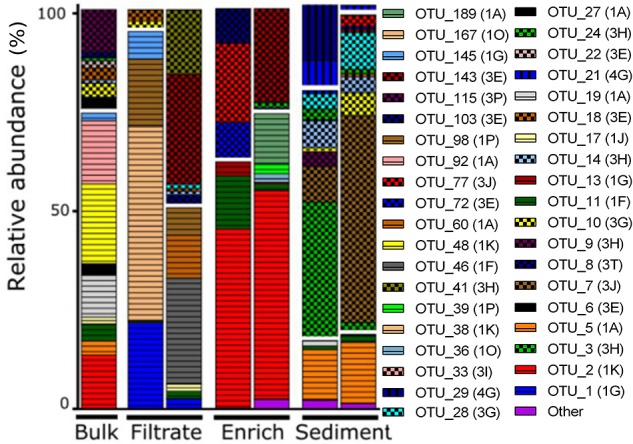
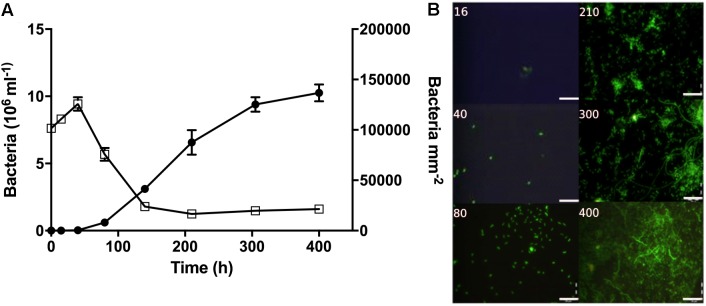
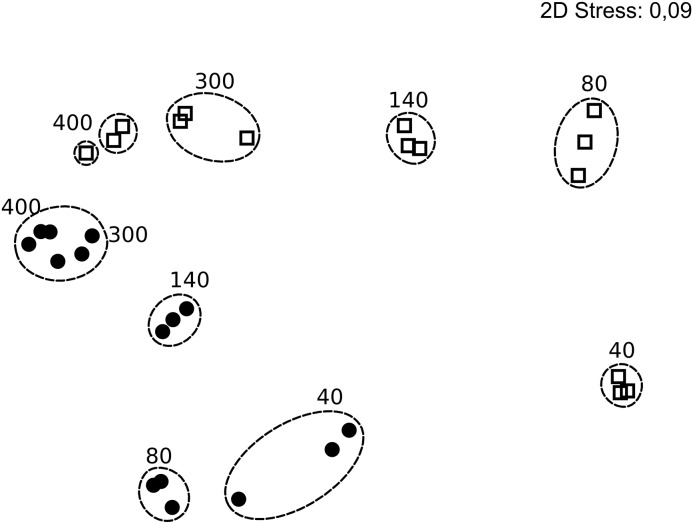
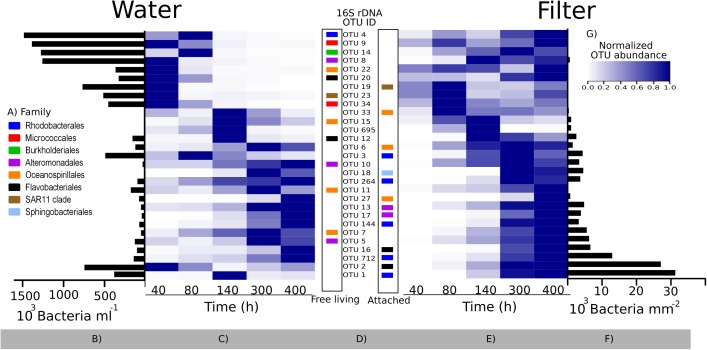
Putative heterotrophic bacteria carrying out N-fixation, so-called non-cyanobacterial diazotrophs (NCDs), are widely distributed in marine waters, but details of how the O-inhibited N-fixation process is promoted in the oxic water column remains ambiguous. Here we carried out two experiments with water from a eutrophic temperate fjord to examine whether low-oxygen microenvironments within particulate organic matter could be loci suitable for N-fixation. First, water enriched with natural particles or sediment showed higher N-fixation rates than bulk water, and nitrogenase genes () revealed that specific diazotrophs were affiliated with the particulate matter. Second, pristine artificial surfaces were rapidly colonized by diverse bacteria, while putative diazotrophs emerged relatively late (after 80 h) during the colonization, and phylotypes related to and to anaerobic bacteria became dominant with time. Our study pinpoints natural particles as sites of N-fixation, and indicates that resuspension of sediment material can elevate pelagic N-fixation. Moreover, we show that diverse natural diazotrophs can colonize artificial surfaces, but colonization by "pioneer" bacterioplankton that more rapidly associate with surfaces appears to be a prerequisite. Whereas our experimental study supports the idea of pelagic particles as sites of N-fixation by heterotrophic bacteria, future studies are needed in order to establish identity, activity and ecology of particle associated NCDs as a function of individual particle characteristics.
所谓的非蓝藻固氮菌(NCDs)这类假定的进行固氮作用的异养细菌广泛分布于海水中,但在有氧水柱中促进氧抑制的固氮过程的具体细节仍不明确。在此,我们利用来自一个富营养化温带峡湾的水进行了两项实验,以研究颗粒有机物内的低氧微环境是否可能是适合固氮的场所。首先,富含天然颗粒或沉积物的水比总体水显示出更高的固氮率,并且固氮酶基因表明特定的固氮菌与颗粒物有关联。其次,原始的人工表面迅速被多种细菌定殖,而假定的固氮菌在定殖过程中出现得相对较晚(80小时后),并且与 和厌氧细菌相关的系统发育型随时间推移而占主导地位。我们的研究确定天然颗粒为固氮场所,并表明沉积物物质的再悬浮可提高海洋固氮作用。此外,我们表明多种天然固氮菌可以定殖人工表面,但由与表面更快结合的“先锋”浮游细菌进行定殖似乎是一个先决条件。尽管我们的实验研究支持海洋颗粒作为异养细菌固氮场所的观点,但未来仍需要开展研究,以便确定与颗粒相关的非蓝藻固氮菌的身份、活性和生态学与单个颗粒特征之间的关系。