Institute of Crop Sciences, Chinese Academy of Agricultural Sciences (CAAS)/National Key Facility for Crop Gene Resources and Genetic Improvement, Key Laboratory of Biology and Genetic Improvement of Triticeae Crops, Ministry of Agriculture, Beijing, 100081, China.
Beijing Advanced Innovation Center for Food Nutrition and Human Health/Beijing Key Lab of Plant Resource Research and Development, Beijing Technology and Business University, Beijing, 100048, China.
BMC Plant Biol. 2018 Dec 3;18(1):320. doi: 10.1186/s12870-018-1551-7.
Abiotic stress severely influences plant growth and development. MYB transcription factors (TFs), which compose one of the largest TF families, play an important role in abiotic stress responses.
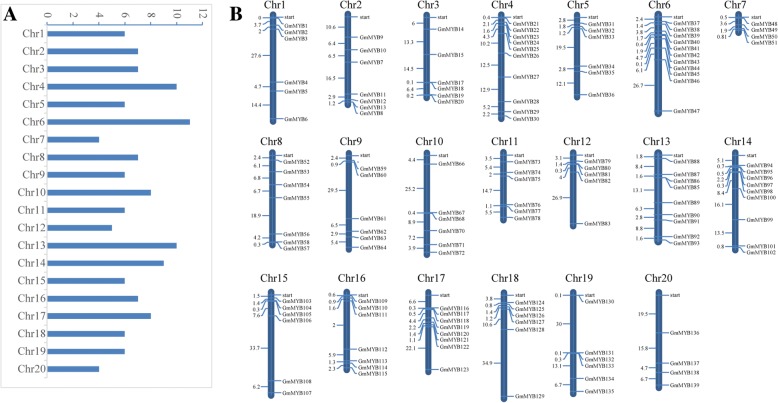
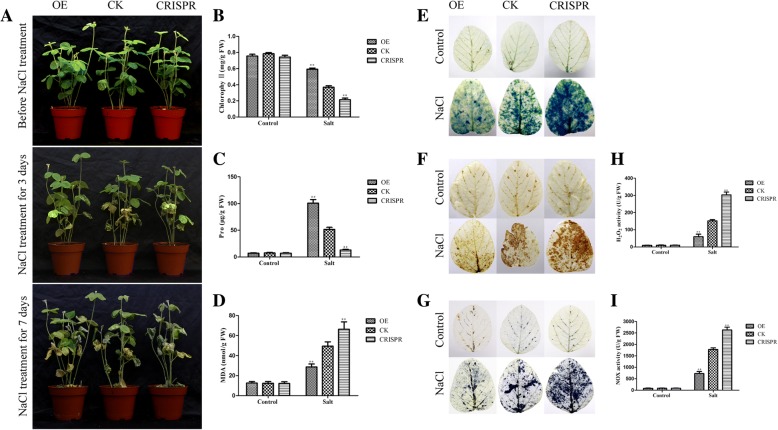
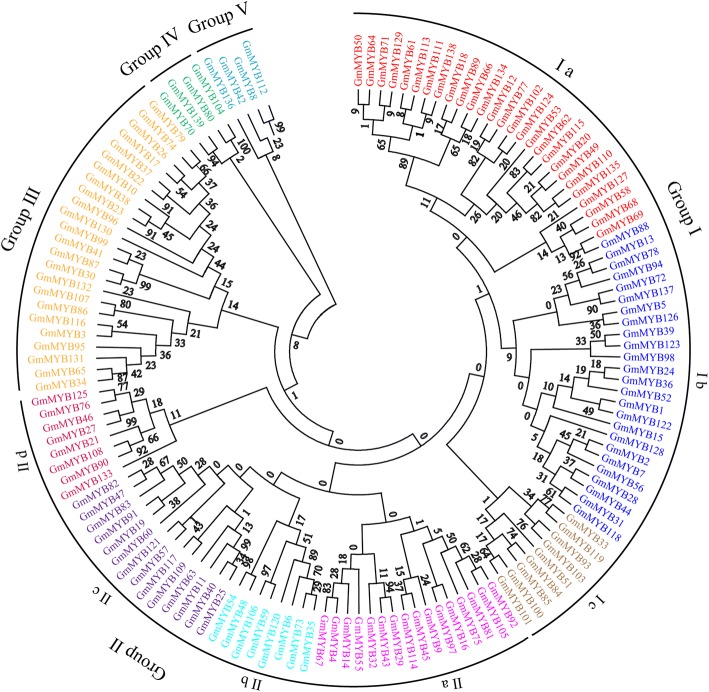
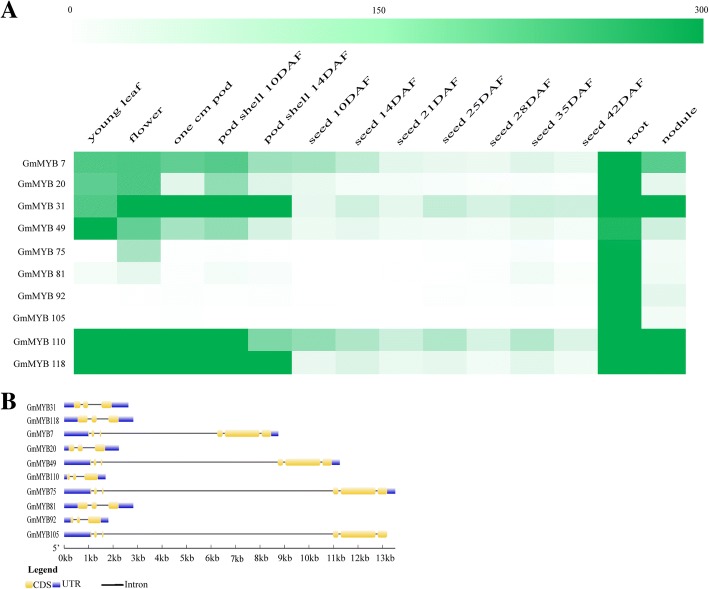
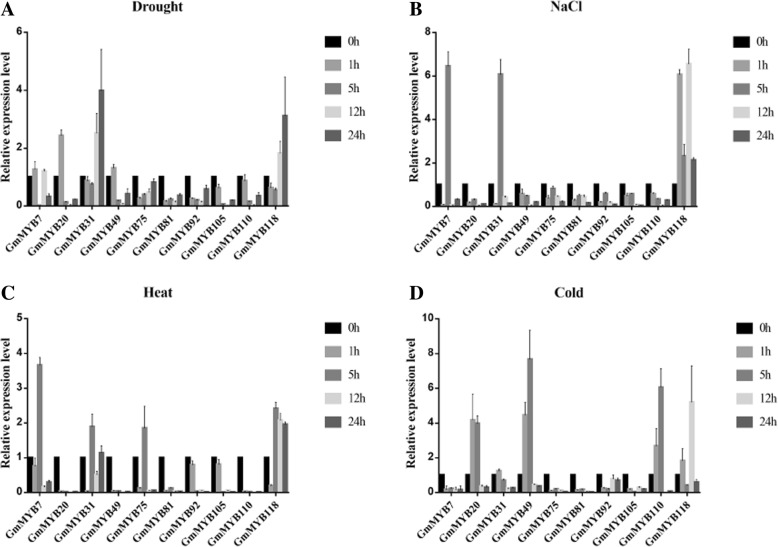
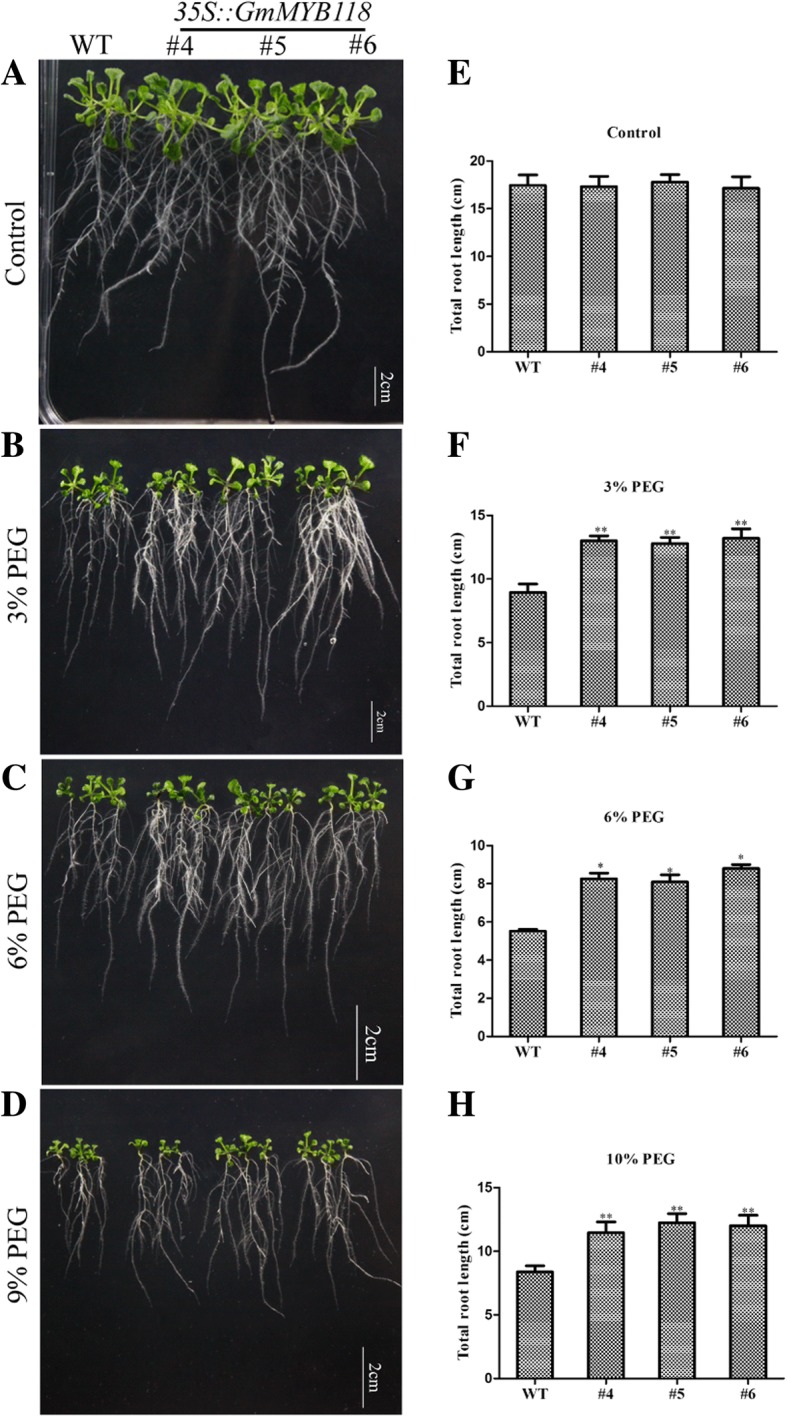
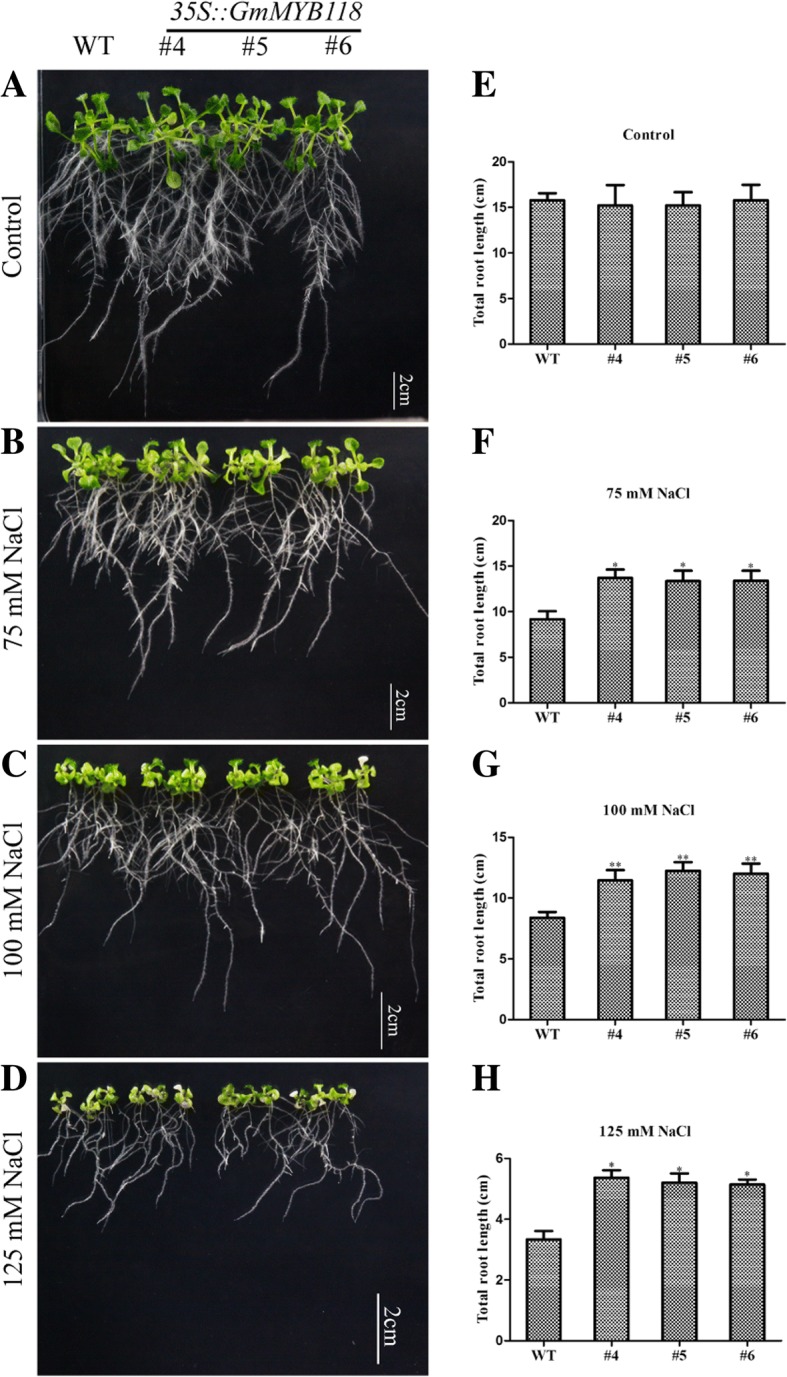
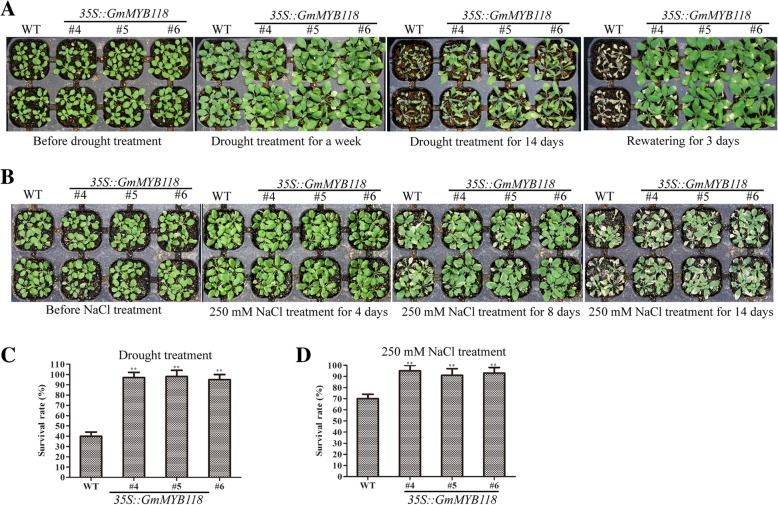
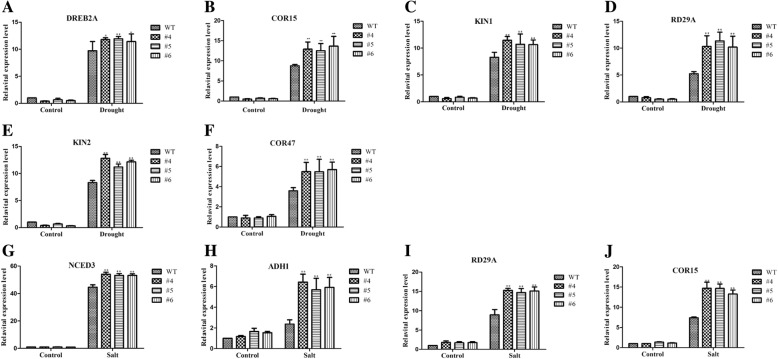
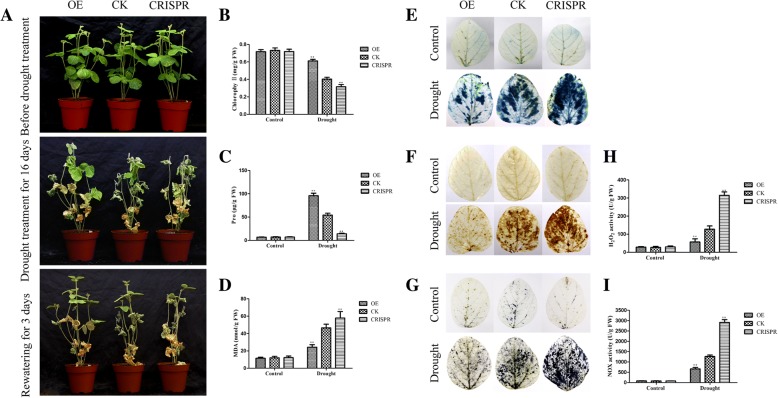
We identified 139 soybean MYB-related genes; these genes were divided into six groups based on their conserved domain and were distributed among 20 chromosomes (Chrs). Quantitative real-time PCR (qRT-PCR) indicated that GmMYB118 highly responsive to drought, salt and high temperature stress; thus, this gene was selected for further analysis. Subcellular localization revealed that the GmMYB118 protein located in the nucleus. Ectopic expression (EX) of GmMYB118 increased tolerance to drought and salt stress and regulated the expression of several stress-associated genes in transgenic Arabidopsis plants. Similarly, GmMYB118-overexpressing (OE) soybean plants generated via Agrobacterium rhizogenes (A. rhizogenes)-mediated transformation of the hairy roots showed improved drought and salt tolerance. Furthermore, compared with the control (CK) plants, the clustered, regularly interspaced, short palindromic repeat (CRISPR)-transformed plants exhibited reduced drought and salt tolerance. The contents of proline and chlorophyll in the OE plants were significantly greater than those in the CK plants, whose contents were greater than those in the CRISPR plants under drought and salt stress conditions. In contrast, the reactive oxygen species (ROS) and malondialdehyde (MDA) contents were significantly lower in the OE plants than in the CK plants, whose contents were lower than those in the CRISPR plants under stress conditions.
These results indicated that GmMYB118 could improve tolerance to drought and salt stress by promoting expression of stress-associated genes and regulating osmotic and oxidizing substances to maintain cell homeostasis.
非生物胁迫严重影响植物的生长和发育。MYB 转录因子(TFs)作为最大的 TF 家族之一,在非生物胁迫响应中发挥重要作用。
我们鉴定了 139 个大豆 MYB 相关基因;这些基因根据其保守结构域分为 6 组,并分布在 20 条染色体(Chrs)上。定量实时 PCR(qRT-PCR)表明,GmMYB118 对干旱、盐和高温胁迫高度响应;因此,选择该基因进行进一步分析。亚细胞定位表明 GmMYB118 蛋白位于细胞核内。GmMYB118 的异位表达(EX)增加了对干旱和盐胁迫的耐受性,并调节了转基因拟南芥植物中几种与胁迫相关基因的表达。同样,通过发根农杆菌(A. rhizogenes)介导的毛状根转化过表达(OE)大豆植物表现出提高的耐旱性和耐盐性。此外,与对照(CK)植物相比,经成簇规律间隔短回文重复(CRISPR)转化的植物耐旱性和耐盐性降低。干旱和盐胁迫条件下,OE 植物中的脯氨酸和叶绿素含量明显高于 CK 植物,而 CK 植物中的含量高于 CRISPR 植物。相比之下,OE 植物中的活性氧(ROS)和丙二醛(MDA)含量在胁迫条件下明显低于 CK 植物,而 CK 植物中的含量低于 CRISPR 植物。
这些结果表明,GmMYB118 通过促进与胁迫相关基因的表达和调节渗透和氧化物质来维持细胞内稳态,从而提高对干旱和盐胁迫的耐受性。