Shanghai Key Laboratory of Chemical Biology, School of Pharmacy, East China University of Science and Technology, Shanghai, China.
Shandong Key Laboratory of Chemical Medicine, Shandong Academy of Pharmaceutical Sciences, Jinan, China.
Cell Prolif. 2019 Mar;52(2):e12543. doi: 10.1111/cpr.12543. Epub 2018 Dec 4.
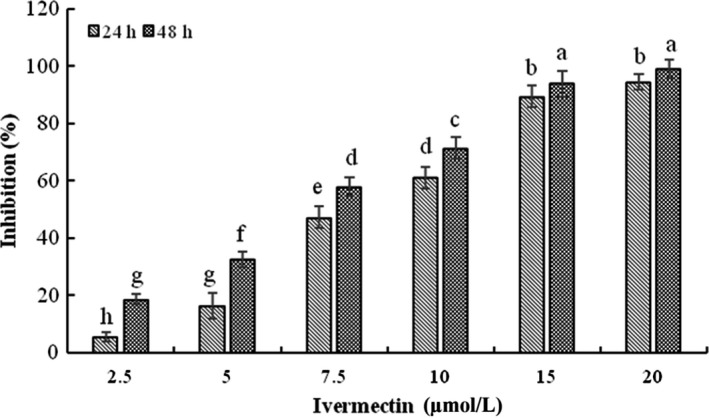
The aim of study was to investigate the anticancer activities of Ivermectin (IVM) and the possible mechanisms in cells level via cell proliferation inhibition, apoptosis and migration inhibition in model cancer cell HeLa.
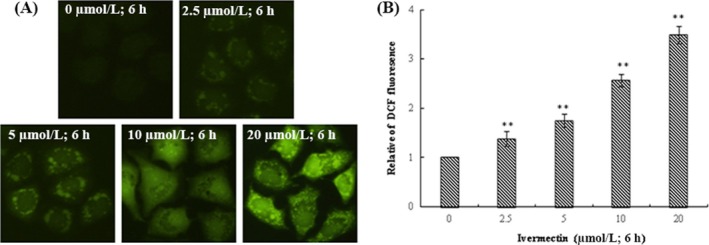
The MTT assay was used to study the inhibitory effect of IVM on the proliferation of Hela cells, and the cell cycle was analysed by flow cytometry. The neutral comet assay was used to study the DNA damage. The presence of apoptosis was confirmed by DAPI nuclear staining and flow cytometry. Changes in mitochondrial membrane potential and reactive oxygen species (ROS) levels were determined using Rhodamine 123 staining and DCFH-DA staining. Western blot analysis for apoptosis-related proteins was carried out. We use scratch test to analyse the antimigration potential of IVM.
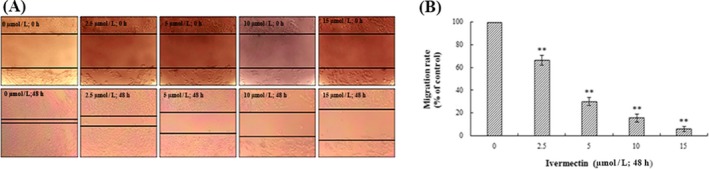
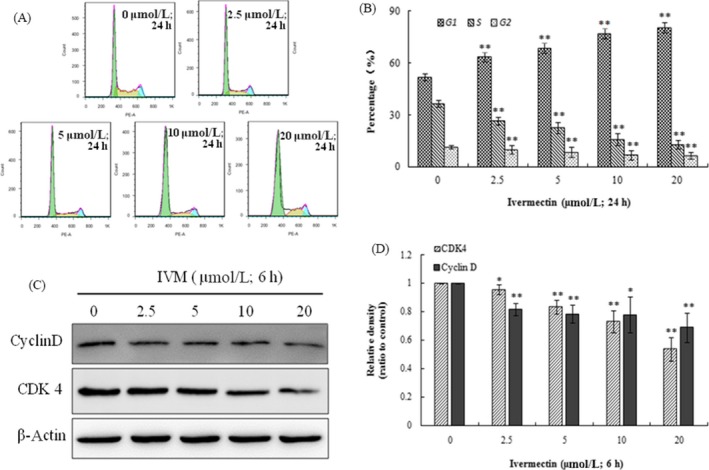
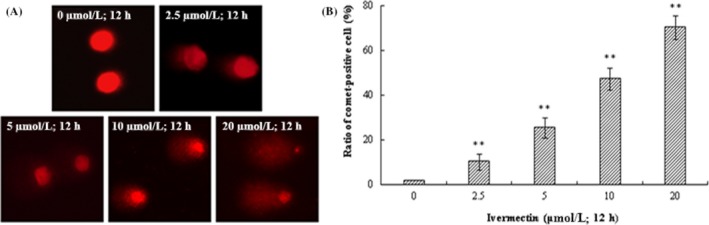
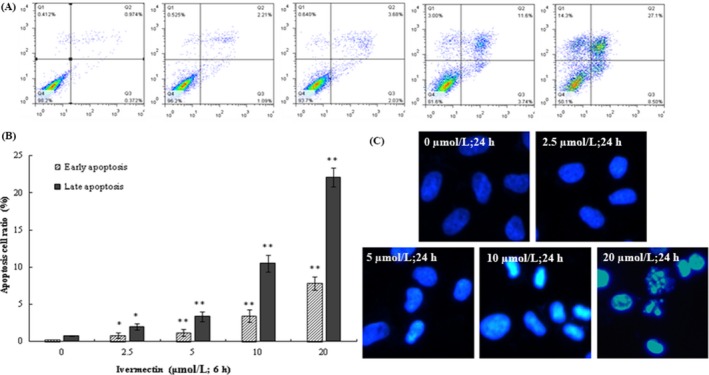
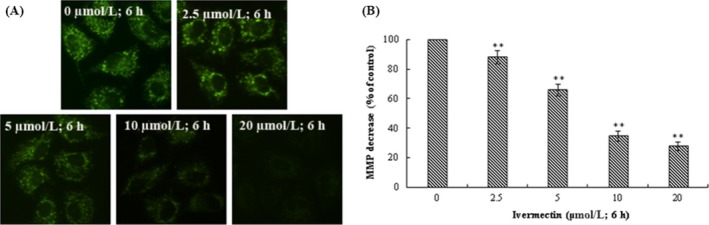
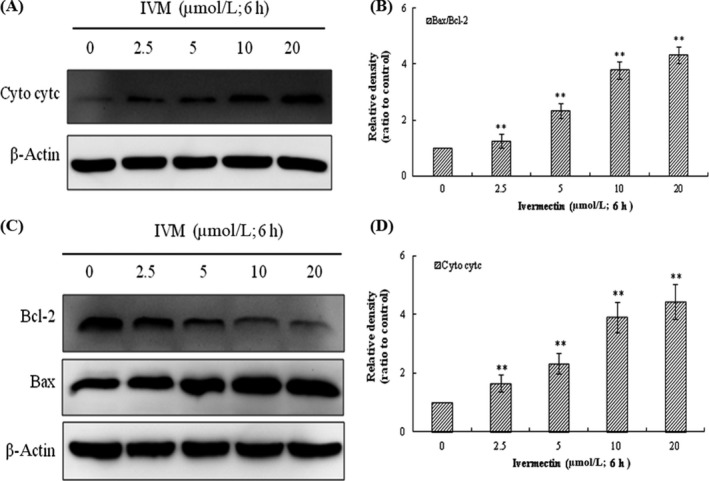
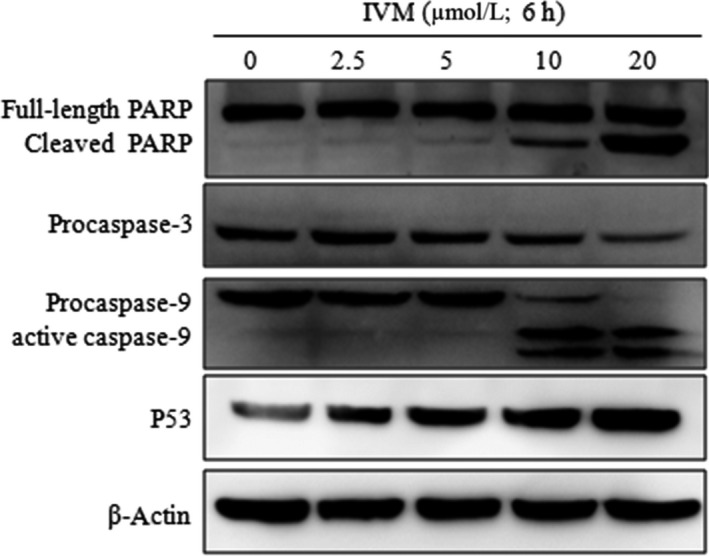
Ivermectin can inhibit the viability of HeLa cells significantly. In addition, treatment with IVM resulted in cell cycle arrest at the G1/S phase which partly account for the suppressed proliferation. Typical apoptosis morphological changes were shown in IVM treatment cells including DNA fragmentation and chromatin condensation. At the same time, the results of flow cytometry analysis showed that the number of apoptotic cells increased significantly with the increase of IVM concentration. Moreover, we observed that the mitochondrial membrane potential collapses and the ratio of Bax/Bcl-2 in the cytoplasm increases, which induces cytochrome c release from the mitochondria to the cytoplasm, activates caspase-9/-3 and finally induces apoptosis. We also found that IVM can significantly increase intracellular ROS content. At the same time, we determined that IVM can significantly inhibit the migration of HeLa cells.
Our experimental results show that IVM might be a new potential anticancer drug for therapy of human cancer.
本研究旨在通过细胞增殖抑制、细胞凋亡和迁移抑制实验,从细胞水平研究伊维菌素(IVM)的抗癌活性及其可能的作用机制。
采用 MTT 法检测 IVM 对 HeLa 细胞增殖的抑制作用,采用流式细胞术分析细胞周期。采用中性彗星试验检测 DNA 损伤。通过 DAPI 核染色和流式细胞术证实细胞凋亡的存在。采用 Rhodamine 123 染色和 DCFH-DA 染色检测线粒体膜电位和活性氧(ROS)水平的变化。采用 Western blot 分析检测凋亡相关蛋白。利用划痕试验分析 IVM 的抗迁移能力。
伊维菌素能显著抑制 HeLa 细胞的活力。此外,IVM 处理导致细胞周期阻滞在 G1/S 期,这部分解释了增殖受到抑制的原因。在 IVM 处理的细胞中出现典型的凋亡形态学变化,包括 DNA 片段化和染色质浓缩。同时,流式细胞术分析结果显示,随着 IVM 浓度的增加,凋亡细胞数量显著增加。此外,我们观察到线粒体膜电位崩溃,细胞质中 Bax/Bcl-2 比值增加,导致细胞色素 c 从线粒体释放到细胞质中,激活 caspase-9/-3,最终诱导细胞凋亡。我们还发现 IVM 能显著增加细胞内 ROS 含量。同时,我们确定 IVM 能显著抑制 HeLa 细胞的迁移。
本实验结果表明,IVM 可能是一种治疗人类癌症的新型潜在抗癌药物。