Abe Yuichi, Honsho Masanori, Itoh Ryota, Kawaguchi Ryoko, Fujitani Masashi, Fujiwara Kazushirou, Hirokane Masaaki, Matsuzaki Takashi, Nakayama Keiko, Ohgi Ryohei, Marutani Toshihiro, Nakayama Keiichi I, Yamashita Toshihide, Fujiki Yukio
Division of Organelle Homeostasis, Medical Institute of Bioregulation, Kyushu University, Fukuoka, Japan.
Graduate School of Systems Life Sciences and Department of Biology, Faculty of Sciences, Kyushu University Graduate School, Fukuoka, Japan.
Life Sci Alliance. 2018 Dec 3;1(6):e201800062. doi: 10.26508/lsa.201800062. eCollection 2018 Dec.
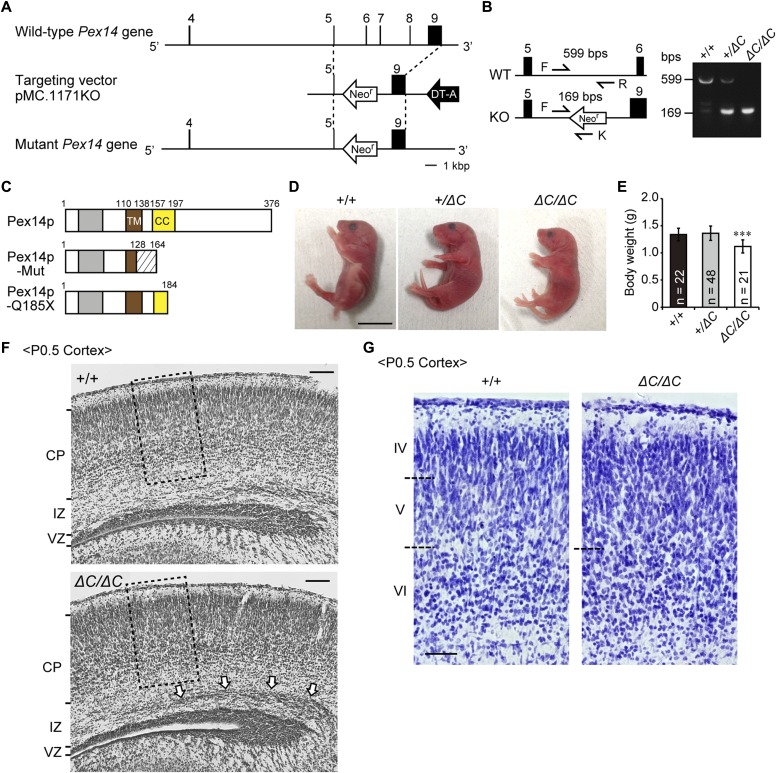
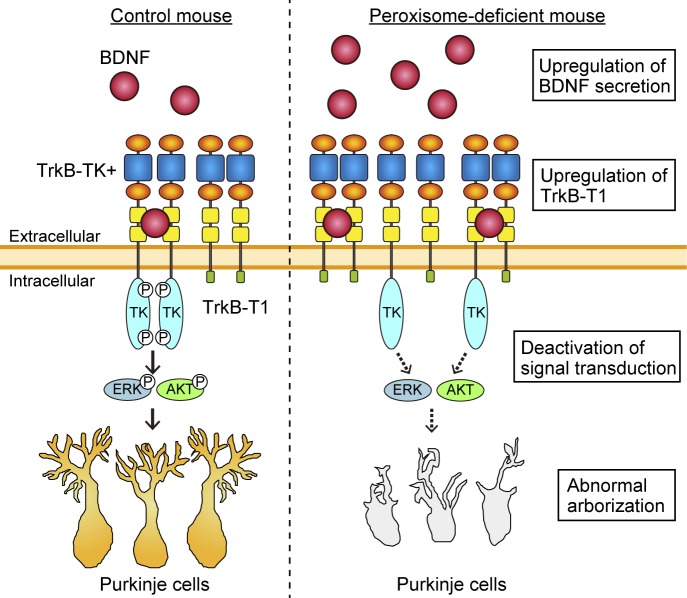
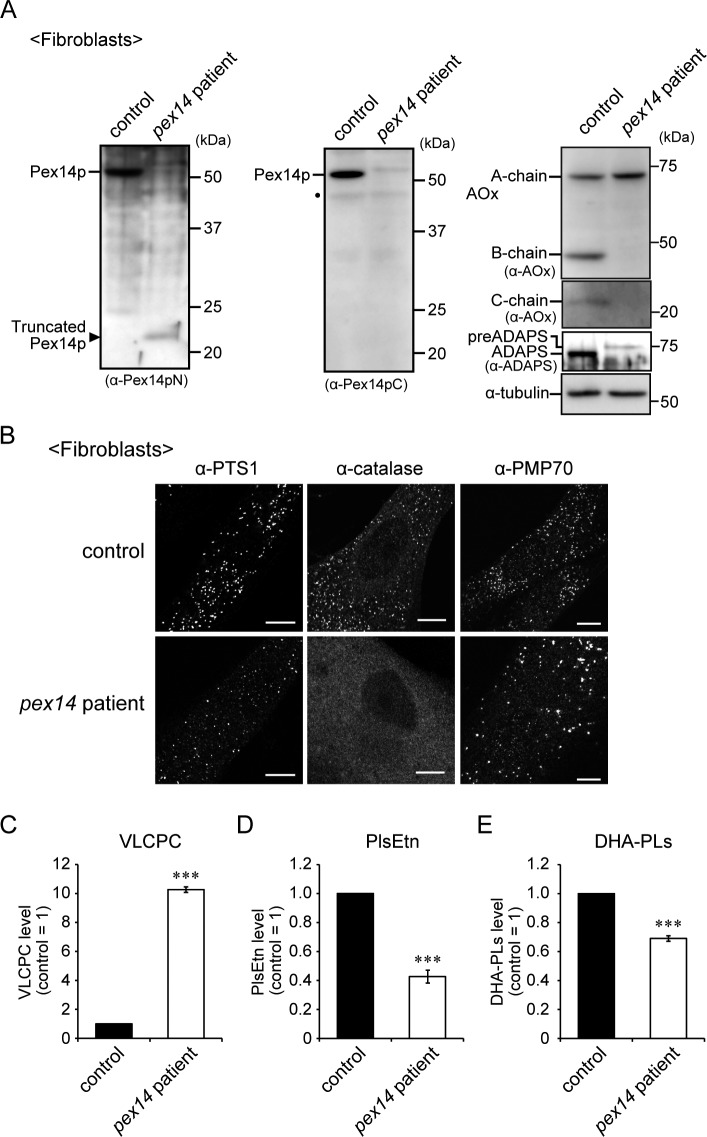
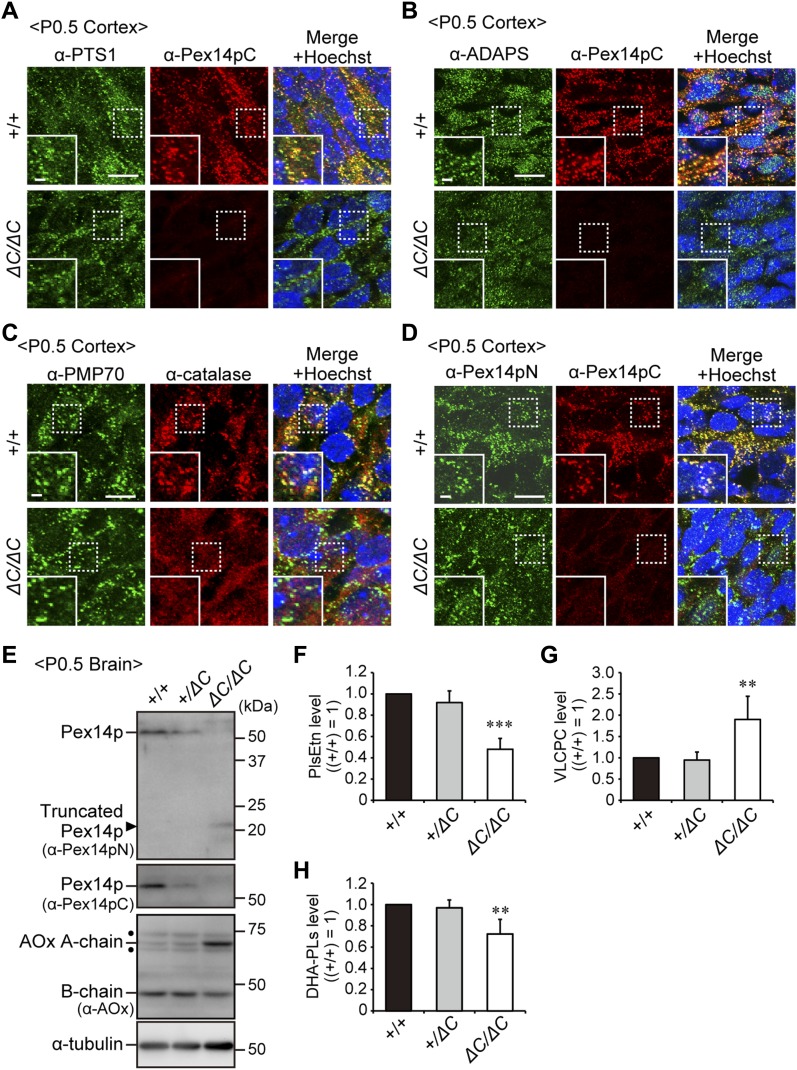
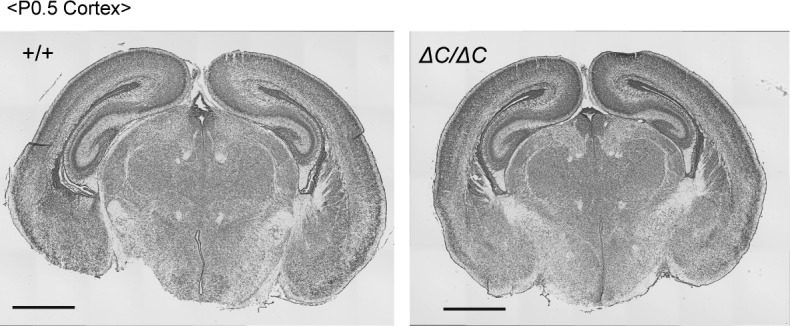
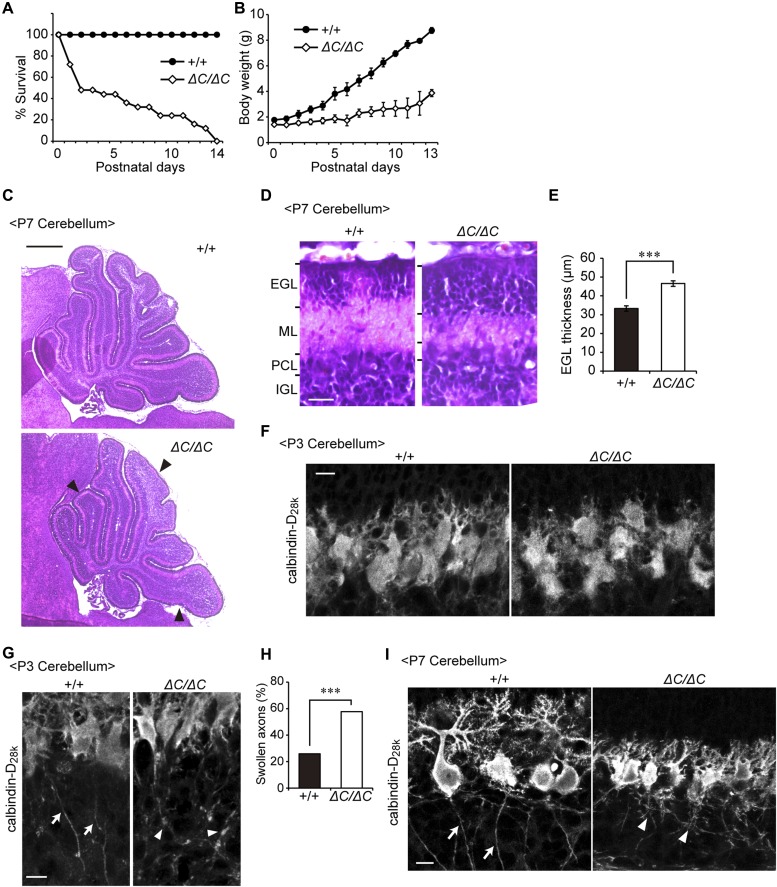
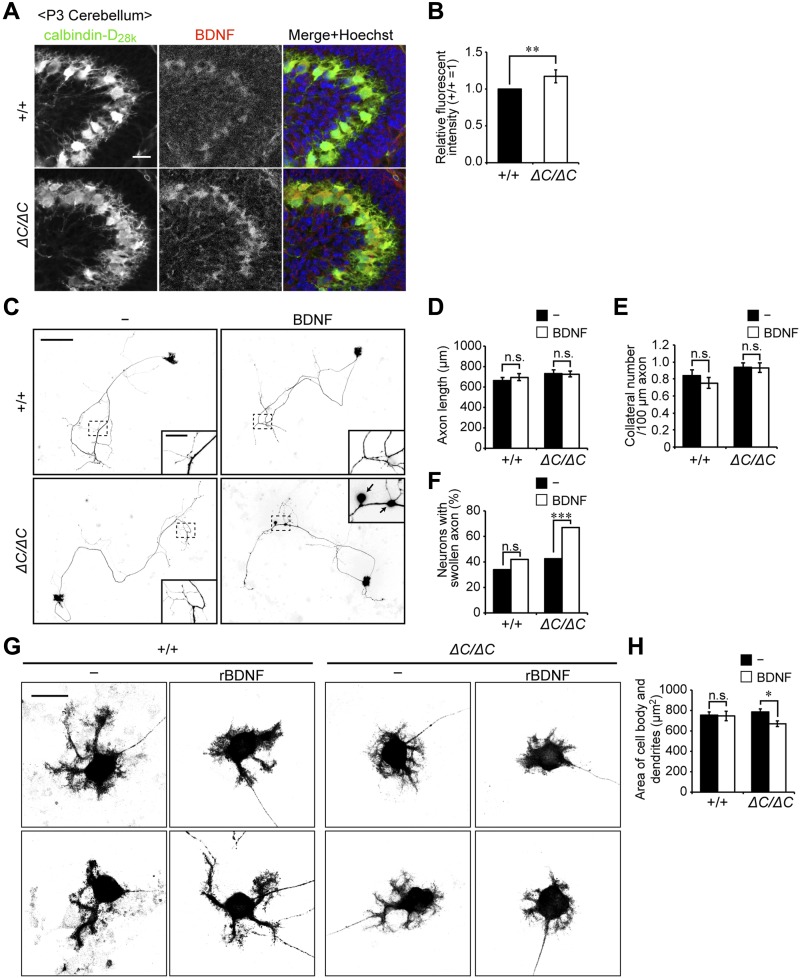
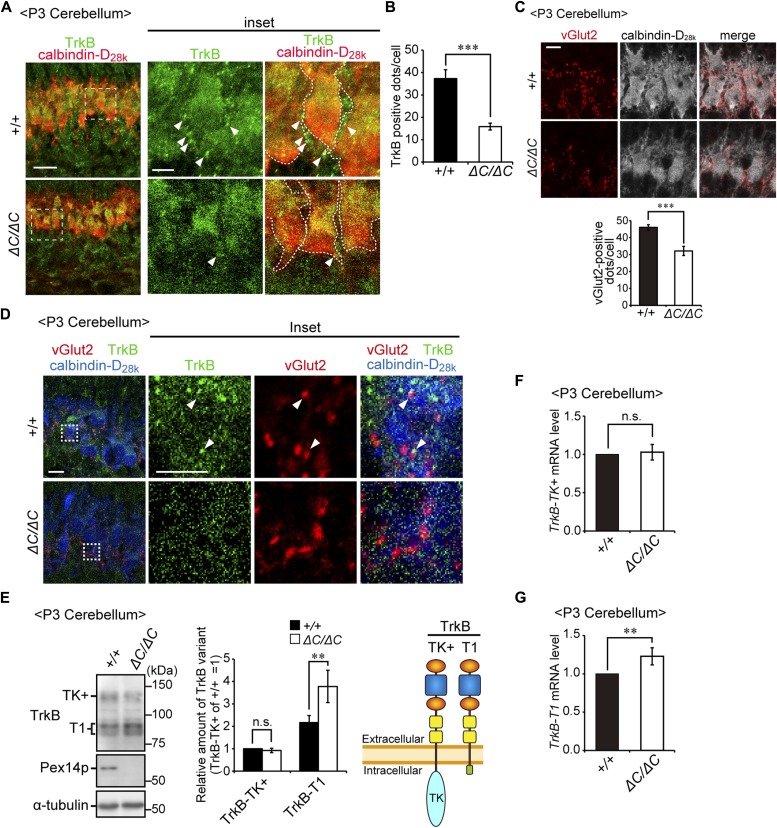
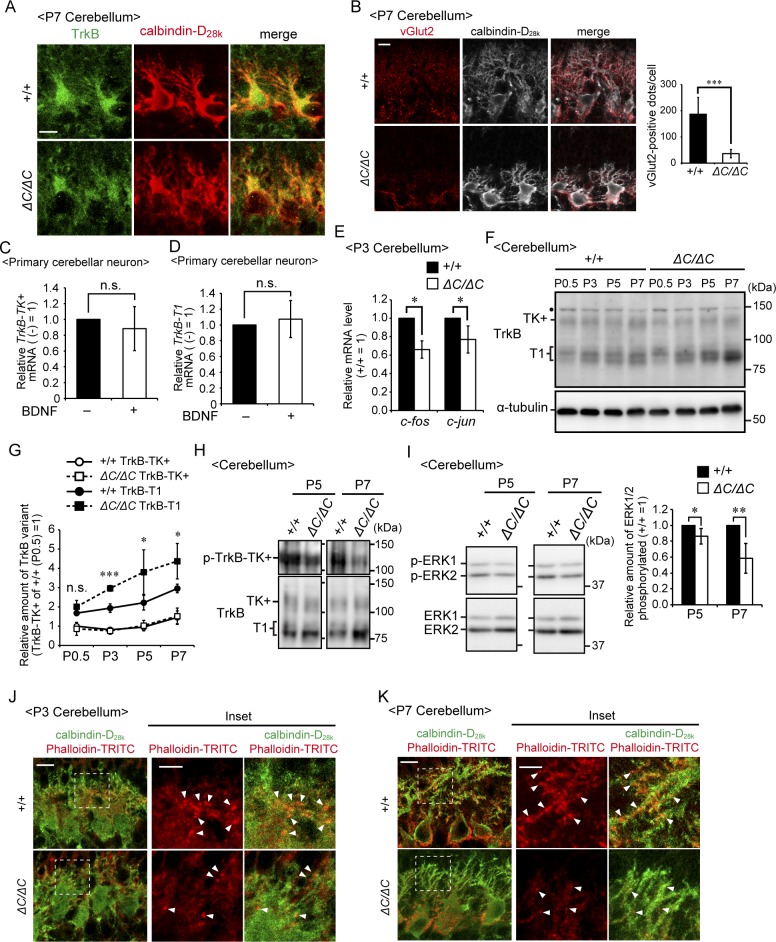
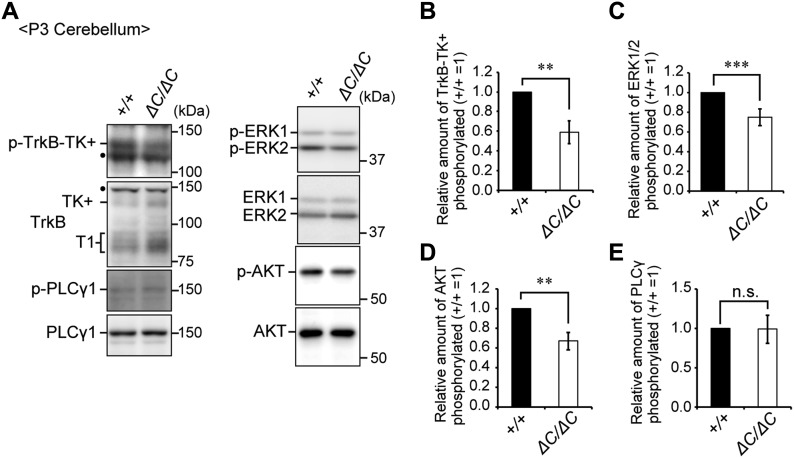
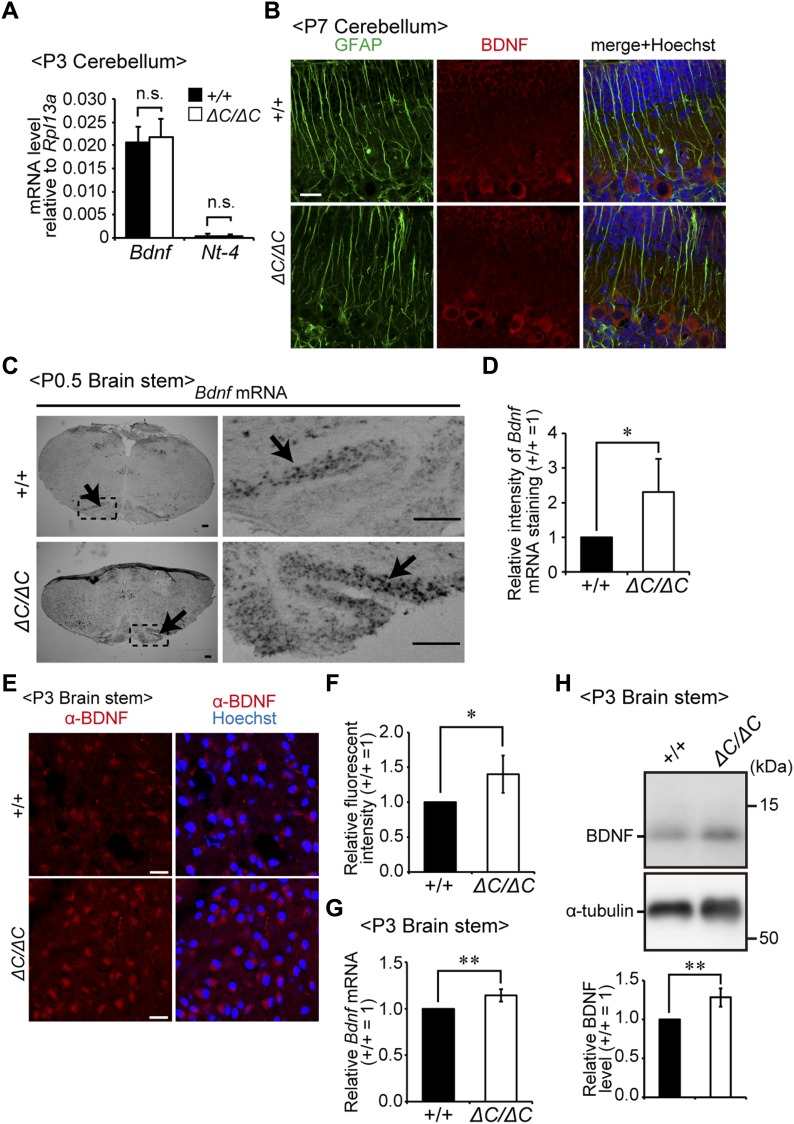
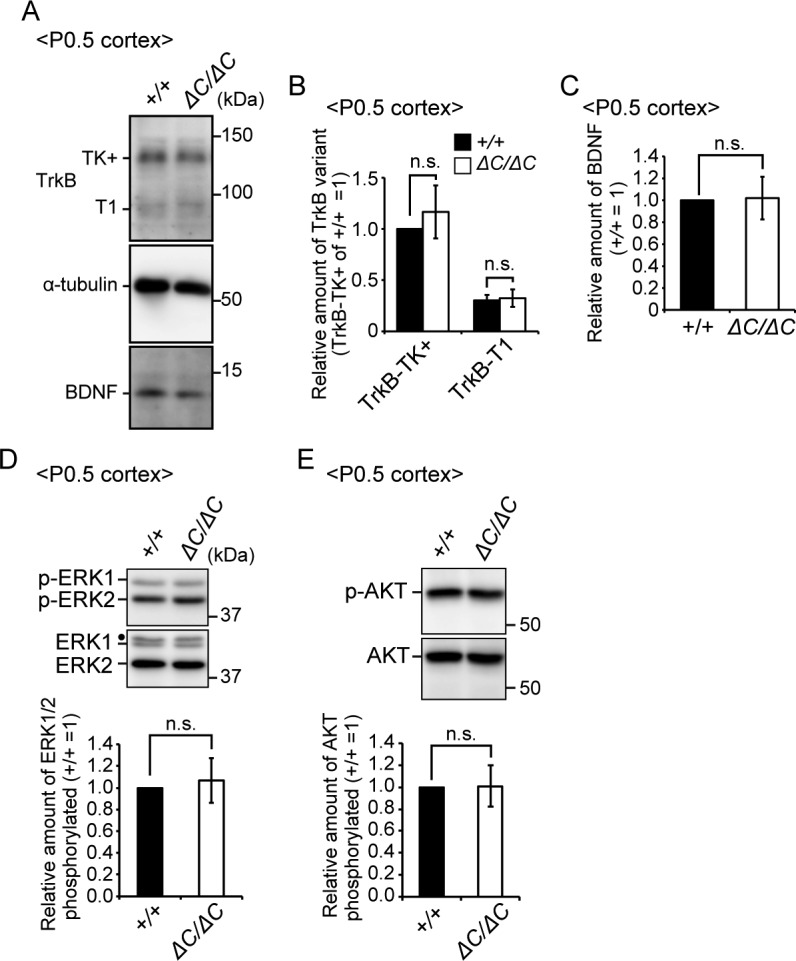
Peroxisome biogenesis disorders (PBDs) manifest as neurological deficits in the central nervous system, including neuronal migration defects and abnormal cerebellum development. However, the mechanisms underlying pathogenesis remain enigmatic. Here, to investigate how peroxisome deficiency causes neurological defects of PBDs, we established a new PBD model mouse defective in peroxisome assembly factor Pex14p, termed mouse. mouse manifests a severe symptom such as disorganization of cortical laminar structure and dies shortly after birth, although peroxisomal biogenesis and metabolism are partially defective. The mouse also shows malformation of the cerebellum including the impaired dendritic development of Purkinje cells. Moreover, extracellular signal-regulated kinase and AKT signaling are attenuated in this mutant mouse by an elevated level of brain-derived neurotrophic factor (BDNF) together with the enhanced expression of TrkB-T1, a dominant-negative isoform of the BDNF receptor. Our results suggest that dysregulation of the BDNF-TrkB pathway, an essential signaling for cerebellar morphogenesis, gives rise to the pathogenesis of the cerebellum in PBDs.
过氧化物酶体生物发生障碍(PBDs)表现为中枢神经系统的神经功能缺陷,包括神经元迁移缺陷和小脑发育异常。然而,其发病机制仍不清楚。在这里,为了研究过氧化物酶体缺乏如何导致PBDs的神经缺陷,我们建立了一种新的过氧化物酶体组装因子Pex14p缺陷的PBD模型小鼠,称为 小鼠。 小鼠表现出严重症状,如皮质层状结构紊乱,并在出生后不久死亡,尽管过氧化物酶体生物发生和代谢存在部分缺陷。 小鼠还表现出小脑畸形,包括浦肯野细胞树突发育受损。此外,在该突变小鼠中,细胞外信号调节激酶和AKT信号因脑源性神经营养因子(BDNF)水平升高以及BDNF受体的显性负性异构体TrkB-T1表达增强而减弱。我们的结果表明,BDNF-TrkB途径失调是小脑形态发生的重要信号,它导致了PBDs中小脑的发病机制。