Department of Oral and Maxillofacial Sciences, Diet and Ancient Technology Laboratory (DANTE), Sapienza University, Rome, Lazio, Italy.
Department of Classics, Sapienza University, Rome, Lazio, Italy.
PLoS One. 2018 Dec 12;13(12):e0207773. doi: 10.1371/journal.pone.0207773. eCollection 2018.
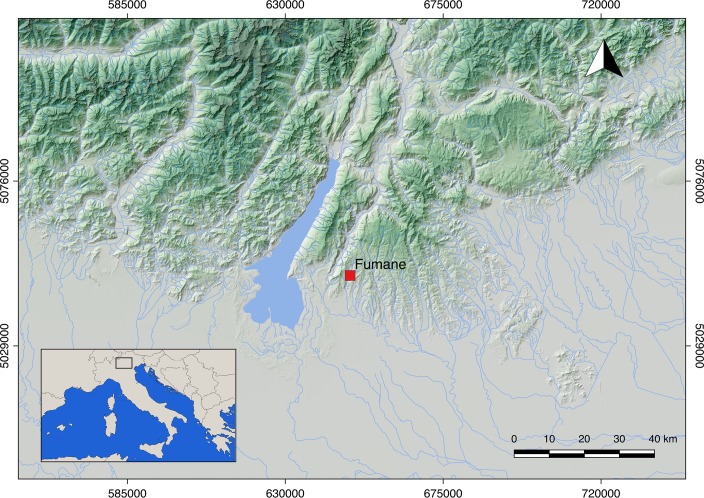
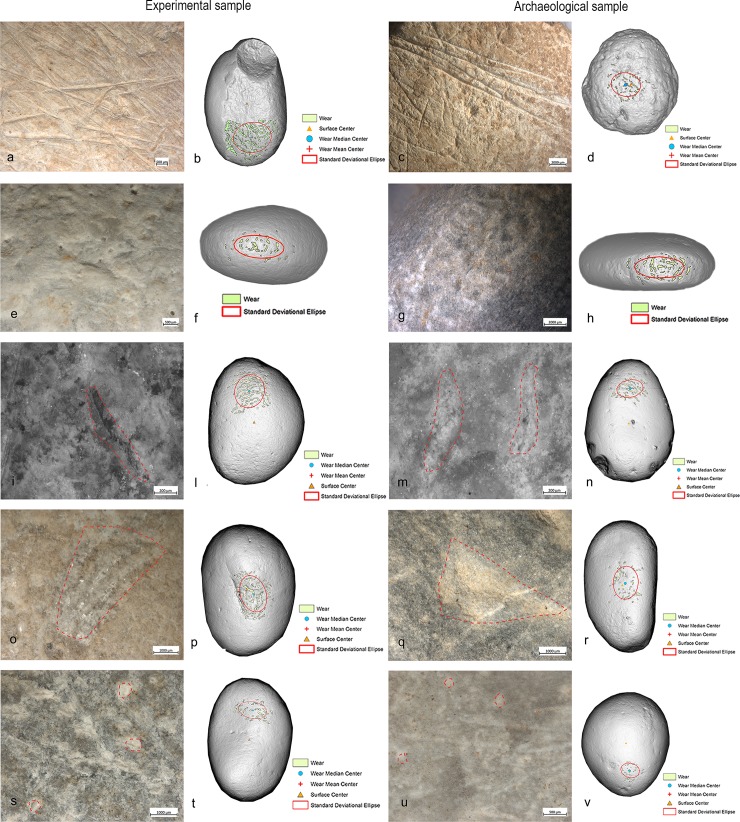
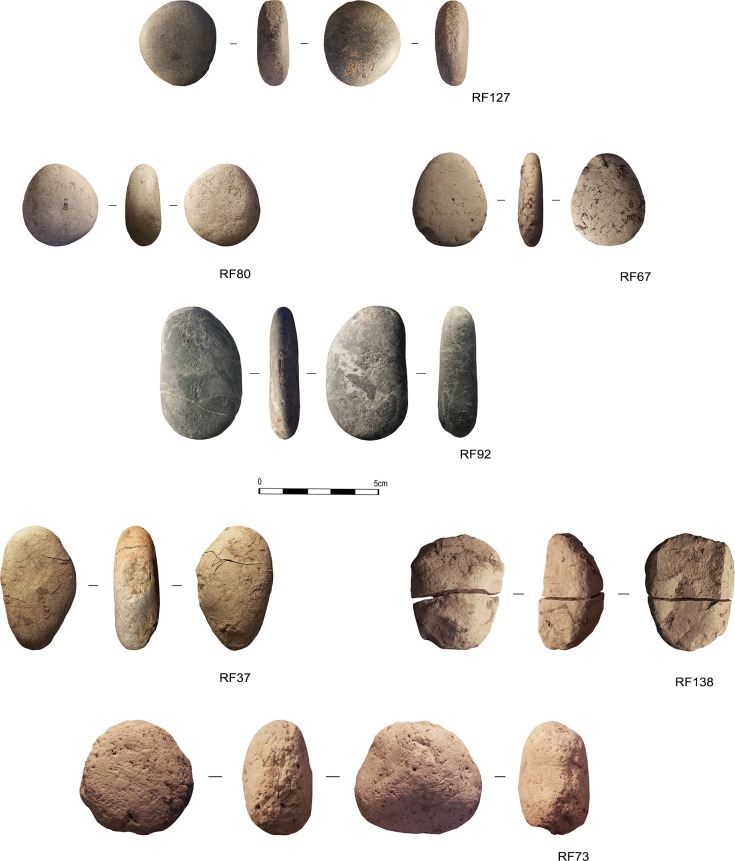
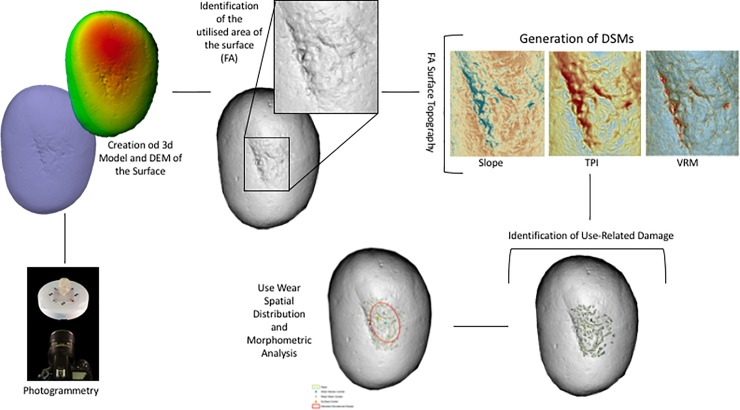
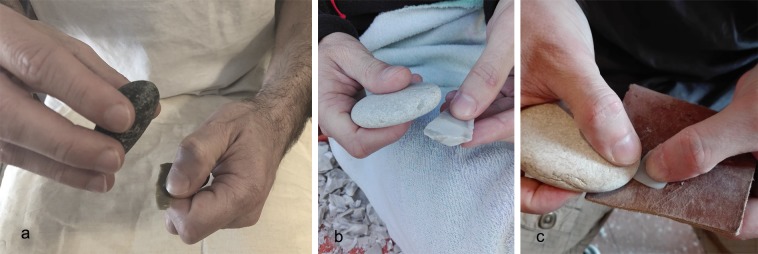
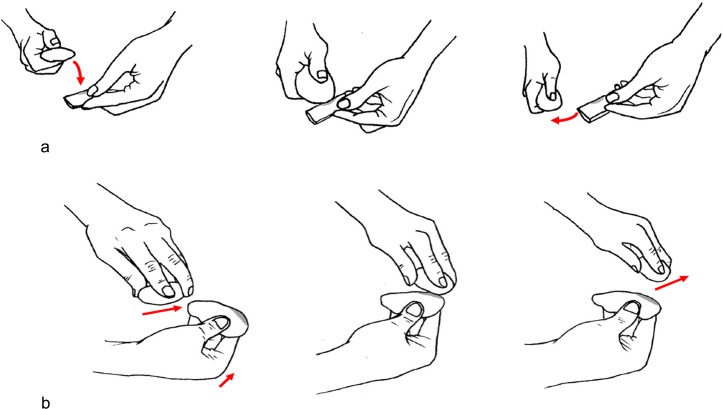
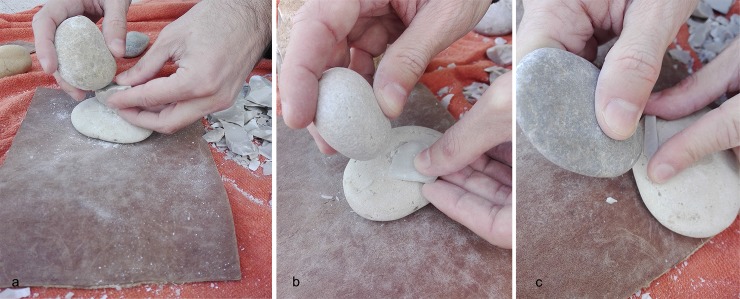
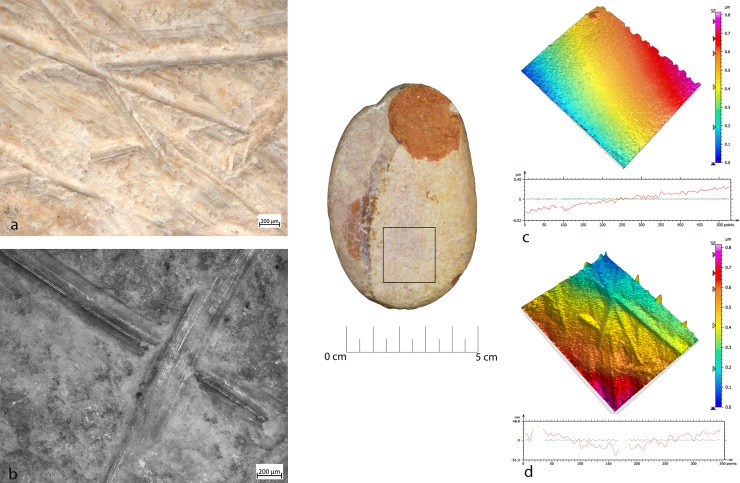
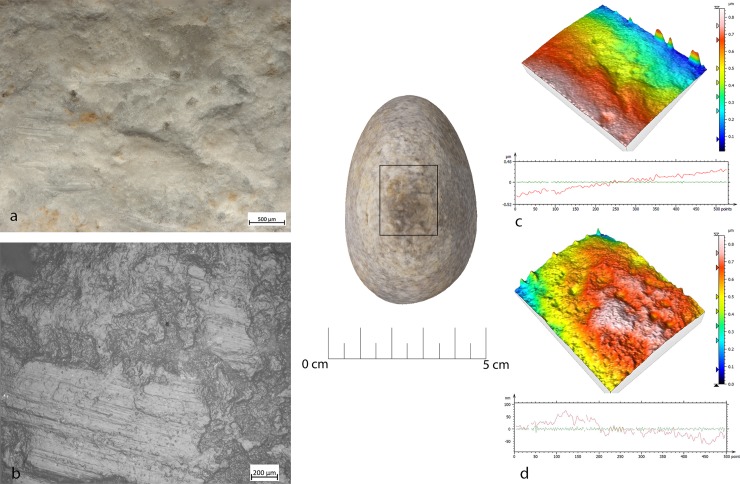
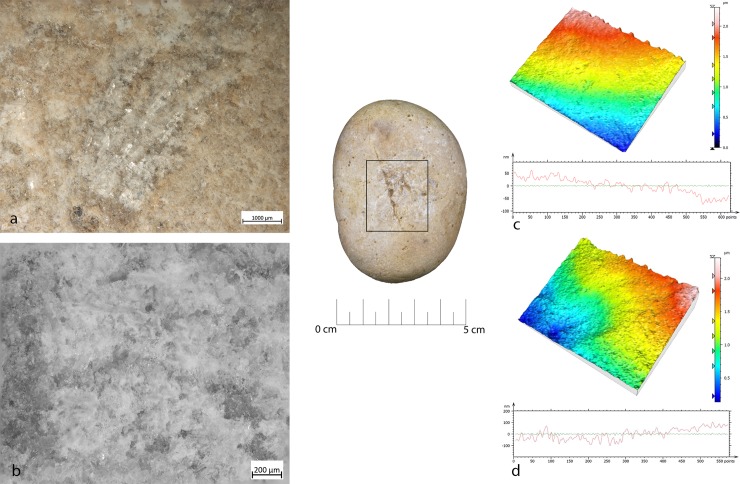
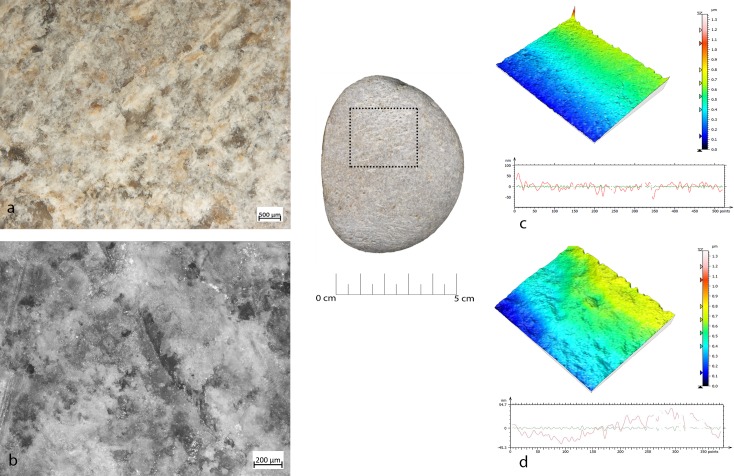
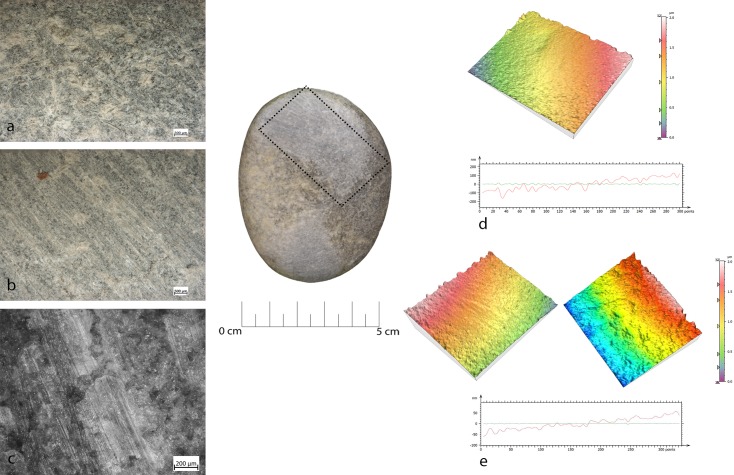
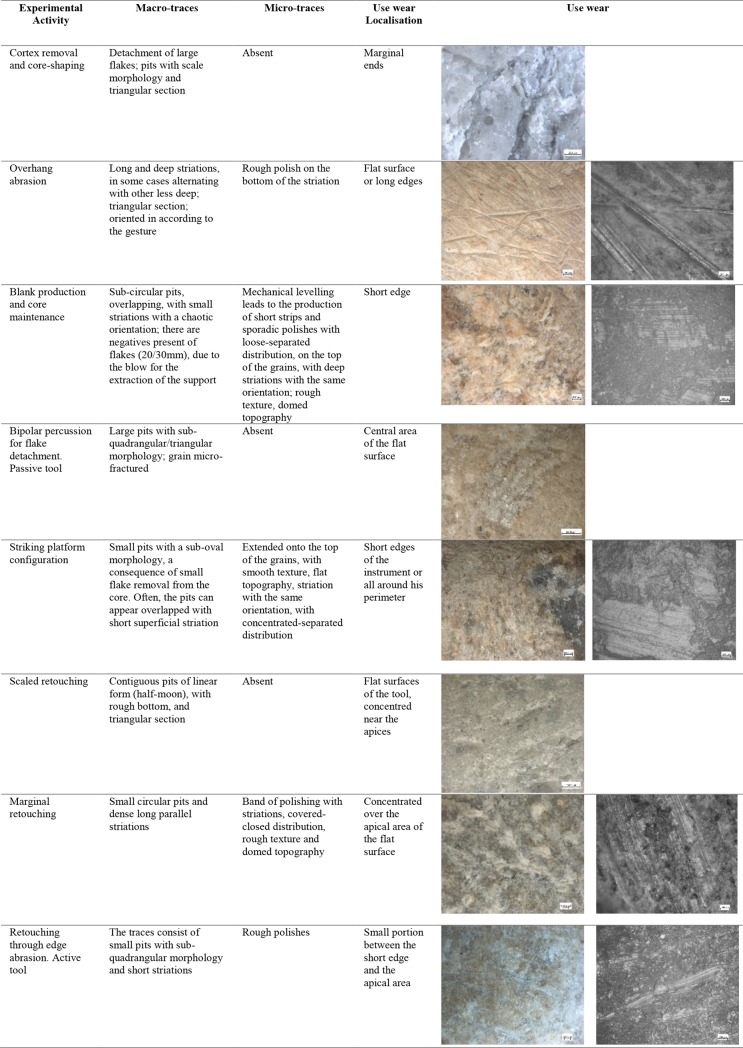
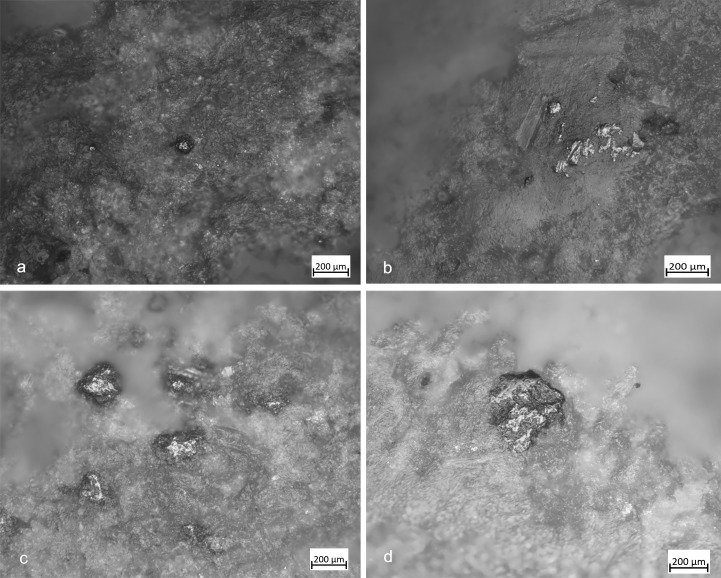
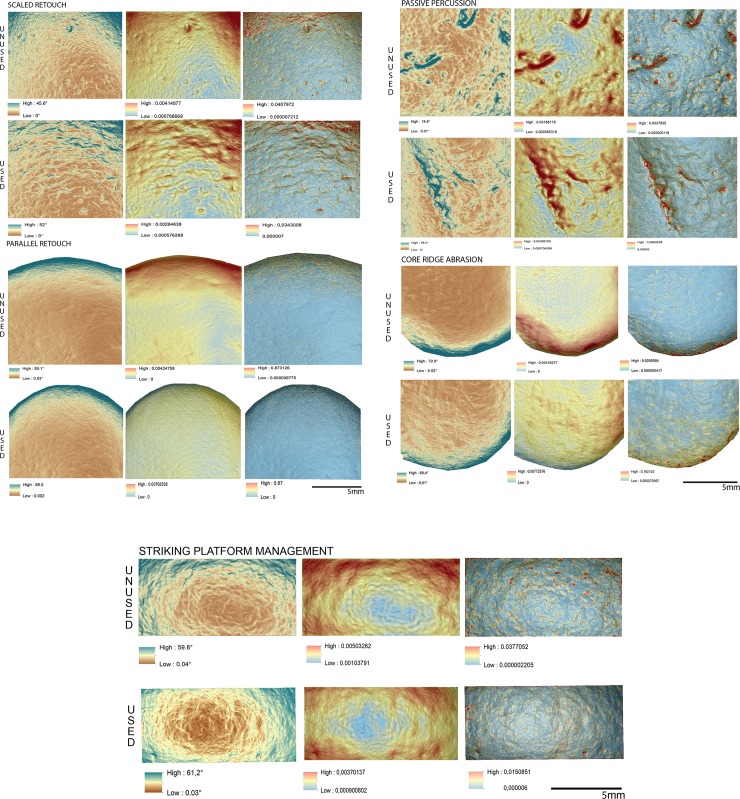
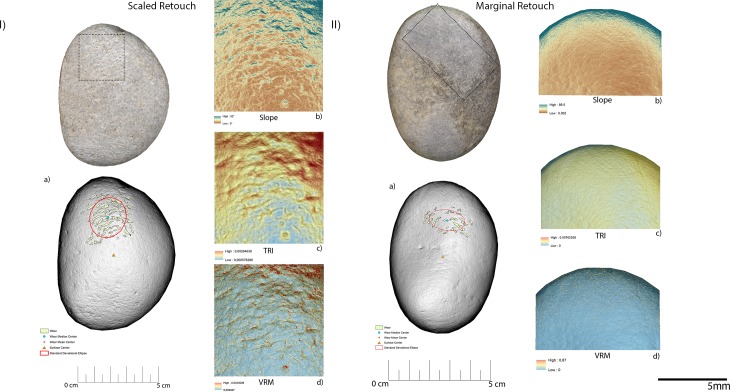
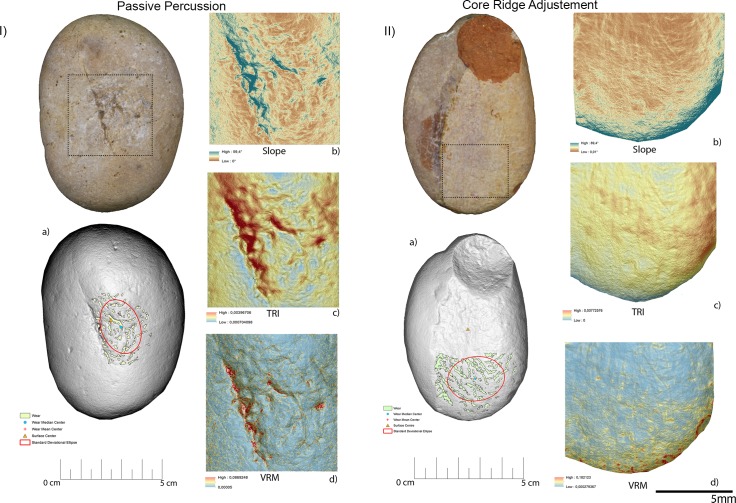
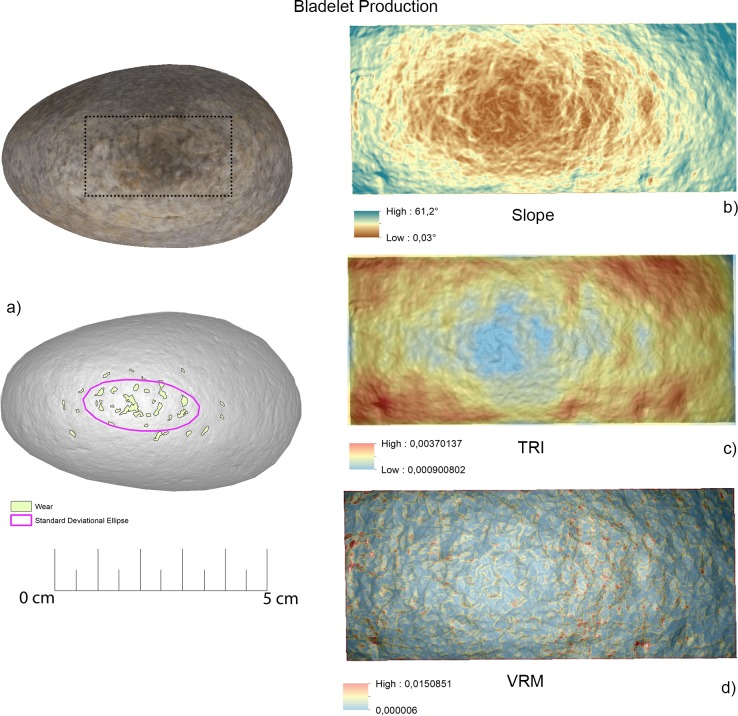
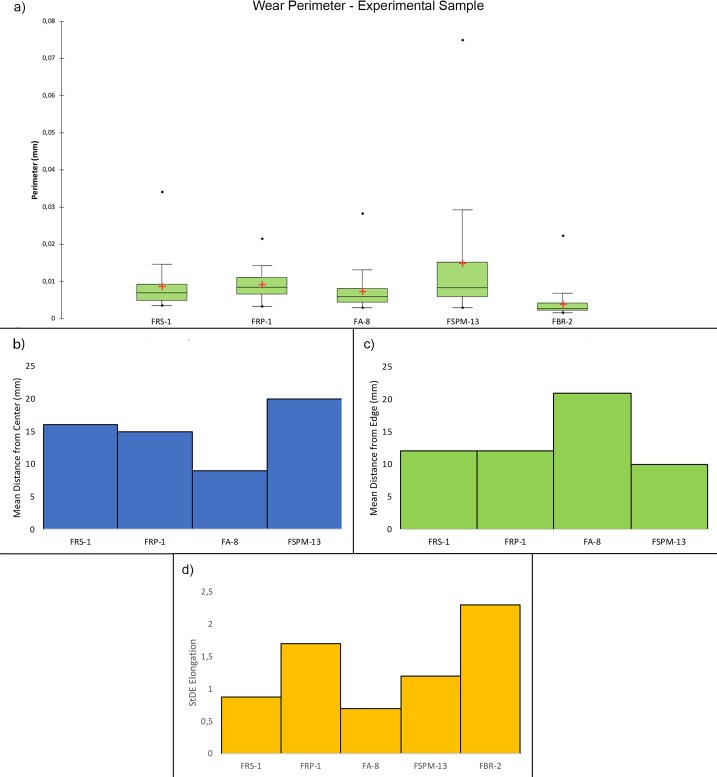
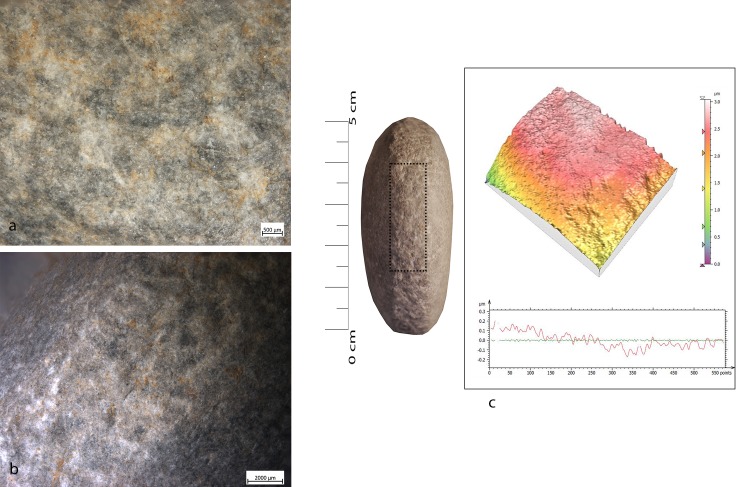
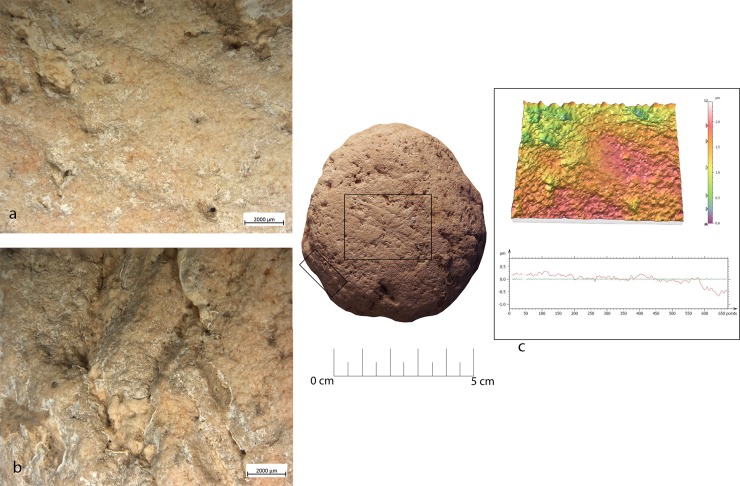
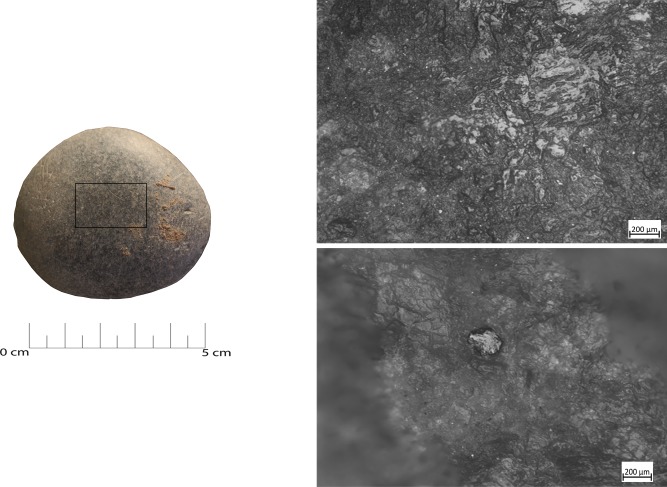
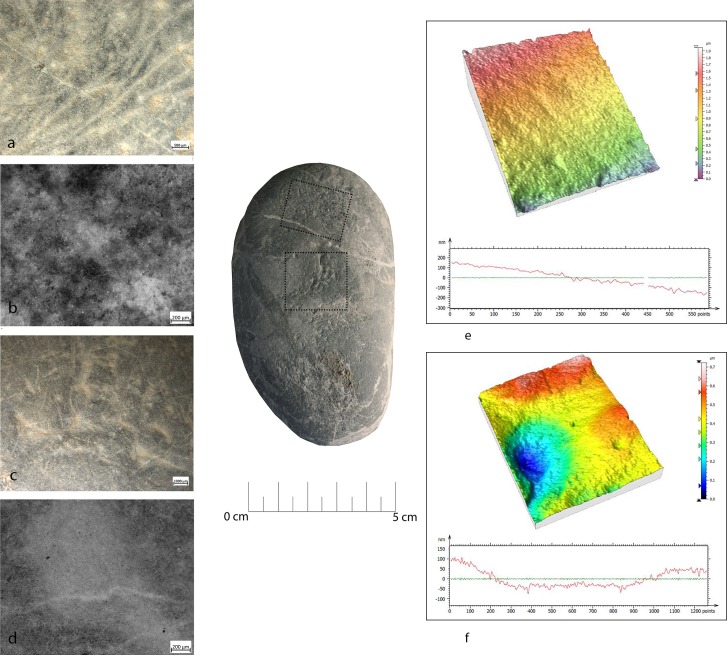
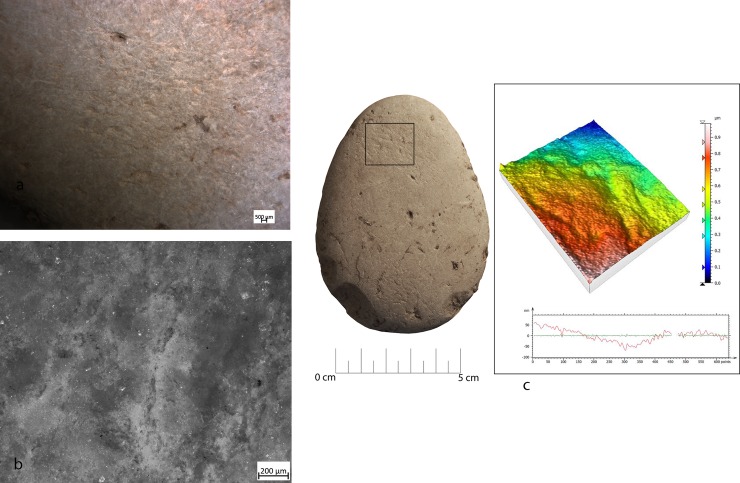
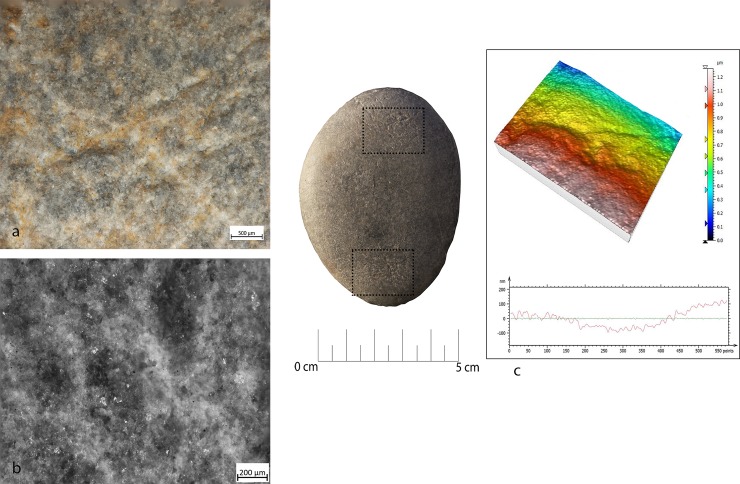
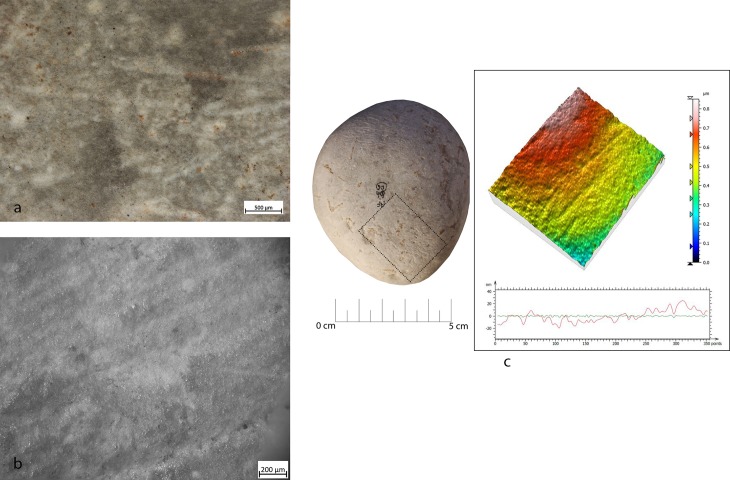
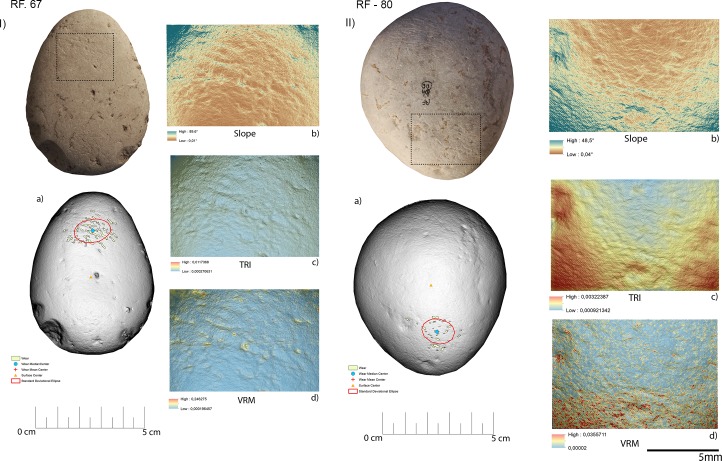
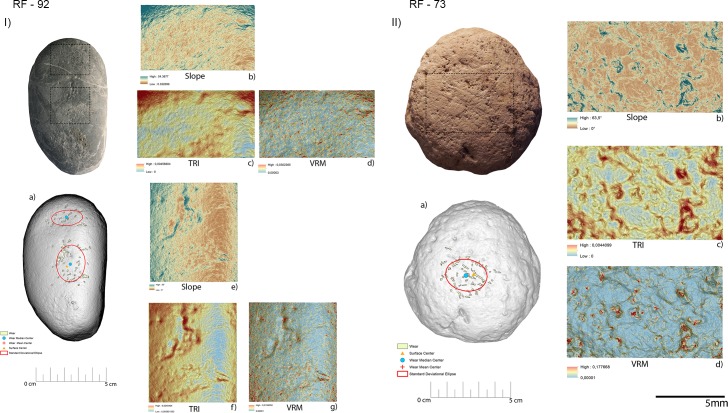
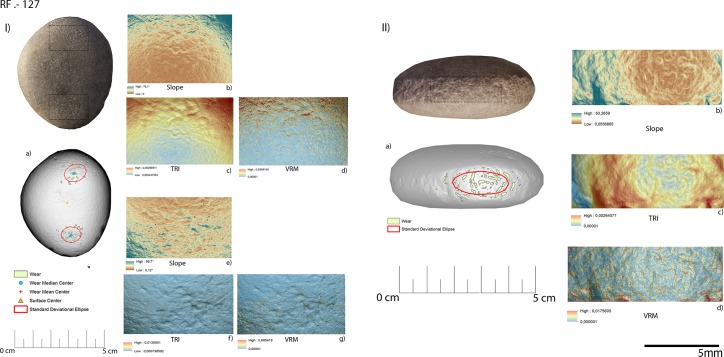
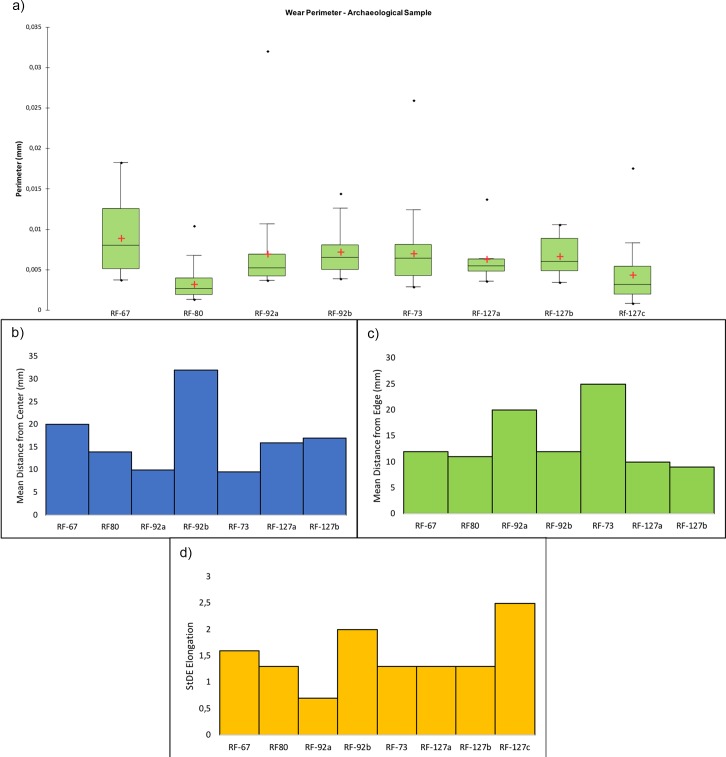
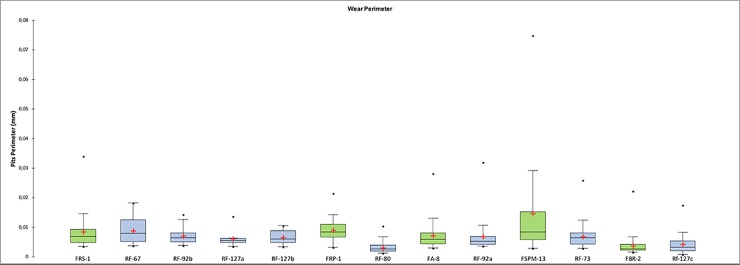
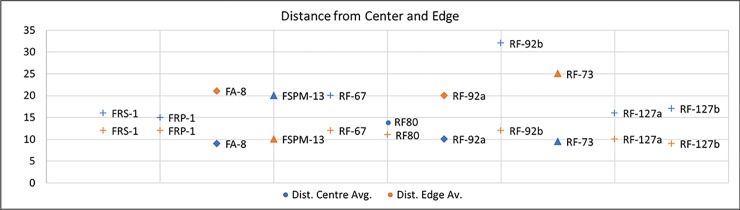
The article presents an original analysis which combines use-wear, 3D modelling and spatial analyses to experimental archaeology in order to investigate Early Upper Palaeolithic flint-knapping gestures and techniques involving the use of macro-lithic tools. In particular, the methodological framework proposed in this paper was applied to the study of Protoaurignacian and Aurignacian macro-tools from Fumane Cave (Verona, Italy). Combining spatial analysis and use wear investigation, both at low and high magnifications, permitted the identification and detailed description of the use-related traces affecting both the hammerstones and retouchers which, at Fumane Cave, were used at different stages during flint tool production. Several experimental activities were performed including core reduction, maintenance, and blank production together with different types of edge retouching. From a methodological perspective, the protocol of analysis permitted to codify specific traces and to produce quantitative data related to their geometry and distribution over the tool's surface, according to the activities and gestures performed. The results obtained allowed a careful investigation of the function and the gestures associated to the use of the macro-lithic tools coming from the Protoaurignacian and Aurignacian levels of Fumane Cave while providing a methodological tool for interpreting different archaeological samples.
本文结合使用痕迹、3D 建模和空间分析进行实验考古学,对涉及使用大型工具的旧石器时代晚期石器技术进行了原创分析。特别是,本文提出的方法框架应用于对来自意大利维罗纳富马尼洞穴的旧石器时代早期和奥瑞纳文化大型工具的研究。通过在低倍和高倍放大下结合空间分析和使用痕迹研究,确定并详细描述了影响锤子和修边器的使用相关痕迹,在富马尼洞穴,这些痕迹在石器制作的不同阶段使用。进行了多项实验活动,包括核心减少、维护和毛坯生产以及不同类型的边缘修边。从方法学的角度来看,分析方案允许对特定痕迹进行编码,并根据所执行的活动和动作,生成与工具表面上的痕迹几何形状和分布相关的定量数据。所获得的结果允许仔细研究与来自富马尼洞穴旧石器时代早期和奥瑞纳文化层的大型工具使用相关的功能和动作,并为解释不同的考古样本提供了一种方法工具。