Kennedy Institute of Rheumatology, Nuffield Department of Orthopaedics, Rheumatology and Musculoskeletal Sciences, University of Oxford, Oxford, UK.
Institute of Inflammation and Ageing, University of Birmingham, Queen Elizabeth Hospital, Birmingham, UK.
Ann Rheum Dis. 2019 Feb;78(2):186-191. doi: 10.1136/annrheumdis-2018-214294. Epub 2018 Dec 14.
Controlled immune responses rely on integrated crosstalk between cells and their microenvironment. We investigated whether targeting proinflammatory signals from the extracellular matrix that persist during pathological inflammation provides a viable strategy to treat rheumatoid arthritis (RA).
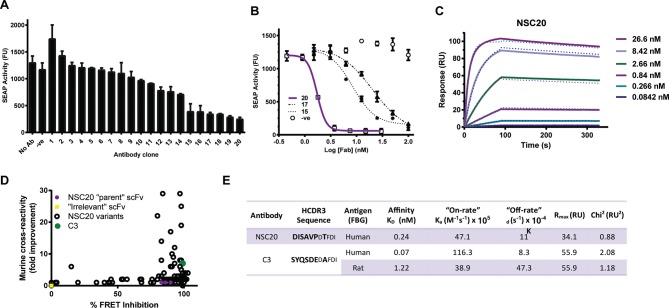
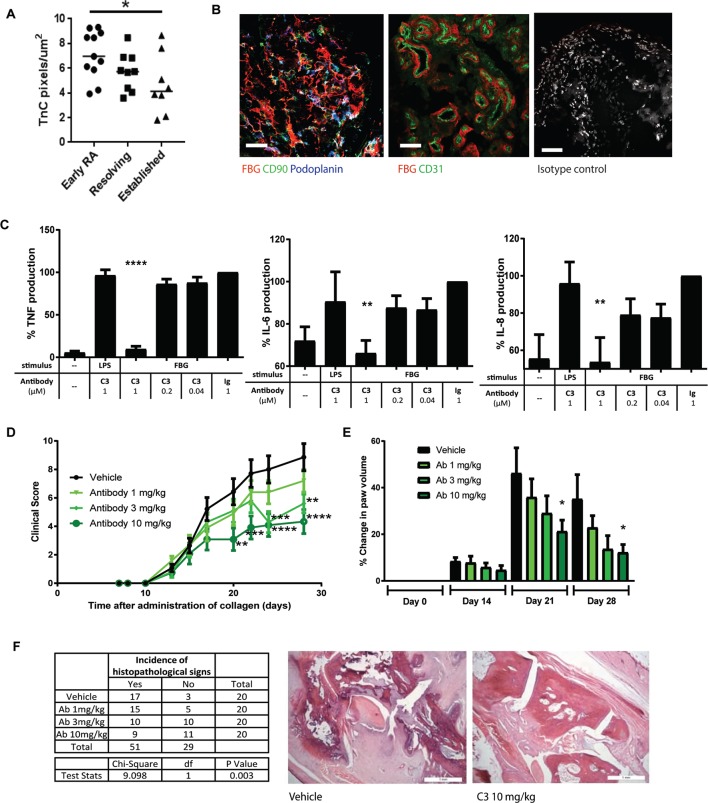
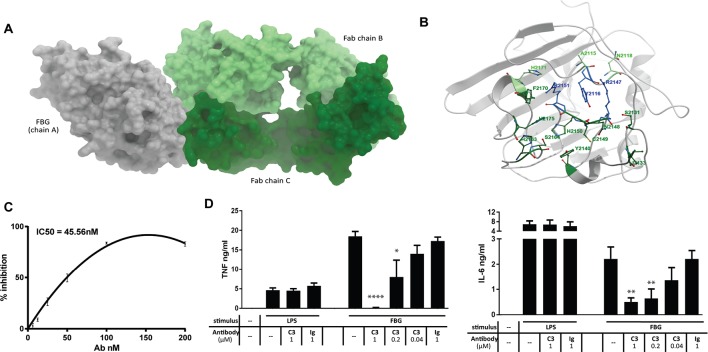
Monoclonal antibodies recognising the fibrinogen-like globe (FBG) of tenascin-C were generated by phage display. Clones that neutralised FBG activation of toll-like receptor 4 (TLR4), without impacting pathogenic TLR4 activation, were epitope mapped by crystallography. Antibodies stained synovial biopsies of patients at different stages of RA development. Antibody efficacy in preventing RA synovial cell cytokine release, and in modulating collagen-induced arthritis in rats, was assessed.
Tenascin-C is expressed early in the development of RA, even before disease diagnosis, with higher levels in the joints of people with synovitis who eventually developed RA than in people whose synovitis spontaneously resolved. Anti-FBG antibodies inhibited cytokine release by RA synovial cells and prevented disease progression and tissue destruction during collagen-induced arthritis.
Early changes in the synovial microenvironment contribute to RA progression; blocking proinflammatory signals from the matrix can ameliorate experimental arthritis. These data highlight a new drug class that could offer early, disease-specific immune modulation in RA, without engendering global immune suppression.
受调控的免疫反应依赖于细胞与其微环境之间的整合性串扰。我们研究了针对病理性炎症过程中持续存在的细胞外基质中的促炎信号是否为治疗类风湿关节炎(RA)提供了一种可行的策略。
通过噬菌体展示技术生成了识别腱糖蛋白-C 纤维蛋白原样结构域(FBG)的单克隆抗体。通过晶体学对中和 FBG 激活 Toll 样受体 4(TLR4)而不影响致病 TLR4 激活的克隆进行表位作图。抗体对处于 RA 发展不同阶段的患者的滑膜活检进行染色。评估了抗体预防 RA 滑膜细胞细胞因子释放以及在胶原诱导性关节炎大鼠中调节的功效。
腱糖蛋白-C 在 RA 发展的早期就有表达,甚至在疾病诊断之前,在最终发展为 RA 的滑膜炎患者的关节中表达水平更高,而在滑膜炎自行消退的患者中表达水平更高。抗 FBG 抗体抑制了 RA 滑膜细胞的细胞因子释放,并防止了胶原诱导性关节炎中的疾病进展和组织破坏。
滑膜微环境的早期变化导致 RA 进展;阻断基质中的促炎信号可以改善实验性关节炎。这些数据强调了一种新的药物类别,它可以在 RA 中提供早期、针对疾病的免疫调节,而不会引发全身免疫抑制。