Kennedy Institute of Rheumatology, Nuffield Department of Orthopaedics, Rheumatology and Musculoskeletal Sciences, University of Oxford, Roosevelt Drive, Headington, Oxford, OX3 7FY, UK.
Structural Genomics Consortium, Nuffield Department of Clinical Medicine, University of Oxford, Roosevelt Drive, Headington, Oxford, OX3 7DQ, UK.
Nat Commun. 2017 Nov 17;8(1):1595. doi: 10.1038/s41467-017-01718-7.
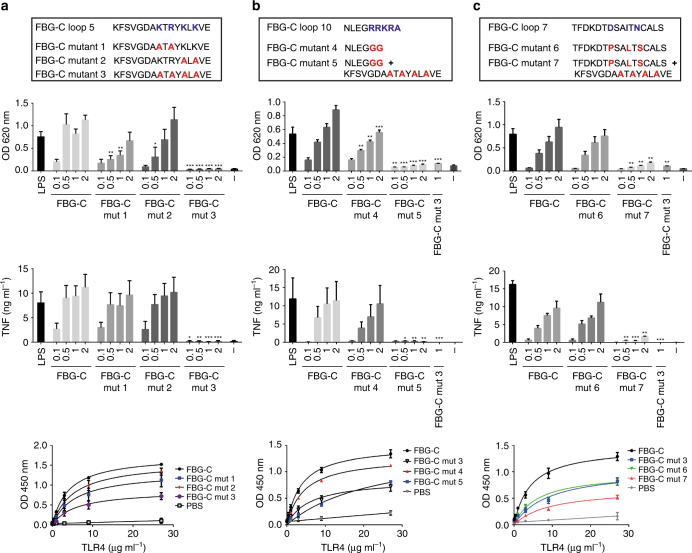
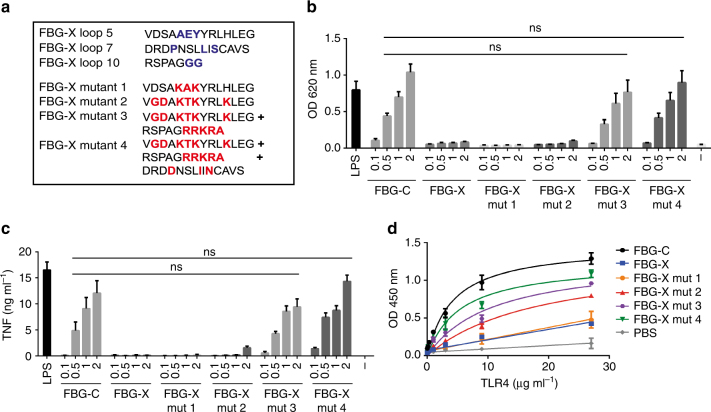
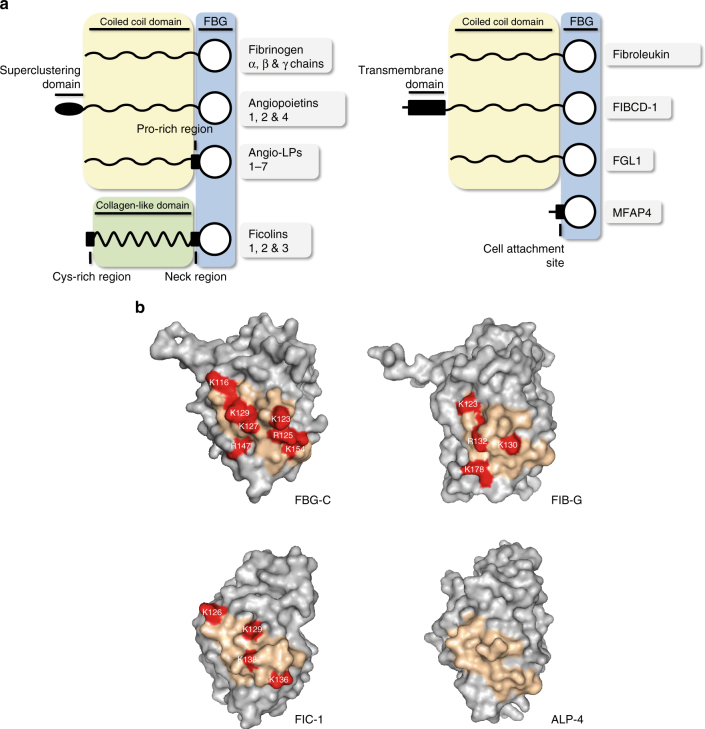
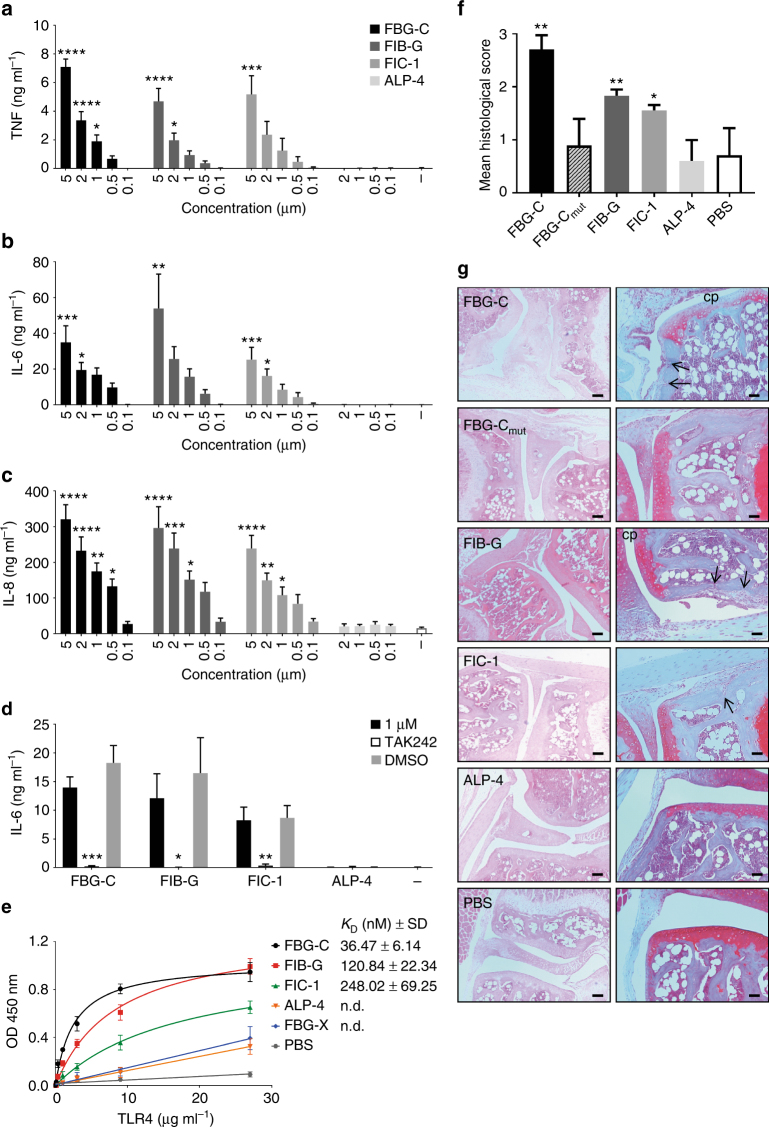
Pattern recognition underpins innate immunity; the accurate identification of danger, including infection, injury, or tumor, is key to an appropriately targeted immune response. Pathogen detection is increasingly well defined mechanistically, but the discrimination of endogenous inflammatory triggers remains unclear. Tenascin-C, a matrix protein induced upon tissue damage and expressed by tumors, activates toll-like receptor 4 (TLR4)-mediated sterile inflammation. Here we map three sites within tenascin-C that directly and cooperatively interact with TLR4. We also identify a conserved inflammatory epitope in related proteins from diverse families, and demonstrate that its presence targets molecules for TLR detection, while its absence enables escape of innate immune surveillance. These data reveal a unique molecular code that defines endogenous proteins as inflammatory stimuli by marking them for recognition by TLRs.
模式识别是先天免疫的基础;准确识别危险,包括感染、损伤或肿瘤,是针对适当靶向免疫反应的关键。病原体检测的机制越来越明确,但内源性炎症触发物的区分仍不清楚。纤连蛋白-C 是一种组织损伤时诱导表达的基质蛋白,也由肿瘤表达,它能激活 Toll 样受体 4(TLR4)介导的无菌性炎症。在这里,我们在纤连蛋白-C 内定位了三个直接和协同作用于 TLR4 的位点。我们还在来自不同家族的相关蛋白中鉴定出一个保守的炎症表位,并证明其存在将分子靶向 TLR 检测,而其缺失则使先天免疫监视得以逃脱。这些数据揭示了一个独特的分子密码,通过将它们标记为 TLR 识别的炎症刺激物,从而将内源性蛋白定义为炎症刺激物。