Lynes John, Sanchez Victoria, Dominah Gifty, Nwankwo Anthony, Nduom Edjah
National Institute of Neurological Disorders and Stroke, Bethesda, MD, United States.
MedStar Georgetown University Hospital, Washington, DC, United States.
Front Oncol. 2018 Dec 5;8:578. doi: 10.3389/fonc.2018.00578. eCollection 2018.
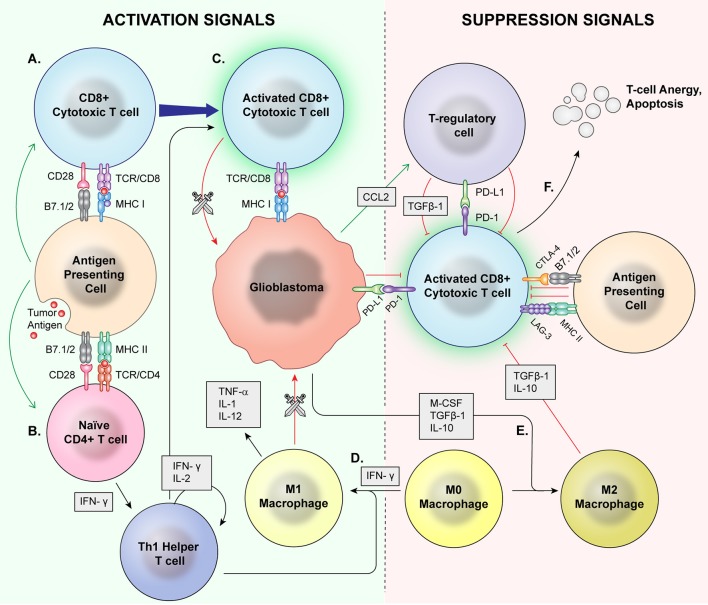
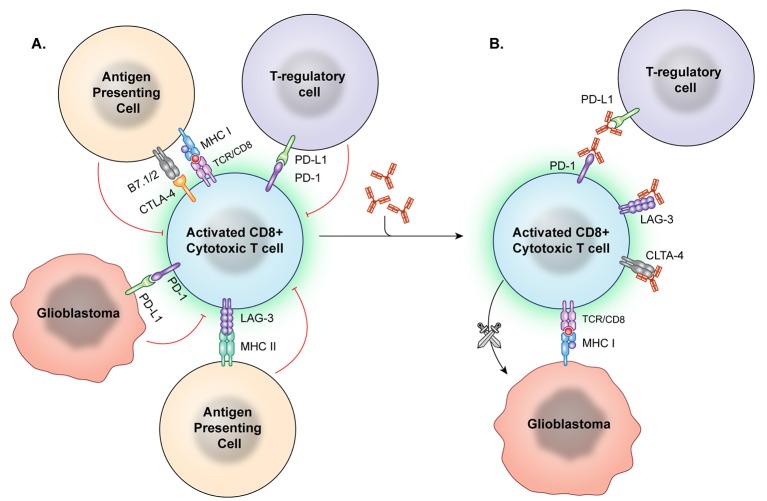
Glioblastoma is in need of innovative treatment approaches. Immune therapy for cancer refers to the use of the body's immune system to target malignant cells in the body. Such immune therapeutics have recently been very successful in treating a diverse group of cancerous lesions. As a result, many new immune therapies have gained Food and Drug Administration approval for the treatment of cancer, and there has been an explosion in the study of immune therapeutics for cancer treatment over the past few years. However, the immune suppression of glioblastoma and the unique immune microenvironment of the brain make immune therapeutics more challenging to apply to the brain than to other systemic cancers. Here, we discuss the existing barriers to successful immune therapy for glioblastoma and the ongoing development of immune therapeutics. We will discuss the discovery and classification of immune suppressive factors in the glioblastoma microenvironment; the development of vaccine-based therapies; the use of convection-enhanced delivery to introduce tumoricidal viruses into the tumor microenvironment, leading to secondary immune responses; the emerging use of adoptive cell therapy in the treatment of glioblastoma; and future frontiers, such as the use of cerebral microdialysis for immune monitoring and the use of sequencing to develop patient-specific therapeutics. Armed with a better understanding of the challenges inherent in immune therapy for glioblastoma, we may soon see more successes in immune-based clinical trials for this deadly disease.
胶质母细胞瘤需要创新的治疗方法。癌症免疫疗法是指利用人体免疫系统来靶向体内的恶性细胞。这类免疫疗法最近在治疗多种癌性病变方面取得了很大成功。因此,许多新的免疫疗法已获得美国食品药品监督管理局批准用于癌症治疗,并且在过去几年中,癌症免疫疗法的研究呈爆发式增长。然而,胶质母细胞瘤的免疫抑制以及大脑独特的免疫微环境使得免疫疗法应用于脑部比应用于其他全身性癌症更具挑战性。在此,我们讨论胶质母细胞瘤免疫治疗成功的现有障碍以及免疫疗法的当前发展情况。我们将讨论胶质母细胞瘤微环境中免疫抑制因子的发现与分类;基于疫苗疗法的发展;利用对流增强递送将杀瘤病毒引入肿瘤微环境,引发继发性免疫反应;过继性细胞疗法在胶质母细胞瘤治疗中的新兴应用;以及未来的前沿领域,例如利用脑微透析进行免疫监测和利用测序开发针对患者的疗法。对胶质母细胞瘤免疫治疗所固有的挑战有了更深入的了解后,我们可能很快会在针对这种致命疾病的免疫临床试验中看到更多成功案例。