Carr Siobhán B, Ronan Patricia, Lorenc Ava, Mian Awais, Madge Susan L, Robinson Nicola
Department of Paediatric Respiratory Medicine, The Royal Brompton and Harefield NHS Foundation Trust, London, UK.
Both authors contributed equally.
ERJ Open Res. 2018 Dec 14;4(4). doi: 10.1183/23120541.00042-2018. eCollection 2018 Oct.
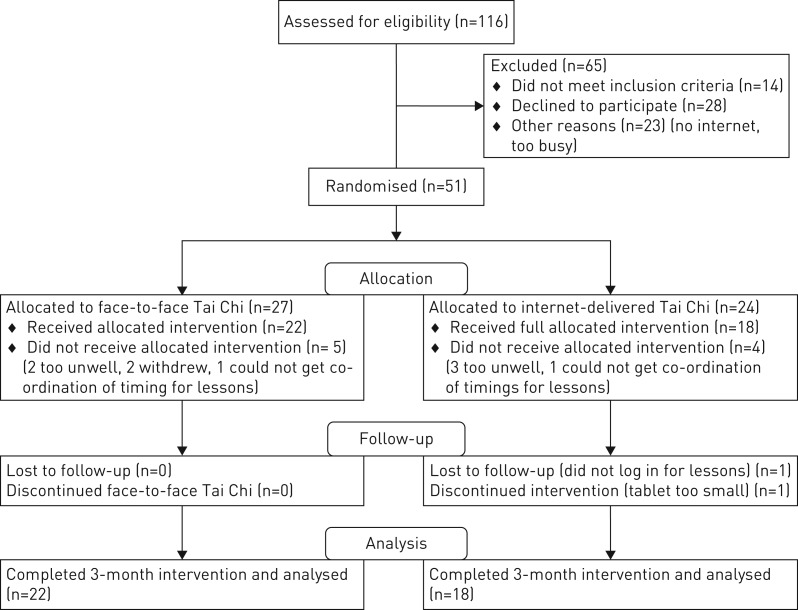
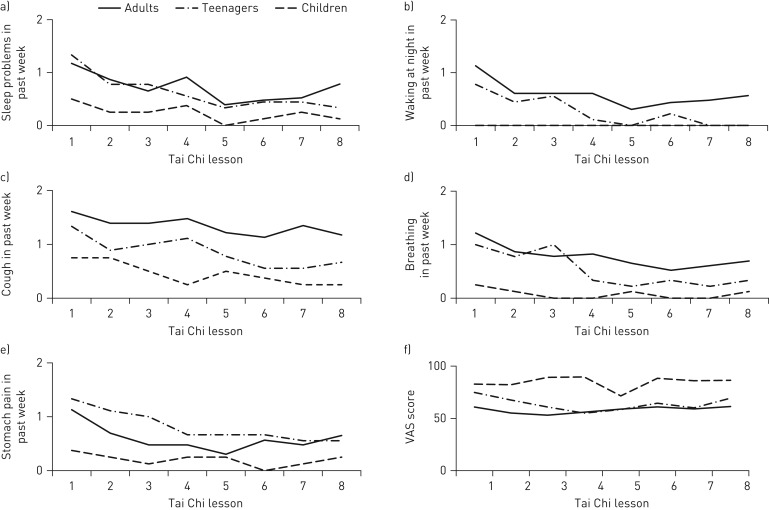
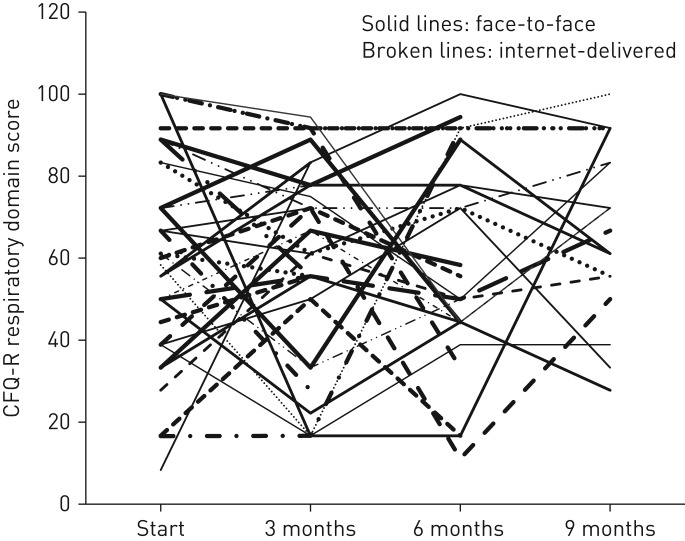
Virtual healthcare is fast entering medical practice. Research into the feasibility of using it to teach treatment regimens such as exercise has not been explored. Maintaining an exercise regime can be difficult in cystic fibrosis: group classes risk potential infection, yet motivation is hard to maintain when alone. Tai Chi is a low-impact exercise and involves gentle, demanding movements. This study aimed to assess the feasibility, safety and acceptability of learning Tai Chi an internet-based approach and compared patient-reported outcomes. Children and adults with cystic fibrosis were recruited to a randomised, comparative effectiveness trial. Participants learnt eight Tai Chi movements; teaching was delivered in eight lessons over 3 months: delivered either the internet or face-to-face. Assessments were at 3-monthly intervals over 9 months. Outcomes included health status, quality of life, sleep, mindfulness and instructor-led questions. 40 adults and children completed the eight sets of Tai Chi lessons. The median age was 22.8 years (range 6.1-51.5 years); 27 patients were female. The cohort comprised 26 adults (aged >16 years), six teenagers and eight children (aged <12 years). The groups were well matched. Feasibility and safety were demonstrated. Participants showed significant improvements in self-reported sleep, cough (both daytime and night-time), stomach ache and breathing. No differences in lung function, health status, quality of life, sleep or mindfulness was shown before or after completing the lessons. Tai Chi was safe and well tolerated; it was feasible to deliver individual lessons the internet, reducing concerns regarding cross-infection, and appeared to improve self-reported symptoms.
虚拟医疗正在迅速进入医疗实践。但尚未探索利用其教授运动等治疗方案的可行性研究。对于囊性纤维化患者来说,维持运动方案可能很困难:集体课程有潜在感染风险,而独自运动时又难以保持积极性。太极拳是一种低强度运动,包含轻柔而有要求的动作。本研究旨在评估通过基于互联网的方法学习太极拳的可行性、安全性和可接受性,并比较患者报告的结果。招募患有囊性纤维化的儿童和成人参加一项随机、比较有效性试验。参与者学习八个太极拳动作;教学在3个月内分八节课进行:通过互联网或面对面授课。在9个月内每隔3个月进行一次评估。结果包括健康状况、生活质量、睡眠、正念和由教练主导的问题。40名成人和儿童完成了八套太极拳课程。中位年龄为22.8岁(范围6.1 - 51.5岁);27名患者为女性。该队列包括26名成年人(年龄>16岁)、6名青少年和8名儿童(年龄<12岁)。两组匹配良好。证明了其可行性和安全性。参与者在自我报告的睡眠、咳嗽(白天和夜间)、胃痛和呼吸方面有显著改善。完成课程前后,肺功能、健康状况、生活质量、睡眠或正念方面均未显示出差异。太极拳安全且耐受性良好;通过互联网提供个别课程是可行的,减少了对交叉感染的担忧,并且似乎改善了自我报告的症状。