Manchester Institute of Biotechnology, School of Chemistry, University of Manchester, Manchester, M1 7DN, UK.
Cobra Biologics Ltd, Keele, ST5 5SP, UK.
Microb Cell Fact. 2018 Dec 22;17(1):199. doi: 10.1186/s12934-018-1047-z.
The secretion of recombinant disulfide-bond containing proteins into the periplasm of Gram-negative bacterial hosts, such as E. coli, has many advantages that can facilitate product isolation, quality and activity. However, the secretion machinery of E. coli has a limited capacity and can become overloaded, leading to cytoplasmic retention of product; which can negatively impact cell viability and biomass accumulation. Fine control over recombinant gene expression offers the potential to avoid this overload by matching expression levels to the host secretion capacity.
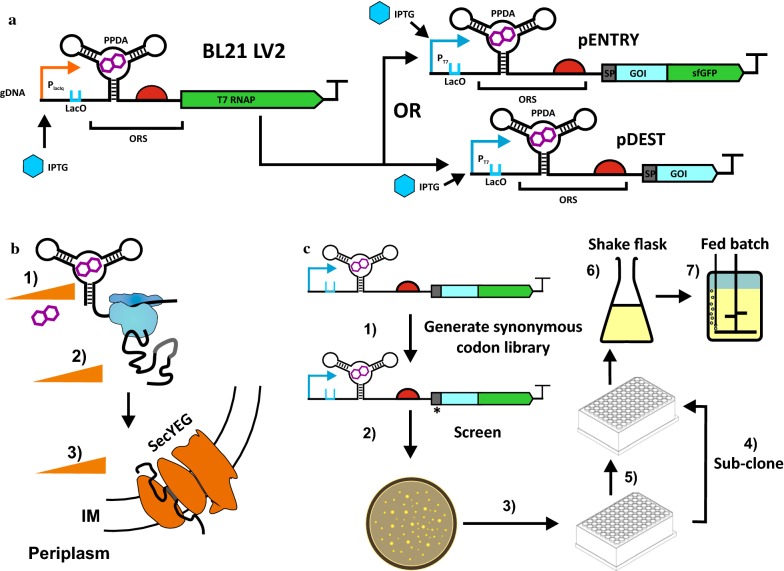
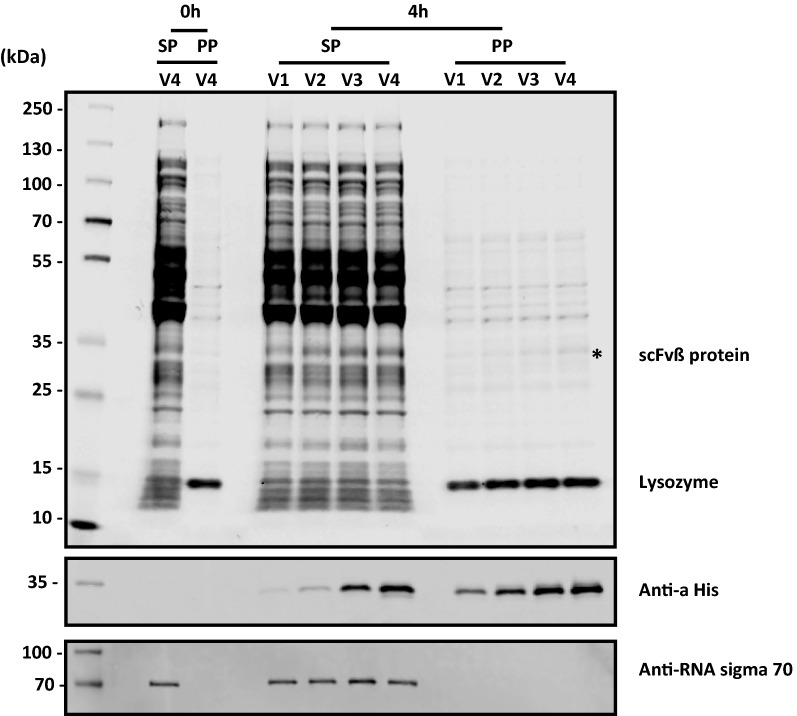
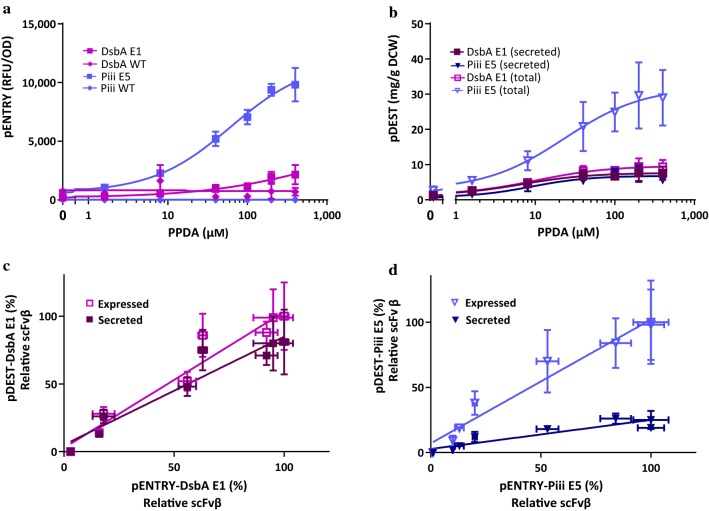
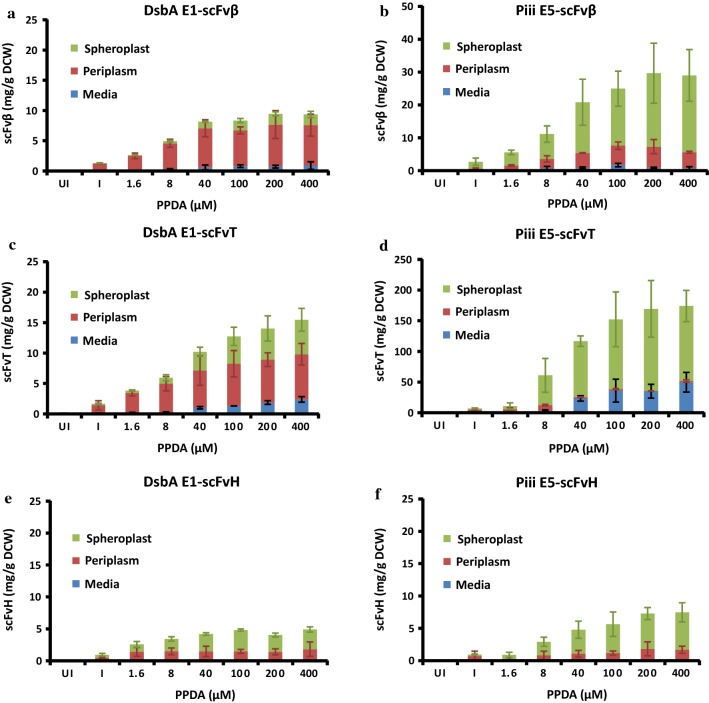
Here we report the application of the RiboTite gene expression control system to achieve this by finely controlling cellular expression levels. The level of control afforded by this system allows cell viability to be maintained, permitting production of high-quality, active product with enhanced volumetric titres.
The methods and systems reported expand the tools available for the production of disulfide-bond containing proteins, including antibody fragments, in bacterial hosts.
将含有二硫键的重组蛋白分泌到革兰氏阴性细菌宿主(如大肠杆菌)的周质中具有许多优势,可促进产物分离、提高产物质量和活性。然而,大肠杆菌的分泌机制的能力有限,可能会过载,导致产物在细胞质中滞留;这会对细胞活力和生物量积累产生负面影响。通过将表达水平与宿主的分泌能力相匹配,精细控制重组基因表达有潜力避免这种过载。
本文报告了 RiboTite 基因表达控制系统的应用,通过精细控制细胞内表达水平来实现这一目标。该系统提供的控制水平可维持细胞活力,从而生产出高质量、有活性的产物,提高了体积产率。
所报道的方法和系统扩展了在细菌宿主中生产含二硫键的蛋白质(包括抗体片段)的可用工具。