Department of Biochemistry, School of Medicine with the Division of Dentistry in Zabrze Medical University of Silesia, 40-055 Katowice, Poland.
Department of Clinical and Medical Biochemistry, Pavol Jozef Šafárik University, 040 11 Košice, Slovakia.
Int J Environ Res Public Health. 2018 Dec 27;16(1):68. doi: 10.3390/ijerph16010068.
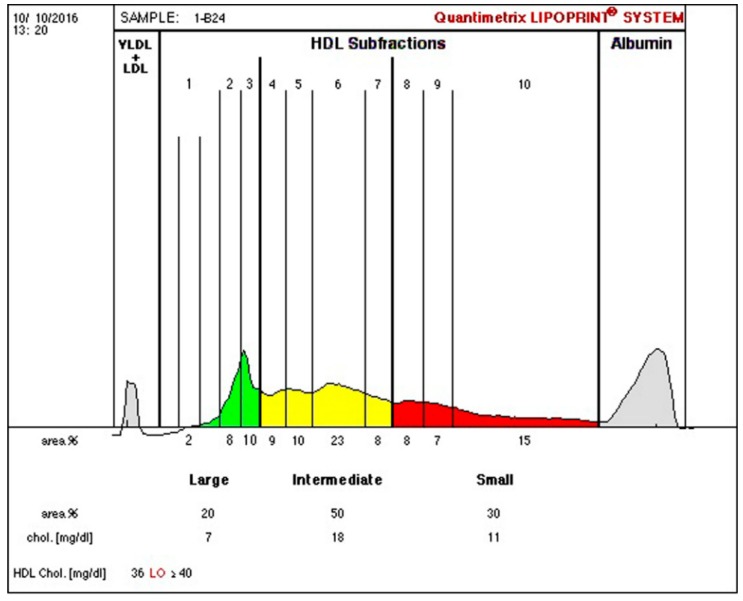
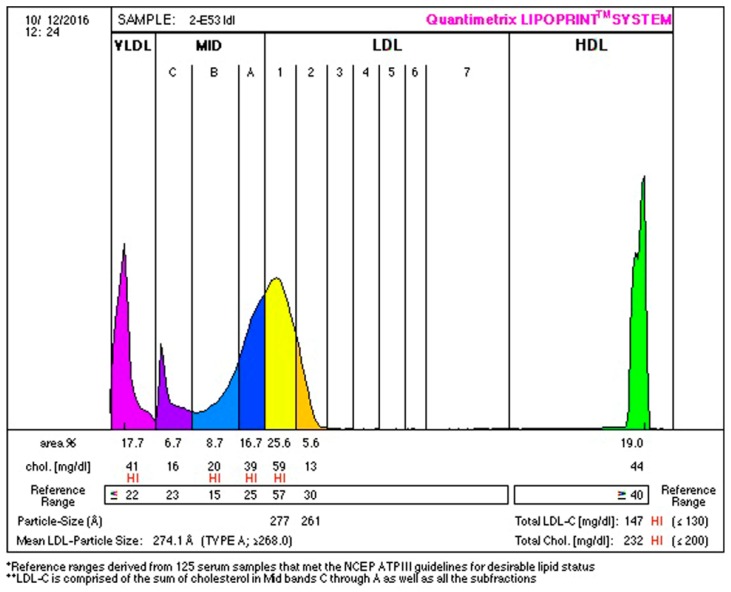
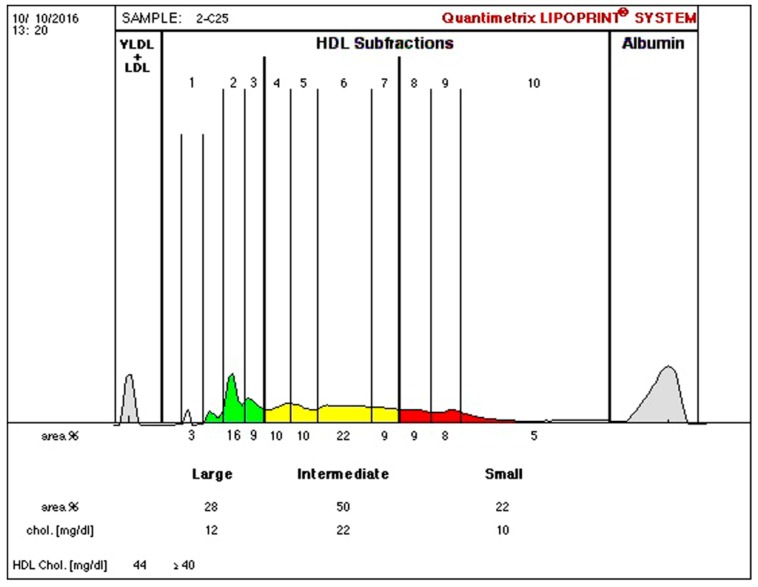
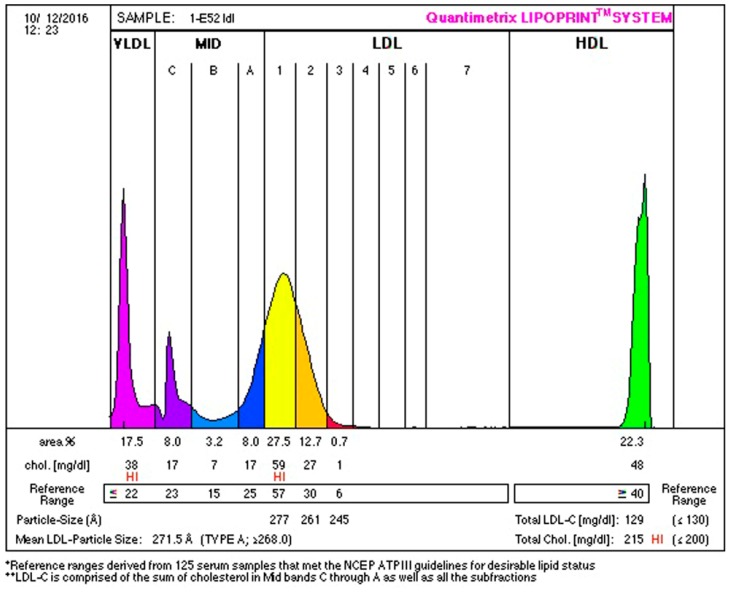
Although weight loss is recommended for obese patients, it remains questionable how much weight loss is optimal. A novel index that accurately determines the risk of cardiovascular diseases (CVDs) in terms of weight loss is needed. The modified Atherogenic Index of Plasma (AIP), presented here is unique in the literature. It is calculated based on data for anti-atherogenic, high-density lipoprotein cholesterol (HDL-C) fractions, instead of the total HDL-C. This study investigates whether weight loss correlates with CVD risk, and whether the modified AIP allows more accurate diagnostics in obese/overweight people. According to the increase or decrease of AIP during weight loss, 52 Polish patients were subdivided into two groups: group I (increased AIP; n = 16) and group II (decreased AIP; n = 36). The patients' body mass composition and fasting serum lipid parameters (total cholesterol, triglycerides, HDL-C, and LDL-C (low-density lipoprotein cholesterol)), and cholesterol in 21 lipoprotein sub-fractions were determined. Over six months, all patients reduced their body mass by about 10%. There were no significant differences in anthropometric measures between groups. Increases in large and intermediate HDL-C fractions 1 to 6 and decreases in smaller fractions 7 to 10 were observed in group II. In group I, HDL-C fractions 1 and 10 decreased, while cholesterol in other fractions increased. Increases were observed in the antiatherogenic HDL-C of 52% of group II and 4% of group I. As for atherogenic HDL-C, a decrease of 24% was observed in group II and an increase of 9% in group I. In group I, increases of very-low-density lipoprotein (VLDL), intermediate-density lipoprotein (IDL), and large LDL fractions were noticed, and the reverse in group II. The results show that the modified AIP is a more accurate indicator of CVD risk than existing indices, and that uncontrolled weight reduction does not necessarily have a beneficial influence, and may adversely affect the cardiovascular system.
尽管建议肥胖患者减轻体重,但仍不清楚减轻多少体重才是最佳的。因此,需要有一种新的指数来准确衡量体重减轻与心血管疾病(CVD)风险之间的关系。本文提出的改良血浆致动脉粥样硬化指数(AIP)在文献中是独一无二的。它是根据抗动脉粥样硬化的高密度脂蛋白胆固醇(HDL-C)分数计算得出的,而不是总 HDL-C。本研究旨在探讨体重减轻与 CVD 风险之间的相关性,以及改良 AIP 是否可以更准确地诊断肥胖/超重人群的 CVD。根据体重减轻期间 AIP 的增加或减少,将 52 名波兰患者分为两组:I 组(AIP 增加;n = 16)和 II 组(AIP 降低;n = 36)。检测了患者的体成分和空腹血清脂质参数(总胆固醇、甘油三酯、HDL-C 和 LDL-C(低密度脂蛋白胆固醇))以及 21 种脂蛋白亚组分中的胆固醇。在六个月内,所有患者的体重都减轻了约 10%。两组间的人体测量指标无显著差异。在 II 组中观察到大、中 HDL-C 分数 1 至 6 的增加,小分数 7 至 10 的减少。在 I 组中,HDL-C 分数 1 和 10 减少,而其他分数中的胆固醇增加。在 II 组中,抗动脉粥样硬化的 HDL-C 增加了 52%,而在 I 组中仅增加了 4%。对于致动脉粥样硬化的 HDL-C,II 组下降了 24%,而 I 组增加了 9%。在 I 组中,发现极低密度脂蛋白(VLDL)、中间密度脂蛋白(IDL)和大 LDL 分数增加,而在 II 组中则相反。结果表明,改良 AIP 是一种比现有指数更准确的 CVD 风险指标,而且不受控制的体重减轻不一定有益,反而可能对心血管系统产生不利影响。