Genomics and Computational Biology Research Group, University of South Wales, Pontypridd, CF37 1DL, UK.
Department of Molecular Biology and Biotechnology, Atomic Energy Commission of Syria, P.O. Box 6091, Damascus, Syria.
BMC Genomics. 2018 Dec 28;19(1):976. doi: 10.1186/s12864-018-5334-1.
Caleosin/peroxygenases, CLO/PXG, (designated PF05042 in Pfam) are a group of genes/proteins with anomalous distributions in eukaryotic taxa. We have previously characterised CLO/PXGs in the Viridiplantae. The aim of this study was to investigate the evolution and functions of the CLO/PXGs in the Fungi and other non-plant clades and to elucidate the overall origin of this gene family.
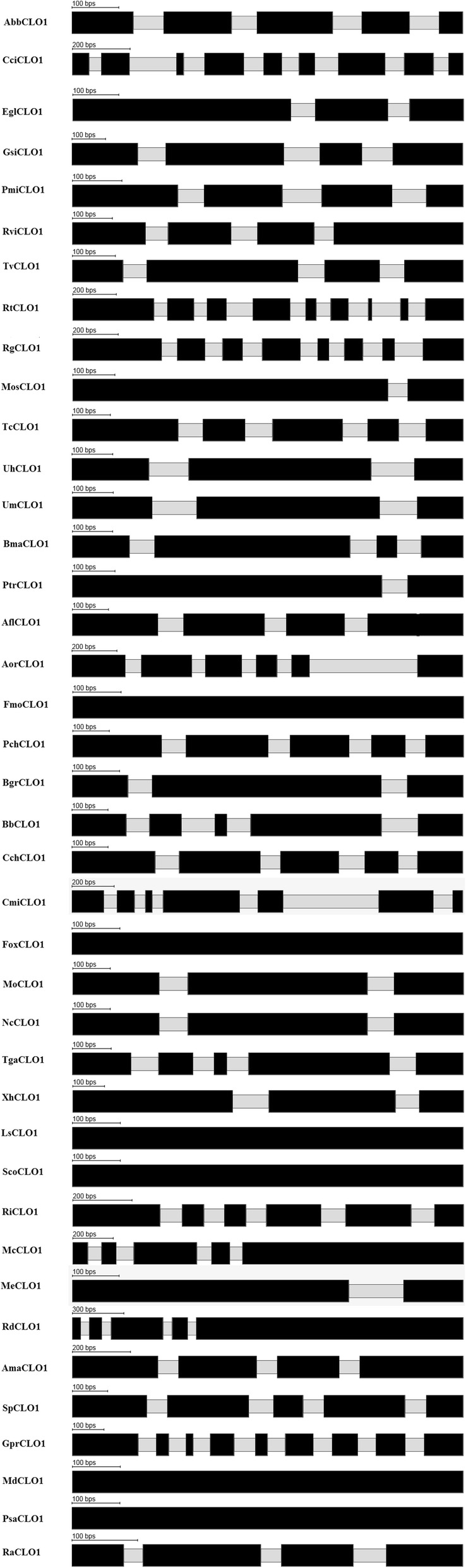
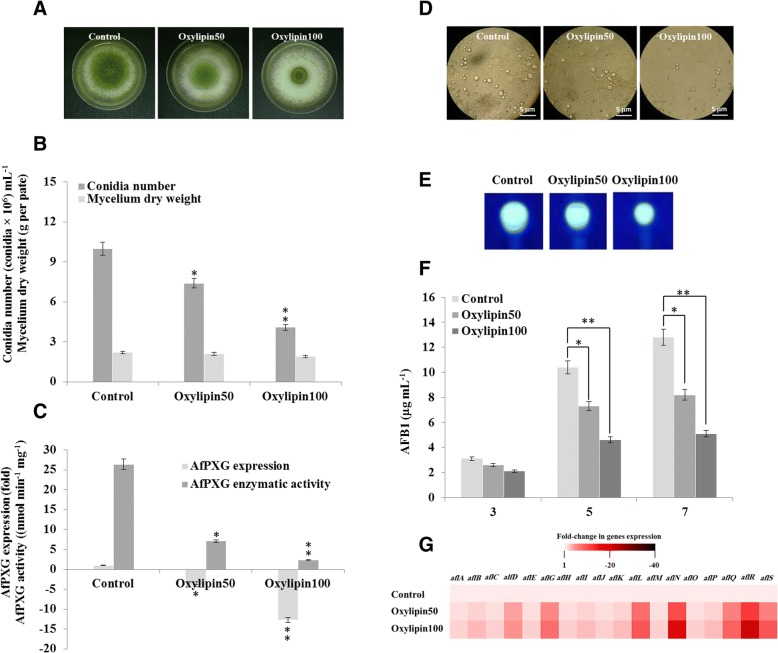
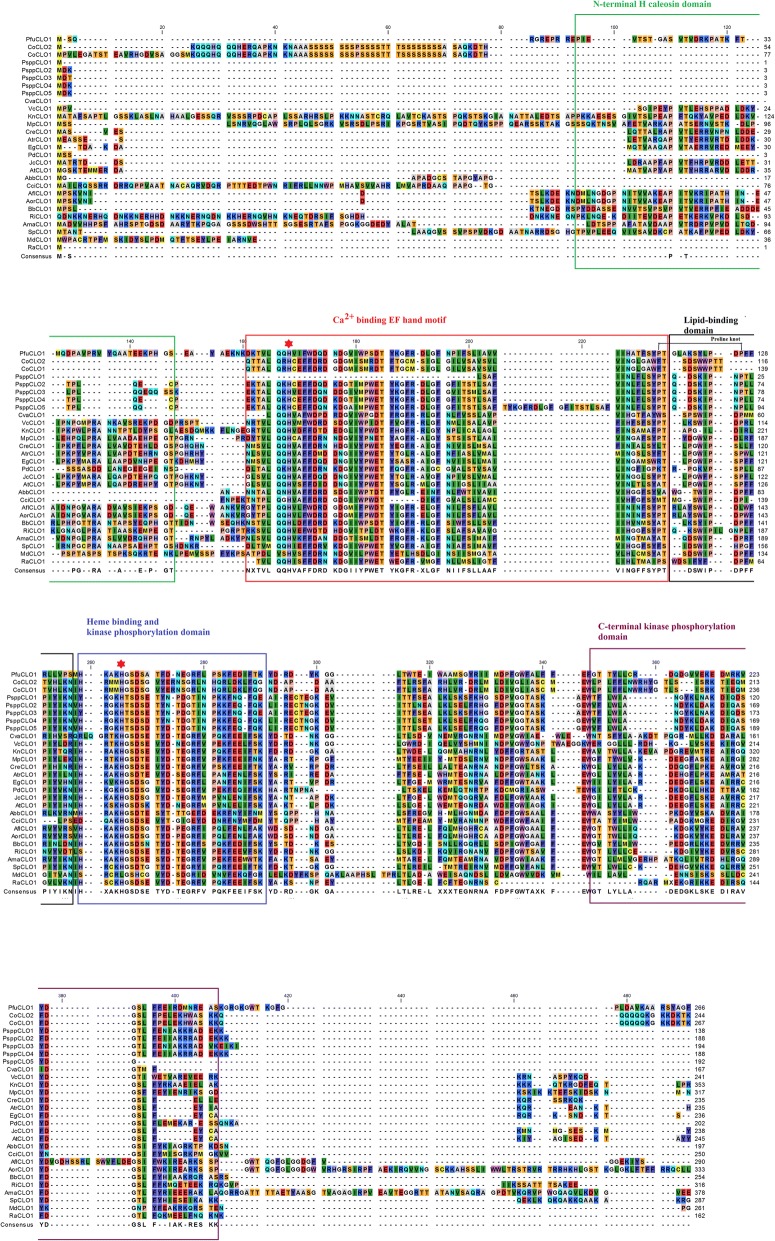
CLO/PXG-like genes are distributed across the full range of fungal groups from the basal clades, Cryptomycota and Microsporidia, to the largest and most complex Dikarya species. However, the genes were only present in 243 out of 844 analysed fungal genomes. CLO/PXG-like genes have been retained in many pathogenic or parasitic fungi that have undergone considerable genomic and structural simplification, indicating that they have important functions in these species. Structural and functional analyses demonstrate that CLO/PXGs are multifunctional proteins closely related to similar proteins found in all major taxa of the Chlorophyte Division of the Viridiplantae. Transcriptome and physiological data show that fungal CLO/PXG-like genes have complex patterns of developmental and tissue-specific expression and are upregulated in response to a range of biotic and abiotic stresses as well as participating in key metabolic and developmental processes such as lipid metabolism, signalling, reproduction and pathogenesis. Biochemical data also reveal that the Aspergillus flavus CLO/PXG has specific functions in sporulation and aflatoxin production as well as playing roles in lipid droplet function.
In contrast to plants, CLO/PXGs only occur in about 30% of sequenced fungal genomes but are present in all major taxa. Fungal CLO/PXGs have similar but not identical roles to those in plants, including stress-related oxylipin signalling, lipid metabolism, reproduction and pathogenesis. While the presence of CLO/PXG orthologs in all plant genomes sequenced to date would suggest that they have core housekeeping functions in plants, the selective loss of CLO/PXGs in many fungal genomes suggests more restricted functions in fungi as accessory genes useful in particular environments or niches. We suggest an ancient origin of CLO/PXG-like genes in the 'last eukaryotic common ancestor' (LECA) and their subsequent loss in ancestors of the Metazoa, after the latter had diverged from the ancestral fungal lineage.
钙调蛋白/过氧化物酶(Caleosin/peroxygenases,CLO/PXG),(在 Pfam 中指定为 PF05042)是一组在真核生物分类中分布异常的基因/蛋白质。我们之前已经在绿藻门中对 CLO/PXGs 进行了特征描述。本研究的目的是研究真菌和其他非植物类群中 CLO/PXGs 的进化和功能,并阐明该基因家族的总体起源。
CLO/PXG 样基因分布在从基础类群Cryptomycota 和 Microsporidia 到最大和最复杂的二倍体物种的所有真菌群中。然而,这些基因仅存在于 844 个分析真菌基因组中的 243 个中。CLO/PXG 样基因在许多经历了相当大的基因组和结构简化的致病或寄生真菌中被保留下来,这表明它们在这些物种中具有重要功能。结构和功能分析表明,CLO/PXGs 是多功能蛋白,与绿藻门所有主要类群中发现的类似蛋白密切相关。转录组和生理数据表明,真菌 CLO/PXG 样基因具有复杂的发育和组织特异性表达模式,并在应对多种生物和非生物胁迫以及参与关键代谢和发育过程(如脂质代谢、信号转导、繁殖和发病机制)时被上调。生化数据还揭示了黄曲霉 CLO/PXG 具有在孢子形成和黄曲霉毒素产生中的特定功能,以及在脂滴功能中的作用。
与植物不同,CLO/PXGs 仅出现在大约 30%的测序真菌基因组中,但存在于所有主要类群中。真菌 CLO/PXGs 具有与植物相似但不完全相同的作用,包括与应激相关的氧化脂素信号转导、脂质代谢、繁殖和发病机制。虽然迄今为止测序的所有植物基因组中都存在 CLO/PXG 同源物,这表明它们在植物中具有核心管家功能,但许多真菌基因组中 CLO/PXGs 的选择性缺失表明,它们在真菌中作为在特定环境或小生境中有用的辅助基因具有更受限的功能。我们建议 CLO/PXG 样基因的古老起源于“最后一个真核生物共同祖先”(LECA),并在 Metazoa 从真菌祖先谱系分化后在后者中丢失。