1 Experimental Gambling Research Laboratory, School of Health, Medical and Applied Sciences, CQUniversity , Sydney, NSW, Australia.
2 Centre for Indigenous Health Equity Research, School of Health, Medical and Applied Sciences, CQUniversity , Cairns, QLD, Australia.
J Behav Addict. 2018 Dec 1;7(4):1100-1111. doi: 10.1556/2006.7.2018.139.
Social influences are key drivers of gambling, and can begin in youth through parental modeling and facilitation. Over time, social influence from friends and colleagues also becomes important. Social network analysis provides a method to measure the combined nature of these social influences. This study aimed to compare social influences across gambling risk groups, by examining key characteristics of the social networks, among Australian adults.
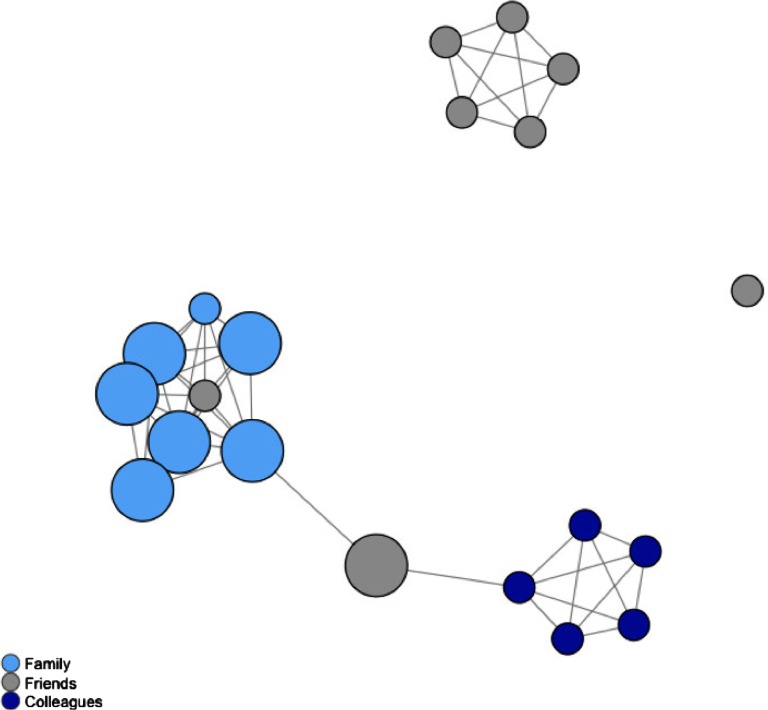
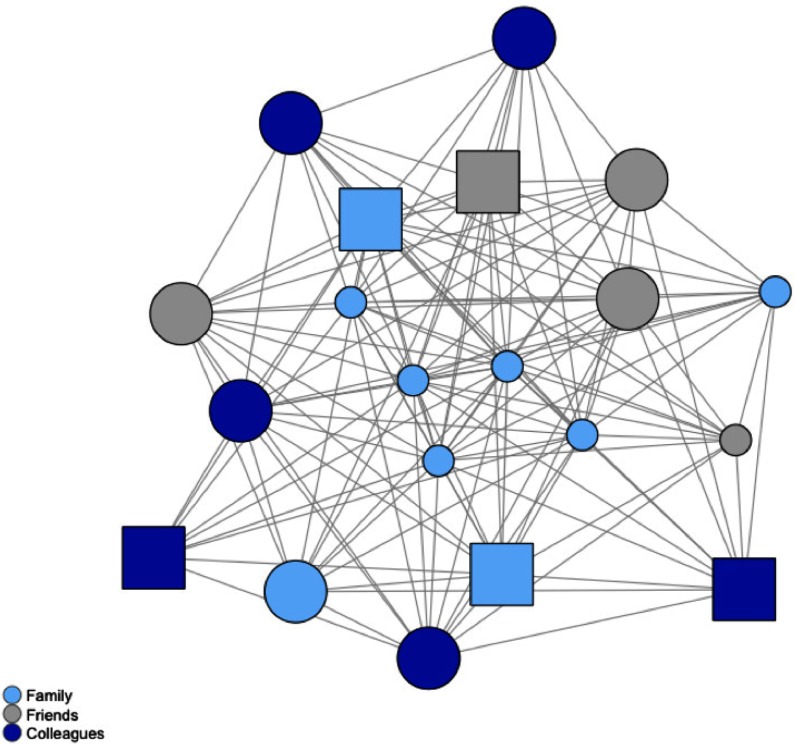
A total of 784 respondents (egos) reported their demographics, gambling behavior and gambling risk, as well as those of the 20 most influential people in their lives (alters). Egos also reported the strength of the connection between themselves and each of their alters, and between each pair of alters. Data were analyzed using egocentric social network analysis approaches.
Egos in higher risk groups reported more alters who gamble, including a higher proportion experiencing gambling-related harm. Relationship strength indicated that egos in higher risk groups tended to feel closer to their alters, regardless of whether the alter gambles or not. Network density (interconnectedness between alters) was greater for egos in higher risk groups.
The findings indicate that both gambling behavior and gambling-related harm are normalized through social connections. Greater interconnectedness in the networks of higher risk gamblers indicates difficulties in reducing or removing these influences. The findings indicate limitations of individualised interventions, and instead highlight the important role of changing norms within society, which can be transmitted throughout these networks.
社会影响是赌博的关键驱动因素,它可以从青少年时期通过父母的榜样和促进作用开始。随着时间的推移,来自朋友和同事的社会影响也变得重要。社会网络分析提供了一种衡量这些社会影响综合性质的方法。本研究旨在通过考察澳大利亚成年人关键的社会网络特征,比较不同赌博风险群体的社会影响。
共有 784 名受访者(自我)报告了他们的人口统计学、赌博行为和赌博风险,以及他们生活中 20 个最有影响力的人(他人)的情况。自我还报告了自己与每个他人之间以及每个他人之间的联系强度。使用以自我为中心的社会网络分析方法对数据进行了分析。
处于较高风险组的自我报告了更多的赌博他人,包括更高比例的经历与赌博相关的伤害。关系强度表明,处于较高风险组的自我往往与他们的他人更亲近,而不管他人是否赌博。较高风险组的自我的网络密度(他人之间的相互联系程度)更高。
这些发现表明,赌博行为和与赌博相关的伤害都通过社会联系得到了正常化。较高风险赌徒网络中的相互联系程度更大表明,减少或消除这些影响存在困难。这些发现表明个体化干预措施存在局限性,而是强调改变社会规范的重要作用,这些规范可以通过这些网络传播。