Kuciel Stanisław, Romańska Paulina
Faculty of Mechanical Engineering, Cracow University of Technology, ul. Warszawska 24, 31-155 Cracow, Poland.
Materials (Basel). 2018 Dec 28;12(1):95. doi: 10.3390/ma12010095.
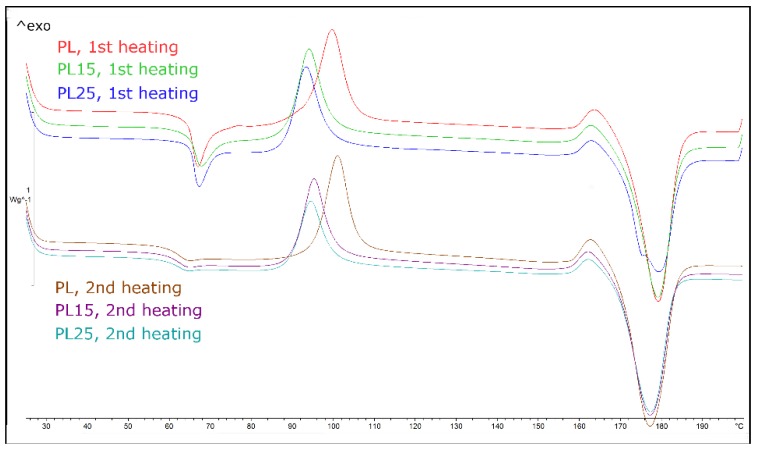
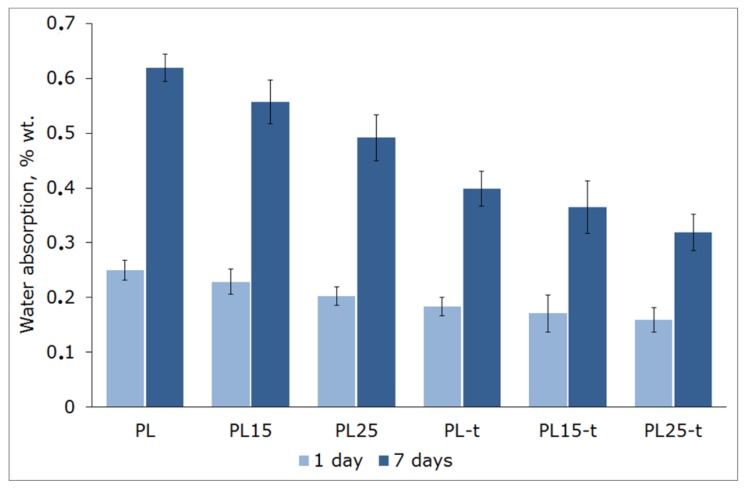
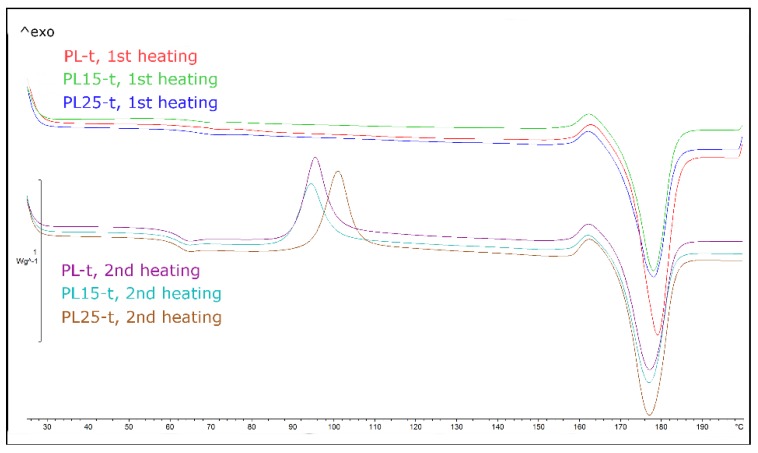
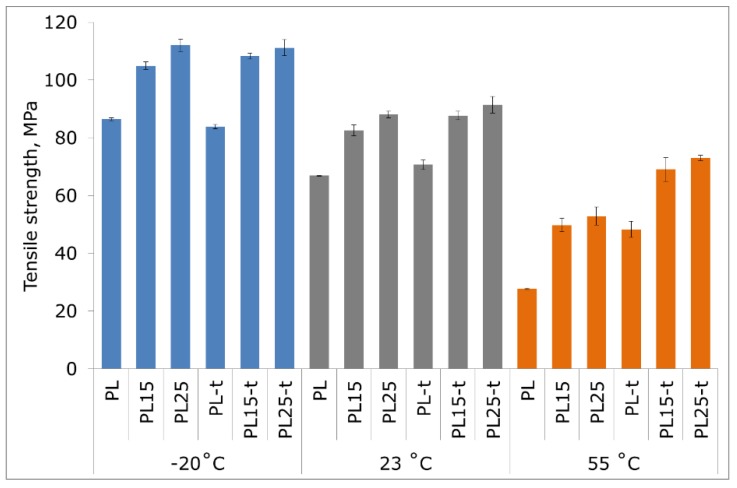
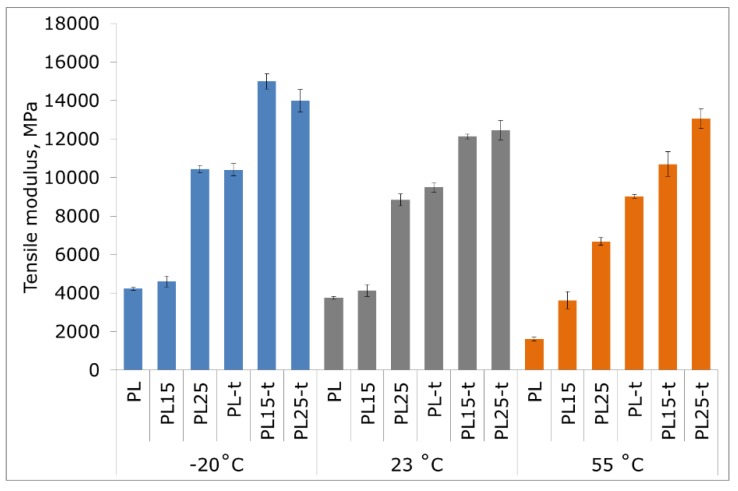
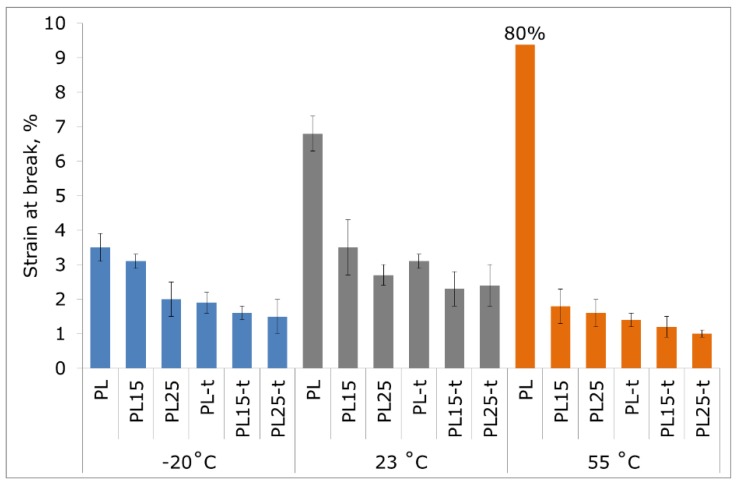
In this research, polylactide was hybrid-reinforced and heat-treated in order to obtain durable structural materials with the use of eco-friendly components. Differential scanning calorimetry (DSC) analysis, tensile tests at various temperatures, Vicat tests, impact tests, and microscopic observations were conducted on the annealed and non-heat-treated specimens. The theoretical and true density, as well as water absorption, were also determined. The simultaneous introduction of chopped carbon and basalt fibers in equal mass fractions of 7.5% and 12.5% resulted in satisfactory increases in stiffness and tensile strength. The reinforcing effect was more efficient for the heat-treated composites, especially at elevated temperatures. Heat treatment significantly increased the degree of crystallinity of the matrix, improving heat resistance and reducing water absorption. It also reduced the stress concentrations in the injection-molded specimens.
在本研究中,聚乳酸进行了混合增强和热处理,以便使用环保成分获得耐用的结构材料。对退火和未热处理的试样进行了差示扫描量热法(DSC)分析、不同温度下的拉伸试验、维卡试验、冲击试验和微观观察。还测定了理论密度、真实密度以及吸水率。以7.5%和12.5%的等质量分数同时引入短切碳纤维和玄武岩纤维,使刚度和拉伸强度得到了令人满意的提高。对于热处理后的复合材料,增强效果更显著,尤其是在高温下。热处理显著提高了基体的结晶度,提高了耐热性并降低了吸水率。它还降低了注塑试样中的应力集中。