Department of Psychology, Roswell Park Comprehensive Cancer Center, Buffalo, NY, 14263, USA.
Survivorship and Supportive Care, Roswell Park Comprehensive Cancer Center, Buffalo, NY, 14263, USA.
J Cancer Surviv. 2019 Feb;13(1):34-42. doi: 10.1007/s11764-018-0725-5. Epub 2019 Jan 2.
Adolescents and young adults (AYAs) with cancer are known to have complex medical and psychosocial needs throughout treatment; however, information is lacking about the challenges AYA survivors face after treatment has ended. Focus groups were conducted using a concept mapping framework to better understand the most important issues these patients face in transitioning to survivorship and how prepared they felt to face them.
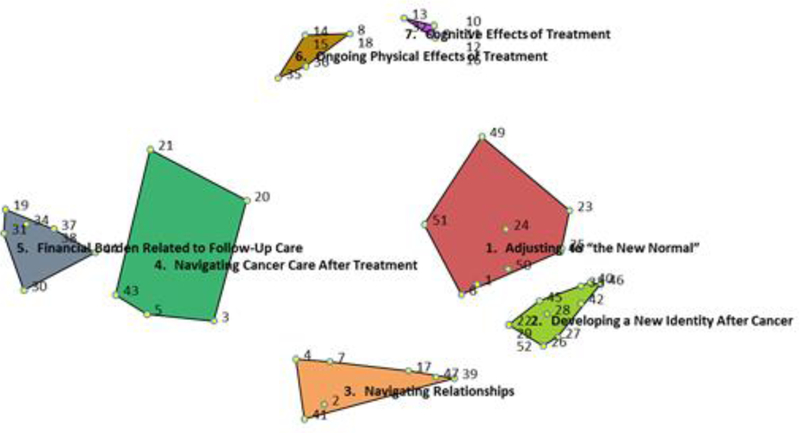
AYAs diagnosed between 18 and 39 years old and at least 2 years post-treatment participated in one of six focus groups based on age group and follow-up status. Using a concept mapping design, participants provided important issues during the transition to survivorship and appraised them on three core areas of interest.
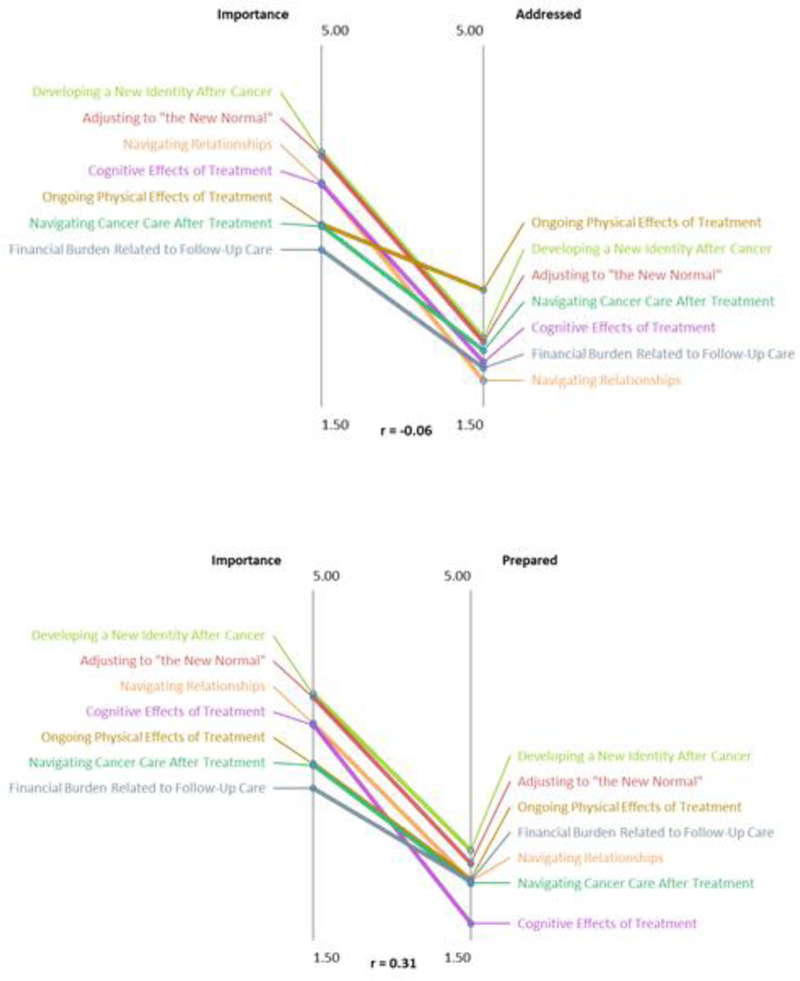
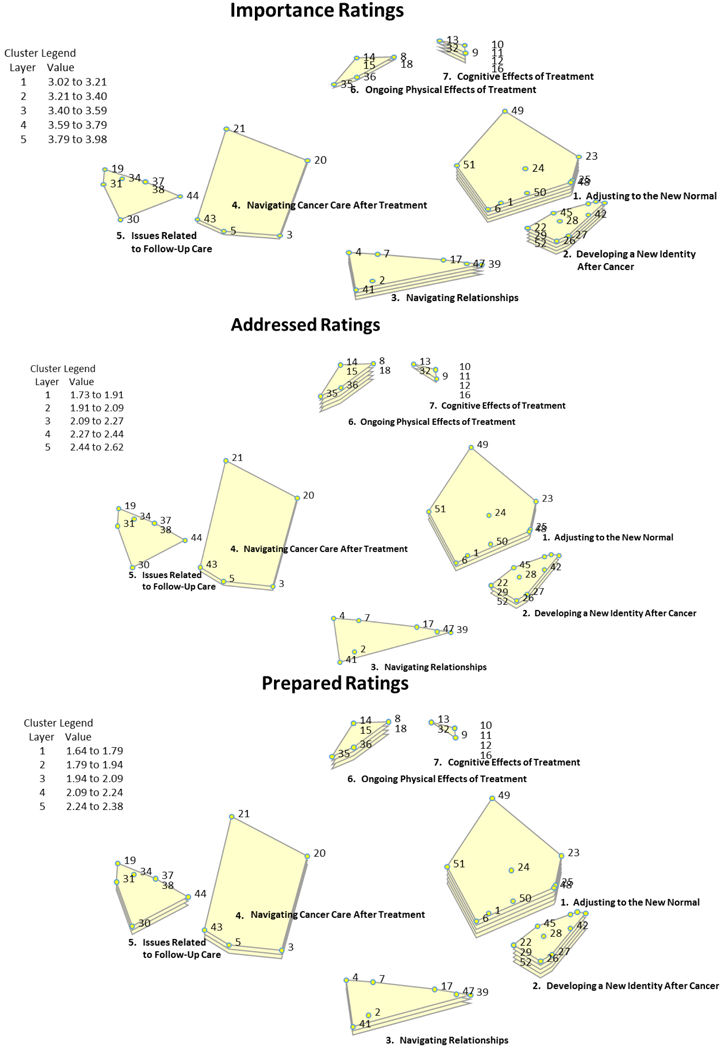
Analyses revealed salient themes shared across age and follow-up group status, particularly related to the psychosocial, emotional, and cognitive effects of treatment. Differential concerns included those related to patients' developmental concerns-namely, finding a new identity, financial burden of treatment, and fertility concerns after treatment.
AYA cancer survivors continue to have a myriad of issues beyond the immediate treatment phase. Despite a complex list of challenges, these issues largely remained unaddressed by their oncology provider and left patients feeling overwhelmingly ill-prepared to manage their transition to survivorship.
AYA cancer survivors have many unaddressed concerns as they transition out of active cancer treatment, largely related to developmental issues they are facing. Survivorship care for these patients would benefit from care planning that takes these unique concerns into account.
患有癌症的青少年和年轻人(AYAs)在治疗期间已知具有复杂的医疗和心理社会需求;然而,缺乏关于治疗结束后 AYA 幸存者面临的挑战的信息。使用概念映射框架进行焦点小组讨论,以更好地了解这些患者在向生存者过渡过程中面临的最重要问题,以及他们对面对这些问题的准备情况。
年龄在 18 至 39 岁之间且至少在治疗后 2 年的 AYA 参加了基于年龄组和随访状态的六个焦点小组之一。使用概念映射设计,参与者提供了向生存者过渡期间的重要问题,并对三个核心感兴趣的领域进行了评估。
分析揭示了跨年龄和随访组状态共享的显著主题,特别是与治疗的心理社会、情感和认知影响有关。不同的关注点包括与患者发展相关的问题,即寻找新的身份、治疗的经济负担和治疗后生育问题。
AYA 癌症幸存者在治疗结束后的阶段仍然存在许多问题。尽管存在一系列复杂的挑战,但这些问题在很大程度上仍未得到肿瘤学提供者的解决,患者感到自己在管理向生存者过渡方面准备不足。
当他们从积极的癌症治疗过渡时,AYA 癌症幸存者有许多未解决的问题,这些问题主要与他们面临的发展问题有关。对这些患者的生存者护理将受益于考虑到这些独特关注点的护理计划。