Gladstone Institute of Neurological Disease, San Francisco, San Francisco, CA 94158, USA; Department of Neurology, University of California, San Francisco, San Francisco, CA 94158, USA.
Gladstone Institute of Neurological Disease, San Francisco, San Francisco, CA 94158, USA; Department of Physiology, University of California, San Francisco, San Francisco, CA 94158, USA; Neurosciences Graduate Program, University of California, San Francisco, San Francisco, CA 94158, USA.
Cell Rep. 2019 Jan 2;26(1):54-64.e6. doi: 10.1016/j.celrep.2018.12.018.
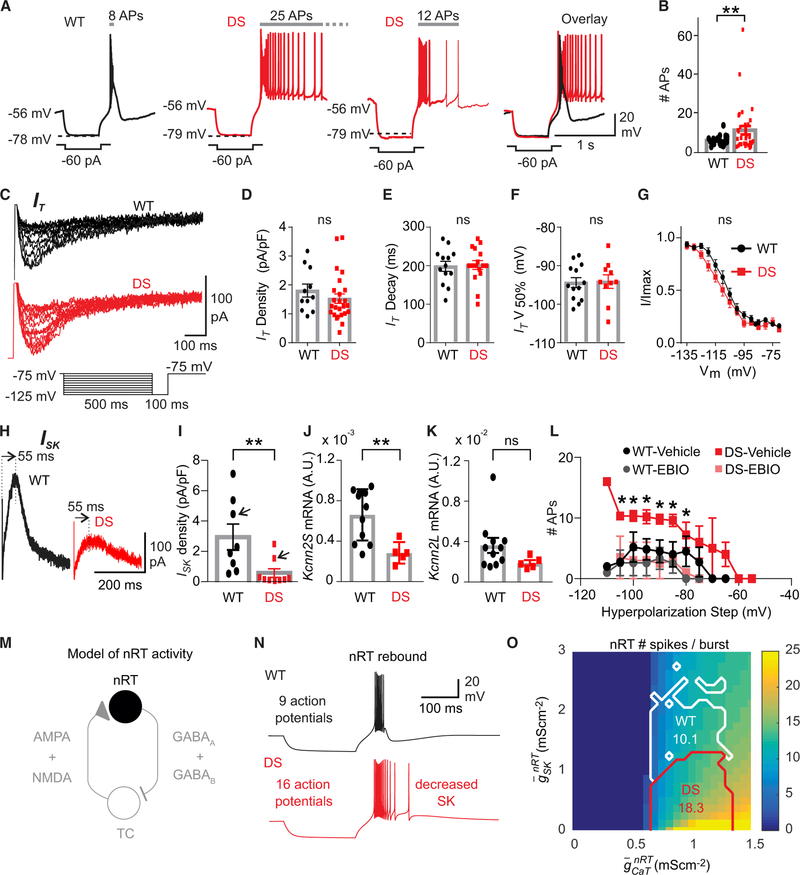
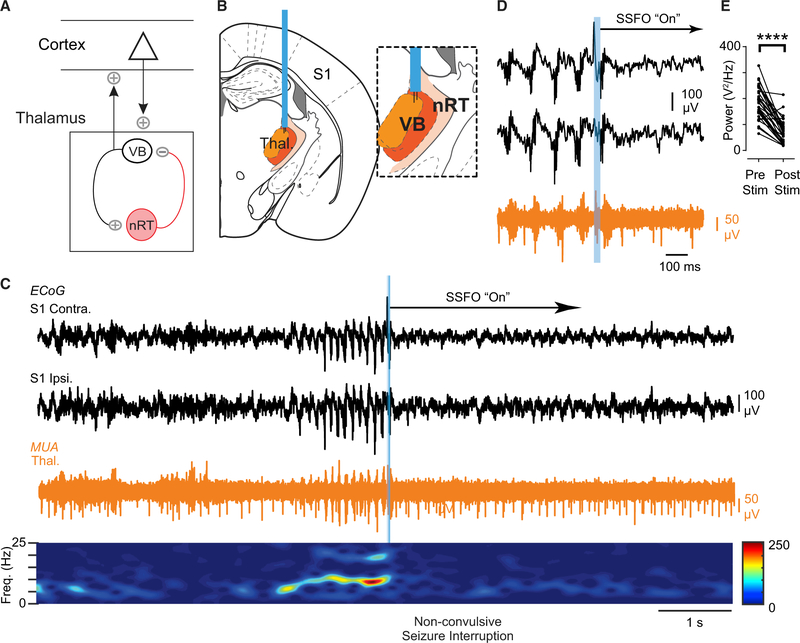
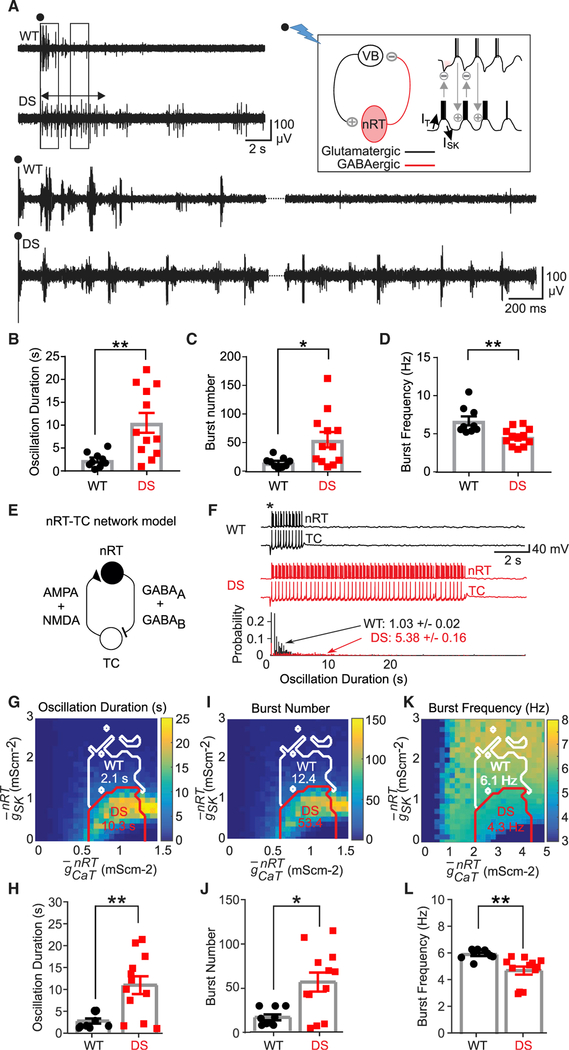
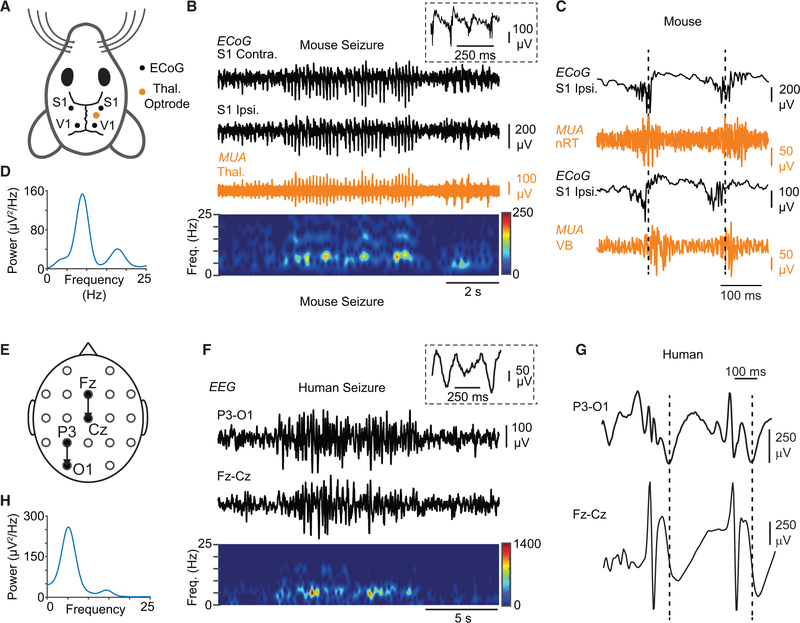
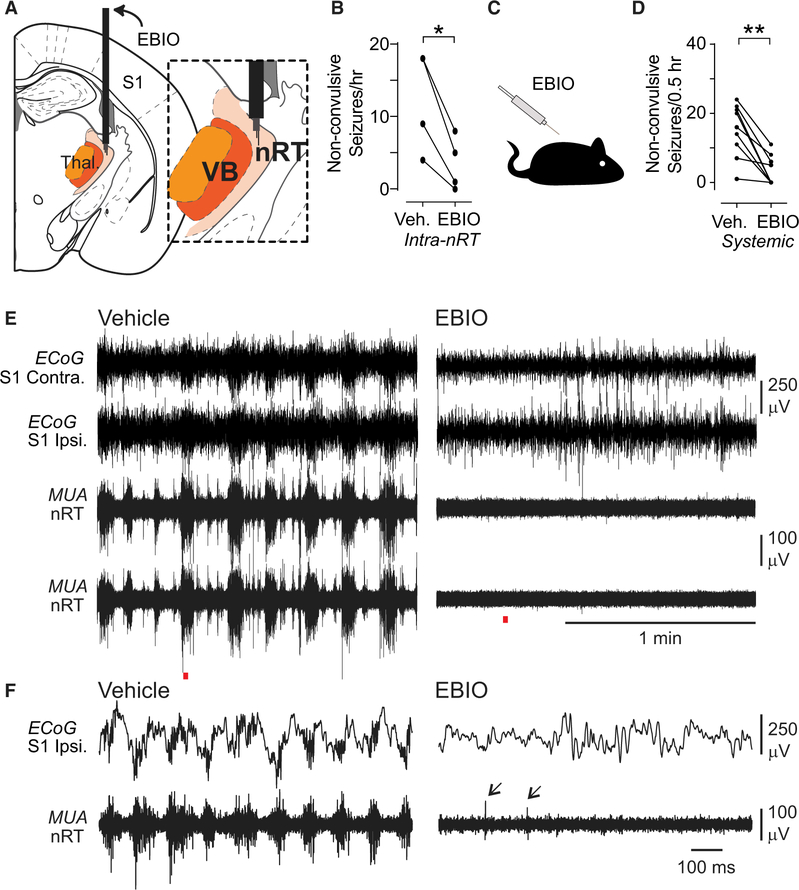
Loss of function in the Scn1a gene leads to a severe epileptic encephalopathy called Dravet syndrome (DS). Reduced excitability in cortical inhibitory neurons is thought to be the major cause of DS seizures. Here, in contrast, we show enhanced excitability in thalamic inhibitory neurons that promotes the non-convulsive seizures that are a prominent yet poorly understood feature of DS. In a mouse model of DS with a loss of function in Scn1a, reticular thalamic cells exhibited abnormally long bursts of firing caused by the downregulation of calcium-activated potassium SK channels. Our study supports a mechanism in which loss of SK activity causes the reticular thalamic neurons to become hyperexcitable and promote non-convulsive seizures in DS. We propose that reduced excitability of inhibitory neurons is not global in DS and that non-GABAergic mechanisms such as SK channels may be important targets for treatment.
Scn1a 基因功能丧失会导致一种称为 Dravet 综合征(DS)的严重癫痫性脑病。皮质抑制性神经元兴奋性降低被认为是 DS 发作的主要原因。相比之下,在这里,我们发现丘脑抑制性神经元的兴奋性增强,这促进了非惊厥性发作,这是 DS 的一个突出但尚未被充分理解的特征。在 Scn1a 功能丧失的 DS 小鼠模型中,网状丘脑细胞表现出异常长的爆发性放电,这是由钙激活钾 SK 通道的下调引起的。我们的研究支持一种机制,即 SK 活性的丧失导致网状丘脑神经元过度兴奋,并促进 DS 中的非惊厥性发作。我们提出,在 DS 中,抑制性神经元的兴奋性不是全局降低的,非 GABA 能机制(如 SK 通道)可能是治疗的重要靶点。