King's College London, Institute of Psychiatry, Psychology & Neuroscience, Department of Basic and Clinical Neuroscience, Maurice Wohl Clinical Neuroscience Institute (K1.24), 5 Cutcombe Road, London, SE5 9RX, UK.
Acta Neuropathol Commun. 2019 Jan 3;7(1):2. doi: 10.1186/s40478-018-0651-9.
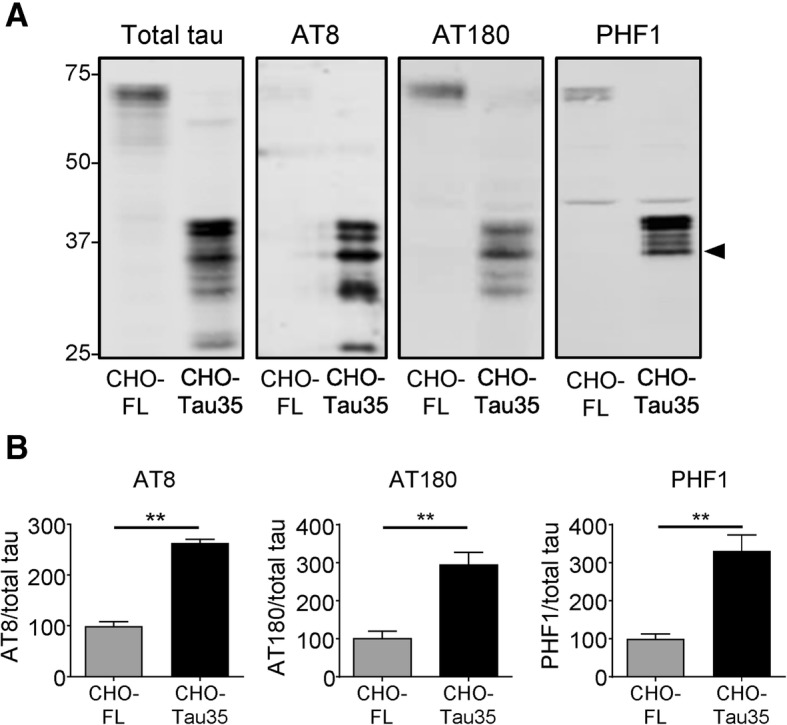
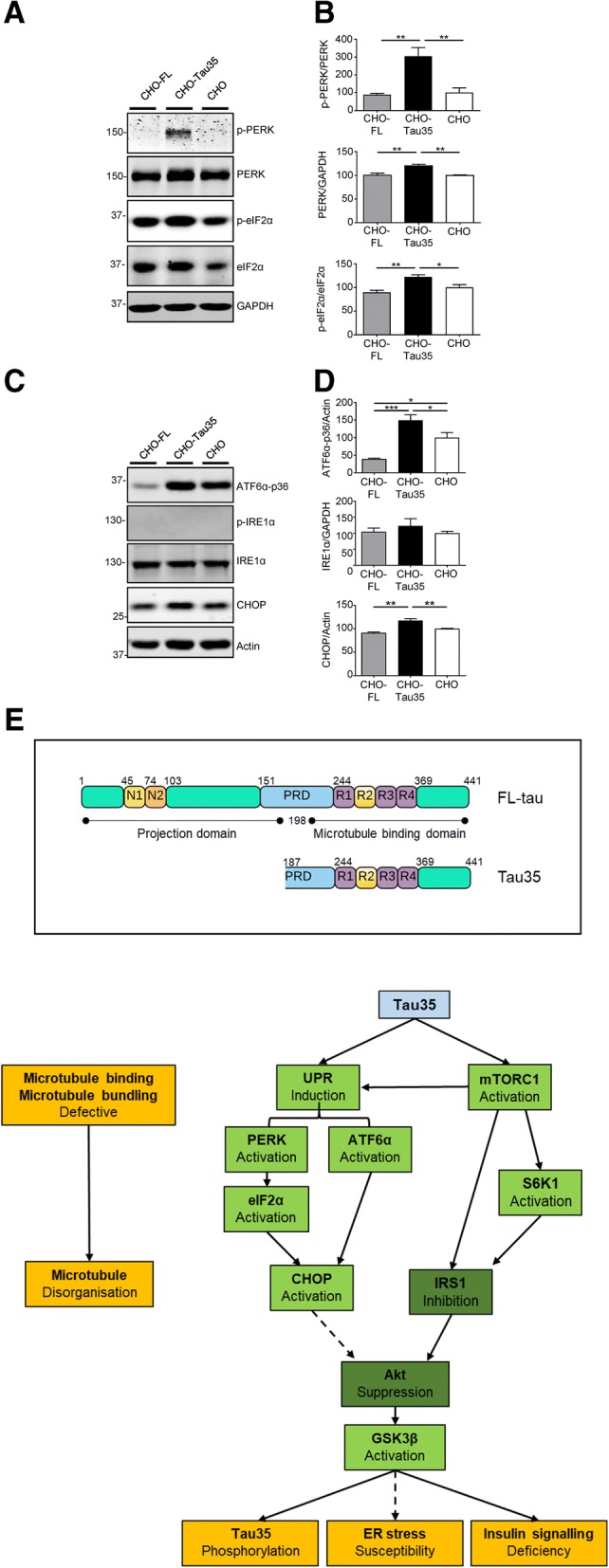
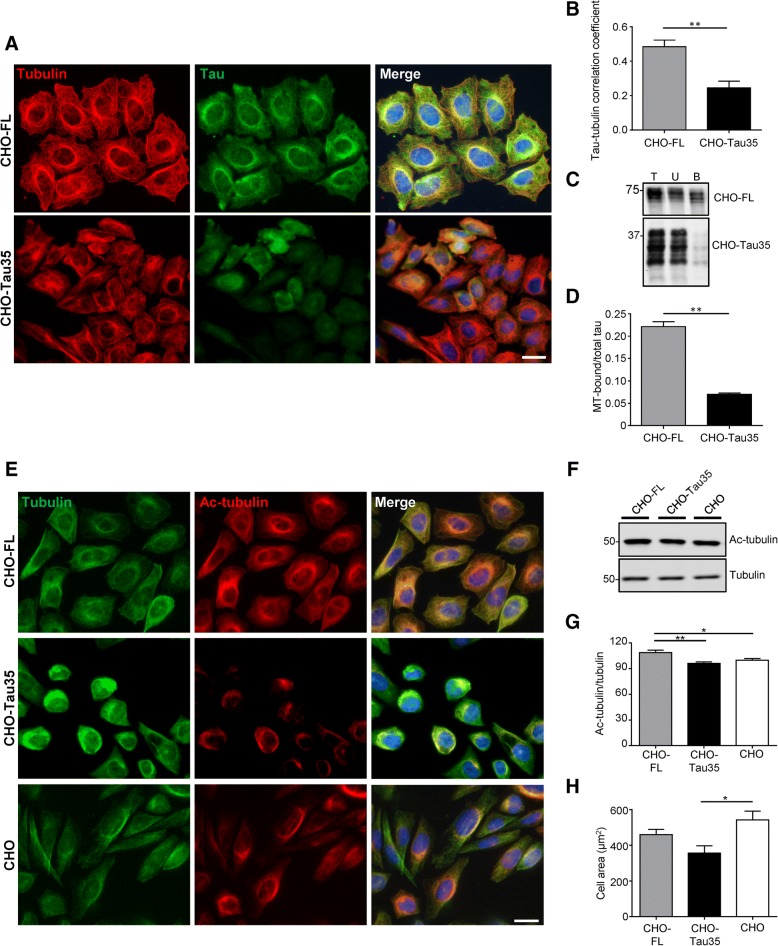
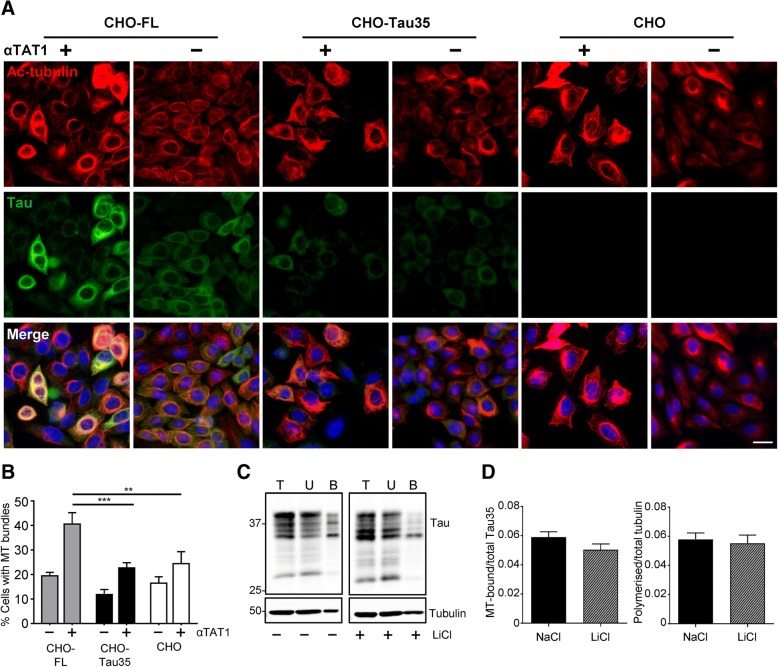
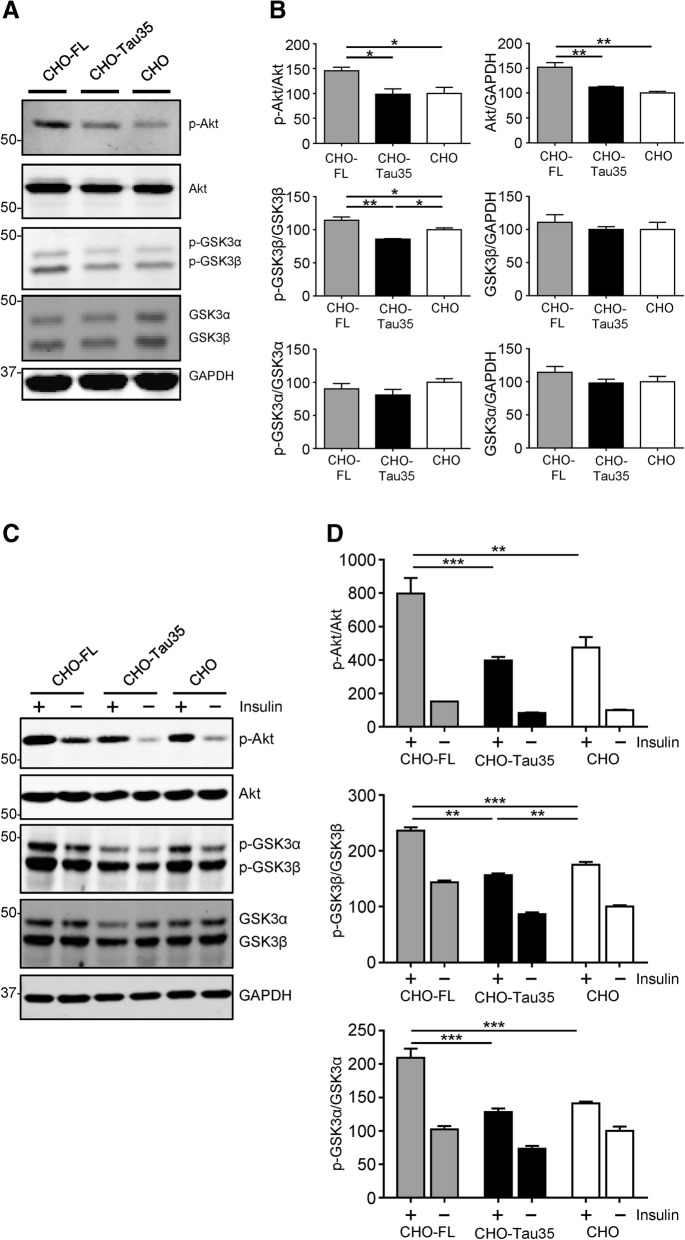
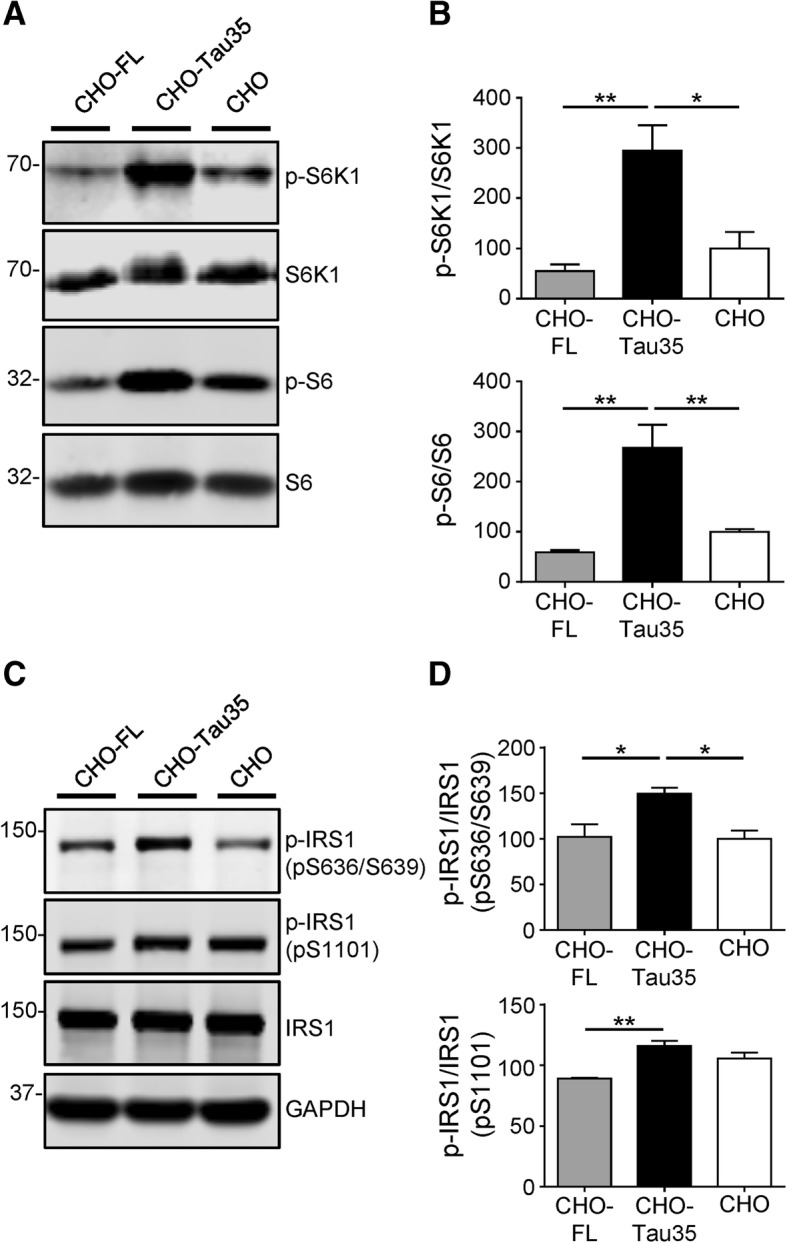
Human tauopathies including Alzheimer's disease, progressive supranuclear palsy and related disorders, are characterized by deposition of pathological forms of tau, synaptic dysfunction and neuronal loss. We have previously identified a pathogenic C-terminal tau fragment (Tau35) that is associated with human tauopathy. However, it is not known how tau fragmentation affects critical molecular processes in cells and contributes to impaired physiological function. Chinese hamster ovary (CHO) cells and new CHO cell lines stably expressing Tau35 or full-length human tau were used to compare the effects of disease-associated tau cleavage on tau function and signaling pathways. Western blots, microtubule-binding assays and immunofluorescence labeling were used to examine the effects of Tau35 on tau function and on signaling pathways in CHO cells. We show that Tau35 undergoes aberrant phosphorylation when expressed in cells. Although Tau35 contain the entire microtubule-binding region, the lack of the amino terminal half of tau results in a marked reduction in microtubule binding and defective microtubule organization in cells. Notably, Tau35 attenuates insulin-mediated activation of Akt and a selective inhibitory phosphorylation of glycogen synthase kinase-3. Moreover, Tau35 activates ribosomal protein S6 kinase beta-1 signaling and the unfolded protein response, leading to insulin resistance in cells. Tau35 has deleterious effects on signaling pathways that mediate pathological changes and insulin resistance, suggesting a mechanism through which N-terminal cleavage of tau leads to the development and progression of tau pathology in human tauopathy. Our findings highlight the importance of the N-terminal region of tau for its normal physiological function. Furthermore, we show that pathogenic tau cleavage induces tau phosphorylation, resulting in impaired microtubule binding, disruption of insulin signaling and activation of the unfolded protein response. Since insulin resistance is a feature of several tauopathies, this work suggests new potential targets for therapeutic intervention.
人类 tau 病包括阿尔茨海默病、进行性核上性麻痹和相关疾病,其特征是病理性 tau 的沉积、突触功能障碍和神经元丧失。我们之前已经鉴定出与人类 tau 病相关的致病性 C 端 tau 片段(Tau35)。然而,tau 片段化如何影响细胞中关键的分子过程并导致生理功能受损尚不清楚。使用中国仓鼠卵巢(CHO)细胞和稳定表达 Tau35 或全长人 tau 的新 CHO 细胞系,比较与疾病相关的 tau 切割对 tau 功能和信号通路的影响。使用 Western blot、微管结合测定和免疫荧光标记来检查 Tau35 对 CHO 细胞中 tau 功能和信号通路的影响。我们表明 Tau35 在细胞中表达时会发生异常磷酸化。尽管 Tau35 包含整个微管结合区,但 tau 的氨基端一半缺失导致微管结合显著减少,细胞中的微管组织受损。值得注意的是,Tau35 减弱了胰岛素介导的 Akt 激活和糖原合酶激酶-3 的选择性抑制性磷酸化。此外,Tau35 激活核糖体蛋白 S6 激酶β-1 信号和未折叠蛋白反应,导致细胞中的胰岛素抵抗。Tau35 对介导病理性变化和胰岛素抵抗的信号通路有有害影响,这表明 N 端切割 tau 导致人类 tau 病中 tau 病发展和进展的机制。我们的发现强调了 tau 的 N 端区域对其正常生理功能的重要性。此外,我们表明致病性 tau 切割诱导 tau 磷酸化,导致微管结合受损、胰岛素信号中断和未折叠蛋白反应激活。由于胰岛素抵抗是几种 tau 病的特征,这项工作为治疗干预提供了新的潜在靶点。