Giusto Gessica, Iussich Selina, Tursi Massimiliano, Perona Giovanni, Gandini Marco
Department of Veterinary Sciences, University of Turin, Largo P. Braccini 2-5, Grugliasco, TO, Italy.
Acta Vet Scand. 2019 Jan 5;61(1):3. doi: 10.1186/s13028-018-0437-x.
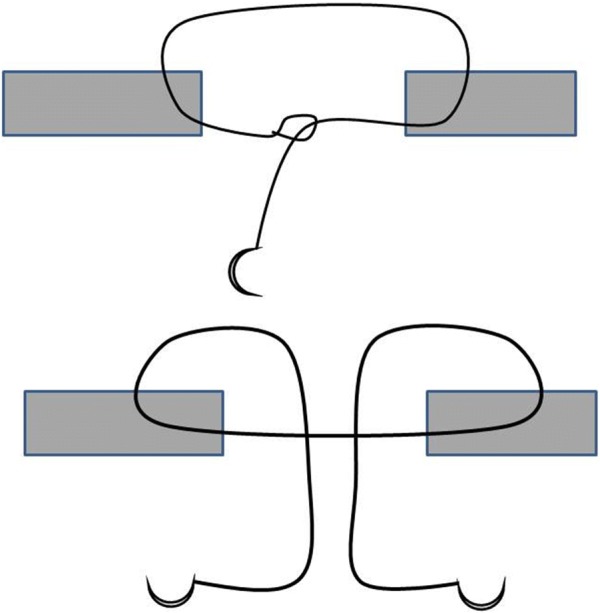
Hand-sewn intestinal anastomoses are a fundamental procedure in both open and laparoscopic intestinal surgery. Self-retaining barbed suture devices have been tested for a variety of surgical applications. With the exception of clinical reports and various experimental studies on enterotomy, little has been published so far on the use of barbed suture for end-to-end intestinal anastomoses. The aim of the study was to compare two different barbed suture materials for end-to-end jejuno-jejunal anastomosis in pigs. End-to-end jejuno-jejunal anastomosis were performed with unidirectional barbed (A group), bidirectional barbed (B group) or normal (C group) sutures in each animal. A comparison was then made between the groups based on adhesions scoring, suturing time, bursting pressure and histopathology.
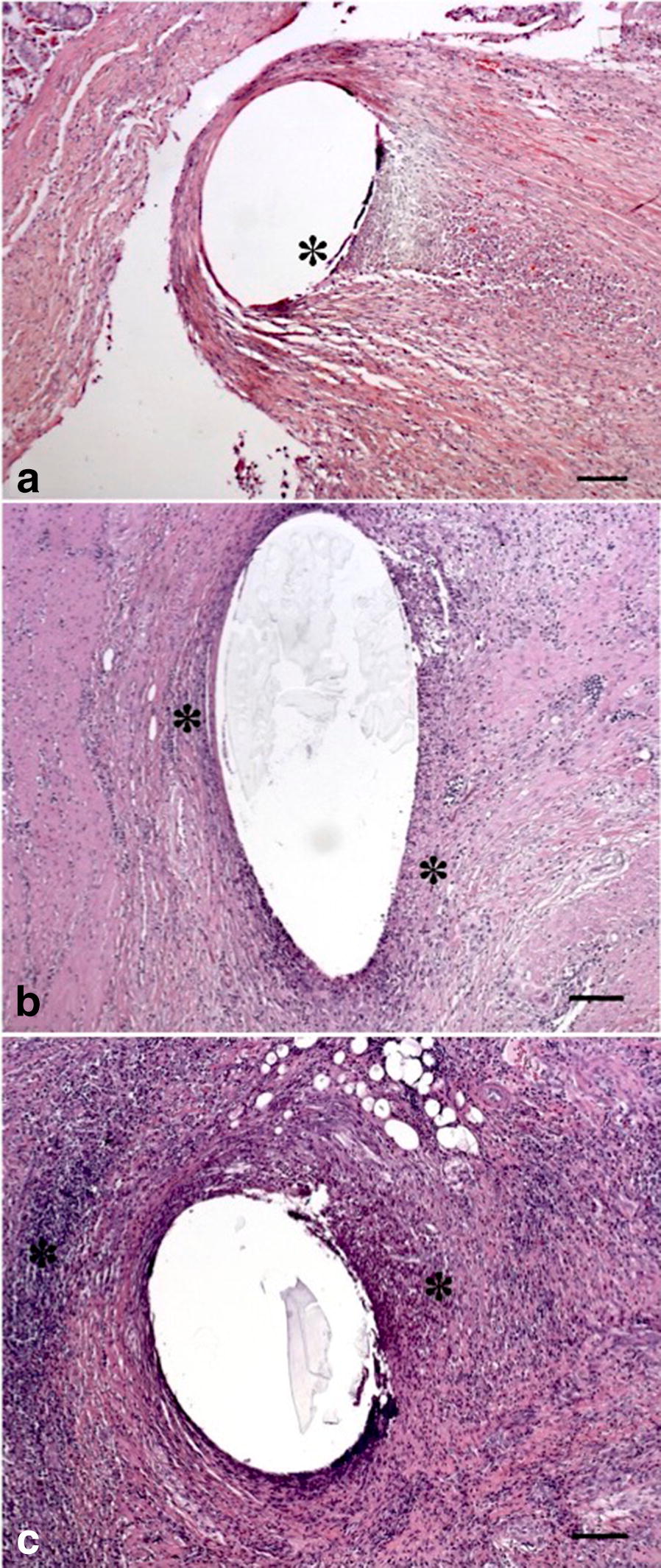
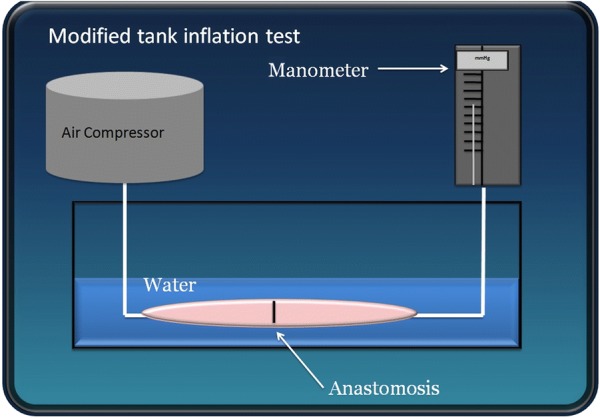
Mean construction times in the A group (518 ± 40 s) and in the B group (487 ± 45 s) were significantly lower than in the C group (587 ± 63 s) but were not different between A and B group (P = 0.10). Mean bursting pressures were significantly higher in the intact intestine (197 ± 13 mmHg) than in any other group (group A 150 ± 16 mmHg, group B 145 ± 22 mmHg, group C 145 ± 24 mmHg). Among anastomotic techniques, the bursting pressures were not significantly different. Histologically no difference could be detected in the grade of inflammation, collagen deposition and neovascularization at the anastomotic sites.
Barbed sutures can be effectively used for handsewn end-to-end jejunojejunal anastomosis in pigs. They are comparable to normal suture but could provide a shorter surgical time.
手工缝合肠吻合术是开放和腹腔镜肠道手术中的一项基本操作。自固定倒刺缝合装置已在多种外科手术应用中进行了测试。除了关于肠切开术的临床报告和各种实验研究外,迄今为止关于倒刺缝线用于端端肠吻合术的报道很少。本研究的目的是比较两种不同的倒刺缝合材料用于猪端端空肠-空肠吻合术的效果。在每只动物中,分别使用单向倒刺缝线(A组)、双向倒刺缝线(B组)或普通缝线(C组)进行端端空肠-空肠吻合术。然后根据粘连评分、缝合时间、破裂压力和组织病理学对各组进行比较。
A组(518±40秒)和B组(487±45秒)的平均构建时间显著低于C组(587±63秒),但A组和B组之间无差异(P = 0.10)。完整肠段的平均破裂压力(197±13mmHg)显著高于其他任何组(A组150±16mmHg,B组145±22mmHg,C组145±24mmHg)。在吻合技术中,破裂压力无显著差异。组织学上,吻合部位的炎症程度、胶原沉积和新生血管形成方面未检测到差异。
倒刺缝线可有效用于猪手工端端空肠-空肠吻合术。它们与普通缝线相当,但可缩短手术时间。