Liu Yao, Lu Gang, Su Xian Wei, Ding Tao, Wang Wen Li, Li Yong Mei, Poon Wai Sang, Ao Li Juan
School of Rehabilitation, Kunming Medical University, Kunming, China.
Division of Neurosurgery, Department of Surgery, Prince of Wales Hospital, The Chinese University of Hong Kong, Shatin, Hong Kong.
Front Neurosci. 2018 Dec 11;12:928. doi: 10.3389/fnins.2018.00928. eCollection 2018.
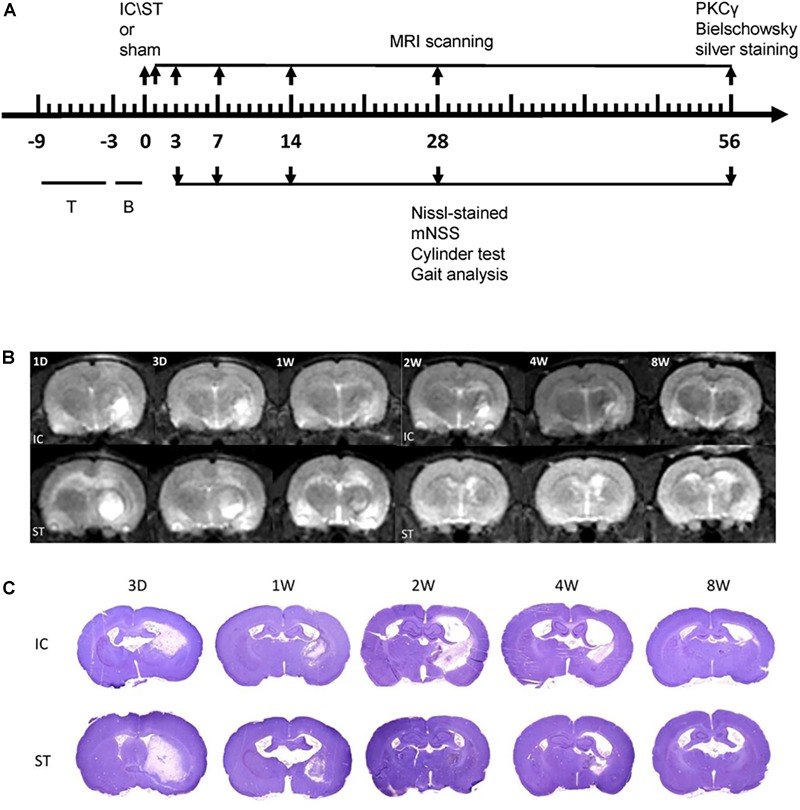
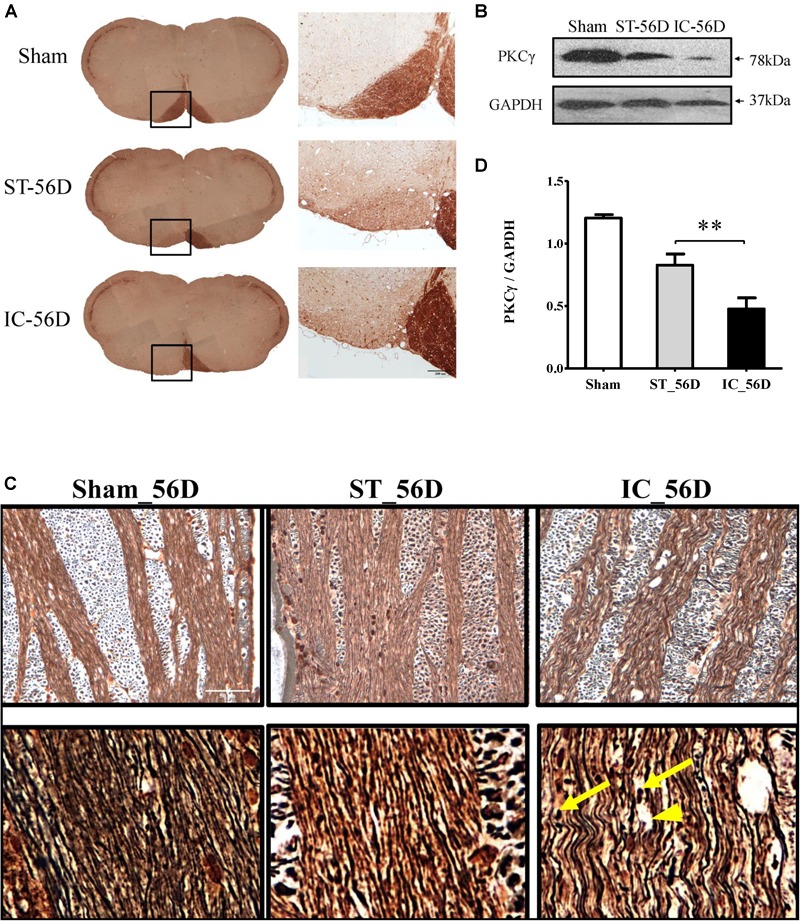
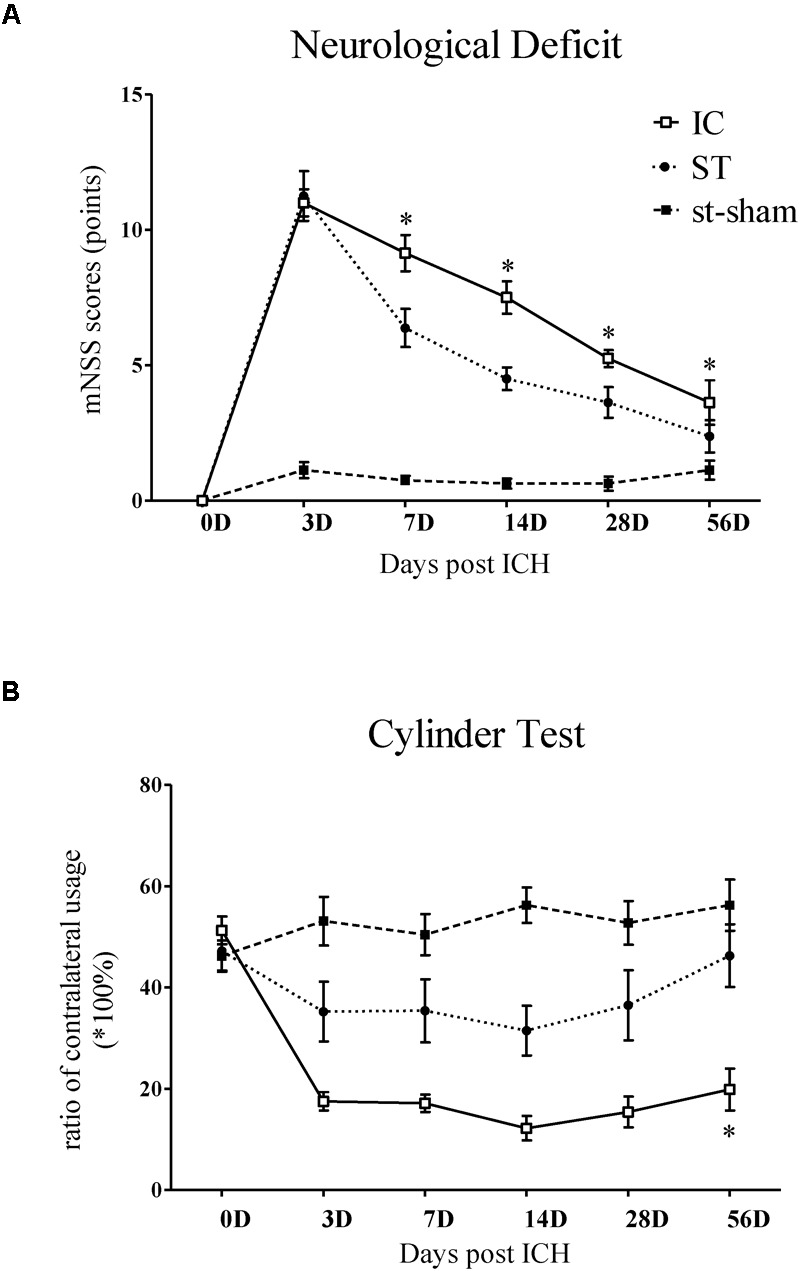
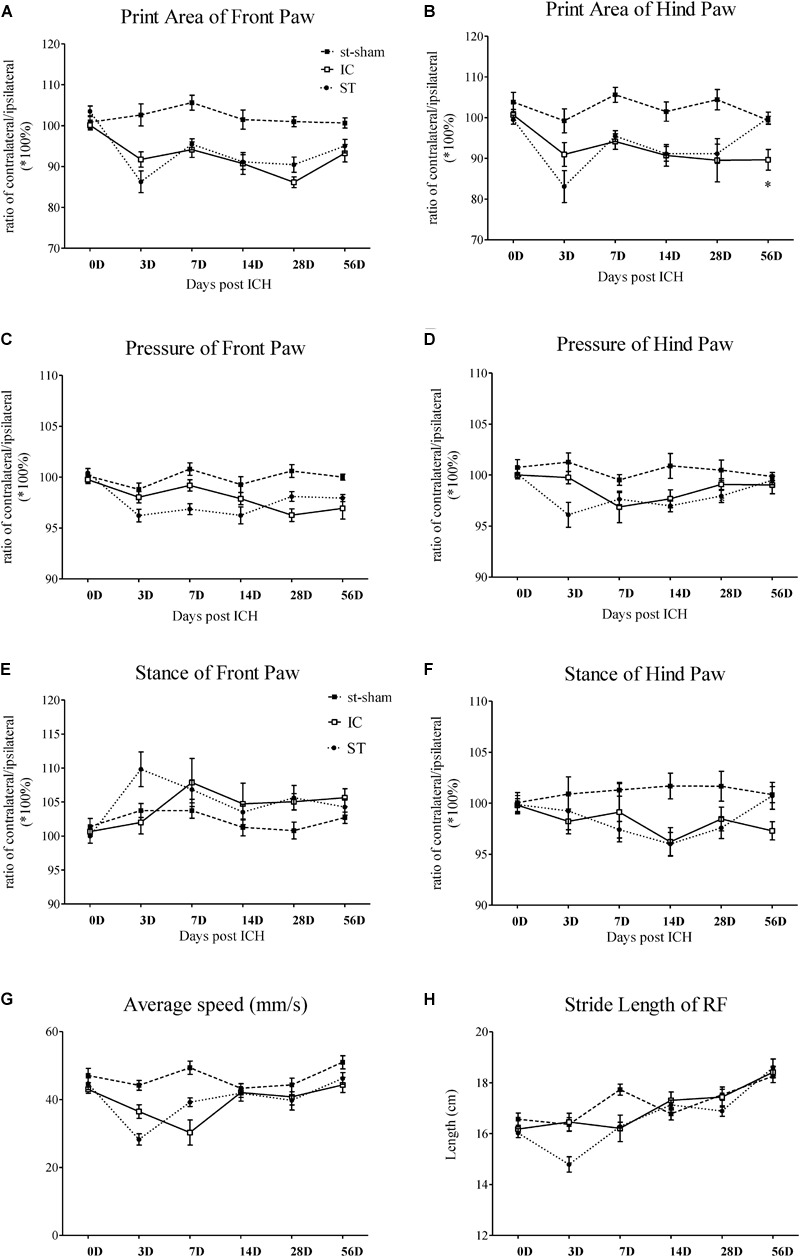
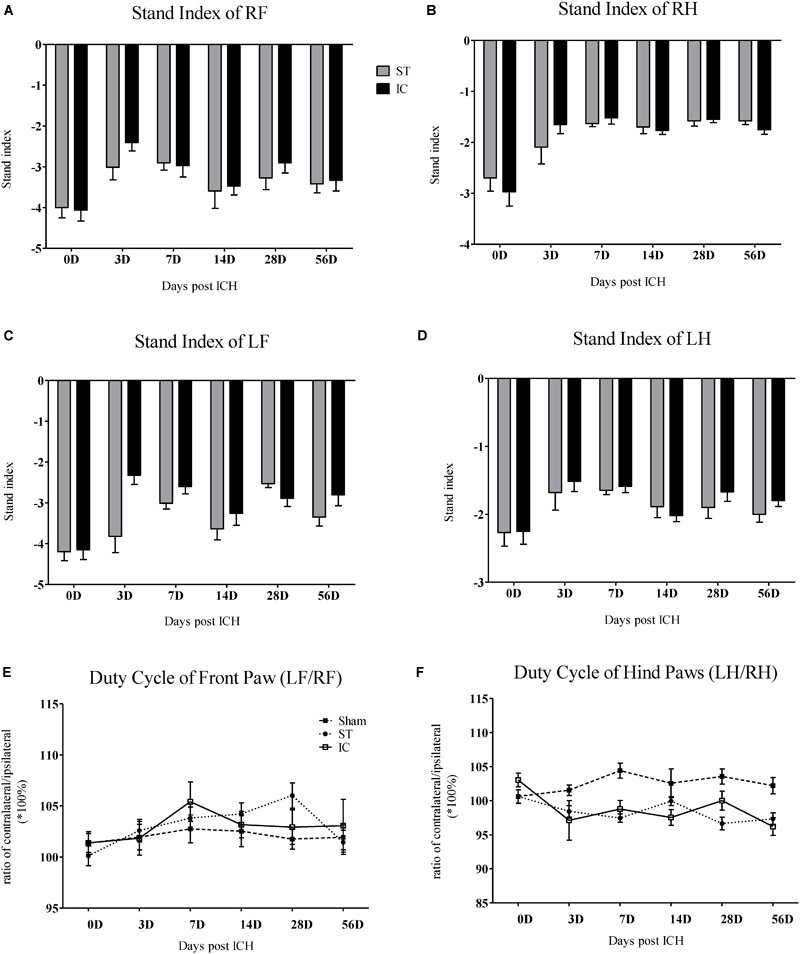
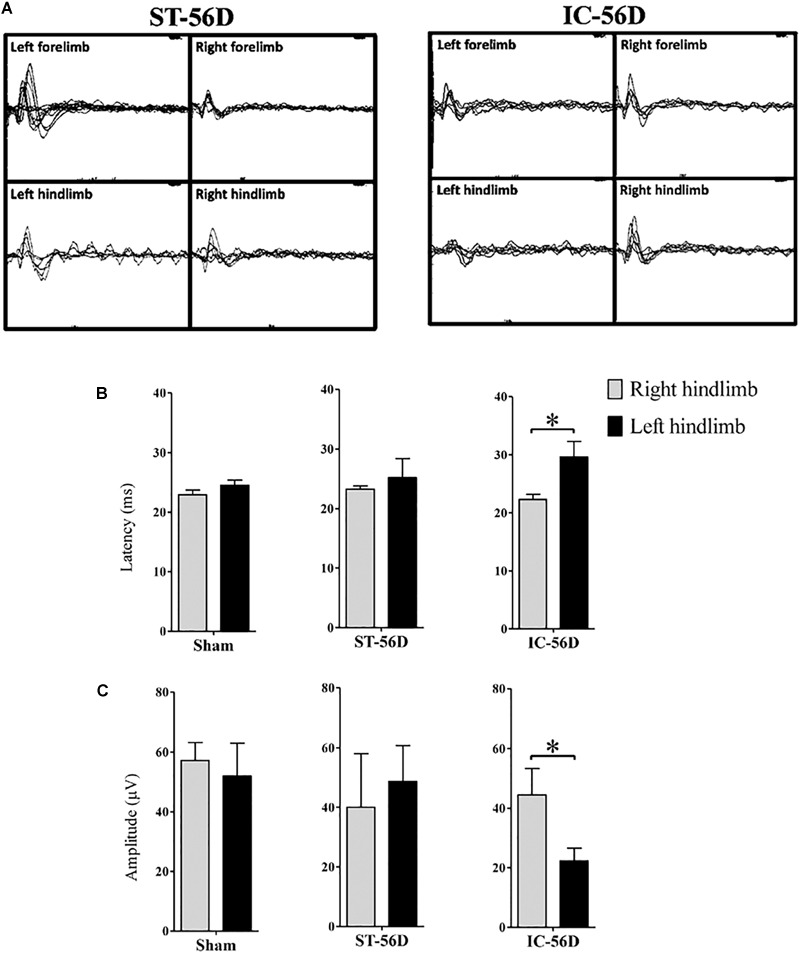
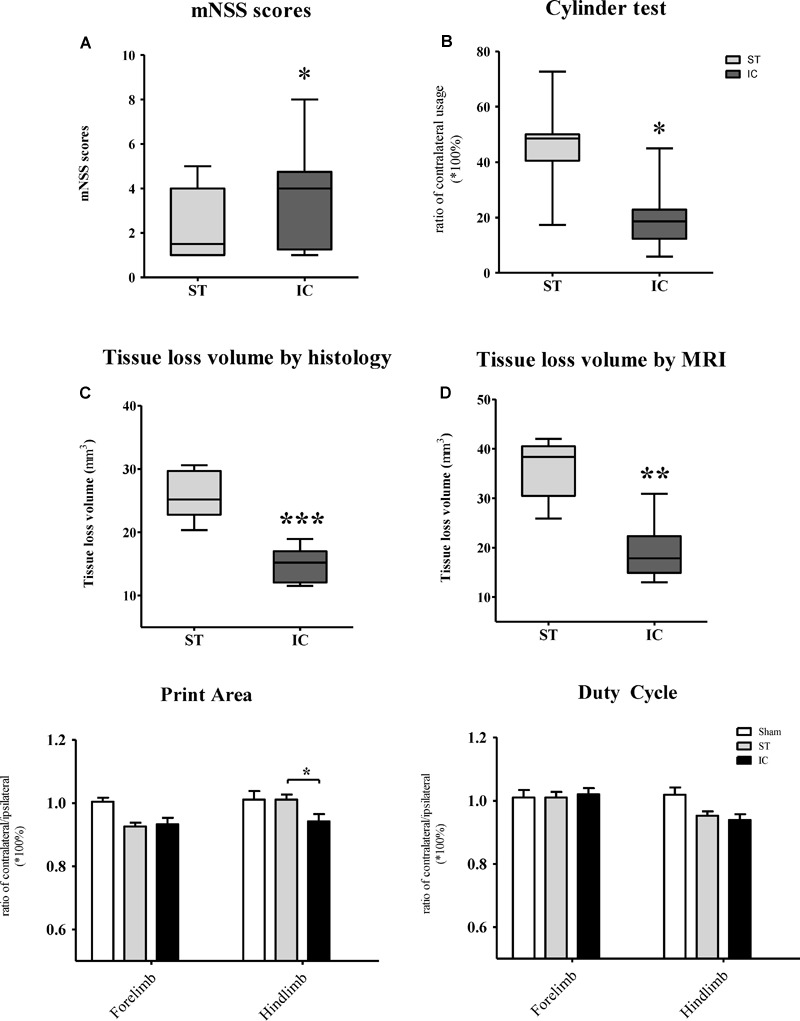
Spontaneous intracerebral hemorrhage (ICH) is one of the most lethal forms of stroke. From the limited previous studies and our preliminary data, white matter is considered a key predictor of the outcome and potential target of recovery. The traditional ICH model induced by injection of autologous blood or bacterial collagenase into striatum (ST) demonstrated a spontaneous functional recovery within one or 2 months. We hypothesis that an internal capsule (IC) lesion might lead to long-term axonal damage and long lasting functional deficits. Thus in this study, a modified internal capsule ICH model was conducted in rats, and the axonal damage, neurological deficits, histopathology as well as electrophysiology were characterized. The finding demonstrated that compared to ST group, the modified IC lesioned model exhibited a relatively smaller lesion volume with consistent axonal loss/degeneration and long-lasting neurological dysfunction at 2 months after ICH. Functionally, the impairment of the mNSS, ratio of contralateral forelimb usage, four limb stand index, contralateral duty cycle and ipsilateral SSEPs amplitude remained significant at 56 days. Structurally, the significant loss of PKCγ in ipsilateral cortical spinal tracts of IC group and the consistent axonal degeneration with several axonal retraction bulbs and enlarged tubular space was observed at 56 days after ICH. This study suggested that a modified IC lesioned model was proved to have long lasting neurological deficits. A comprehensive understanding of the dynamic progression after experimental ICH should aid further successful clinic translation in animal ICH studies, and provide new insights into the role of whiter matter injury in the mechanism and therapeutic targets of ICH.
自发性脑出血(ICH)是最致命的中风形式之一。根据以往有限的研究和我们的初步数据,白质被认为是预后的关键预测指标和恢复的潜在靶点。传统的通过向纹状体(ST)注射自体血或细菌胶原酶诱导的ICH模型在1至2个月内显示出自发性功能恢复。我们假设内囊(IC)损伤可能导致长期轴突损伤和持久的功能缺陷。因此,在本研究中,我们在大鼠中建立了改良的内囊ICH模型,并对轴突损伤、神经功能缺损、组织病理学以及电生理学进行了表征。结果表明,与ST组相比,改良的IC损伤模型在ICH后2个月时损伤体积相对较小,但伴有持续的轴突丢失/变性和持久的神经功能障碍。在功能上,改良神经功能缺损评分(mNSS)、对侧前肢使用比例、四足站立指数、对侧占空比和同侧体感诱发电位(SSEP)波幅在56天时仍有显著损伤。在结构上,ICH后56天时观察到IC组同侧皮质脊髓束中蛋白激酶Cγ(PKCγ)显著丢失,以及持续的轴突变性,伴有多个轴突回缩球和扩大的管状间隙。本研究表明,改良的IC损伤模型被证明具有持久的神经功能缺损。全面了解实验性ICH后的动态进展应有助于在动物ICH研究中进一步成功地进行临床转化,并为白质损伤在ICH机制和治疗靶点中的作用提供新的见解。